
Understanding Hydraulic elevators
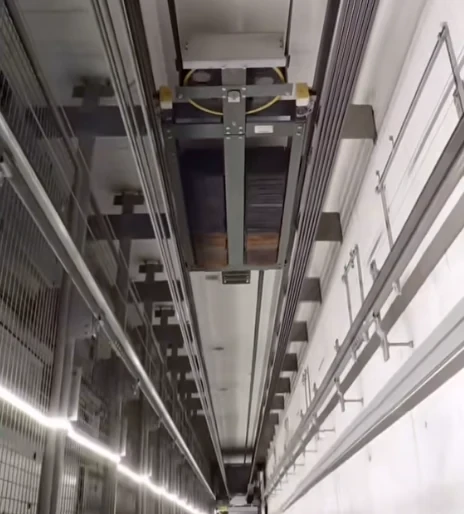
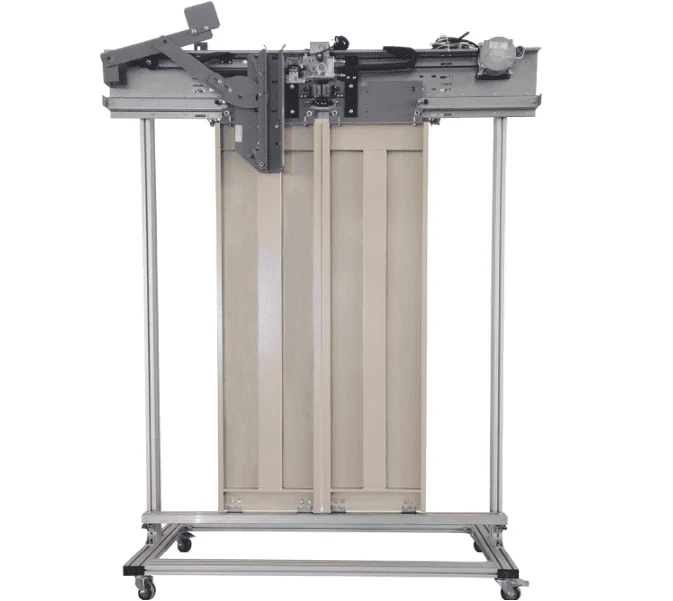
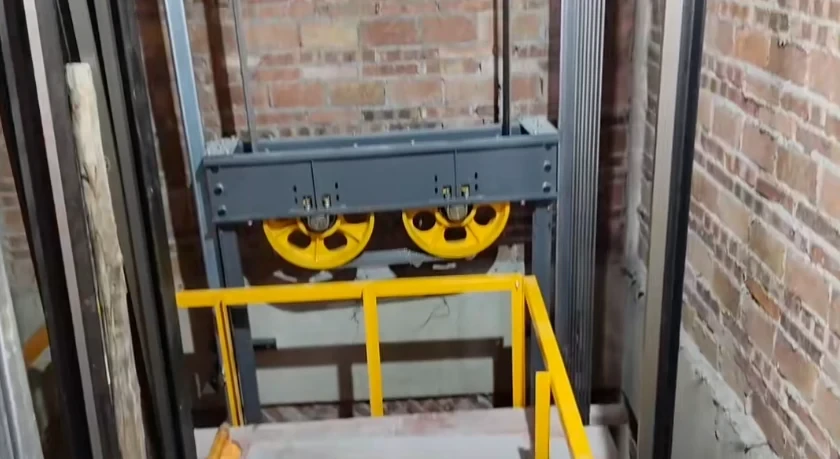
Hydraulic elevators are a popular choice for low to mid-rise buildings, utilizing a hydraulic system to Lift and lower the elevator car. Unlike traditional traction elevators, which rely on cables and pulleys, hydraulic elevators use a piston driven by a hydraulic fluid to move the car. This design allows for smoother rides and is particularly advantageous in buildings where space is limited.
Market Drivers
Urbanization and Infrastructure Development: As cities continue to expand, the demand for efficient vertical transportation systems is on the rise. Urbanization is leading to the construction of high-rise buildings, which necessitate reliable elevator systems. Hydraulic elevators, with their ability to handle heavy loads and provide smooth operation, are becoming increasingly popular in new constructions.
Technological Advancements: The hydraulic elevator market is witnessing rapid technological advancements. Innovations such as energy-efficient hydraulic systems, smart controls, and enhanced safety features are making these elevators more appealing to builders and developers. The integration of IoT (Internet of Things) technology is also enhancing the functionality of hydraulic elevators, allowing for real-time monitoring and predictive maintenance.
Growing Demand in Residential Sector: The residential sector is experiencing a shift towards luxury living, with more homeowners seeking modern amenities, including elevators. Hydraulic elevators are often favored in residential buildings due to their compact design and ability to provide seamless access to multiple floors. This trend is expected to drive the market significantly in the coming years.
Sustainability Initiatives: With an increasing focus on sustainability, many builders are opting for hydraulic elevators that consume less energy compared to traditional systems. The use of eco-friendly hydraulic fluids and energy-efficient designs aligns with global sustainability goals, making hydraulic elevators a preferred choice for environmentally conscious developers.
Market Challenges
Despite the promising growth prospects, the hydraulic elevator market faces several challenges. One of the primary concerns is the high initial installation cost associated with hydraulic systems. While they offer long-term benefits, the upfront investment can deter some builders, particularly in budget-sensitive projects.
Additionally, the maintenance of hydraulic elevators can be more complex compared to other types of elevators. Regular maintenance is crucial to ensure optimal performance and safety, which can add to the overall operational costs. As a result, potential buyers must weigh the long-term benefits against the initial and ongoing expenses.
Regional Insights
The hydraulic elevator market is expected to witness substantial growth across various regions. North America and Europe are currently leading the market due to the presence of established infrastructure and a high demand for modern elevator systems. The Asia-Pacific region, however, is anticipated to exhibit the highest growth rate during the forecast period. Rapid urbanization, increasing disposable incomes, and a booming construction industry in countries like China and India are driving the demand for hydraulic elevators in this region.
Key Players in the Market
Several key players are dominating the hydraulic elevator market, including Otis Elevator Company, Schindler Group, KONE Corporation, Thyssenkrupp AG, and Mitsubishi Electric Corporation. These companies are focusing on innovation and expanding their product offerings to cater to the evolving needs of consumers. Strategic partnerships, mergers, and acquisitions are also common strategies employed by these players to enhance their market presence and competitiveness.
Future Outlook
The hydraulic elevator market is poised for remarkable growth in the coming years. As urbanization continues to rise and the demand for efficient vertical transportation solutions increases, hydraulic elevators will play a crucial role in shaping the future of building infrastructure. With ongoing technological advancements and a growing emphasis on sustainability, the market is expected to evolve, offering more innovative and eco-friendly solutions.
In conclusion, the hydraulic elevator market is set to experience startling growth from 2024 to 2032, driven by urbanization, technological advancements, and a growing demand in the residential sector. While challenges such as high installation costs and maintenance complexities exist, the long-term benefits and increasing focus on sustainability are likely to propel the market forward. As key players continue to innovate and expand their offerings, the future of hydraulic elevators looks promising, making them an essential component of modern building design and infrastructure.