Introduction
Finding the correct Lift spare parts is one of the most important tasks for elevator maintenance companies, technicians, contractors, and elevator service providers.
An elevator is made up of hundreds or even thousands of mechanical, electrical, electronic, and safety-related components. When one component fails, technicians need to identify the correct replacement quickly.
However, purchasing an elevator spare part is not simply about finding a product that looks similar.
The correct replacement may depend on:
- Elevator manufacturer
- Elevator model
- Original part number
- Electrical specifications
- Mechanical dimensions
- Connector configuration
- Software compatibility
- Installation requirements
- Application
- Safety requirements
Choosing the wrong component can result in installation problems, repeated failures, additional downtime, and unnecessary maintenance costs.
For this reason, selecting a professional elevator parts supplier is just as important as selecting the correct replacement component.
This guide explains how elevator maintenance companies can identify, evaluate, purchase, and manage elevator parts for sale.
1. What Are Lift Spare Parts?
Lift spare parts are replacement components used to repair, maintain, or restore elevator systems.
They can generally be divided into several categories.
Mechanical Elevator Parts
Examples include:
- Guide shoe
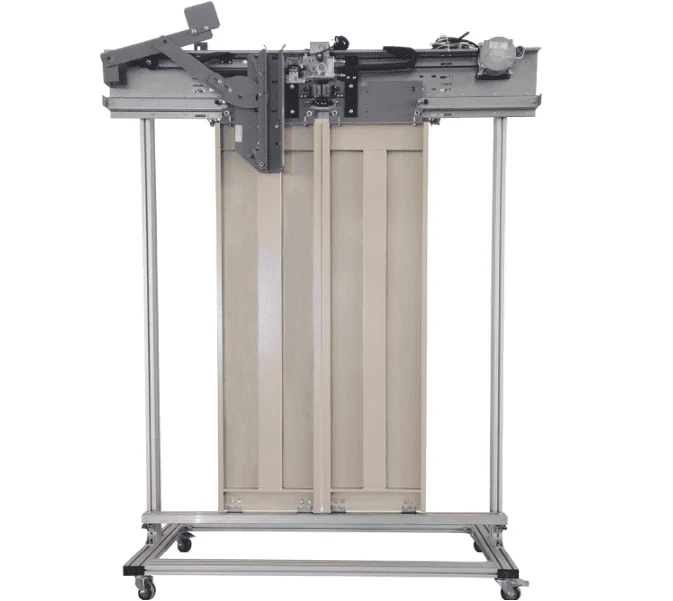
- Door rollers
- Door stopper
- Door components
- Brake components
- Sheaves
- Bearings
- Mechanical switches
Electrical Elevator Parts
Examples include:
- Contactors
- Relays
- Transformers
- Circuit breakers
- Safety switches
- Wiring components
Electronic Elevator Parts
Examples include:
- Main control boards
- Drive boards
- I/O boards
- Communication boards
- Door controller boards
- Display boards
Passenger Interface Parts
Examples include:
- Lift buttons
- Elevator buttons
- COP panels
- LOP panels
- Displays
- Indicators
Safety Components
Examples include:
- Elevator door lock
- Safety switches
- Emergency stop components
- Overspeed-related components
- Door protection devices
2. Why Choosing the Correct Elevator Spare Part Matters
Elevator components are interconnected.
A problem in one component can sometimes appear to be a failure in another.
For example:
A passenger reports that the elevator door will not close.
The actual cause could be:
- Door stopper
- Door roller
- Door operator
- Door lock
- Door sensor
- Door controller
- Wiring
- Communication problem
Therefore, technicians should diagnose the system before ordering replacement components.
This is particularly important for expensive electronic elevator spare parts.
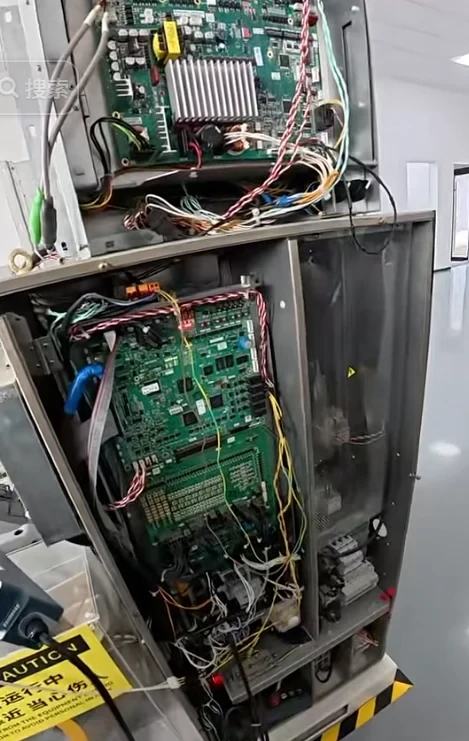
3. Common Elevator Spare Parts
A professional elevator parts supplier may provide a wide range of components.
Some of the most frequently requested products include:
Elevator Door Lock
The elevator door lock is a critical part of the elevator door safety system.
When a door lock problem occurs, technicians may need to inspect:
- Mechanical lock
- Electrical contacts
- Wiring
- Connectors
- Door alignment
- Door operator
The correct replacement door lock must match the elevator door system.
Guide Shoe
The guide shoe helps guide the elevator car or counterweight along the guide rail.
Common replacement requirements include:
- Sliding guide shoes
- Roller guide shoes
- Guide shoe inserts
- Related mounting components
Technicians should confirm the elevator model and original part number before ordering.
Elevator Door Stopper
The elevator door stopper is a mechanical component used to limit or control door movement depending on the door system.
Before replacement, inspect:
- Door alignment
- Door rollers
- Door operator
- Mounting position
- Stopper condition
Lift Buttons
Lift buttons are commonly replaced because they are frequently used by passengers.
Typical products include:
- Floor buttons
- Up/down buttons
- Door open buttons
- Door close buttons
- Alarm buttons
- Braille buttons
- Illuminated buttons
4. Elevator PCB Boards
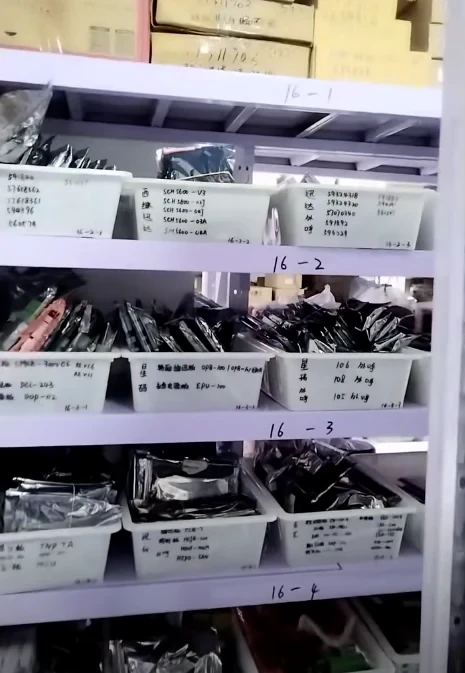
Electronic boards are among the most technically demanding lift spare parts.
Common PCB categories include:
- Main control boards
- Drive boards
- I/O boards
- Communication boards
- Door controller boards
- Display boards
- Interface boards
When ordering a PCB, technicians should provide as much information as possible.
Recommended information includes:
- Part number
- Revision number
- Elevator manufacturer
- Elevator model
- Board photograph
- Connector configuration
- Fault description
A PCB that looks similar may have a different hardware revision or application.
5. How to Identify an Elevator Spare Part
One of the most important skills in elevator parts purchasing is accurate part identification.
Step 1 — Find the Part Number
Look for information printed on:
- PCB labels
- Product labels
- Nameplates
- Stickers
- Packaging
- Manufacturer markings
The original part number is usually the most useful identification information.
Step 2 — Take Clear Photos
When the part number is unclear, take photographs of:
- Front side
- Back side
- Product label
- Connector
- Nameplate
- Installation position
Good photographs can help an elevator parts supplier identify the product.
Step 3 — Identify the Elevator Model
Provide:
- Elevator manufacturer
- Elevator model
- Controller model
- Door operator model
- Drive model
The more information available, the easier it is to verify compatibility.
Step 4 — Describe the Application
Explain where the component is installed.
For example:
“This board is installed inside the elevator control cabinet.”
or:
“This button is installed on the COP inside the elevator car.”
Application information can help prevent incorrect part selection.
6. Original vs Compatible Elevator Spare Parts
Customers often ask whether they should purchase original factory components or compatible replacement parts.
Both options may be available depending on the product.
Original Factory Parts
Advantages may include:
- Original specifications
- Manufacturer compatibility
- Established quality control
- Direct replacement
They may be particularly important for specialized electronic or safety-related components.
Compatible Replacement Parts
Compatible parts may offer:
- Alternative sourcing
- Competitive pricing
- Availability for older systems
- Replacement options for discontinued components
However, compatibility should be verified carefully.
A professional supplier should clearly explain whether a product is:
- Original
- OEM
- OEM-compatible
- Aftermarket
- Repaired/refurbished
Transparency is important when purchasing elevator parts for sale.
7. How to Evaluate an Elevator Parts Supplier
Price should not be the only factor when selecting an elevator parts supplier.
Consider the following.
Product Knowledge
Does the supplier understand elevator components?
Can they identify products based on:
- Part number
- Photograph
- Elevator model
- Application?
Product Range
A supplier with a broad product range can make sourcing easier.
A useful product catalog may include:
- Lift buttons
- Elevator door lock
- Guide shoe
- Elevator door stopper
- PCB boards
- Door operator parts
- Safety components
- Elevator testing tools
Technical Support
Technical support is especially valuable when dealing with:
- Controller boards
- Drive boards
- Communication boards
- Door controllers
- Fault-related replacement parts
A supplier that understands the application can help customers avoid ordering the wrong component.
Quality Control
Ask whether the supplier performs:
- Visual inspection
- Functional testing
- Voltage testing
- Communication testing
- Product verification
The testing method depends on the type of elevator component.
Packaging
Proper packaging is particularly important for electronic lift spare parts.
PCB boards should be protected against:
- Static electricity
- Moisture
- Impact
- Dust
Mechanical components should also be properly protected during transportation.
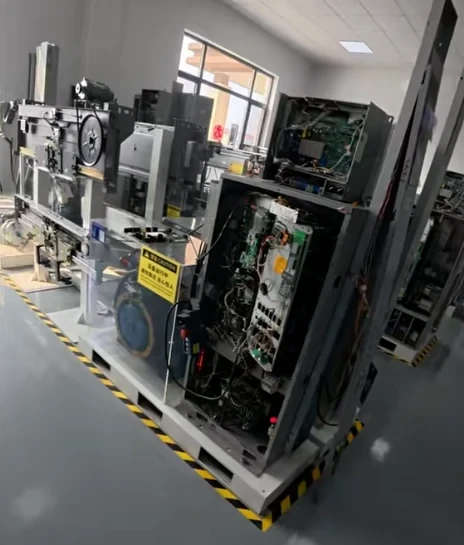
8. Why Technical Support Matters
Elevator maintenance is different from many ordinary industrial maintenance applications.
A replacement component may appear correct but still fail because of:
- Incorrect parameters
- Incorrect wiring
- Different hardware revision
- Incompatible communication protocol
- Incorrect installation
- Incorrect adjustment
For this reason, technical support can be an important part of the purchasing process.
A professional elevator parts supplier should ideally be able to help customers understand:
- Product compatibility
- Installation requirements
- Basic troubleshooting
- Part identification
- Testing requirements
9. Elevator Testing Tools and Spare Parts
Replacement parts and diagnostic tools work together.
When an elevator develops a fault, technicians often need to:
Diagnose → Identify → Test → Replace → Verify
For example:
Door Problem
Use elevator testing tools to inspect:
- Door lock circuit
- Door sensors
- Door operator
- Wiring
Then determine whether the problem is actually caused by the elevator door lock, door stopper, sensor, or another component.
Button Problem
Test:
- Button contact
- Wiring
- Connector
- Indicator
- Controller input
Only after diagnosis should the technician order replacement lift buttons.
Guide Shoe Problem
Inspect:
- Guide shoe
- Guide rail
- Mounting
- Mechanical alignment
Then determine whether a replacement guide shoe is required.
This diagnostic approach can significantly reduce unnecessary spare-part purchases.
10. How to Order Elevator Parts for Sale
When contacting a supplier, provide complete information.
A useful inquiry should include:
Product Information
Part name:
Elevator door lock
Part number:
XXXXXXXX
Elevator brand:
XXXXXXXX
Elevator model:
XXXXXXXX
Quantity:
XX pcs
Application:
Landing door
Photos:
Front / back / label
This allows the supplier to respond more accurately.
11. How to Reduce the Risk of Ordering the Wrong Part
Before placing an order, confirm:
☐ Part number
☐ Elevator manufacturer
☐ Elevator model
☐ Application
☐ Electrical specifications
☐ Mechanical dimensions
☐ Connector configuration
☐ Product condition
☐ Quantity
☐ Compatibility
For electronic components, also confirm the hardware revision when applicable.
12. Buying Elevator Parts for Older Elevators
Older elevator systems can be more difficult to maintain.
Some original components may be:
- Discontinued
- Difficult to source
- No longer manufactured
- Available only as repaired units
- Replaced by newer versions
In these cases, a specialist elevator parts supplier may be able to identify alternative sourcing options.
Possible solutions may include:
- Original replacement
- Compatible replacement
- Updated version
- Repaired board
- Refurbished component
The correct solution depends on the elevator system and customer requirements.
13. Common Purchasing Mistakes
Mistake 1: Buying Only Based on the Photograph
Two elevator components may look almost identical but have different specifications.
Always verify the part number.
Mistake 2: Choosing Only by Price
The cheapest component may not provide the best overall value.
Consider:
- Quality
- Compatibility
- Reliability
- Technical support
- Warranty
- Delivery time
Mistake 3: Not Providing the Elevator Model
The same type of component may have multiple versions.
Providing the elevator model helps the supplier verify compatibility.
Mistake 4: Ignoring Product Condition
When purchasing used, repaired, or refurbished components, clarify the condition before ordering.
Mistake 5: Not Testing the New Component
After replacement, the elevator should be tested according to the applicable maintenance procedure.
14. Elevator Spare Parts Quality Checklist
Before accepting a shipment, inspect:
Product
- Correct part number
- Correct quantity
- Correct model
- No visible damage
Electronic Parts
- PCB is not damaged
- Connectors are intact
- Components are secure
- Product label is correct
Mechanical Parts
- Correct dimensions
- No deformation
- No cracks
- Mounting holes match
Documentation
- Product information received
- Testing information available where applicable
- Installation information available where required
15. Popular Categories of Elevator Parts for Sale
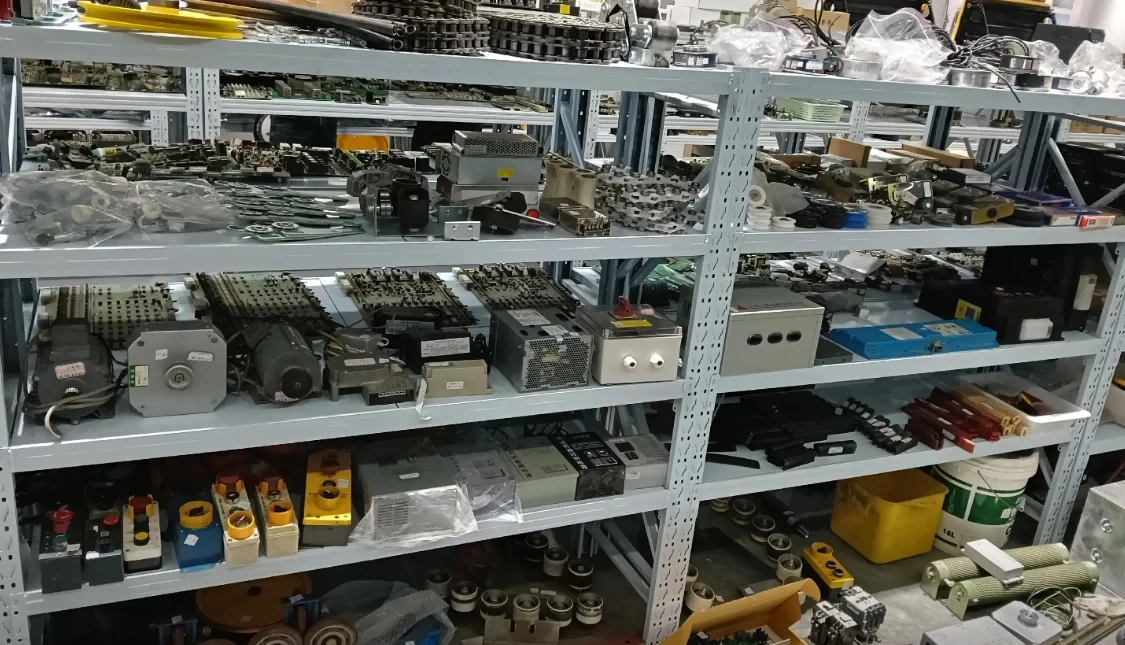
A professional elevator parts website can organize products into clear categories.
Control System Parts
- Main boards
- Drive boards
- I/O boards
- Communication boards
- Interface boards
Door System Parts
- Elevator door lock
- Elevator door stopper
- Door rollers
- Door operator parts
- Door controller boards
Mechanical Parts
- Guide shoe
- Rollers
- Bearings
- Brake components
- Mechanical switches
Passenger Interface
- Lift buttons
- Elevator buttons
- COP panels
- LOP panels
- Displays
Testing and Maintenance
- Elevator testing tools
- Electrical test instruments
- Diagnostic equipment
- Maintenance tools
16. Why a Specialist Elevator Parts Supplier Can Be Better
A specialist supplier focuses on elevator components rather than general industrial products.
This can provide several advantages:
Better Product Identification
The supplier understands elevator part numbers and applications.
Better Technical Communication
Technicians can communicate using elevator-specific terminology.
Better Product Selection
The supplier can recommend suitable alternatives when the original part is unavailable.
Better Maintenance Support
Technical information can help technicians diagnose and replace components more efficiently.
For international buyers, specialist suppliers may also provide export packaging and international shipping support.
17. Building a Reliable Elevator Spare Parts Inventory
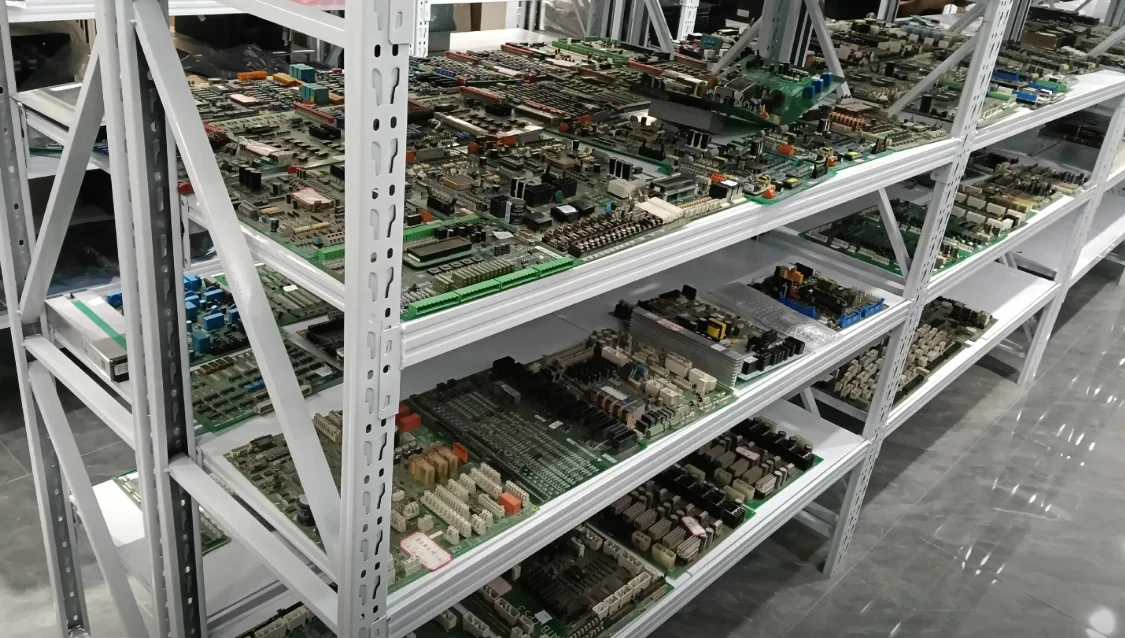
Elevator maintenance companies can reduce downtime by maintaining a stock of frequently required components.
Possible stock items include:
- Common lift buttons
- Elevator door locks
- Door rollers
- Door stoppers
- Guide shoes
- Contactors
- Relays
- Frequently used PCB boards
- Fuses
- Sensors
The exact inventory should be based on the elevators being maintained.
18. What Makes a Good Elevator Parts Website?
If you are purchasing elevator parts for sale online, a useful supplier website should provide clear product information.
A product page should ideally include:
- Product name
- Part number
- Product photos
- Applicable elevator brand
- Product category
- Basic specifications
- Availability
- Inquiry method
- Shipping information
For technical products, high-quality product photography and accurate part numbers are particularly important.
19. Elevator Parts Search Terms
Customers may use different search phrases when looking for the same product.
For example:
General
- lift spare parts
- elevator spare part
- elevator parts for sale
- elevator parts supplier
Buttons
- lift buttons
- elevator buttons
- elevators buttons
- button elevator
- elevator push button
Door Components
- elevator door lock
- door lock
- elevator door stopper
Mechanical Components
- guide shoe
- elevator guide shoe
- roller guide shoe
Maintenance
- elevator testing tools
- elevator maintenance tools
A professional elevator parts website should create useful content around these search terms rather than simply repeating keywords.
20. How Technical Content Helps Sell Elevator Spare Parts
Technical articles can help customers find the correct product before contacting a supplier.
For example:
A customer searches:
“elevator guide shoe vibration”
They find a technical article explaining possible causes.
The article can then link to:
Guide Shoes → Product Page → Inquiry
Another customer searches:
“elevator door lock fault”
The technical article can link to:
Elevator Door Lock → Product Page → Contact Supplier
This creates a natural connection between technical SEO content and product sales.
21. Recommended Internal Linking Structure
For this 10-article content series, the website can use the following structure:
Article 1
Elevator Safety Guide
↓
Article 2
Elevator Door Lock Inspection
↓
Article 3
Elevator Pit Safety
↓
Article 4
Elevator Car Top Safety
↓
Article 5
Elevator LOTO Guide
↓
Article 6
Elevator Testing Tools
↓
Article 7
Elevator Guide Shoe
↓
Article 8
Elevator Door Stopper
↓
Article 9
Lift Buttons
↓
Article 10
Elevator Parts Supplier & Elevator Parts for Sale
This structure creates a technical content cluster around elevator maintenance and naturally guides visitors toward the product category pages.
22. Recommended Product Page Structure
For each elevator spare part, consider creating a dedicated product page.
For example:
Product Name
Elevator Guide Shoe
Product Information
- Part Number
- Application
- Elevator Model
- Material
- Dimensions
Product Photos
Include:
- Front view
- Side view
- Back view
- Product label
- Installation position
Application
Explain where the component is used.
Compatibility
List compatible elevator systems where verified.
Related Products
Link to:
- Guide rails
- Rollers
- Other mechanical components
Inquiry
Provide a clear method for customers to contact the supplier.
23. Why Accurate Product Information Matters
For an elevator parts supplier, inaccurate product information can create significant problems.
Incorrect information may result in:
- Wrong orders
- Returns
- Installation problems
- Delays
- Customer complaints
- Additional shipping costs
Therefore, product data should be reviewed before publishing.
This is especially important for:
- PCB boards
- Drive boards
- Door controllers
- Elevator door locks
- Lift buttons
- Guide shoes
24. A Practical Elevator Spare Parts Purchasing Process
A professional purchasing workflow can be simplified into seven steps:
Step 1
Identify the elevator fault.
Step 2
Perform diagnosis using appropriate elevator testing tools.
Step 3
Identify the failed component.
Step 4
Record the original part number.
Step 5
Send the information to the elevator parts supplier.
Step 6
Confirm product compatibility and condition.
Step 7
Install and test the replacement part.
This process helps reduce incorrect orders and unnecessary replacement.
Frequently Asked Questions
What are the most common lift spare parts?
Common products include elevator door locks, guide shoes, door rollers, door stoppers, lift buttons, PCB boards, relays, contactors, sensors, and other electrical and mechanical components.
How do I find the correct elevator spare part?
Start with the original part number. Then provide the elevator manufacturer, model, application, photographs, dimensions, and other relevant information to the supplier.
How do I choose an elevator parts supplier?
Look for a supplier with accurate product information, technical knowledge, reliable quality control, good communication, and experience supplying elevator components.
Are all elevator buttons interchangeable?
No. Lift buttons can differ in dimensions, electrical characteristics, connector configuration, indicator type, and controller compatibility.
How do I choose an elevator door lock?
Verify the original part number, elevator model, door system, mounting configuration, electrical contact configuration, and other manufacturer-specific requirements.
How do I know whether a guide shoe is compatible?
Check the elevator model, guide rail configuration, guide shoe type, original part number, dimensions, and mounting configuration.
Can an old elevator PCB be replaced with a newer version?
Sometimes, but compatibility must be verified. Hardware revisions, software, connectors, communication protocols, and controller configuration may differ.
What information should I send when requesting elevator parts for sale?
At minimum, provide:
- Product name
- Part number
- Elevator brand
- Elevator model
- Quantity
- Product photos
- Application
The more complete the information, the easier it is for the supplier to identify the correct product.
Conclusion
Choosing the correct lift spare parts is an important part of professional elevator maintenance.
Whether you need an elevator door lock, guide shoe, elevator door stopper, lift buttons, PCB board, door operator component, or another elevator spare part, accurate identification should always come before purchasing.
The original part number, elevator model, application, photographs, dimensions, and technical specifications can significantly reduce the risk of receiving an incompatible component.
At the same time, selecting the right elevator parts supplier is equally important. A specialist supplier should provide accurate product information, reliable quality, technical support, and clear communication.
For elevator maintenance companies searching for elevator parts for sale, the best supplier is not necessarily the one offering the lowest price. The better choice is a supplier that can consistently provide the right part, the right information, and the right support.
By combining systematic troubleshooting, professional elevator testing tools, reliable lift spare parts, and experienced technical support, elevator maintenance companies can reduce downtime, improve maintenance efficiency, and keep elevator systems operating reliably.