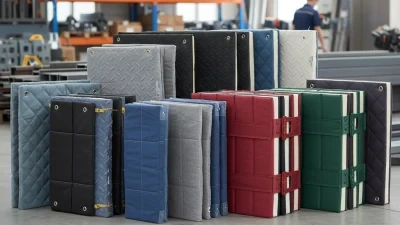
In the hectic world of logistics and transportation, you really can’t underestimate how crucial it is to keep goods safe during the whole moving process. One of the key breakthroughs that’s been making a difference lately is the use of elevator Protection Pads. These are specially designed to shield items from getting damaged when they’re being transported in elevators. Actually, a recent report from the International Warehouse Logistics Association (IWLA) reveals that nearly 30% of all shipped goods suffer some sort of damage along the way. That number really highlights how important protective gear is for boosting efficiency and cutting down on costs.
Dr. James Harrison, who’s pretty well-known in the field of material handling, stresses just how valuable these pads are. He says, “Using protective equipment like Elevator Protection Pads not only cut down the risk of damage but also make the whole operation safer and more efficient.” These pads come with features like high-density cushioning, anti-slip surfaces, and they’re super easy to install, giving businesses that extra peace of mind knowing their products are protected. As industries keep figuring out better ways to move stuff around smoothly and safely, Elevator Protection Pads are definitely becoming a must-have in making sure everything goes off without a hitch.
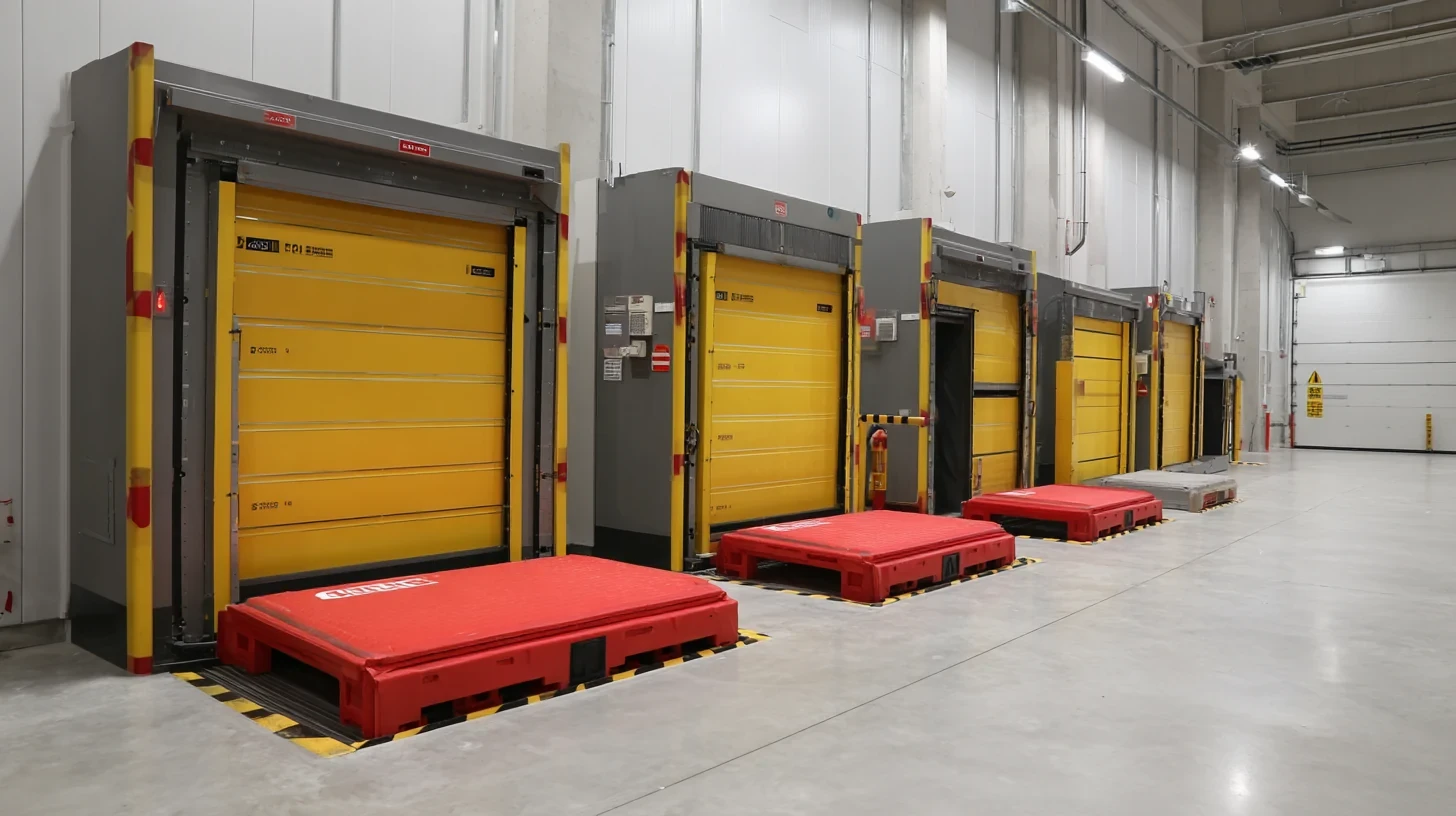
Essential Features of Elevator Protection Pads for Safe Goods Transport
Elevator protection pads are actually pretty important when it comes to safely moving goods up and down. Think of these pads as a soft cushion between the elevator walls and whatever you're hauling—so nothing gets scratched or damaged on either side. What's cool about them is that they usually have high-density foam inside, which helps absorb shocks, and tough outer materials that can take a beating without tearing. Plus, they’re designed to be easy to install and fit pretty much any size elevator.
They're also lightweight enough to handle easily but still do a solid job at protecting your cargo. The fact that they can mold to different shapes and sizes means your stuff stays steady during the ride, without shifting around. Honestly, investing in good quality elevator protection pads can make a big difference—they help keep your goods safe and give you a bit of peace of mind, especially if moving things around is part of your daily routine in business or logistics.
Essential Features and Benefits of Elevator Protection Pads
| Features | Importance Level (1-10) |
|---|---|
| Shock Absorption | 9 |
| Scratch Prevention | 8 |
| Durability | 9 |
| Ease of Installation | 7 |
| Cost Effectiveness | 6 |
Top 5 Benefits of Using Elevator Protection Pads in Warehouses
Elevator protection pads really play a big role in keeping goods safe while they're being moved around in warehouses. I came across a recent industry report from the Warehousing Institute, and it turns out that about 30% of warehouse accidents happen because of equipment not being properly protected. That can lead to quite a bit of extra costs and headaches. So, by using high-quality elevator protection pads, warehouses can seriously cut down on damage—both to the goods and the elevators—making the whole process run way smoother.
One of the main perks of these pads is that they help absorb impacts better. According to a study from the International Journal of Logistics, using these pads can cut down the chances of damaging goods during transit by up to 70%. That’s a pretty huge deal, especially for fragile items that need a little extra care. Plus, these pads offer great cushioning, protecting delicate stuff from vibrations and shifting — which can happen quite a bit when things are being moved around. And let’s not forget how cost-effective they are; they help save money on repairs and help extend the life of your equipment. All in all, they’re a smart investment for smoother, safer operations.
Elevator Protection Pads Essential Features and Benefits for Safe Transportation of Goods - Top 5 Benefits of Using Elevator Protection Pads in Warehouses
| Feature | Description | Benefit |
|---|---|---|
| Durable Material | Made from high-quality, tough materials. | Ensures long-lasting protection for elevator interiors. |
| Non-Slip Surface | Features a textured surface to prevent slipping. | Enhances safety for both goods and personnel during transportation. |
| Easy Installation | Designed for quick and effortless setup. | Reduces downtime when preparing for cargo transport. |
| Custom Sizes | Available in various sizes to fit different elevators. | Provides flexible solutions for various transportation needs. |
| Cost-Effective | Affordable solution for protecting elevator interiors. | Minimizes repair costs for elevator damage prevention. |
3 Key Materials Used in Elevator Protection Pads and Their Advantages
Whenever you're hauling stuff in elevators, those protection pads can really make a big difference—they help keep things safe and avoid any damage. Now, there are mainly three types of materials folks usually go for: foam, rubber, and carpet. Each one has its own perks, depending on what you're moving.
Foam pads are pretty lightweight but do a great job at absorbing shocks. They're perfect when you're dealing with delicate items because they cushion everything nicely, cutting down on dents or scratches during the move. Rubber pads, on the other hand, are super durable and grip really well—so they don’t slip around, even if you're lugging around heavy things. Plus, they're water-resistant, which is a lifesaver if there's any chance of spills or wet floors.
Then there are carpet pads, which are great if you wanna soften impacts on surfaces and also add a bit of style. They’re often used in upscale places or homes because they look good and also help reduce noise while things are being transported.
Quick tip: When you're picking out protection pads, think about how heavy and fragile your stuff is. Make sure the pads cover all the contact spots inside the elevator—that way, you get maximum protection. And don’t forget to check your pads regularly for wear; a damaged pad won’t do much good, so they need to be in good shape to keep things safe!
4 Practical Tips for Choosing the Right Elevator Protection Pads
When you're picking the right elevator protection pads, my first tip is to think about the material. Good quality pads made from tough stuff like rubber or reinforced fabric tend to hold up better against wear and tear, giving better protection for both the elevator walls and whatever you're transporting. Oh, and if you go for water-resistant ones, that’s a bonus—helpful in preventing damage from spills or moisture, so they work in a bunch of different environments.
Another thing to keep in mind is the size and thickness. Make sure the pads actually fit well in the elevator space and cover the areas that are most vulnerable. Thicker pads usually mean more cushioning, which is especially important if you're moving heavy or fragile stuff. And don’t forget about how easy they are to install and take off—that’s such a game-changer when things are busy. By paying attention to these details, you can be confident your elevator protection pads will keep your goods safe and make the whole transportation process smoother and safer.
How Elevator Protection Pads Enhance Safety Standards in Material Handling
Elevator protection pads are pretty essential when it comes to keeping everything safe during the transport of goods inside elevators. They’re basically cushions that protect both the inside of the elevator and whatever you’re moving, really helping to cut down on any damage. They soak up shocks and stop items from shifting around, which makes loading and unloading way safer — less hassle, fewer accidents for operators and maintenance folks, you know? Plus, these pads are built tough, so they last a long time, making them a smart investment for any place that relies on elevators to move stuff around.
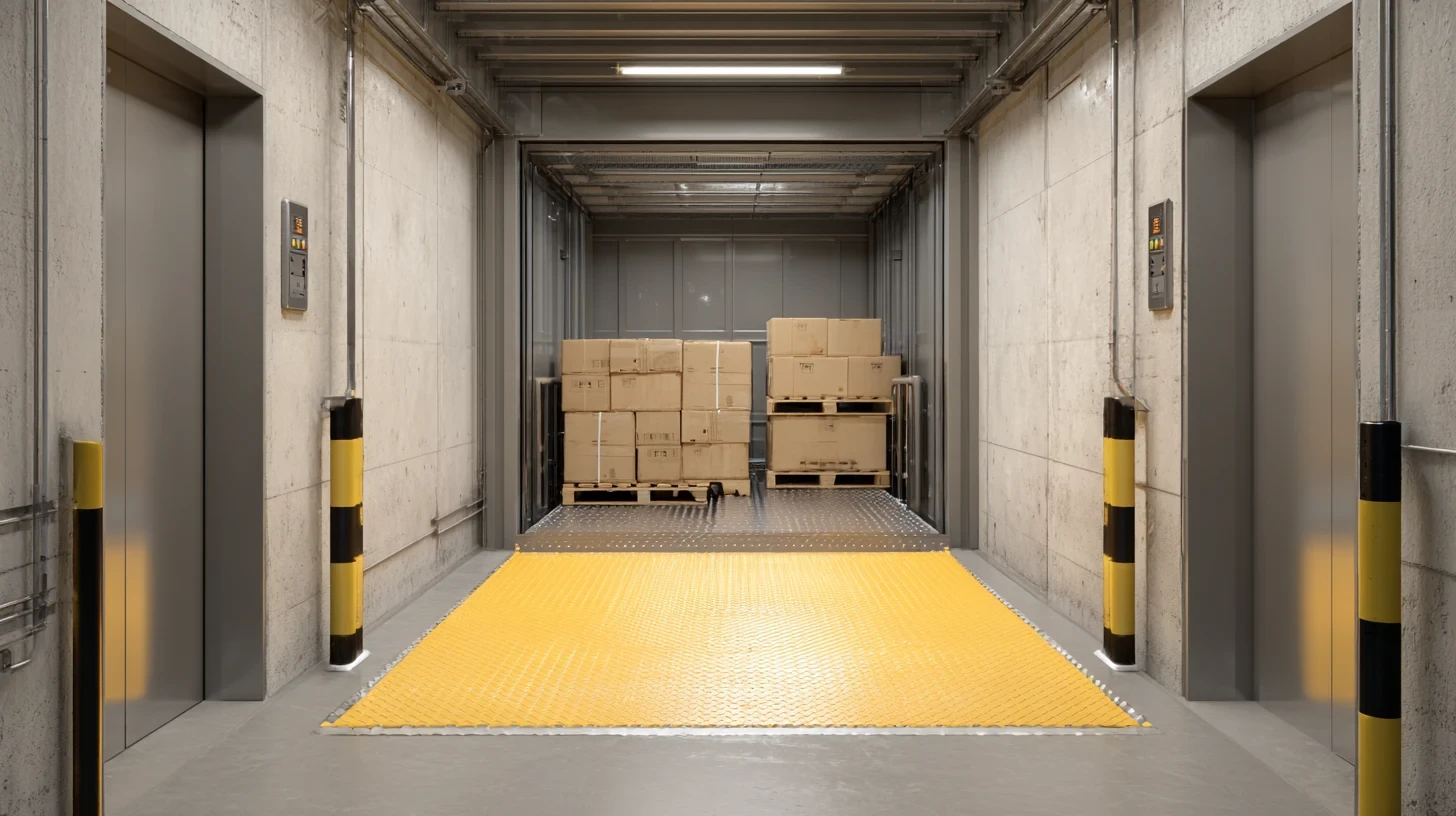
Here at Zhuhai Link Industrial Co., Ltd., we totally get how important it is to keep safety standards high when it comes to elevator operations. We’ve been around since 2017, and over the years, we’ve put a lot of focus on making the whole elevator experience better — from selling and installing to maintaining them. Safety and quality are at the heart of what we do, which is why we include features like protection pads to make sure our customers’ goods travel securely. We sell over 200 units a year, and we’re always pushing to bring in new safety features that boost reliability and help create a safer work environment for everyone involved.
5 Common Mistakes to Avoid When Using Elevator Protection Pads
When you're using elevator protection pads, it's really important to avoid some common mistakes. Trust me, doing so makes all the difference in keeping your items safe and the elevator in good shape. One mistake I’ve seen a lot is forgetting to secure the pads properly. If they're not fastened well, they can shift around during the move, which could damage not just the elevator but also the things you're trying to move. So, always double-check that the pads are snug and secure — it helps create a stable cushion against impacts.
Also, choosing the right kind of protection pads for your specific cargo is crucial. Different stuff needs different care. For example, heavy machinery benefits from thicker pads that can absorb vibrations, while delicate items might need softer materials to prevent scratches. Taking a moment to pick the right pads makes everything go much smoother.
**Quick tips:** Before you start moving stuff, give your elevator pads a quick inspection—look for any signs of wear and tear. Even small damages can reduce their effectiveness. And don’t forget to train your team on how to use these pads properly. Stress the importance of good placement and regular maintenance—it's the best way to avoid mishaps. Following these tips can seriously boost how effective your elevator protection setup is, making your life a lot easier in the long run.

Essential Guide to Choosing Elevator Parts: Focus on SHL Clock Board GAA25005F1 for OTIS Lift Accessories
When selecting elevator parts, one component that often requires careful consideration is the SHL Clock Board GAA25005F1, particularly for OTIS lift accessories. This vital piece of equipment plays a fundamental role in ensuring the efficient operation and safety of elevator systems. As elevators are complex mechanisms that rely on precise timing and coordination between various components, a reliable clock board is crucial. The GAA25005F1 is designed to enhance performance stability and is well-suited for the demands of modern elevator operations.
The SHL Clock Board GAA25005F1 not only fosters seamless communication between different elevator controls but also contributes to the longevity of the entire system. When choosing elevator parts, it's essential to look for quality and compatibility, and the GAA25005F1 excels in both areas, having been specifically engineered for OTIS lifts. Investing in genuine and high-performing parts such as the SHL clock board ensures that elevator systems operate smoothly, minimizing downtime and maintenance costs. In an industry where safety and reliability are paramount, selecting the right components can significantly impact operational efficiency and user experience.

FAQS
: Elevator protection pads are designed to provide a cushioning layer between the elevator walls and items being transported, preventing damage to both the cargo and the elevator.
Essential features include high-density foam for shock absorption, durable outer materials that resist wear, easy installation mechanisms, and lightweight construction for handling.
They absorb shock and prevent shifting of goods, contributing to a safer loading and unloading process and minimizing potential hazards for operators and maintenance staff.
Proper installation prevents shifting during transport, which could result in damage to both the items being moved and the elevator itself.
Common mistakes include failing to secure the pads properly, choosing the wrong type of pad for specific goods, and neglecting to inspect pads for wear and tear.
Businesses should choose pads based on the specific needs of the goods being transported; heavier items may require thicker pads, while delicate items need softer materials.
Regularly inspect the pads for any signs of wear and tear, educate staff on proper placement and maintenance, and ensure pads are secured correctly before use.
Elevator protection pads are manufactured by companies like Zhuhai Link Industrial Co., Ltd., which focuses on quality and safety in elevator operations.
High-quality pads can significantly reduce the risk of damage to goods during transport, providing peace of mind and enhancing overall safety in logistics operations.
Zhuhai Link Industrial Co., Ltd. has been in operation since 2017, committed to improving elevator experiences through the sale, installation, and maintenance of elevators.
Conclusion
Elevator Protection Pads are pretty essential when it comes to safely moving goods around warehouses and other facilities. Basically, they’re designed with the right features to keep everything safe — protecting both the elevator itself and the cargo you're hauling. Using these pads made from high-quality materials doesn’t just stop damage to your stuff; it also helps keep the elevator system running smoothly and in good shape.
On top of that, some of the main perks of using these pads are that they lower the chances of accidents happening, cut down on wear and tear on the elevator parts, and make handling materials a lot more efficient. But, it’s key to pick the right pads — you want to think about a few important factors and avoid common mistakes when you're using them. Companies like Zhuhai Link Industrial Co., Ltd. are pros in elevator installation and maintenance, so adding good protection pads can really step up safety and help things run more smoothly when you're moving goods around.
Related Posts
-

7 Essential Tips for Choosing Elevator Protection Pads
-

Enhancing Safety with Elevator Protection Pads: Essential Data on Accident Prevention in High-Rise Buildings
-

Understanding the Importance of Elevator Wall Protection Pads for Safety and Maintenance
-

Understanding Elevator Motors: The Heart of Modern Vertical Transportation Systems
-
The Evolution of Elevator Motor Technology for Global Industrial Leaders
-

Common Issues Faced with Lift Control Panels and How to Address Them