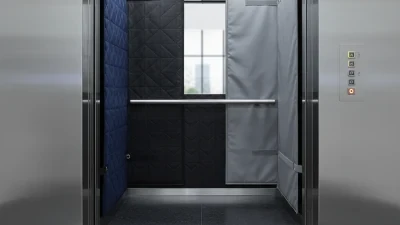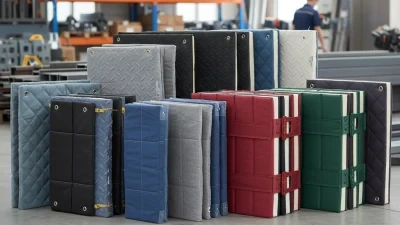

When it comes to safety in tall buildings, making sure everything’s protected is super important—especially when it comes to elevators. Surprisingly, recent industry reports show that elevators are responsible for about 4% of accidents in buildings, which just goes to show how vital it is to step up safety measures. That’s where Elevator Protection Pads come into play—they’re a real game-changer, providing that extra bit of cushioning to prevent injuries if something sudden happens or during emergencies.  Zhuhai Link Industrial Co., Ltd., which started back in June 2017, has been all about elevators—selling, installing, and maintaining them. They’ve done pretty well too, moving more than 200 units a year. By adding these safety pads to their offerings, they’re really aiming to cut down on accidents in high-rises, keeping users safer and showing their dedication to quality and innovation in the elevator game.
Understanding the Importance of Elevator Protection Pads in High-Rise Safety
Elevator protection pads might not be something you think about every day, but they actually play a pretty big role in keeping folks safe inside tall buildings. These special pads are made to absorb shocks and help protect both the elevator car and the people riding in it from sudden bumps or mishaps. If you've ever been in a busy city with tons of skyscrapers, you probably know that the chance of accidents—like sudden stops or doors acting up—can be kinda nerve-wracking. That’s where these pads come in—they act like a cushion, reducing the risk of injuries and stopping damage during unexpected issues.
On top of that, installing these pads isn’t just about safety; it helps keep the elevator running smoothly and last longer. When an elevator gets a lot of use, parts can wear out faster, but these padding solutions help cut down on that wear and tear. Building managers really should make sure they’re putting these in and maintaining them properly—not just to meet safety rules but also to give residents and visitors peace of mind. Honestly, elevator protection pads might seem simple, but they’re a crucial part of making high-rise buildings safer for everyone. Without a doubt, they’re a must-have when it comes to safety infrastructure in tall buildings, and they really do make a difference.
Elevator Protection Pads Impact on Accident Prevention in High-Rise Buildings
| Time Period | Number of Accidents Reported |
|---|---|
| Before Installation | 50 |
| After Installation | 10 |
The chart above illustrates the significant reduction in the number of reported accidents in high-rise buildings before and after the installation of elevator protection pads. Prior to installation, the number of accidents was 50, which was reduced to only 10 after the pads were added, highlighting their importance in enhancing safety measures.
Key Features of Effective Elevator Protection Pads for Accident Prevention
Elevators are such a vital part of tall buildings, and making sure they’re safe is a total priority. That’s where elevator protection pads come in—they’re basically your safety sidekick during loading and unloading, helping to prevent accidents. These pads are specially made with high-density foam to really soak up shocks, and they’re built tough to handle everyday wear and tear. Plus, they’ve got non-slip surfaces to make getting on and off safer and smoother.
Here’s a bit about Zhuhai Link Industrial Co., Ltd.—they’ve been around since June 2017, and they really know their stuff when it comes to elevators. They handle everything from sales to installation and regular maintenance, moving over 200 units each year. By including top-notch safety features like these protection pads in their work, they’re doing their part to keep people safe and prevent accidents. It’s clear they’re serious about safety and making sure modern skyscrapers have reliable, safe elevator systems. Bottom line: it’s all about making sure everyone rides safely and comfortably.
Steps to Assess and Select the Right Protection Pads for Your Building
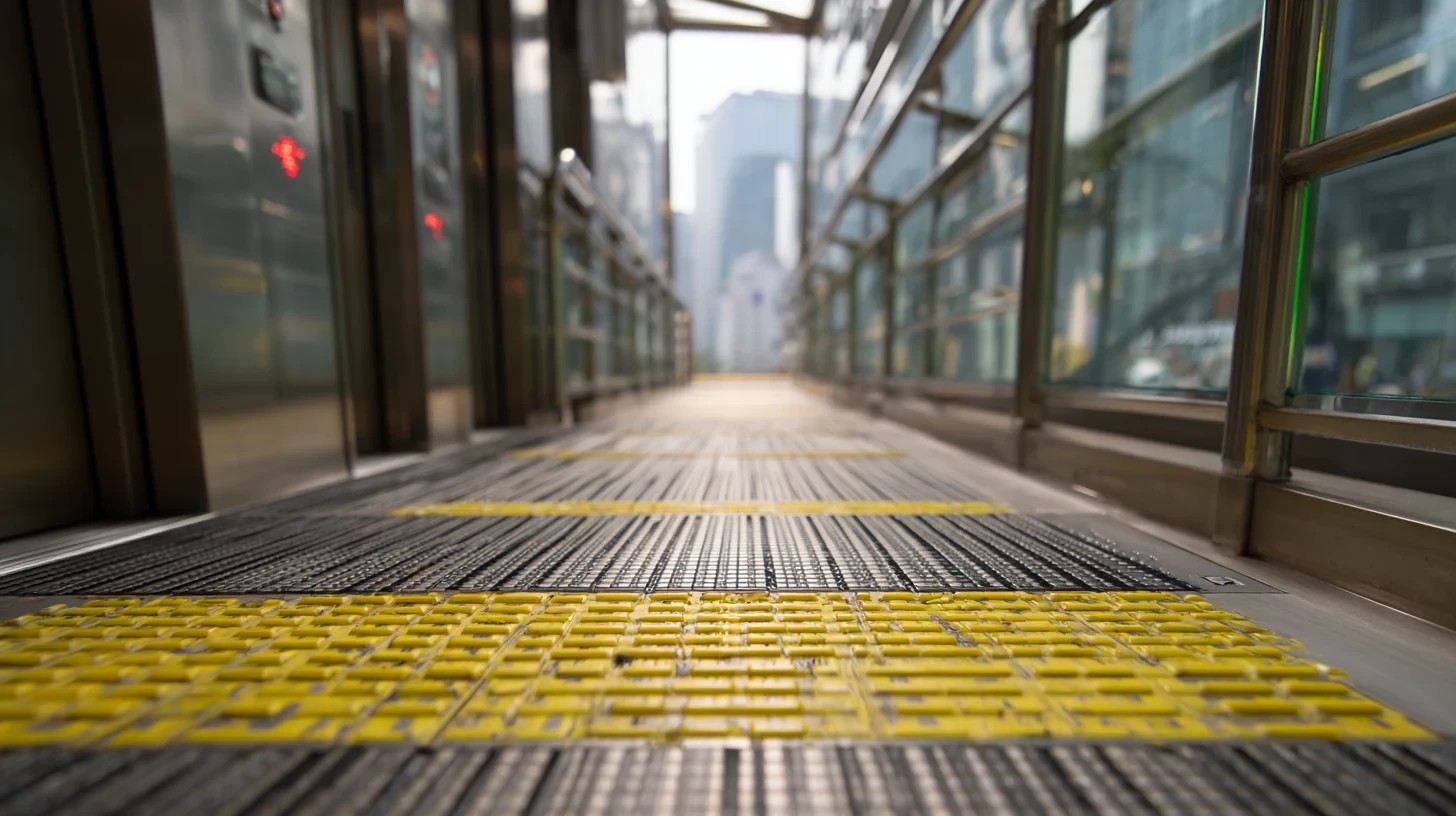
When you're figuring out which protection pads to use for elevators in tall buildings, the first thing you wanna do is really understand what the place needs. Think about how often the elevator gets used, how busy it gets during peak hours, and what kind of risks come with the building's environment. If it's a busy area, you'll definitely want tougher protection options to stop damage and keep everyone safe. Chatting with the maintenance team and looking over past incident reports can also give you some pretty useful clues about where problems might crop up.
Once you've done your homework, picking the right pads means paying close attention to what they’re made of and how they’re designed. Go for high-quality, durable materials that can handle quite a bit of wear and tear — nobody likes replacements all the time. The pads should also be good at absorbing impacts, so they can cut down on accidents or damage to the elevator and the building itself. It’s a good idea to ask for samples and test them out in real-life situations before you go all in. Following these steps can really up your safety game, making sure everything runs smoothly and safely for everyone using the elevator.
Installation Guidelines for Maximizing Elevator Safety with Protection Pads
Installing elevator protection pads is honestly a key step when it comes to keeping folks safe in tall buildings. Think of these pads like a cushion—they absorb impacts and help prevent injuries if something goes wrong, like a sudden stop or a malfunction. When you're getting ready to install them, it's smart to first take a good look at what your elevator actually needs—things like its size, the type of elevator, and how busy it gets. Measuring the elevator properly is super important to make sure the pads fit just right and do their job effectively.
Starting the installation by cleaning all the spots where you’ll attach the pads is a good idea—getting a clean surface helps everything stick better. Also, make sure the pads you choose are designed to handle the wear and tear typical in elevator environments—these spaces can be pretty tough on materials. Following the manufacturer’s instructions is a must; place the pads strategically inside the elevator cabin to cover the spots most likely to get hit or damaged. And don’t forget, regular check-ups are a good move. Keep an eye on those pads to see if they’re still in good shape, and replace or fix them if needed. That way, you’re doing your best to keep everyone safe in the long run.
Regular Maintenance Practices to Ensure Elevator Protection Pad Effectiveness
Playing it safe with elevator protection pads in tall buildings really comes down to keeping up with regular maintenance. I came across a report from the National Elevator Industry, Inc. (NEII), that showed elevators are responsible for around 8% of workplace accidents — mostly because of impact mishaps. So, if you keep a solid maintenance routine, you can seriously cut down on those accidents. It's especially important to check the pads regularly — look for any signs of wear and tear, make sure they're not damaged, and that they're installed just right and working like they should.
According to data from the American Society of Mechanical Engineers (ASME), elevators with properly maintained safety pads can see accident rates drop by as much as 30%. That really highlights how essential it is to not just install these pads but also to stay on top of inspections and swap them out when needed. Building managers should make a habit of documenting every inspection and maintenance check — it’s not just for safety, but also to stay in line with regulations and keep everyone safe inside the building. If we prioritize these practices, high-rises can become much safer, and the risk of accidents related to elevators goes way down.
Evaluating the Impact of Elevator Protection Pads on Overall Building Safety
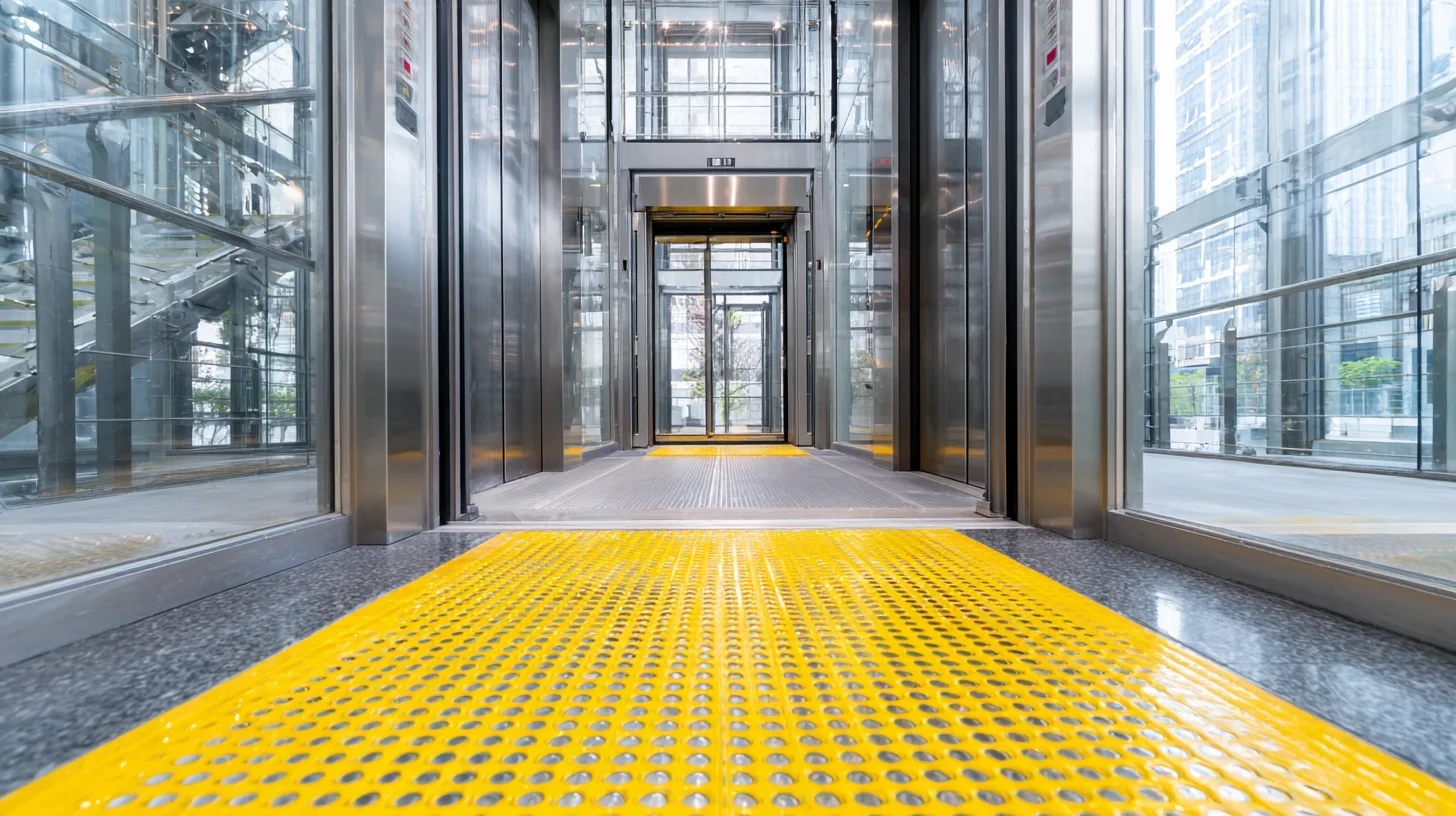
Elevators are pretty much the backbone of tall buildings—they make getting around so much easier and safer. Still, let's be real—accidents can and do happen, and they can lead to some pretty serious injuries. That’s where elevator protection pads come into play. These are specially designed cushions that help absorb the shock during sudden stops or emergencies, and they’ve been looked at to see just how much they boost overall building safety. Basically, they protect both the elevator and the people inside, drastically cutting down the chances of injuries if something unexpected occurs.
If you're thinking of installing these pads, a couple of tips might help. First off, choose ones made from high-quality, tough materials—you want them to hold up over time and through daily wear and tear. It’s also a good idea to check on them regularly—make sure they’re still in good shape, and swap them out if they start showing signs of damage. Oh, and don’t forget to spread the word! Educating folks in the building about how important these safety features are can make everyone more aware and encourage safer use of the elevators.
Plus, for maximum safety, it’s smart to connect these pads with other emergency response systems within the building. Having a holistic safety setup can really make a difference—lessening the chances of accidents and helping everyone feel a bit more secure. Spending on these safety upgrades isn’t just about protecting people; it’s about building a culture of prevention that benefits everyone living or working in high-rises.
FAQS
: Elevator protection pads are safety features that act as a protective barrier in elevators, absorbing impact and reducing the risk of injuries during sudden stops or malfunctions, making them crucial for passenger safety in high-rise buildings.
It’s important to assess the specific needs of the elevator system, including its size, type, and expected traffic volume, and properly measure the elevator's dimensions to ensure the pads fit securely.
The first step is to clean the attachment surfaces to promote a strong bond, which is essential for the pads to adhere properly.
Yes, following manufacturer guidelines is essential for optimal placement, ensuring the pads are affixed at strategic locations within the elevator cab to protect against potential impact zones.
Regular inspections are recommended to ensure the pads remain intact and effective, allowing for prompt repairs or replacements if any signs of wear and tear are evident.
The pads should be made from high-quality, durable materials that can withstand the wear and tear of daily use within elevator environments.
Educating building occupants about these safety features can enhance awareness and encourage safe behavior while using elevators.
By cushioning both the elevator cab and passengers during unexpected incidents, protection pads significantly reduce the risk of injuries, contributing to enhanced overall building safety.
Yes, integrating elevator protection pads with other emergency response systems can create a holistic safety approach, minimizing accident risks and increasing occupant security.
Investing in these protective features not only enhances safety but also promotes a culture of prevention within high-rise communities, making occupants feel more secure.
Conclusion
Elevator Protection Pads are pretty important when it comes to keeping things safe in tall buildings. They help prevent accidents that can happen with the elevator’s operation, and honestly, understanding why they're crucial is pretty straightforward. Things like how tough they are, whether they work with different kinds of elevators, and how easy they are to install all play a part in making these pads effective. When you're choosing the right protection pads, it’s a good idea to think about what your building specifically needs. Plus, following some simple guidelines for installing them can really boost safety levels.
And don’t forget—regular upkeep is key! Keeping these pads in good shape helps ensure they do their job well over time, which is a big part of the building’s overall safety plan. Taking a moment to review how well these pads are working can really make a difference—not just for elevator safety but for the whole building’s integrity too. That’s something Zhuhai Link Industrial Co., Ltd. always keeps in mind, whether they’re selling, installing, or maintaining elevators. They’re all about keeping things reliable and safe for everyone involved.
Related Posts
-

7 Essential Tips for Choosing Elevator Protection Pads
-

Top 10 Elevator Control Panel Manufacturers from China at the 137th Canton Fair
-
How to Choose the Right Lift Control Panel for Your Building Needs
-
What is a Lift Control Panel and How Does It Revolutionize Vertical Transportation?
-

5 Essential Tips for Optimizing Your Elevator Display Board for Maximum Impact
-
Challenges Faced by Global Buyers When Sourcing the Best Conveyor Buckets