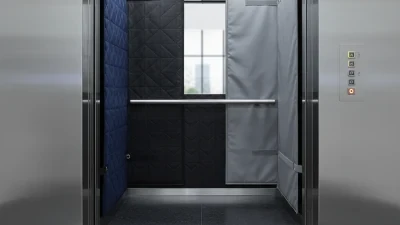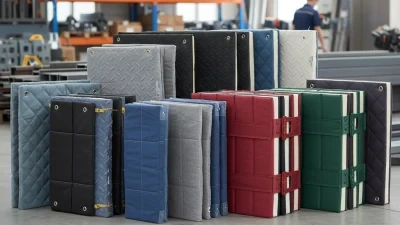

When it comes to protecting your elevator investments, Elevator Protection Pads really play a big role in keeping these essential transport systems both looking good and working smoothly. Here at Zhuhai Link Industrial Co., Ltd., we’ve been around since June 2017, and we totally get how important it is to safeguard elevators, especially during installation and maintenance. With our experience in selling, installing, and maintaining entire elevator setups—yeah, we move over 200 units a year—we’re pretty confident we can share some useful tips on picking the right Elevator Protection Pads. Choosing the right pads doesn’t just help your elevator last longer; it also keeps everything running seamlessly without unexpected damage. So, in this guide, I’m going to walk you through seven key tips to help you make smarter choices when selecting Elevator Protection Pads that suit your specific needs.

Understanding the Importance of Elevator Protection Pads
Elevator protection pads might not be the flashiest part of an elevator project, but trust me, they’re super important. These pads are essential for stopping any damage to both the elevator cab and the building itself, especially during installation or maintenance. They help cut down on wear and tear, which means your elevator could last a lot longer. The National Elevator Industry, Inc. (NEII) highlights that if you don’t handle these properly, repairs can become really costly — sometimes over $10,000 in the worst cases. So yeah, investing in good-quality protection pads is pretty much a no-brainer if you want things to run smoothly and save some money in the long run.

At Zhuhai Link Industrial Co., Ltd., we’ve been in the elevator game since 2017, handling sales, installation, and maintenance. We totally get why these protective measures matter. Over the years, we’ve seen firsthand how relying on trustworthy elevator protection pads can boost safety and make everything run more efficiently. Industry stats show that a good protection setup can slash maintenance costs by up to 30%. Picking the right pads not only helps your elevator last longer but also keeps things running smoothly, which means fewer repair calls and less hassle overall.
Evaluating Different Materials for Effective Protection
When you're looking at different materials for elevator protection pads, it's really important to think about how well they protect—not just that, but also what kind of environmental impact their production and disposal might have. Lately, everyone's been talking about advanced lightweight materials, especially in industries like construction, because they can cut down on overall weight without sacrificing strength or durability. Stuff like high-strength plastics and composite materials are pretty impressive—they not only handle impacts really well, but they also fit into the whole circular economy idea, helping reduce waste and boost sustainability.
If you take a closer look at building materials, it’s clear that choosing innovative shielding options can really improve the lifespan and performance of elevators. For instance, materials that resist corrosion and wear can make maintenance easier and less frequent—which is a big deal for us at Zhuhai Link Industrial Co., Ltd., since we handle around 200 elevator installations a year. Some reports even suggest that using lightweight composites can cut down the total lifecycle costs because they last longer and don’t need to be replaced as often. So, when it comes to picking the right materials for elevator protection pads, staying up-to-date with the latest breakthroughs in material science can make a huge difference—helping us stay efficient and environmentally responsible at the same time.
Determining the Right Size and Dimensions for Your Elevators
When you're picking out elevator protection pads, figuring out the right size and dimensions is pretty important if you want to keep everything safe during transport. I read somewhere (thanks to the Elevator Escalator Safety Foundation) that using pads that don’t quite fit can actually cause more damage—not just to the elevator car itself, but also to the inside of the building. To get it right, you’ll want to pay attention to things like the height and width of the elevator’s interior, plus how much weight the pads need to support when things are moving.
here’s a quick tip: measure the inside of your elevator carefully, making sure to account for anything like fixtures or equipment that might take up space. A good rule of thumb is to go for pads that are just a little smaller than the actual dimensions — this way, they’ll be easier to install and fit snugly.
Another thing to keep in mind is choosing pads made from tough, durable materials. According to a study by the National Elevator Industry, Inc., investing in high-quality pads can actually cut down repair costs by up to 30%.
here’s a bonus tip: look for pads with reinforced edges and non-slip surfaces—that makes things safer during operation. And if possible, go for pads that can be customized to fit your specific elevator model. That way, you get a perfect fit and maximum protection from potential damages.

Assessing Cost vs. Quality in Elevator Pad Selection
When you're picking out elevator protection pads, it’s really about finding that sweet spot between cost and quality. Sure, high-quality pads might seem pricier upfront, but they can seriously cut down on wear and tear—something that’s super important if your elevator gets a lot of use. I read a report from the Elevating Devices Safety Association (EDSA) that mentioned investing in better pads can actually extend the life of your elevator’s interior by up to 30%. That’s a pretty big deal because it can save you a good chunk of cash on maintenance and repairs down the line.
That said, I get it—those fancy, high-quality pads can be a tough sell when your budget’s tight at the moment. A 2023 industry review in the Journal of Vertical Transportation pointed out that many businesses tend to focus on the initial price, without thinking about what the long-term costs might be. Turns out, skimping on quality can lead to more frequent repairs, damage, or elevator downtime, which might end up costing more overall than if you’d just gone for the better protection from the start. So, when you’re choosing pads, it’s really worth considering both the upfront cost and what you’ll save over time. Making that smart call helps keep your elevators safer and running longer—definitely worth the effort!
Tips for Installation and Maintenance of Protection Pads
When you're installing elevator protection pads, it's really important to get everything prepped just right to make sure they work well. First off, take your time measuring the inside of the elevator—you want the pads to fit nice and snug against the walls and any other surfaces. Don't forget to clean those spots first, removing any dust or gunk because that can mess with how well the pads stick. Depending on what kind you pick, you might also need some glue or fasteners, so have those ready too. And whatever instructions the manufacturer gave, be sure to follow them—it’ll save you a lot of headaches trying to do things the right way.
On the flip side, keeping an eye on those pads once they’re in is just as important. Regularly check for any signs of wear—like fraying or if they start peeling off—and give them a good clean now and then to stop dirt from building up, which can weaken their protective power. If you notice any damage, don’t hesitate to replace the pads sooner rather than later. It’s especially smart to do this if the elevator gets a lot of use, so nothing gets worse or causes trouble. Setting up a routine maintenance schedule might seem like a hassle, but trust me, it really helps keep your elevator in tip-top shape and makes sure those protection pads keep doing their job effectively.
How to Choose Pads Based on Elevator Usage Frequency
When you're picking out elevator protection pads, it's pretty important to think about how often the elevator gets used. If you’re dealing with busy commercial buildings where the elevator’s running all day long, you'll want pads that are super tough and can handle a lot of impact. Look for ones made from high-density foam or reinforced materials—stuff that won’t wear out easily with all that constant use. Also, don’t forget to choose pads that are easy to clean and maintain because with heavy traffic, dirt and grime tend to build up pretty quickly.
On the flip side, if the elevator isn’t used all that much, lighter and more budget-friendly pads might do the trick. They can be made from less heavy-duty materials since they’re not taking as much impact. But, it’s still important to make sure they protect against scratches and dents—that’s kind of a no-brainer. Also, pay attention to how they’re designed and attached; you want something that stays put without blocking the elevator’s operation.
At the end of the day, matching the type of protection pads to how often the elevator is used will really help keep it looking good and functioning properly over time.
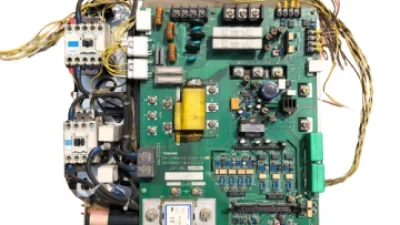
Market Analysis of Elevator Spare Parts: The Significance of Driver Board PB-IPM200A UCE6-93B in Modern Lift Systems
Elevator systems have become an integral part of urban infrastructure, enabling seamless vertical transportation in skyscrapers and commercial buildings. Within these sophisticated mechanisms, the Driver Board PB-IPM200A UCE6-93B plays a crucial role. This component not only ensures the smooth operation of elevators but also enhances their overall safety and efficiency. As the heart of the motor control system, the PB-IPM200A facilitates precise power management, allowing for responsive acceleration and deceleration that benefits both passenger comfort and energy conservation.
The market for elevator spare parts is witnessing significant growth, driven by the increasing demand for modern Lift systems equipped with advanced technology. The significance of components like the Driver Board PB-IPM200A cannot be overstated, as they are essential for maintaining the operational integrity of elevators. With advancements in technology and the rising expectations for performance, investing in high-quality spare parts has become vital for elevator manufacturers and service providers. As a result, firms that prioritize the procurement of such critical components can capitalize on the escalating market trends and ensure the durability and reliability of their lift systems.
FAQS
: Elevator protection pads are essential for protecting the elevator cab and building from damage during installation or maintenance. They help minimize wear and tear, extend the lifespan of elevator systems, and prevent costly repairs.
High-quality elevator protection pads can reduce maintenance costs by up to 30% by protecting the elevator system from wear and tear, thus enhancing durability and operational efficiency.
Using inferior protection pads can lead to increased lifecycle costs due to damage repairs and downtime that can exceed the initial savings from purchasing cheaper pads.
For elevators with heavy daily traffic, opt for pads made from high-density foam or reinforced materials for durability. For infrequently used elevators, lighter, cost-effective pads may suffice, provided they offer adequate protection.
For elevators that experience heavy use, look for pads made from high-density foam or reinforced materials that provide superior durability and impact resistance.
Yes, for high-frequency usage elevators, choose pads that are easy to clean and maintain, as they are more likely to accumulate dirt and grime.
Improper handling without protection pads can lead to significant damage, potentially costing repairs of over $10,000 in severe cases.
By safeguarding the elevator's interior and reducing wear and tear, quality protection pads can enhance operational efficiency and prolong the elevator's effective lifespan.
While high-quality protection pads may have a higher upfront cost, they can lead to substantial savings on maintenance and repair costs over time, making them a worthwhile investment.
Ensure that the pads are designed to remain securely in place, do not obstruct elevator functionality, and adequately protect against scratches and dents.
Conclusion
In the busy world of elevator services, choosing the right Elevator Protection Pads really matters if you want your system to last and keep working smoothly. Getting a handle on why these pads are so important starts by looking at different materials—it's all about finding what works best to protect against wear and tear. You also gotta pick the right size and shape that fit your specific elevator models, and don’t forget to strike a good balance between cost and quality—that’s key to getting the best performance. Oh, and if you know how to install them properly and keep up with maintenance, you’ll definitely extend their lifespan. Plus, thinking about how often your elevator gets used can help you pick the perfect pads for what you need.
Here at Zhuhai Link Industrial Co., Ltd., we really get that choosing the right protection pads isn’t just about protecting your investment—it also helps your elevator run more efficiently. Since we started back in 2017, we’ve become pretty experienced in sales, installation, and maintenance. We’re all about helping our clients understand the importance of these tiny components, so you get top-notch service every time you work with us.
Related Posts
-
Leading Elevator Component Manufacturers from China at the 137th Canton Fair
-

Unlocking Efficiency: A Comparative Analysis of Ai-Powered Elevator Controllers vs. Traditional Systems
-

How the Best Elevator Components Enhance Safety and Efficiency in High-Rise Building Applications
-

Resilient Growth of Chinese-Made Elevator Control Panels Amidst US-China Tariff Challenges
-

7 Essential Elevator Parts Every Global Buyer Must Know
-

Mastering the Essentials: A Comprehensive Tutorial on the Best Elevator Display Boards for Global Buyers