In today’s fast-changing world of building management, using the latest tech isn’t just a nice-to-have anymore—it’s pretty much essential. I mean, if you’ve read the recent industry reports, you’ll see that the global market for smart elevators is expected to hit around $30 billion by 2027. That’s mainly because folks are really craving more efficiency and convenience when it comes to getting up and down buildings.  One of the coolest innovations lately is the AI-powered elevator controller, which actually makes elevators smarter—cutting down wait times, running more efficiently, and even predicting maintenance issues before they become a problem. And speaking of companies leading the charge, Zhuhai Link Industrial Co., Ltd., has been around since 2017, focusing on selling, installing, and maintaining elevators. They’re doing really well, with their annual sales topping 200 units. In this post, I want to compare these new AI elevator controllers with the traditional systems—we’ll see how these tech advancements can really help buildings run smoother and better meet the needs of modern life.
The Evolution of Elevator Systems: Bridging Tradition and Innovation
You know, the way elevator systems have evolved really shows how tradition and innovation go hand in hand. I mean, early elevators relied on tried-and-true mechanics that focused mainly on getting the job done reliably. But now, with AI stepping into the picture, things are looking totally different—and honestly, pretty exciting. These new AI-driven controllers are not just speeding up trips; they’re also learning from how people use them, making the whole experience smoother and more personalized.
Looking ahead, it’s pretty clear that the smart elevator market’s gonna grow a lot, especially as more AI gets integrated. This shift promises to bring bigger efficiencies and better service in buildings everywhere. As more construction projects pop up, I think we’ll see smart elevators becoming the norm, smoothly blending traditional designs with what our modern urban lifestyles demand. In the end, this evolution kinda shows how human needs and tech are teaming up—making elevators not just simple transport devices, but key parts of smart, accessible infrastructure that make city living easier and more efficient.
Understanding AI-Powered Controllers: Features and Benefits in Elevators
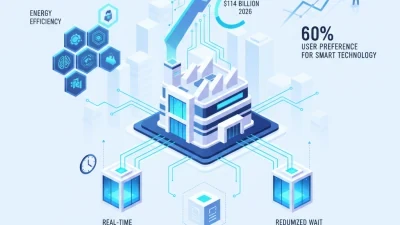
As cities keep getting more crowded, you can definitely feel the pressure to improve elevator systems. These days, AI-powered controllers are really making waves as a game-changer. They use smart algorithms — you know, machine learning stuff — to guess when people are gonna need the elevator and tweak things on the fly. The result? Faster rides and less waiting. I read somewhere that the global market for AI in elevators could hit around 1.2 billion dollars by 2025, growing at nearly 25% annually. That’s pretty quick, and it shows how much the industry is shifting to tech that makes everything run smoother.
One of the coolest things about these AI controllers is how well they can analyze how people use the elevators and then adapt to what the building actually needs. Old-school systems basically follow set schedules and pre-programmed responses, which can be clunky — especially in busy buildings. But with AI? They can cut wait times by up to 30%, according to a study from the International Council on Systems Engineering. Basically, these systems learn from past patterns, can predict busy times, and allocate resources accordingly. It’s not just about convenience; it also helps save energy by cutting down usage during quieter times, making the building more eco-friendly. All in all, it’s a smart move for making elevators faster, more efficient, and better for the planet — kind of exciting, isn’t it?
Traditional Elevator Systems: Limitations and Challenges Explained
You know, traditional elevators, while they get the job done, do have their fair share of issues that can slow things down a bit. I came across a recent report from the International Elevator and Escalator Industry, and it highlighted that these older systems often have pretty long wait times—mainly because their dispatching methods aren’t all that great. They usually rely on predefined algorithms that can’t really keep up with how many people are actually using them at the moment. So, during those busy rush hours, things can get pretty frustrating. Plus, a study from the National Institute of Standards and Technology mentioned that conventional elevators use about 0.5 kWh per trip on average, which adds up, making operational costs higher and increasing their environmental impact. Not great, right?
If building managers want to get these systems running more smoothly, there are a few tips worth considering. For starters, regular maintenance is key—keeping everything in good shape helps cut down on unexpected breakdowns and keeps performance steady. Then, taking a close look at traffic patterns during those peak times can really help in optimizing how the elevators are routed, even with the older tech. And, if possible, retrofitting existing elevators with modern controls—things that allow for some adaptive functions—can make a noticeable difference until a full upgrade to AI-powered systems is doable.
By facing these challenges head-on and making a few smart adjustments, stakeholders can significantly improve the performance of traditional elevator systems, all while paving the way for newer, smarter solutions down the line.
Efficiency Metrics: Comparing Performance between AI and Traditional Controllers
As more and more people are pushing for better building efficiency, it's pretty interesting to see how AI elevator controllers compare to the traditional ones. Lately, industry reports have been saying that AI-powered systems can boost elevator efficiency by as much as 30% compared to the old-school models. I read a study from the National Institute of Standards and Technology, and it showed that adding AI to Lift management can really cut down wait times thanks to smarter predictive analytics.
Then there's the International Institute of Elevator Engineers, which points out that traditional systems rely on fixed algorithms. That means during busy hours, people end up waiting longer. On the flip side, AI systems actually learn from how people use the elevators and adapt on the fly, managing traffic with pretty impressive accuracy. Plus, all this smarter management helps save energy, with AI systems reducing power use by around 25%. As buildings keep focusing on being more sustainable and giving users a better experience, moving towards AI-driven solutions isn’t just a passing trend anymore — it’s kind of like a necessity for modern infrastructure.
Real-World Applications: Case Studies of AI Implementation in Elevators
Lately, we've seen how AI-powered elevator controllers are really shaking up the vertical transportation game. When you compare them to the old-school systems, the difference is pretty clear—things are way more efficient and passengers tend to have a better experience. For example, there was this case study at the International Elevator and Escalator Conference that showed AI can cut down wait times by up to 30%. That’s a huge deal, especially during rush hours when elevators get crowded. Big names like Schindler and OTIS have also shared similar insights, pointing out that AI really helps with predictive maintenance—meaning less downtime, around 20% less, based on what Elevator World magazine reported.
One cool example is in smart buildings, where AI algorithms actively adjust elevator routes based on real-time data about passenger flow. Not only does this make the whole system run smoother, but it also helps save energy by avoiding unnecessary trips. In fact, a report from the Global Elevator and Escalator Market suggests that buildings with these AI systems see energy savings of anywhere from 15 to 25%.
**A quick tip:** If you’re thinking about upgrading to AI-driven elevators, it’s a good idea to look at your building’s current traffic patterns first. That way, you can really make the most of what AI has to offer.
**Another tip:** Team up with your tech providers early on to make sure everything integrates smoothly. This way, you’ll get the most out of improved efficiency and reliability.
Future Trends: The Role of AI in Shaping Elevator Technology
So, you know how elevators have been around forever, right? Well, lately, stuff like artificial intelligence is really changing the game. It’s like giving elevators a brain of their own! According to a report from MarketsandMarkets, the global market for AI in elevators is set to hit around $4.5 billion by 2025, growing pretty fast with a yearly rate of about 25%. The reason? Well, as cities get smarter and space gets tighter, buildings want to run smoother and save energy — which is where AI just shines. These AI-powered elevator systems can analyze real-time data to figure out the quickest routes and cut down wait times, making the old-school systems seem kind of outdated now.
And here’s the cool part — in the future, AI is going to be a huge help in predicting problems before they even happen. McKinsey & Company says that predictive maintenance could slash maintenance costs by up to 30% and make equipment last longer. Basically, AI looks at how the elevator’s used, spots potential issues early, and helps fix things before they break down. It’s a big step up from the traditional way of doing scheduled fixes. As the demand for smarter, more efficient buildings keeps climbing, AI’s role in elevator tech is only going to grow. It's a pretty exciting shift in how we think about moving up and down in buildings these days.
Maximize Efficiency and Safety with Sch**dler Elevator Parts: Explore the 5500 Lift Power Board
In today’s fast-paced urban environments, maximizing efficiency and safety in elevator systems is crucial. The Sch**dler 5500 Lift Power Board stands out as a key component in achieving these goals. Recent industry reports show that elevators equipped with advanced power boards demonstrate a 20% increase in operational efficiency and a significant reduction in downtime, leading to enhanced user experience and satisfaction.
The Sch**dler 5500 Lift Power Board integrates cutting-edge technology designed to optimize energy consumption while ensuring the safety of passengers. According to the International Elevator and Escalator Industry report, over 30% of elevator-related incidents are attributed to outdated control systems. By upgrading to the Sch**dler 5500 system, operators not only comply with stringent safety regulations but also reduce risk factors associated with mechanical failures.
Equipping your building with the Sch**dler 5500 Lift Power Board reflects a commitment to high standards of safety and efficiency. With its smart diagnostic capabilities, this system allows for proactive maintenance scheduling which can extend the lifespan of the elevator. As the demand for safe and reliable vertical transportation continues to rise, investing in modern components like the Sch**dler 5500 Power Board is an essential step for property managers aiming to elevate operational performance.

ID 59413477 5500 lift power board Sch**dler elevator parts
FAQS
: Traditional elevator systems often face issues such as prolonged wait times due to inefficient dispatching methods that do not adapt to real-time passenger demand, and they have high energy consumption averaging 0.5 kWh per trip, leading to increased operational costs and a larger carbon footprint.
Building managers can enhance efficiency by regularly maintaining the systems to reduce downtime, analyzing traffic patterns during peak hours to optimize elevator routes, and retrofitting existing elevators with modern controls for basic adaptive functions.
AI integration in elevator systems has resulted in significant improvements in efficiency, including optimized waiting times that can be reduced by up to 30% and lower downtime by approximately 20% due to enhanced predictive maintenance.
In smart buildings, AI algorithms dynamically adjust elevator routes based on real-time passenger data, streamlining operations and reducing unnecessary trips, which has led to energy consumption decreases of 15-25%.
The smart elevator market is expected to see substantial growth driven by increased AI integration, which will improve service delivery and efficiency in buildings as construction activities rise.
When upgrading to AI systems, it is essential to assess current building traffic patterns to maximize AI's predictive capabilities and collaborate with technology providers for seamless integration.
AI technology contributes to energy savings by minimizing unnecessary trips and optimizing routes based on real-time data, leading to reduced overall energy consumption.
Traditional elevator systems continue to serve as foundational transport mechanisms while the industry transitions toward smart solutions, highlighting the need for improved efficiency and functionality.
AI-powered controllers adapt to user patterns, optimizing travel times and reducing wait times, thereby significantly enhancing the overall user experience in vertical transport systems.
Conclusion
You know, as elevator tech keeps evolving, the jump to AI-powered controllers really feels like a big step up from the old-school systems. These smart controllers come with all sorts of features that not only boost efficiency but also make the whole user experience way better. Once you start looking at how traditional elevators have their limits, it’s pretty clear just how revolutionary AI can be. For example, the way AI handles problems on the fly and cuts down on energy use is pretty impressive—it's honestly a game-changer for how cities manage their infrastructure.
We've seen this in action in real-world applications, where AI-powered elevator controllers do a great job of making operations smoother and tackling the issues that come with older setups. Looking ahead, AI isn’t done yet—it’s bound to push elevator tech even further, making it smarter and more responsive. Here at Zhuhai Link Industrial Co., Ltd., we're really excited about the potential of AI to transform our elevators, keeping us aligned with the latest industry advancements and trends.
Related Posts
-

Essential Tactics for Maximizing Impact with Elevator Display Boards
-

Discover the Next Generation of Elevator Switches for Enhanced Safety and Efficiency
-
Essential Checklist for Choosing the Best Elevator Controls Corp Solutions
-
Maximizing Value with Best Elevator Control Panels through Superior After Sales Support and Maintenance Savings
-
Future of Elevator Technology in 2025 Embracing Best Anti-Microbial Solutions
-
Elevator Door Sensor Innovations Shine at 2025 Canton Fair with Record International Participation