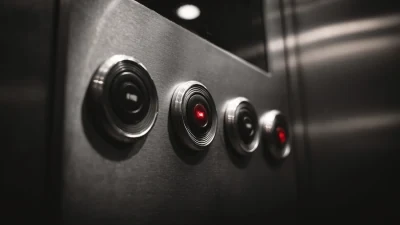
 Hey there! As we gear up for 2025, it’s pretty exciting to think about how elevator technology is set to change in some amazing ways—especially when it comes tohealth and hygiene. You know, it’s become super important for elevator makers and service companies to embrace the latest anti-microbial solutions, like those cool Anti-Microbial Elevator Buttons. At Zhuhai Link Industrial Co., Ltd., which we kicked off back in June 2017, we totally get how crucial it is to weave these innovations into our wide range of sales, installation, and maintenance services for elevators. With over 200 units flying off the shelves every year, we’re all about making the user experience better while keeping safety and cleanliness front and center. In this blog, I'm going to show you how to track down quality suppliers for these cutting-edge components. Plus, we'll chat about the best strategies to add those anti-microbial features to your elevators, helping you stay ahead in the modern elevator game!
The Importance of Anti-Microbial Solutions in Elevators: Industry Insights
You know, over the last few years, we’ve really started to pay attention to the role of anti-microbial solutions in elevators, especially with public health worries on the rise. I mean, elevators can get super crowded and feel pretty claustrophobic, right? It’s no wonder they can pick up all sorts of germs because they’re used so often. That’s why adding anti-microbial coatings and materials into elevator designs isn’t just a nice-to-have—it’s becoming a must for keeping everyone safe. These clever solutions help stop harmful microbes from hanging around on surfaces, which is a big deal in shared spaces where we all come and go.
Industry experts are noticing that manufacturers are really ramping up their investments in research and development to come up with better anti-microbial options. They’re swapping out traditional materials for high-tech composites that don’t just hold their shape but also do a solid job of fighting off bacteria and viruses. Plus, with all these smart technologies popping up in elevators, there’s a new ability to keep tabs on things like air quality and surface cleanliness, which is setting a whole new benchmark for what clean and safe should look like. Looking ahead to 2025, I think it’s safe to say that these anti-microbial innovations will be a big part of modern elevator systems, helping create a healthier, more user-friendly space for everyone.
Future of Elevator Technology in 2025: Embracing Best Anti-Microbial Solutions
| Year | Adoption Rate of Anti-Microbial Solutions (%) |
|---|---|
| 2021 | 15 |
| 2022 | 30 |
| 2023 | 45 |
| 2024 | 60 |
| 2025 | 80 |
This chart illustrates the anticipated increase in adoption rates of anti-microbial solutions in elevator technology from 2021 to 2025. As the importance of sanitation and hygiene continues to rise, the industry is projected to see a significant increase in the implementation of these solutions, reaching an 80% adoption rate by 2025.
Key Statistics on Elevator Usage and Pathogen Transmission Risks
As we get closer to 2025, it's clear that the future of elevator technology is not just about making our lives easier; it's also about keeping us safe and healthy. You know, with everyone more aware of how germs can spread, especially in tight indoor spaces, it’s really important to think about the risks of using elevators. Some recent studies even show that those elevator buttons might be crawling with more bacteria than your average toilet. Yeah, that’s a bit alarming for public health officials! So, it’s high time we find some smarter solutions to tackle these issues head-on.
There are some cool new technologies popping up that aim to protect people from infections. Take touchless elevator buttons, for instance. They’re a great example of how we can create a cleaner experience by cutting down on surface contact. Plus, research is showing that the coronavirus spreads more easily in enclosed spaces, which makes elevators pretty much a prime spot for transmission. In response to all this, it’s essential for companies to focus on incorporating anti-microbial options and better ventilation systems to keep passengers safe. I mean, think about it: elevators rack up around 7 billion rides every single day! That really highlights how urgently we need to step up our health measures in these critical transit spots.
Emerging Anti-Microbial Technologies: Materials and Their Efficacy in 2025
As we peek into 2025, it’s pretty exciting to think about how new anti-microbial tech is about to shake things up in elevator systems, right? These fresh innovations include all sorts of materials, like copper alloys, silver-infused coatings, and some fancy polymers that actually stop nasty bacteria and viruses in their tracks. Nowadays, with everyone so focused on health, these materials not only do their job well but they also look good, fitting right into the sleek designs of modern elevators while giving us that extra bit of protection.
When you're thinking about the best anti-microbial solutions for elevator tech, remember to check out how effective the materials are against a wide range of germs and how durable they are. It’s key to find coatings that can hold up over time and don’t wear out easily – no one wants to worry about that! Plus, it's super important to think about how eco-friendly your choices are. Going for sustainable materials not only keeps users safe but also helps us be a little kinder to our planet.
And hey, ongoing testing and certification of these technologies are going to be crucial if we want to prove they really work in the real world. Elevator operators should definitely look for partnerships with manufacturers they can trust, ones that follow stringent safety standards. That way, we can be sure that the solutions we implement actually deliver the health benefits we promise to our passengers, all while making their experience in elevators that much better.
Regulatory Standards and Certifications for Anti-Microbial Elevator Features
As we get closer to 2025, it’s pretty clear that more and more people are looking for elevators with anti-microbial features. You know, with everybody being so aware of hygiene and safety in public spaces these days, it makes sense. Take ISO 22196, for example—it’s a standard that checks how well certain plastic surfaces fight off germs. This kind of stuff is really guiding manufacturers to come up with safer, more effective elevator solutions. According to a recent report from MarketsandMarkets, the global market for anti-microbial coatings is expected to jump from $4.4 billion in 2020 to a whopping $7.7 billion by 2025! That’s a pretty significant shift toward using materials that actively tackle pathogens in our buildings.
On top of that, initiatives like the Healthier Hospitals Initiative, or HHI for short, are pushing for the adoption of anti-microbial elevator technologies. They’ve got a framework that helps evaluate and improve how hygienic different building materials are. I mean, let’s face it—elevators are high-touch areas, right? So it’s crucial to have serious disinfectant measures in place. By adding anti-microbial surfaces, we can actually cut down the chances of germs spreading by up to a whopping 99%!
As health becomes more and more of a priority for public transport systems, manufacturers are really feeling the pressure to keep up with these standards. And with advancements in nano-technology and some innovative material science on the rise, it’s not just about getting us from one floor to another anymore; it’s also about making sure we have healthier environments in our elevators. Quite a shift, don’t you think?
Future of Elevator Technology in 2025 Embracing Best Anti-Microbial Solutions - Regulatory Standards and Certifications for Anti-Microbial Elevator Features
| Feature | Description | Regulatory Standard | Certification Body | Implementation Year |
|---|---|---|---|---|
| Anti-Microbial Coatings | Surface coatings that inhibit microbial growth on touch areas. | ISO 22196 | International Organization for Standardization | 2025 |
| Anti-Microbial Panels | Wall panels designed with anti-microbial properties for elevators. | ASTM E2180 | ASTM International | 2025 |
| UV-C Light Systems | Automated UV-C light systems to sanitize elevator interiors. | CDC Guidelines | Centers for Disease Control and Prevention | 2024 |
| Smart Sensors | Sensors that monitor elevator usage and optimize cleaning cycles. | ISO 45001 | International Organization for Standardization | 2025 |
| Touchless Controls | Voice or motion-activated controls reducing contact points. | EN 81-20 | European Committee for Standardization | 2025 |
Case Studies: Successful Implementation of Anti-Microbial Solutions in Modern Elevators
You know, as we make strides in elevator tech, there's been a real push for anti-microbial solutions, and it's become such a hot topic for manufacturers and businesses alike. Some recent studies have pointed out that elevators can actually be major culprits when it comes to spreading germs. Think about it—so many people touch the buttons and handrails all the time! It's wild to consider that, according to the World Health Organization, about 80% of infectious diseases spread just by touching things. This really drives home how essential it is to include effective anti-microbial solutions in the design of modern elevators.
Looking at some real-world examples, major elevator companies are already stepping up. Take OTIS, for instance—they've started using copper-infused materials in their elevators, and guess what? It's been shown to knock down microbial presence by a staggering 99.9% in just two hours! And then there's Thyssenkrupp, who are bringing silver-ion technology into their systems, making huge strides in keeping things clean and ensuring user safety. These kinds of innovations not only raise the bar for hygiene but also help people feel more comfortable using elevators in busy places. It’s seriously paving the way for a healthier future in vertical transportation, and they're aiming to make this happen by 2025!
Future Trends: Integration of Smart Technology for Enhanced Elevator Hygiene
Looking ahead to 2025, it’s clear that the elevator industry is gearing up for some pretty big changes, especially when it comes to hygiene. With smart technology coming into play, we can expect a whole new level of cleanliness and safety in our elevators. Imagine sensors and AI systems that actually keep track of how many people are using the elevator and when, which means cleaning can be done just right when it's needed most. This means building managers can make sure that those surfaces we touch all the time are sanitized perfectly, cutting down the chance of spreading those pesky germs.
And it doesn’t stop there! We're also going to see some cool anti-microbial materials popping up. Think surfaces that are coated with nano-silver or copper compounds; these are going to be the norm. They actively fight off bacteria and viruses, giving us that extra layer of protection. This kind of forward-thinking not only keeps us safe in the moment but also gives us peace of mind in the long run. The combo of smart tech and these advanced materials is really going to change how we experience elevators, setting new hygiene standards that are super relevant in a post-pandemic world.
Elevate Your Lift: The Essential DBA26800CR3 LCD Display Board for OTIS Elevator Parts and Accessories
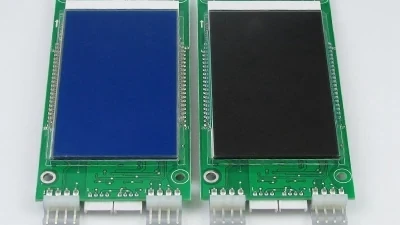
The importance of reliable components in elevator systems cannot be overstated, especially when discussing the OTIS Elevator Parts and Accessories. Among these essential components, the DBA26800CR3 LCD Display Board stands out as a crucial part that enhances both functionality and user experience. According to a report by the International Association of Elevator Engineers, over 30% of elevator malfunctions are attributable to faulty display boards and electronic controls. This statistic underscores the need for high-quality components like the DBA26800CR3, which ensure seamless operation and optimal performance.
The DBA26800CR3 LCD Display Board features a user-friendly interface that provides real-time information regarding the elevator status, thus improving communication between the elevator system and its users. With advancements in technology, modern display boards require not only durability but also the ability to integrate with additional smart systems. The DBA26800CR3 meets these requirements, offering compatibility with various OTIS models and a robust design that stands the test of time. In fact, data from the Elevator World magazine indicates that incorporating advanced electronic components can reduce downtime by up to 25%, highlighting the long-term benefits of investing in quality display boards.
Moreover, the trend toward smart elevators is reshaping the industry, as reported by the Global Elevator Market Analysis. As companies strive to enhance operational efficiency and user experience, components like the DBA26800CR3 become essential. This display board not only contributes to improved navigation for passengers but also plays a significant role in the predictive maintenance of elevator systems, allowing for proactive rather than reactive repairs. Thus, for both new installations and retrofits, the DBA26800CR3 LCD Display Board represents an investment in safety, reliability, and cutting-edge technology in the elevator industry.
FAQS
: Anti-microbial solutions are essential in elevators because these enclosed spaces can serve as breeding grounds for pathogens due to high-frequency usage, increasing the risk of illness transmission.
Anti-microbial coatings work by inhibiting the growth of harmful microbes on surfaces, thereby reducing the likelihood of pathogen transmission in shared environments.
Manufacturers are investing in research and development to create advanced composite materials that not only maintain structural integrity but also effectively neutralize bacteria and viruses.
Smart technology, including advanced sensors and AI-driven monitoring systems, will allow for real-time detection of usage patterns and occupancy levels, facilitating optimal cleaning schedules.
Data analytics will help building management ensure that high-touch surfaces are sanitized with precision based on real-time usage patterns, minimizing the risk of harmful microbe transmission.
Surfaces coated with nano-silver or copper-infused materials are anticipated to become common in elevators, actively inhibiting the growth of bacteria and viruses.
The combination of smart technology and advanced anti-microbial materials will enhance user experiences by establishing new benchmarks for hygiene and safety in elevators.
By 2025, the elevator industry is expected to significantly transform through the integration of smart technologies and proactive anti-microbial solutions, ensuring a healthier environment in elevators.
Implementing anti-microbial solutions provides immediate protection against pathogens and fosters a lasting sense of safety for users in public and shared spaces.
The focus on elevator hygiene is rising due to heightened public health concerns, emphasizing the need for cleanliness and safety in shared environments like elevators.
Related Posts
-
Future Innovations in Elevator Button Panels: Trends to Watch in 2025
-
The Evolution of Elevator Motor Technology for Global Industrial Leaders
-
Global Suppliers Choose Us for the Best Elevator Control Panels Made in China
-
Exploring Innovations in Lift Control Panel at the Expanding International Trade Landscape of the 137th Canton Fair
-

5 Essential Features You Must Know About Elevator Wall Protection Pads
-

Exploring the Unique Features and Applications of Hitachi Elevator Parts