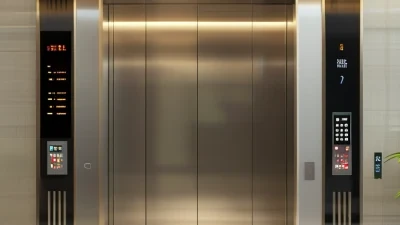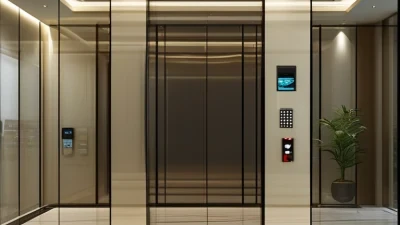
In today's rapidly changing world of elevators, having a solid Elevator Display Board isn't just nice to have—it's essential for giving users a better experience and keeping things running smoothly. Zhuhai Link Industrial Co., Ltd., a key player in the elevator game, doesn’t just sell, install, and maintain elevators; we also offer some really awesome display solutions tailored to meet the diverse needs of clients around the globe. Since we kicked things off back in June 2017, we've made some serious strides, racking up sales of over 200 units a year! In this handy guide, we're going to break down what makes the best Elevator Display Boards out there, highlighting their features and benefits to help you make smart choices that will boost both the functionality and look of your building. So, let’s get right into it and explore these must-have tools that keep passengers in the loop and safe while making their ride just a bit more enjoyable.
Understanding the Importance of Elevator Display Boards in Modern Architecture
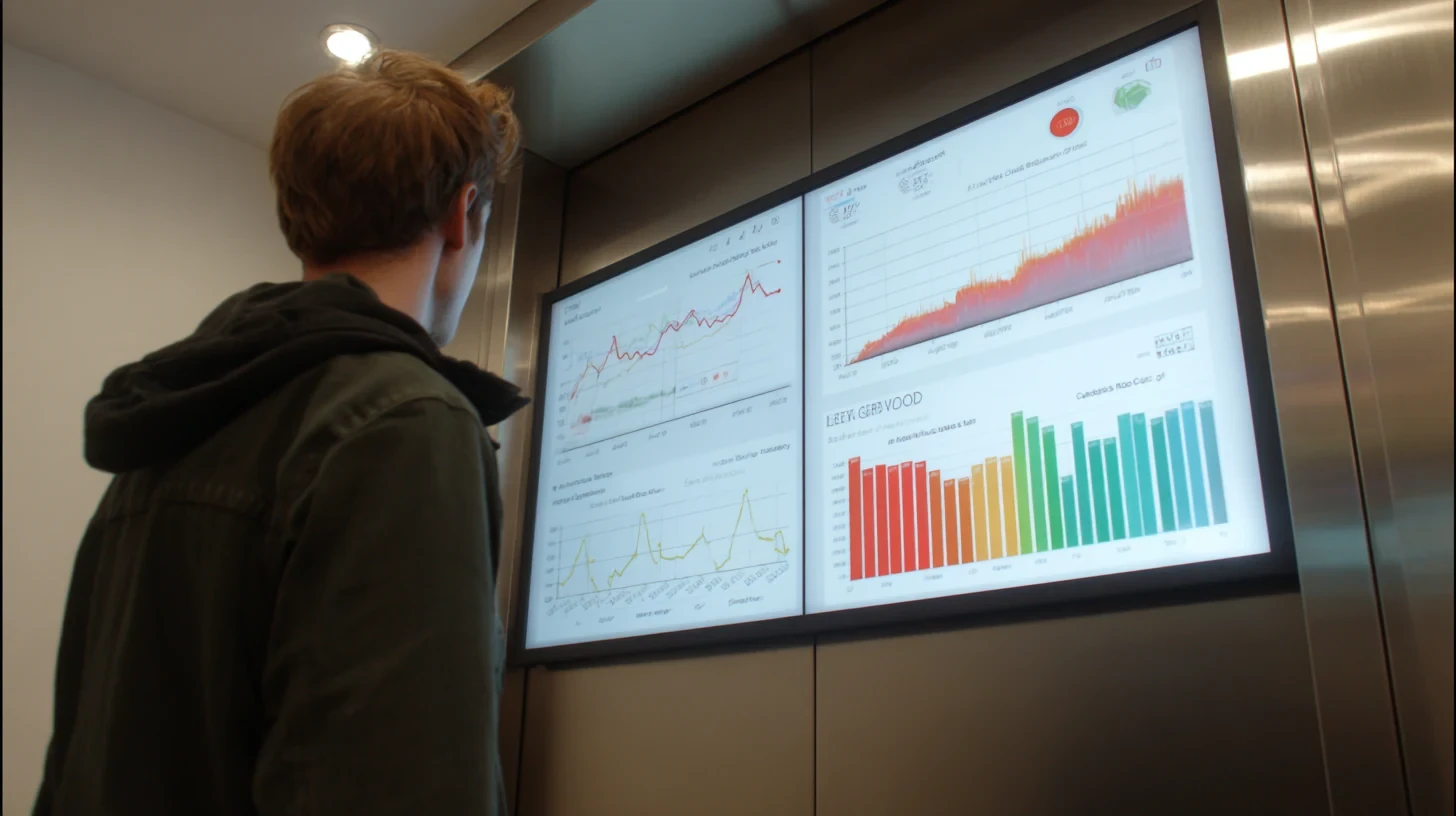
You know, elevator display boards are really becoming a must-have in today’s architecture. They do wonders for enhancing how we experience buildings and can actually make them look pretty sleek too! According to a report from the International Elevator and Escalator Industry (IEE), adding these digital display systems to elevators can boost how effectively information is communicated by up to 30%. This means it not only helps passengers find their way around but also gives the whole place a touch of elegance.
On top of just making things work better, these display boards are super important for safety. The Elevator Association (EA) points out that a well-designed display can seriously cut down on anxiety and confusion for folks, especially when things get a little crazy during emergencies. With clear info on which floor you’re on, where to go, and any important alerts, passengers can make quick decisions without missing a beat.
**Tip:** When you’re on the lookout for elevator display boards, make sure to go for models that are easy to see and have simple interfaces. It really makes a difference in how people use them!
And let’s not forget about being green! As sustainability is becoming more important in modern buildings, a lot of manufacturers are rolling out energy-efficient display boards that are easy on the environment. So, if you’re buying internationally, it’s a good idea to think about eco-friendly options. That way, you can help make a positive impact on building certifications like LEED.
**Tip:** Take some time to research and compare how much energy different display boards use, so you can pick eco-conscious options that don’t skimp on quality.
Key Design Features that Elevate User Experience in Elevator Displays
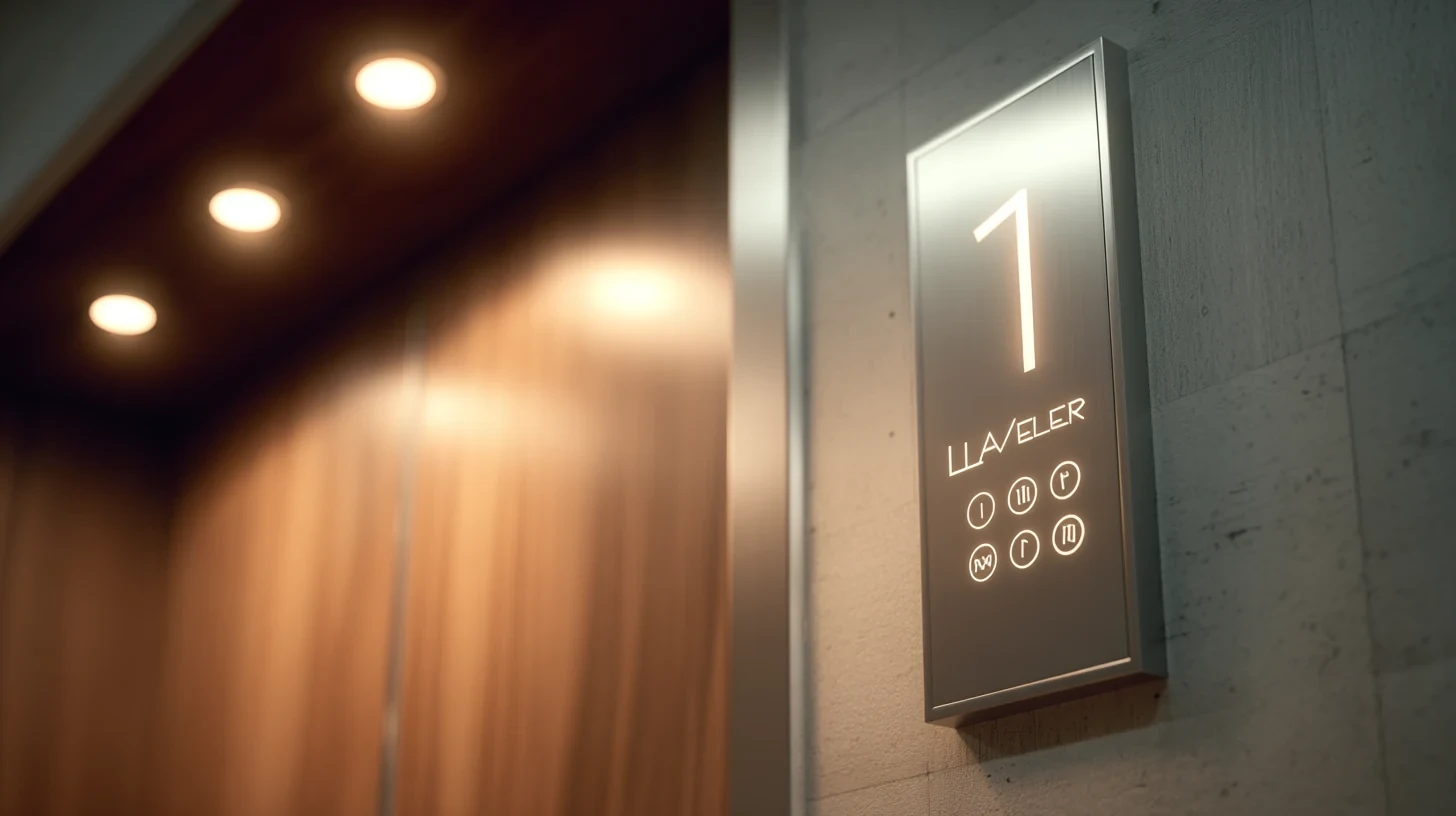
You know, in the fast-paced world of elevator display tech, making sure users have a good experience is really important. When you add advanced design features, it makes everything way easier for people to find their way around—gives them a bit of confidence, too. The International Elevator and Escalator Industry, or IEEI for short, found that when elevator displays are done right, user satisfaction can jump by about 20%. That just goes to show how essential it is for manufacturers to balance good looks with practical use when they’re creating these display boards.
One cool trend these days is the move to two-way communication systems in elevators, especially with those new CSA B44 2019 standards rolling out. This is a game-changer because it not only helps keep passengers safe by letting them communicate silently with emergency responders, but it also really steps up the overall design of those elevator displays. By integrating user-friendly interfaces and providing clear, straightforward information, today’s elevator display boards can seriously improve the user experience. And get this—there are reports that elevators with these upgraded emergency communication features can cut response times by as much as 30%! It really highlights how thoughtful design can make a huge difference in safety and efficiency.
Elevator Display Boards Features Comparison
| Label | Importance Rating (1-10) |
|---|---|
| User-Friendly Interface | 9 |
| Customizable Content | 7 |
| Real-Time Updates | 8 |
| Multilingual Support | 6 |
| Energy Efficiency | 5 |
Analyzing Global Market Trends: Demand for Elevator Display Boards in 2023
You know, elevator display boards are really picking up steam in 2023! There are so many factors at play in the global market. With all this urbanization happening, buildings need smart management systems now more than ever. This has led to a real boost in the use of advanced digital solutions for elevators. These display boards do more than just look cool—they provide real-time info that makes the whole experience smoother for users and actually help elevators operate more efficiently. And with the surge of smart buildings, adding IoT-capable elevator display boards has become pretty much a must-have, making them stand out in modern architecture.
Looking at market trends, it’s pretty clear that there’s a noticeable increase in investment in technologies focused on safety and communication in tall buildings. Buyers today are really on the lookout for user-friendly and interactive options, and guess what? Manufacturers are catching on and coming up with some really innovative designs catering to all sorts of consumer needs. Plus, there’s this big push towards sustainability and energy efficiency that’s making suppliers rethink their offerings and put out more eco-friendly choices. So, as we dive deeper into 2023, it’s obvious that the elevator display board market is shifting, keeping in step with broader tech advancements and changing what customers expect.
Mastering the Essentials: A Comprehensive Tutorial on the Best Elevator Display Boards for Global Buyers - Analyzing Global Market Trends: Demand for Elevator Display Boards in 2023
| Region | Estimated Market Size (USD) | Growth Rate (CAGR, %) | Main Applications | Key Trends |
|---|---|---|---|---|
| North America | $350 million | 6.5% | Commercial Buildings, Residential | Smart Technology Integration |
| Europe | $250 million | 5.8% | Retail, Hospitality | Sustainability Focus |
| Asia-Pacific | $600 million | 8.2% | Residential, Industrial | Rapid Urbanization |
| Latin America | $120 million | 4.5% | Transportation, Community Centers | Government Initiatives |
| Middle East & Africa | $150 million | 7.0% | Commercial Developments | Luxury Installations |
Industry Standards and Regulations Governing Elevator Display Technologies
When diving into elevator display technologies, you can’t overlook the impact of industry standards and regulations. They really shape how products are developed and put into use. These guidelines ensure that display boards do a lot more than just look good—they also keep safety and accessibility front and center for everyone using them. For instance, in the U.S., the Americans with Disabilities Act (ADA) makes it clear that displays should be legible and easy to understand for people with all sorts of abilities. This really emphasizes the need to follow best practices when it comes to design, clarity, and usability.
Quick Tip: Always check if the elevator display boards you're considering meet your local regulations. It’s super important to make sure everything's not only working well but also compliant—this helps protect you from any potential legal headaches.
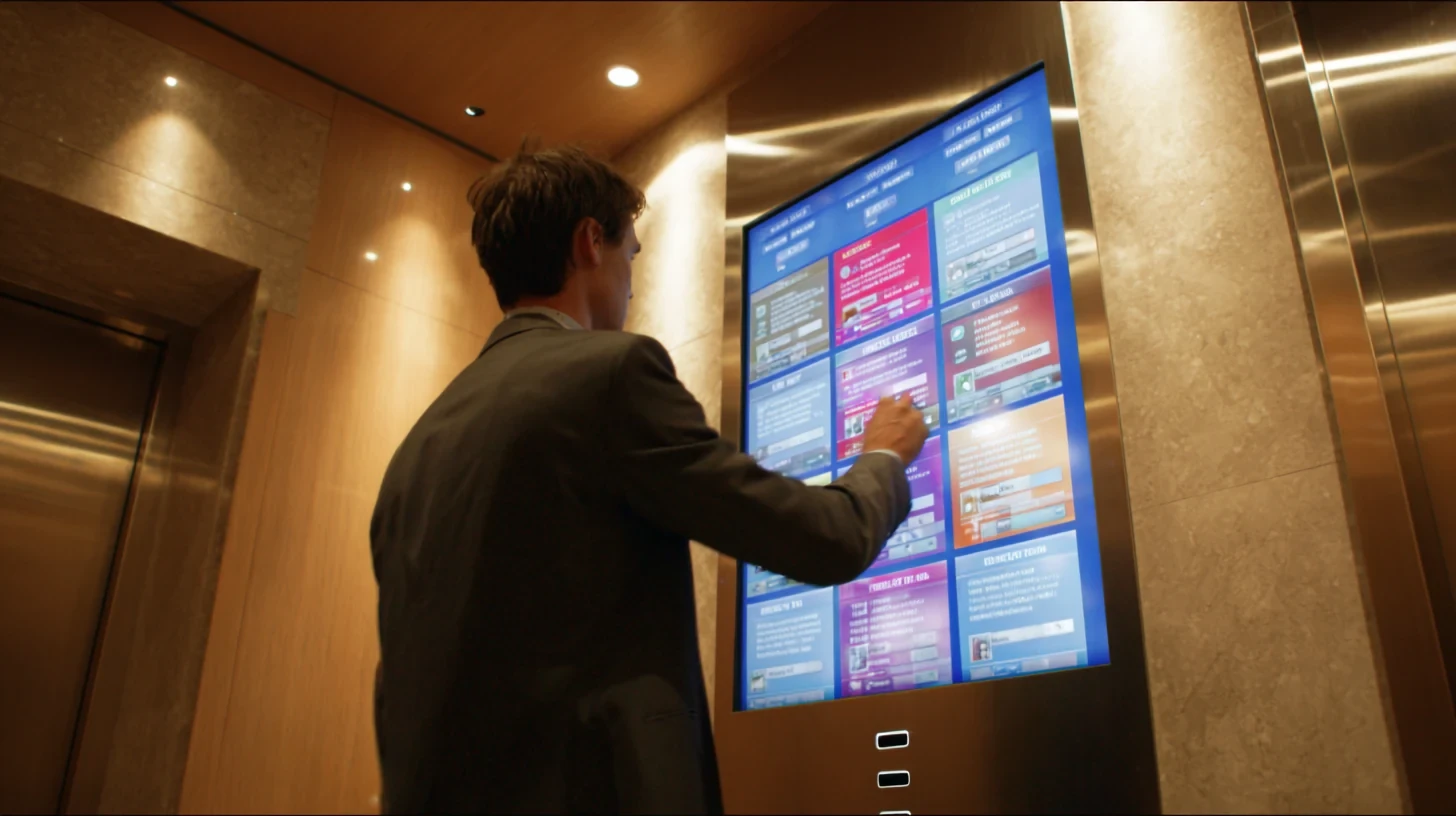
On top of that, technology has come a long way, and now we have smart elevator systems that combine slick digital displays with real-time data. These systems are often guided by industry standards like those from ISO and ASME, which help ensure that the equipment performs reliably and meets testing criteria. When you align your choices with these standards, you’re really paving the way for a more efficient environment that users can trust.
Another Tip: Think about using IoT-enabled displays for those dynamic updates and info sharing. They can really step up the user experience and meet the communication requirements that regulations demand.
Comparative Analysis of Top Brands in Elevator Display Boards Market
You know, in today’s fast-changing world of elevator display boards, it’s super important for buyers all over the globe to do a solid comparison of the top brands if they want to find the best options out there. A recent report by MarketsandMarkets even predicts that the global elevator display board market is gonna jump from $1.2 billion in 2021 to about $1.8 billion by 2026—that’s a compound annual growth rate (CAGR) of 8.6%! It's all thanks to the rising demand for better passenger experiences and the need for real-time information in modern buildings.
When it comes to key players in this market, we've got heavyweights like OTIS, Thyssenkrupp, and Schindler. Each of these brands brings something unique to the table, catering to the different needs of users. For example, Otis is really known for their eco-friendly display solutions that use advanced LED technology—great for saving energy and boosting visibility, right? Then there’s Thyssenkrupp, which has its eye on smart tech integration that allows for a smooth connection with building management systems. So, for buyers, it’s crucial to really think through these options and figure out which features suit their project needs and budgets best.
Innovative Technologies Shaping the Future of Elevator Display Solutions
You know, the future of elevator displays is really taking shape thanks to some cool new technologies that are all about making things easier for users and boosting how efficiently everything runs. A recent report from Technavio even says that the global market for elevator display systems is set to grow around 6% each year, possibly hitting over $1.3 billion by 2026. That's a pretty big deal, and it’s driven by more people moving into cities and the growing need for smart building tech.
One of the biggest trends that’s helping push this forward is the way IoT—or the Internet of Things—is being woven into elevator systems. With IoT, those modern display boards can give you real-time updates when you're waiting for an elevator, like how long you’ll be waiting, updates on the building directory, and even some personalized messages. This smooth exchange of info not only makes the ride more pleasant for everyone but also makes the whole elevator system safer and more functional.
And let’s not forget about AI! The rise of AI-driven analytics is really changing the game for building managers when it comes to elevators. Those advanced algorithms can figure out foot traffic patterns, which helps to optimize how elevators are dispatched, cutting down on those annoying wait times. A study by ResearchAndMarkets suggests that using AI in elevator management could boost efficiency by as much as 30%. It’s wild to think that in the near future, elevator displays will be doing a lot more than just showing which floor to go to—they'll be key players in creating smart, responsive building environments.
Essential Features and Benefits of the Three-in-One Guide Boot Lining 230 for Mitsubishi Otis Elevators
The Three-in-One Guide Boot Lining 230 for Mitsubishi Otis Elevators stands out in the industry for its essential features and impressive benefits. Designed to enhance elevator performance, this guide boot lining integrates advanced materials that offer superior wear resistance and reduced friction. According to a report by the Elevator World, high-quality guide linings can increase the longevity of elevator systems by up to 30%, demonstrating their critical role in maintenance and operational efficiency.
One of the primary advantages of the 230 model is its innovative design that simplifies installation and replacement processes. The lightweight yet durable construction means that maintenance teams can effectively address wear and damage with minimal downtime. The American Society of Mechanical Engineers (ASME) highlights the significance of efficient maintenance protocols in elevator systems, noting that effective upkeep can reduce operational costs by up to 20%. Incorporating the Three-in-One Guide Boot Lining can significantly contribute to this efficiency.
Furthermore, the environmental impact of using such reputed components cannot be ignored. The sustainability report from the International Elevator & Escalator Symposium indicates that utilizing advanced products, like the Three-in-One Guide Boot Lining, leads to a reduction in waste and resource consumption. This aligns with the broader industry trend towards eco-friendly solutions that contribute to sustainability, making the 230 model not just an investment in safety and performance but also a step towards greener operations in vertical transportation.

FAQS
: The demand for elevator display boards is influenced by urbanization, the need for efficient building management systems, and the integration of advanced digital solutions in elevators, enhancing user experience and operational efficiency.
The global elevator display board market is projected to grow from $1.2 billion in 2021 to $1.8 billion by 2026, at a compound annual growth rate (CAGR) of 8.6%.
Key players include Otis, Thyssenkrupp, and Schindler, each offering unique features that cater to different user needs, such as eco-efficiency and smart technology integration.
The emphasis on sustainability is shaping product development by compelling suppliers to offer eco-friendly options, meeting the demand for energy-efficient solutions in modern buildings.
IoT integration in elevator systems allows display boards to provide real-time information like estimated wait times and building directory updates, improving passenger satisfaction and safety.
AI-driven analytics can analyze foot traffic patterns, optimizing elevator dispatching and reducing wait times significantly, potentially increasing operational efficiency by up to 30%.
Buyers are increasingly seeking user-friendly and interactive solutions, prompting manufacturers to innovate designs that cater to diverse consumer needs and enhance passenger experiences.
Trends include the rise of smart buildings, the integration of IoT and AI technologies, and a focus on user experience and operational efficiency, all shaping the evolution of elevator display boards.
The global elevator display systems market is expected to grow by approximately 6% annually, reaching a valuation exceeding $1.3 billion by 2026.
They enhance communication within high-rise buildings, offering real-time information that improves overall safety and functionality, making them crucial in modern architecture.
Related Posts
-
How Elevator Display Boards Enhance Safety and Efficiency in Modern Buildings
-
Elevator Control Panel Innovations for 2025 Must Have Checklist for Global Buyers
-
Top 10 Elevator Control Panel Manufacturers from China at the 137th Canton Fair
-
Elevating Global Standards in Lift Control Panels with Quality Chinese Manufacturing
-

Future Innovations in Elevator Button Panels: Trends to Watch in 2025
-
Global Suppliers Choose Us for the Best Elevator Control Panels Made in China