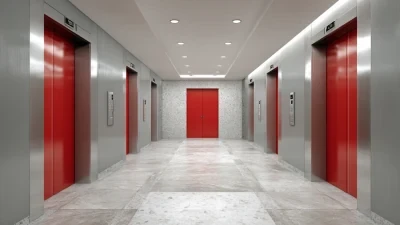

The elevator industry is evolving really quickly, and safety and maintenance are more important than ever. Did you know that, according to the National Elevator Industry, Inc. (NEII), over 18 billion passenger trips happen every year just in the U.S.? That’s a staggering number! With so many people relying on elevators daily, it's clear we need good safety measures in place—things like Elevator Wall Protection Pads. These pads are pretty essential because they act as a kind of shield between the elevator walls and whatever's being moved or the elevator's own mechanisms. That way, they help prevent damage and actually help extend the life of the elevator itself.
Here at Zhuhai Link Industrial Co., Ltd., we get how important these protective solutions are. Since we started back in June 2017, we’ve been committed to providing complete elevator systems—not just selling them, but also installing and maintaining them. We do over 200 units a year, and it’s all about making sure our clients have the right tools to keep their elevators safe, reliable, and cost-effective in the long run.

The Role of Elevator Wall Protection Pads in Enhancing Safety Standards
Elevator wall protection pads might not seem like a big deal, but honestly, they're pretty important when it comes to keeping things safe—whether in a busy office building or a residential complex. These pads are designed to soak up impacts and prevent the walls from getting scratched or damaged. Not only does that keep the elevator looking nice, but it also helps keep passengers safe from potential injuries. Plus, by protecting the walls, you're cutting down on repairs and downtime, which is always a win.
If you're thinking about installing these pads, a couple of things to keep in mind. First off, go for good quality materials—stuff that’s durable and easy to clean. This way, they last longer and keep your maintenance costs down. Next, make sure the pads are installed tightly and securely so they don't fall off or get knocked loose when the elevator's running. Oh, and don’t forget to check on them now and then—worn-out pads aren’t doing anyone any favors. Replacing them when needed keeps everything running smoothly and safely.
All in all, putting these wall protection pads in place isn't just about safety; it’s about making the entire elevator experience better for everyone. When building owners invest in these little safety measures, they’re not just protecting their equipment—they’re also showing they care about folks using the elevator. Plus, it just makes the place look more professional and well-maintained.
Understanding the Importance of Elevator Wall Protection Pads for Safety and Maintenance
| Category | Description | Benefits | Maintenance Frequency |
|---|---|---|---|
| Material Type | Foam, Vinyl, Rubber | Shock absorption and impact resistance | Inspected every 6 months |
| Color Options | Customizable colors | Aesthetic enhancement and branding opportunity | Check annually |
| Installation | Adhesive or Magnetic | Easy installation and removal | Every 2-3 years |
| Usage Environment | High-traffic areas | Durability and longevity | Quarterly checks |
| Compliance | Meets safety regulations | Enhances compliance and reduces liability | Annual audit |
Mechanical Benefits of Elevator Wall Protection Pads for Maintenance Efficiency
Elevator wall protection pads are actually pretty important when it comes to making maintenance easier and more efficient in vertical transportation systems. I read a report from OSHA that says if elevators aren’t properly maintained, it can lead to accidents that end up costing businesses over a billion dollars every year in lost productivity. Crazy, right? Stuff like these pads can really help cut down on the wear and tear that happens when lots of people use the elevator or when heavy equipment gets moved around. Basically, they act like a buffer—so instead of scratches or dents on the walls, you’ve got these protective pads absorbing the impact. That means less money spent on repairs and a longer-lasting elevator.
On top of that, there’s some research from theInternational Association of Elevator Engineers showing that elevators with wall protection systems tend to have about 30% fewer maintenance calls for minor damages. That’s a huge plus since it makes maintenance schedules easier to manage and minimizes elevator outages, keeping everything running smoothly. Plus, cleaning becomes a lot simpler too, since these pads give a smooth surface that's easier to wipe down and keeps hygiene standards in check—especially in busy public transport places. All in all, investing in wall protection pads isn't just good for saving money; it also extends the life of your elevator and keeps things running without a hitch.
Reducing Damage Costs: The Economic Impact of Elevator Wall Protection Pads
Elevator wall protection pads are a pretty smart way to keep those costly damages in check with everyday elevator use. You know how, over time, stuff like constant movement, loading, and unloading can leave dents, scratches, and general wear-and-tear on the walls? Well, installing these pads can really help cut down on maintenance bills and help your elevator last longer. Plus, it keeps the place looking nice and safe for everyone using it.
If you're thinking about getting some, here are a few tips: First off, pick high-quality pads that are durable and easy to clean—this way, they stay effective longer. Don't forget to check on them periodically; if they show signs of wear, replace them—nothing worse than gaps that leave the walls unprotected. And make sure they’re installed properly so there aren’t any awkward gaps that could cause damage.
All in all, investing in elevator wall protection pads isn’t just about saving money—it’s also about making the building a safer, more welcoming spot for your visitors and staff. Trust me, it’s a small change that can make a big difference.
Choosing the Right Materials: Factors to Consider for Wall Protection
When you're picking materials for elevator wall protection pads, there are a few key things to keep in mind. First off, durability is a must—these pads need to stand up to constant bumps and hits from things like carts, luggage, or even passengers leaning against them. Usually, high-density foam or rubber padding does a pretty good job at absorbing shocks, helping to protect both the wall and the elevator’s look. Plus, it’s important that the material is resistant to wear and easy to clean—this makes maintenance a lot simpler and keeps everything hygienic.
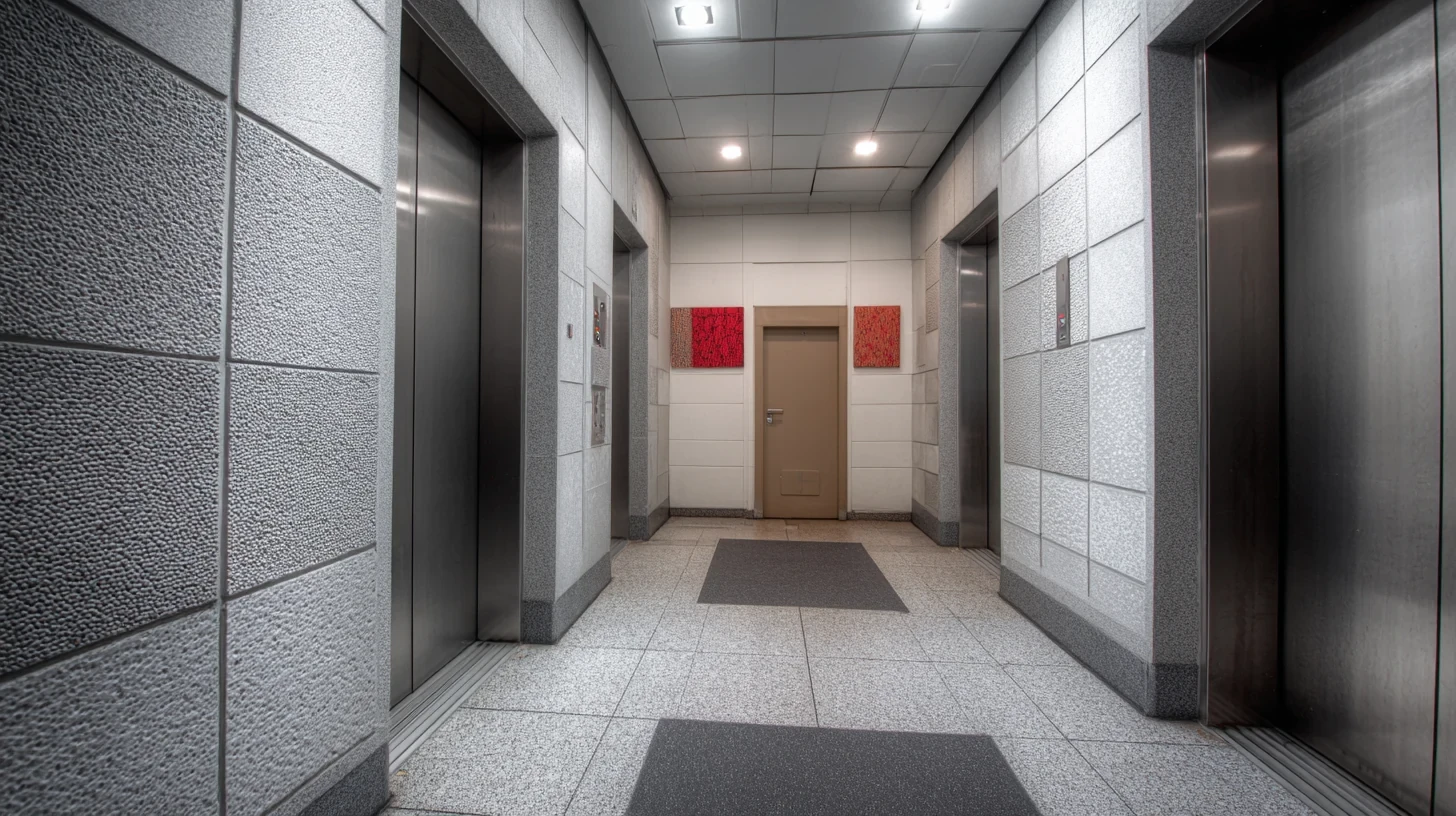
Another thing to consider is how the pads’ look will match the elevator’s interior. Picking colors and textures that go with the overall decor can really give the space a more polished vibe. Oh, and don’t forget about how easy it is to install or swap these pads out. A design that allows quick upgrades or repairs can save you from long downtimes and keep things running smoothly. If you get these factors just right, you'll end up with a material choice that’s safe, practical, and looks good too—making the whole elevator experience better for everyone.
Installation Best Practices for Optimal Effectiveness of Protection Pads
Installing elevator wall protection pads might not sound like the most exciting thing, but trust me, it’s actually pretty important when it comes to keeping things safe and looking good. The folks over at the National Elevator Industry, Inc. say that if you don’t use the right protection, you’re inviting costly repairs—almost 30% of elevator service calls are because of just cosmetic damage that happens when people are getting in and out. So yeah, following best practices during installation is a smart move to keep everything running smoothly.
First off, picking the right type of pad is key. You want something durable but also good at absorbing shocks—something that can handle all that foot traffic. The Elevator Manufacturers Association has found that high-density foam pads can cut down on impact damage by up to 40%, which is pretty impressive. Placement matters too—these pads should be installed at standard height spots to guard against bumps from bags, briefcases, or whatever else people might carry. And don’t forget, using quality adhesive so the pads stick well—if they don’t stay put, you’re basically inviting problems like peeling and walls that need fixing more often, which just adds to costs.
After you’ve put everything in place, it’s a good idea to check on those pads regularly because, let’s face it, they do wear out over time. The American Society of Mechanical Engineers recommends inspecting wall protection about every three months. Catching any issues early keeps everyone safe and also helps avoid unnecessary repairs down the line. Plus, it keeps the elevator’s interior looking sharp and in good shape for longer, saving both time and money in the long run.
Regular Inspection and Maintenance Protocols for Elevator Wall Protection Pads
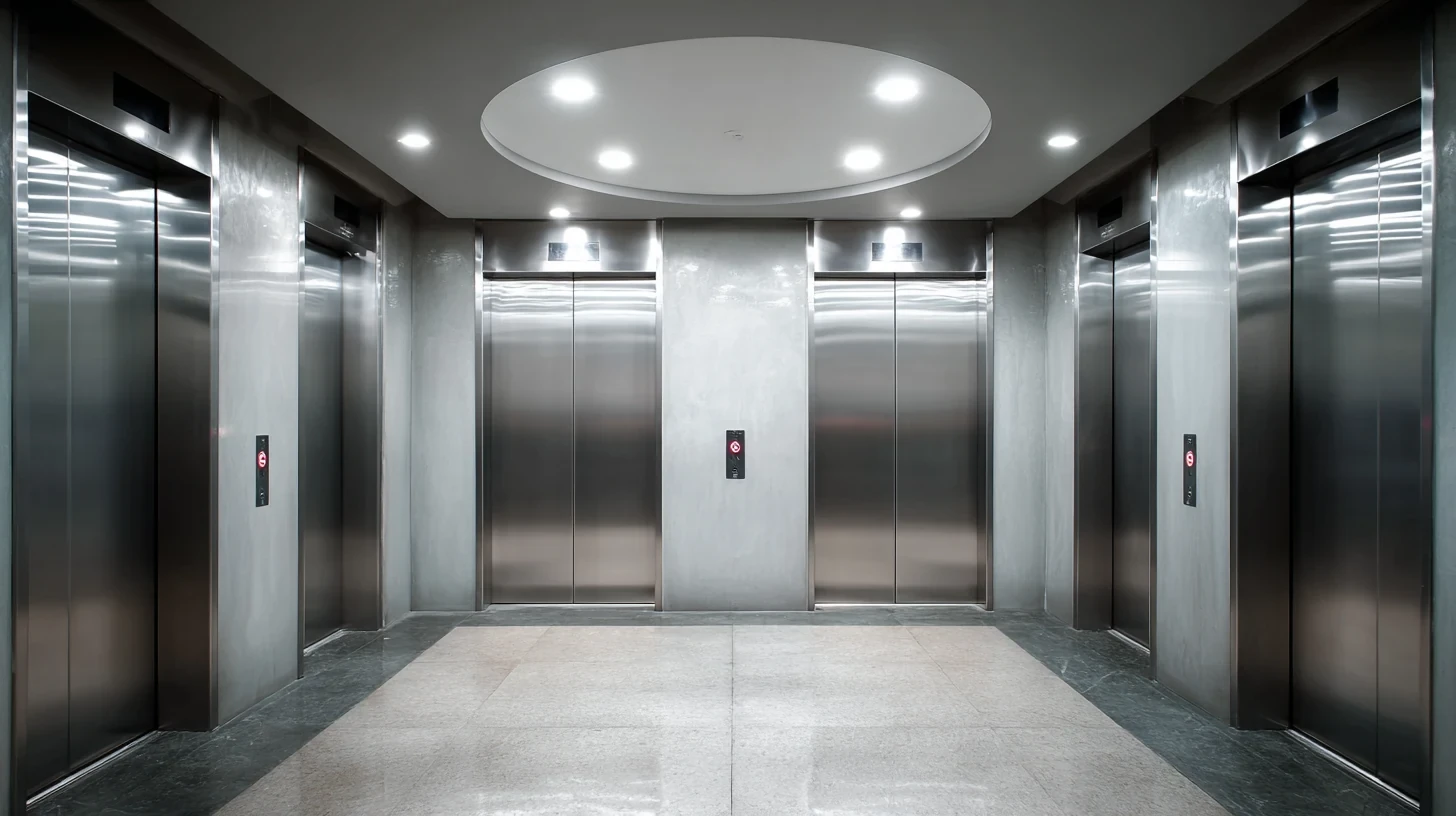
Hey, when it comes to elevators, making sure those wall protection pads are in good shape isn’t just a good idea — it’s super important for safety and making sure everything lasts. According to the folks at the National Elevator Industry, Inc. (NEII), almost one in five elevator accidents happen because some part, like those pads, isn’t maintained properly. These pads are more than just a barrier for the walls; they help absorb some of the shocks when passengers or freight pass through, preventing damage. It's a smart move to check on them at least twice a year — catching issues early on can save you from bigger headaches down the line and keep everyone safe.
Also, the Elevator Escalator Safety Foundation (EESF) points out that regular preventative upkeep can actually make your elevator last up to 30% longer. When you do inspections, keep an eye out for cracks, tears, or even changed color — signs that the pads might be wearing out and might not do their job as well anymore. It's just as important to make sure they’re sticking properly and lined up right — if they’re off, you might notice more noise or vibrations, and that can make the ride pretty unpleasant.
By sticking to a solid maintenance schedule, building owners can not only keep things running smoothly and safely, but they’ll also save money on repairs and avoid those annoying elevator downtimes. All in all, it’s about keeping that vertical transportation stuff reliable and safe for everyone involved.
FAQS
: Elevator wall protection pads are used to enhance maintenance efficiency by reducing wear and tear on elevator walls caused by frequent passenger traffic and heavy equipment movement.
By preventing minor damages like scratches and dents, wall protection pads can significantly reduce maintenance calls and associated costs, leading to overall savings for businesses.
Installing wall protection pads helps minimize damage costs, prolongs the lifespan of elevators, and creates a safer environment for users, ultimately leading to substantial cost savings.
Best practices include choosing high-quality, durable materials, regularly inspecting and replacing pads, and ensuring proper installation to avoid gaps that could lead to damage.
Proper installation of wall protection pads helps maintain safety and aesthetic integrity by preventing cosmetic damages, which can account for nearly 30% of elevator maintenance calls.
High-density foam pads are recommended as they provide a good balance of durability and shock-absorption, helping to reduce impact-related damage by up to 40%.
It is recommended to inspect wall protection pads quarterly to identify signs of wear and ensure ongoing protection and safety for passengers.
Pads should be installed at standard height levels to effectively protect against impacts from bags or briefcases.
Using quality adhesive is important for ensuring that pads adhere properly to the walls, which prolongs their lifespan and enhances their performance.
By reducing the frequency and severity of damage, wall protection pads streamline maintenance schedules, minimize elevator downtime, and ultimately increase operational efficiency.
Conclusion
Elevator wall protection pads might not be something you think about all the time, but trust me, they play a pretty important role in keeping things safe. Not only do they help prevent damage when the elevator’s running, but they also bring some solid mechanical benefits that make life easier when it’s time for maintenance. By cutting down on wear and tear, these pads can really save your budget in the long run — no one likes unexpected repair costs! Picking the right materials is key here, since that决定 heavily influences how long the pads last and how well they do their job.
Of course, just installing these pads isn’t enough. Regular inspections and proper upkeep are crucial if you want them to do their thing effectively over time. At Zhuhai Link Industrial Co., Ltd., we truly believe in the importance of these protective features. They’re part of our commitment to providing elevators that are not just safe, but also reliable and efficient. When we add high-quality protection pads, it really helps extend the lifespan of the elevators and makes for a smoother experience for users. In the end, it’s all about keeping things running safely and efficiently — and these pads definitely help with that.