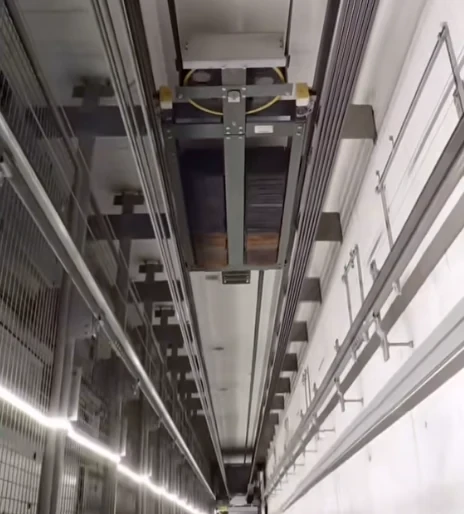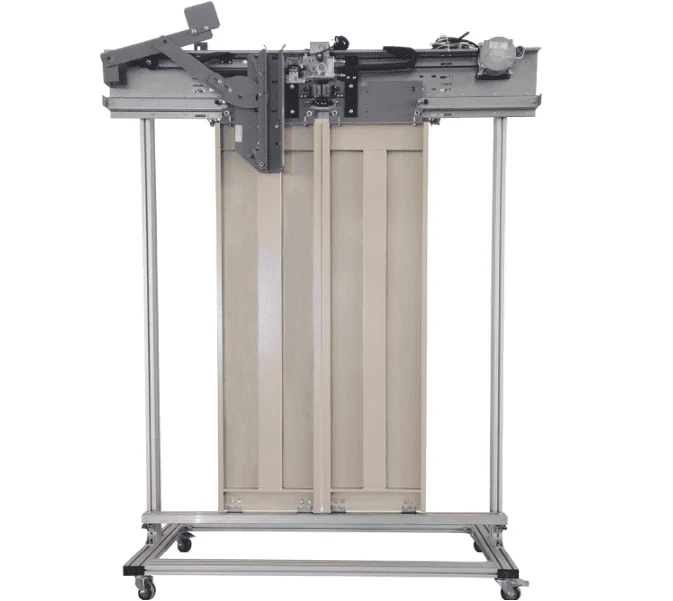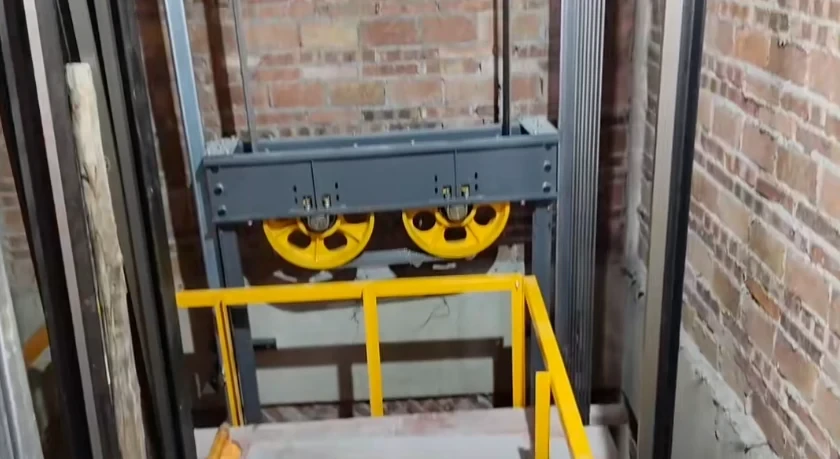
The elevator pit is one of the most hazardous working areas in an elevator system. Although technicians spend only a limited amount of time inside the pit, many serious accidents—including crushing injuries, electrical shocks, slips, and falls—occur during pit maintenance.
A professional maintenance engineer should never enter an elevator pit without following a standardized safety procedure. Proper preparation, hazard assessment, personal protective equipment (PPE), and the correct elevator testing tools are essential for reducing risk and ensuring a safe working environment.
This guide explains the complete elevator pit entry procedure, common hazards, daily inspection items, and the critical Lift spare parts that technicians should inspect during routine maintenance.
Why Elevator Pit Safety Is So Important
The pit contains numerous hazards that may not be immediately visible.
Common risks include:
- Unexpected elevator movement
- Counterweight movement
- Electrical hazards
- Poor lighting
- Water accumulation
- Oil leaks
- Slippery floors
- Falling objects
- Limited escape space
Many of these hazards can be eliminated by following standardized maintenance procedures before entering the pit.
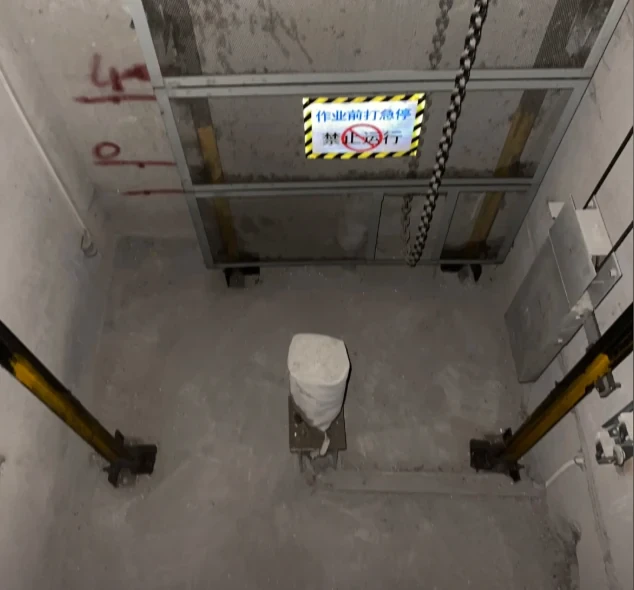
Personal Protective Equipment (PPE)
Before entering the pit, technicians should wear appropriate PPE.
Recommended equipment includes:
- Safety helmet
- Safety shoes with anti-slip soles
- Protective gloves
- Safety glasses
- Reflective vest
- Portable flashlight
- Fall protection harness (where required)
Proper PPE provides the first layer of protection against common workplace hazards.
Step-by-Step Elevator Pit Entry Procedure
Professional technicians should follow a consistent safety sequence.
Step 1 – Verify Elevator Position
Before opening the landing door:
- Ensure no passengers are inside the elevator.
- Move the elevator to an upper floor whenever possible.
- Confirm the car has completely stopped.
Never assume the elevator position without verification.
Step 2 – Test the Landing Door Lock
Open the landing door slightly (approximately 150 mm) using the authorized key.
Verify:
- The elevator door lock operates correctly.
- The brake holds the car securely.
- No unexpected movement occurs.
This simple test confirms the integrity of the landing door lock before entry.
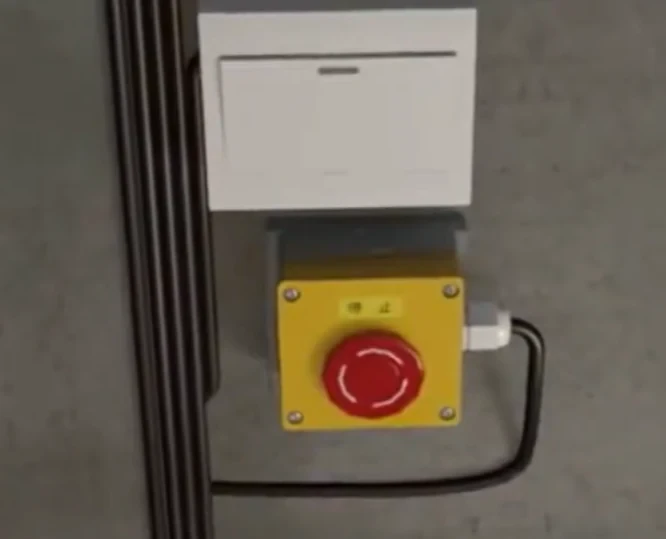
Step 3 – Activate the Pit Stop Switch
Once the landing door is secured with an elevator door stopper, enter the pit access area carefully.
Immediately:
- Activate the pit emergency stop switch.
- Turn on pit lighting.
- Verify emergency stop functionality.
- Wait several seconds to ensure the elevator does not move.
Never enter the pit before confirming the emergency stop circuit is functioning properly.
Step 4 – Secure the Landing Door
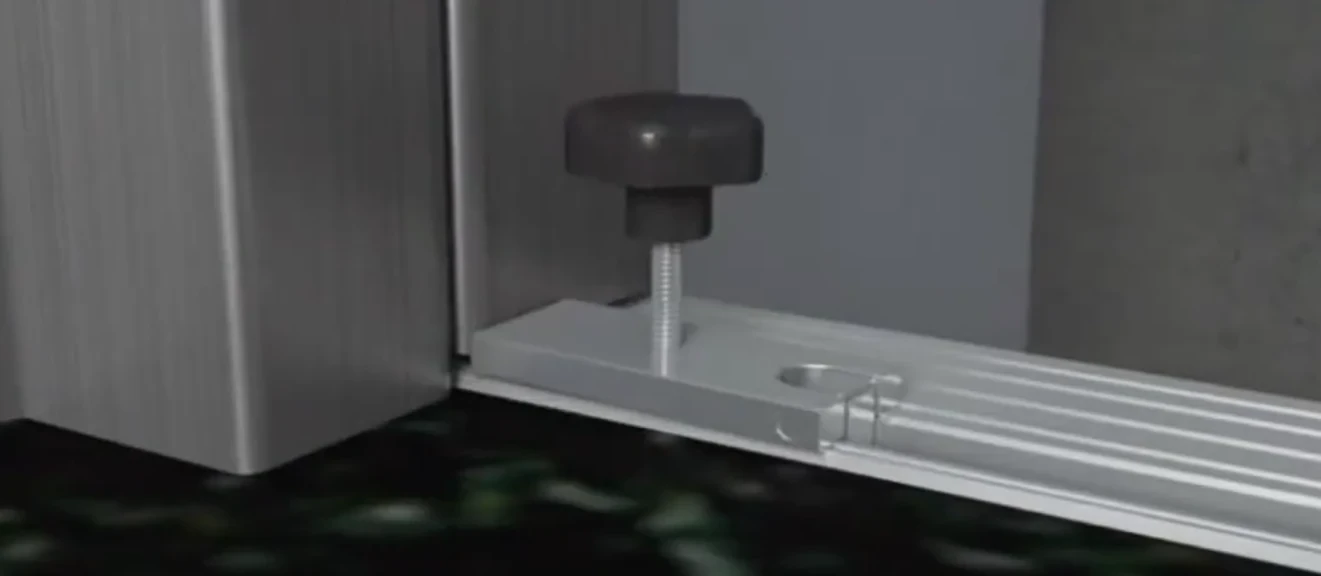
Install an elevator door stopper to prevent accidental door closure.
This protects both:
- The technician inside the pit.
- Building occupants.
Always use approved equipment rather than improvised tools.
Step 5 – Enter the Pit Safely
When climbing into the pit:
- Maintain three-point contact.
- Use the fixed ladder if available.
- Avoid jumping into the pit.
- Carry tools in a tool bag rather than in your hands.
Proper climbing techniques significantly reduce fall risks.
Common Elevator Pit Hazards
Unexpected Elevator Movement
The most serious hazard.
Possible causes include:
- Emergency stop failure
- Incorrect maintenance procedures
- Faulty safety circuits
- Unauthorized operation
Always verify zero movement before beginning work.
Electrical Hazards
Pit equipment may include:
- Pit lighting
- Inspection switches
- Junction boxes
- Safety switches
- Wiring terminals
Use insulated elevator testing tools whenever electrical testing is required.
Water Accumulation
Water inside the pit may lead to:
- Electrical shorts
- Corrosion
- Rust
- Slip hazards
Inspect drainage systems regularly.
Oil Leaks
Hydraulic elevators may develop:
- Cylinder leaks
- Hose leaks
- Valve leaks
Oil contamination should be cleaned immediately to prevent slips.
Falling Objects
Technicians working above the pit may accidentally drop:
- Tools
- Bolts
- Lift spare parts
- Electrical components
Always wear a safety helmet.
Elevator Pit Inspection Checklist
Routine pit inspections should include the following items.
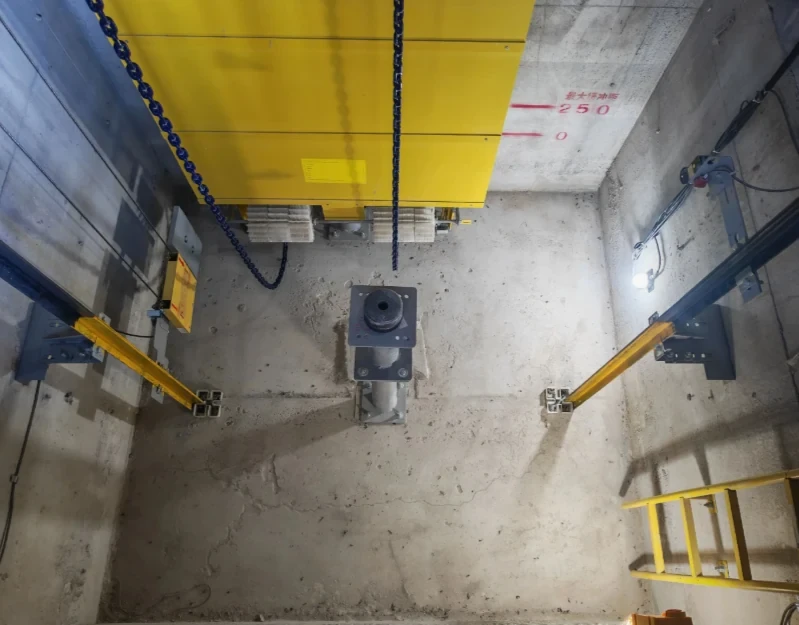
Buffer Inspection
Check:
- Oil leakage
- Physical damage
- Mounting bolts
- Compression condition
Guide Shoe Inspection
Inspect the guide shoe for:
- Excessive wear
- Loose fasteners
- Poor lubrication
- Abnormal movement
A damaged guide shoe can affect ride quality and increase guide rail wear.
Governor Tension Device
Verify:
- Rope tension
- Pulley movement
- Safety switch operation
Traveling Cable
Inspect:
- Cable wear
- Twisting
- Cracks
- Loose clamps
Pit Stop Switch
Test:
- Mechanical operation
- Electrical continuity
- Label visibility
The emergency stop must function correctly before maintenance begins.
Elevator Testing Tools for Pit Maintenance
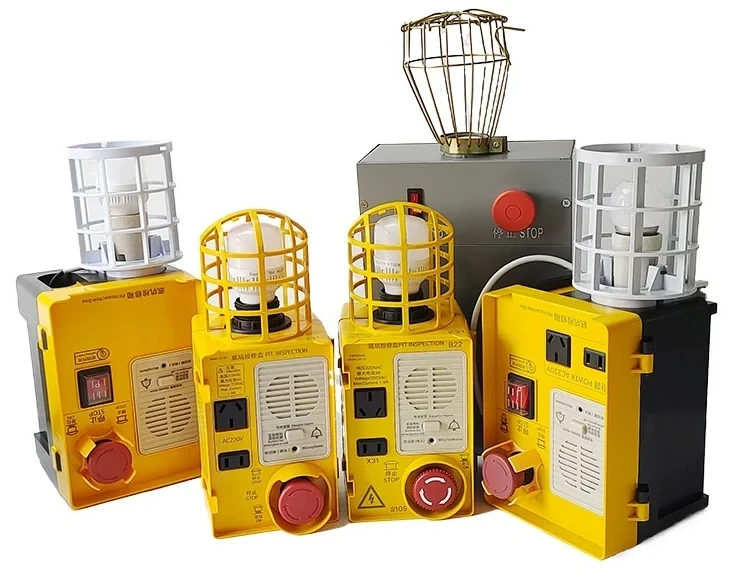
Professional technicians rely on specialized elevator testing tools.
Recommended equipment includes:
| Tool | Purpose |
|---|---|
| Digital Multimeter | Voltage measurement |
| Clamp Meter | Current testing |
| Insulation Tester | Cable insulation |
| Flashlight | Pit lighting |
| Torque Wrench | Fastener tightening |
| Inspection Mirror | Hidden areas |
| Portable LED Light | Improved visibility |
| Infrared Thermometer | Component temperature |
Using professional tools improves both safety and maintenance quality.
Lift Spare Parts Frequently Inspected in the Pit
Routine maintenance often includes inspection of:
- Guide shoe
- Oil buffer
- Buffer switch
- Governor tension pulley
- Traveling cable
- Pit stop switch
- Junction box
- Cable clamps
- Elevator door lock linkage
- Landing door linkage
Replacing worn elevator spare parts before failure reduces unexpected shutdowns.
Preventive Maintenance Tips
Professional maintenance should include:
- Keep the pit clean.
- Remove dust and debris.
- Eliminate oil leaks.
- Test emergency stop switches.
- Check pit lighting.
- Verify buffer condition.
- Inspect guide shoes.
- Confirm cable routing.
- Tighten loose hardware.
- Record all inspection results.
Preventive maintenance improves equipment reliability and technician safety.
Choosing a Reliable Elevator Parts Supplier
A dependable elevator parts supplier can provide:
- OEM-quality lift spare parts
- Genuine elevator spare part replacements
- Technical support
- Fast global delivery
- Quality assurance
Frequently supplied products include:
- Guide shoes
- Elevator door locks
- Elevator door stoppers
- Lift buttons
- Safety switches
- Traveling cables
- Buffers
- Elevator parts for sale
Reliable components contribute to safer maintenance and longer equipment life.
Frequently Asked Questions
Is it safe to enter an elevator pit alone?
Whenever possible, maintenance should follow your company's safety procedures regarding working alone. If local regulations or company policy require two-person work for specific tasks, those requirements should always be followed.
Why must the pit stop switch be tested?
The pit stop switch prevents unintended elevator movement while maintenance is being performed. Verifying its operation is a fundamental safety step before entering the pit.
What should be inspected during every pit maintenance visit?
Technicians should inspect:
- Guide shoes
- Buffers
- Traveling cables
- Governor tension device
- Pit lighting
- Emergency stop switch
- Oil leakage
- Water accumulation
- General cleanliness
What elevator testing tools are required?
Basic pit maintenance tools include:
- Digital multimeter
- Clamp meter
- Insulation tester
- Flashlight
- Torque wrench
- Inspection mirror
- Infrared thermometer
Conclusion
Safe elevator pit maintenance begins long before a technician enters the shaft. By following standardized entry procedures, testing safety devices, using appropriate elevator testing tools, and routinely inspecting critical lift spare parts, maintenance teams can significantly reduce workplace risks and improve equipment reliability.
Regular inspection of components such as the elevator door lock, guide shoe, elevator door stopper, and other elevator spare parts helps prevent unexpected failures and supports long-term elevator performance.
As a professional elevator parts supplier, we provide high-quality lift spare parts, safety components, and technical support for elevator maintenance companies around the world.