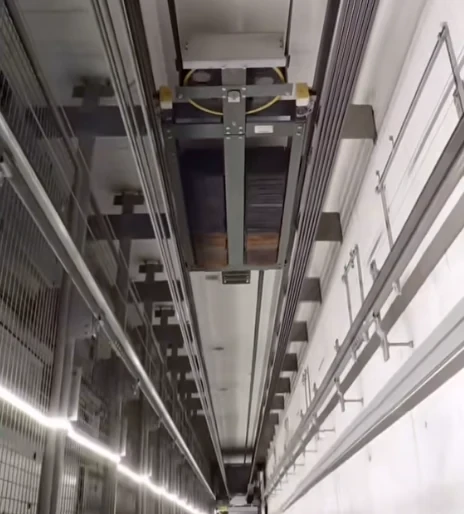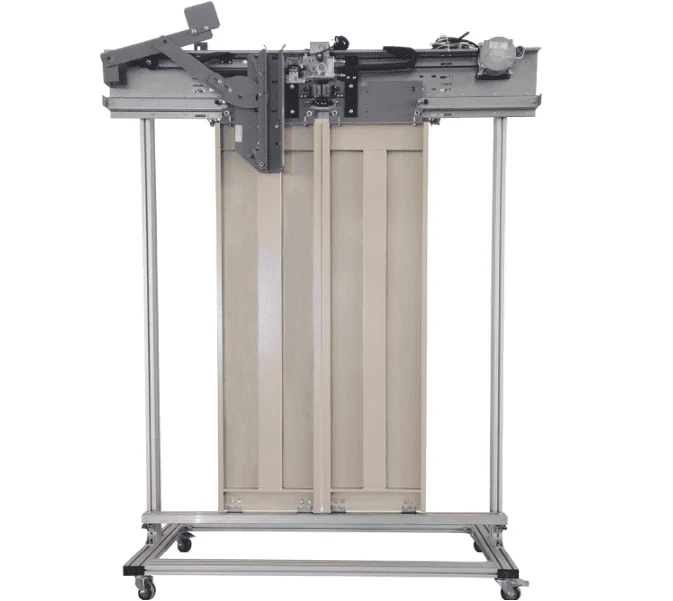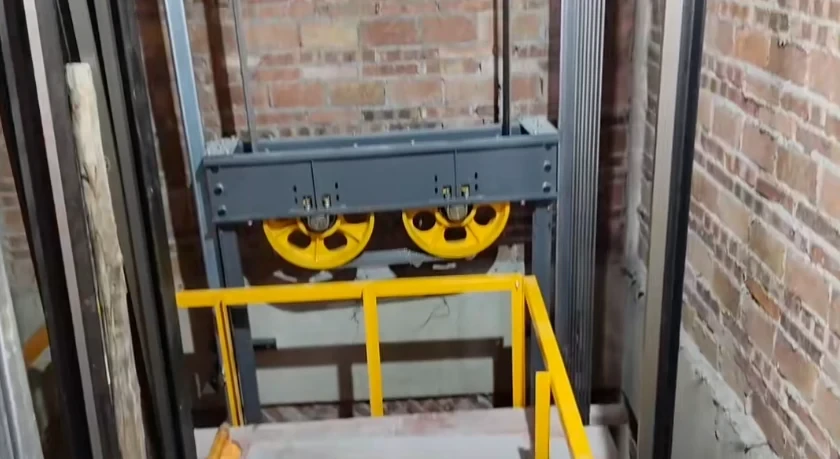
With rapid urbanization, over 200 million people in China still reside in aging residential buildings constructed in the 1980s–1990s, many lacking elevators. This poses significant challenges for elderly residents and urban development. To address this, China has prioritized retrofit elevator installations and high-temperature adaptation technologies, combining policy support and technical innovation to enhance living quality and sustainability.
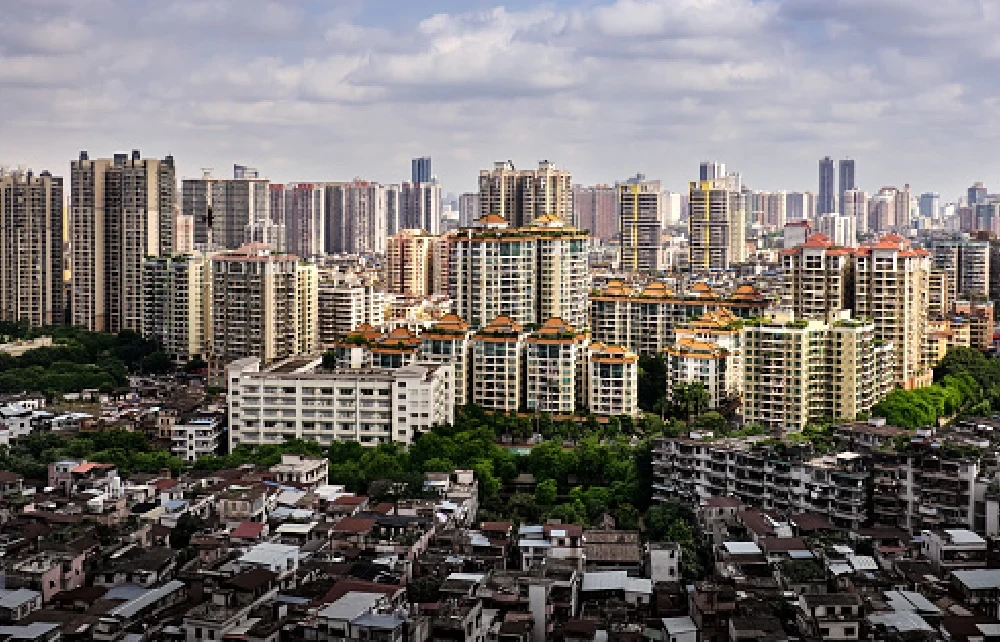
Policy-Driven Retrofit Elevator Projects
In 2017, the Chinese government introduced policies to subsidize elevator installations in aging buildings. For instance, Shanghai's Minhang District initiated a lArge-scale renovation in 2024, replacing outdated elevators in the Shibo Jiayuan community. Residents only bear 30% of the costs, with national and local subsidies covering the rest. Priority was given to buildings with frequent breakdowns and high maintenance demands.
Key Innovations:
-
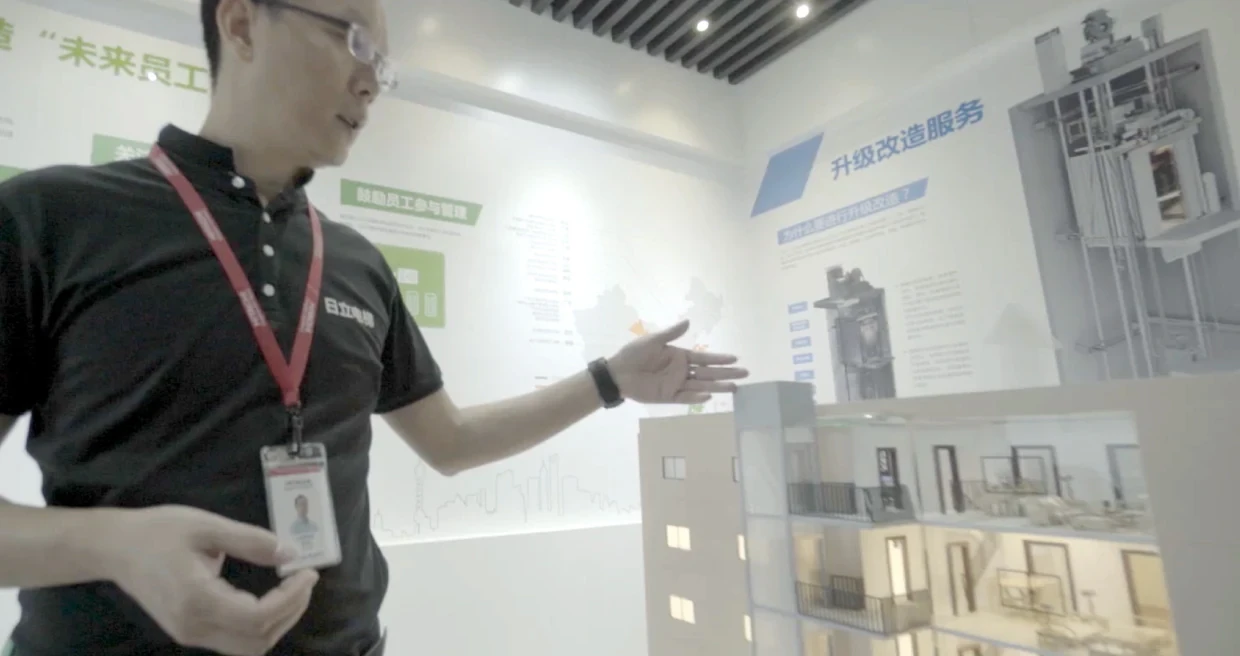
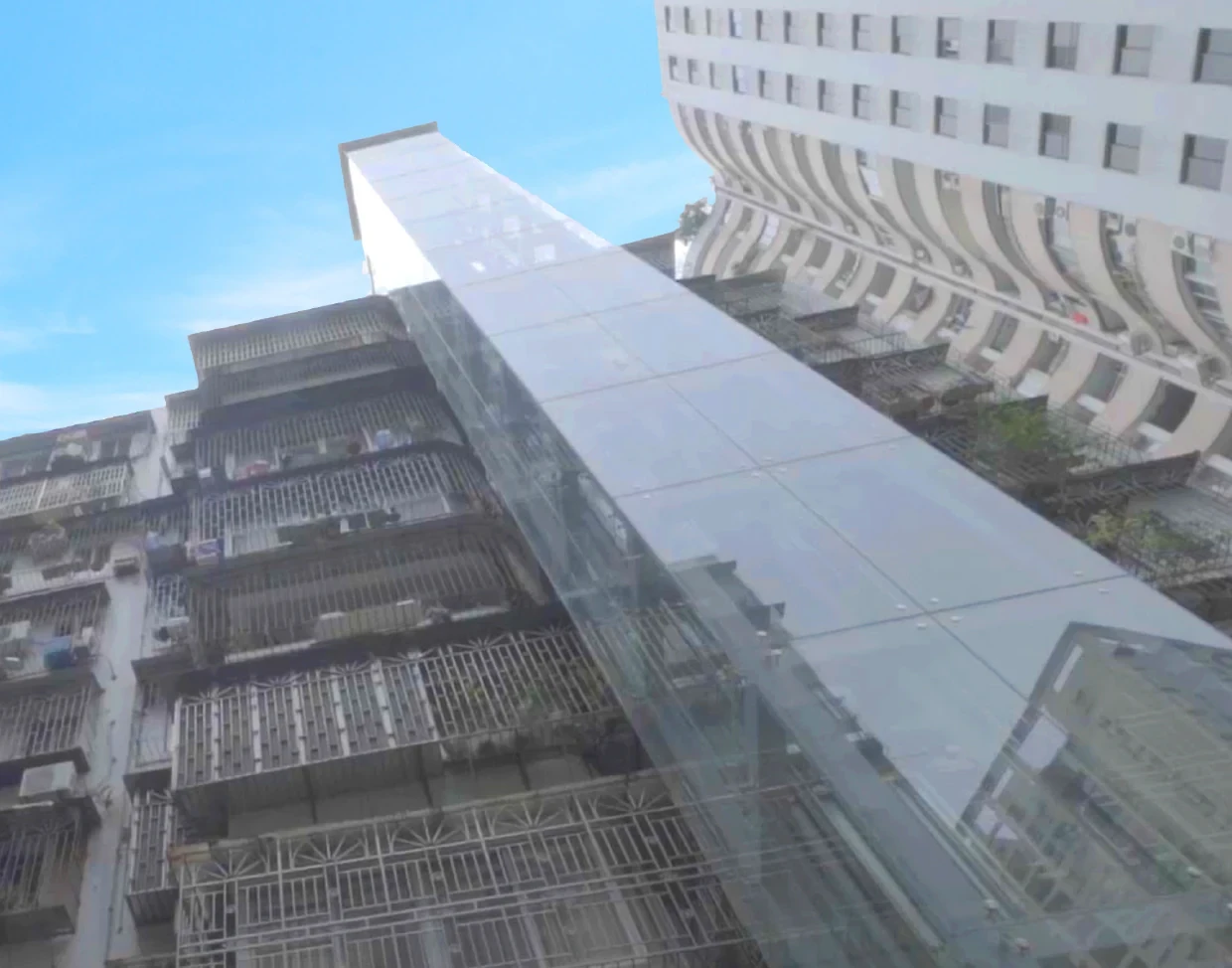
Modular Construction : Hitachi Elevator adopted prefabricated components and glass frameworks to minimize construction time and sunlight obstruction, addressing concerns from lower-floor residents.
-
Community Engagement: Interactive workshops and multilingual guides (e.g., comic strips explaining benefits) were used to gain resident consensus, critical for projects requiring unanimous approval.
High-Temperature Adaptation Technologies
In regions like the Middle East and South Asia, elevators face extreme heat challenges. Chinese manufacturers have developed solutions such as:
-
Heat-Resistant Materials : Elevator components with enhanced thermal stability, certified under CE and ISO standards, ensure reliability in environments exceeding 50°C.
-
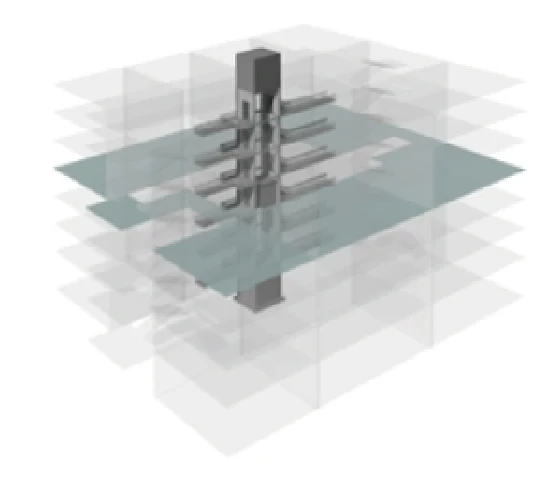
IoT-Based Predictive Maintenance : Real-time monitoring systems detect overheating risks and trigger cooling mechanisms, reducing downtime.
Case Study: Ningbo Tongling Elevator Co. exports components to Saudi Arabia and Qatar, emphasizing durability in high-temperature climates.
Challenges and Solutions
-
Resistance from Lower-Floor Residents: Concerns over costs and sunlight loss were mitigated through transparent communication and customizable designs (e.g., courtyard-side installations).
-
Technical Compatibility: Retrofitting elevators in heritage buildings (e.g., Kolkata's colonial structures) requires bespoke engineering to preserve architectural integrity.
Conclusion and Future Outlook
China's retrofit elevator initiatives and high-temperature technologies demonstrate a commitment to inclusive urbanization and global market adaptability. With 70–100 million households still needing elevator upgrades, collaborations between governments, manufacturers, and communities will remain vital. Future trends may integrate AI-driven energy management and climate-resilient designs, aligning with sustainable development goals.