1. elevator Modernization in Aging Indian Buildings
Policy-Driven Initiatives
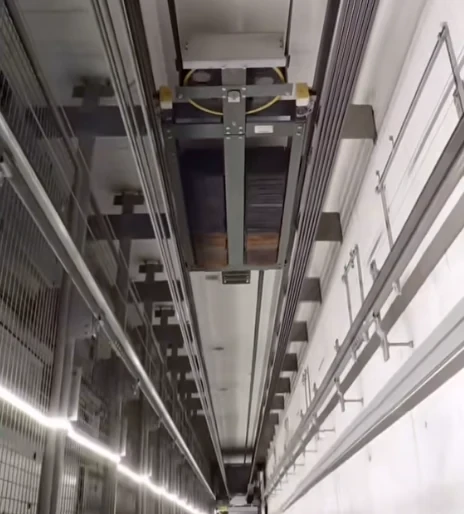
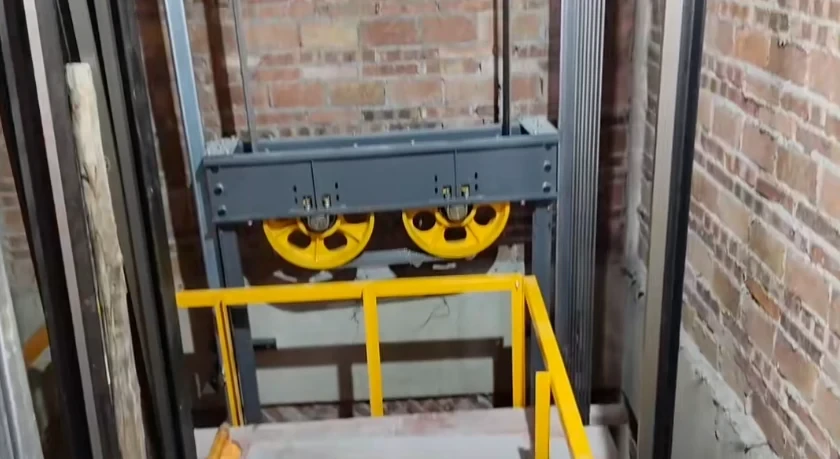
India's SmArt Cities Mission prioritizes urban renewal, including retrofitting elevators in heritage structures. For example, Kolkata's colonial-era buildings require customized solutions to preserve architectural integrity while adding modern elevators. However, challenges like community consensus and funding allocation remain barriers.
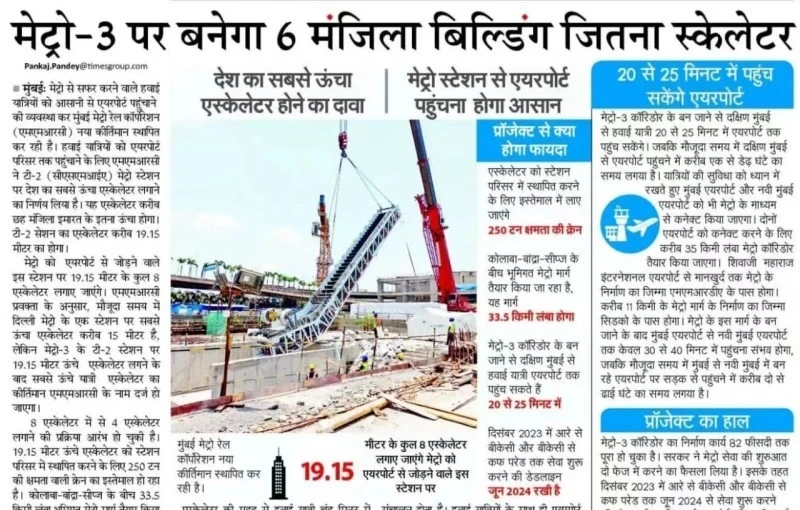
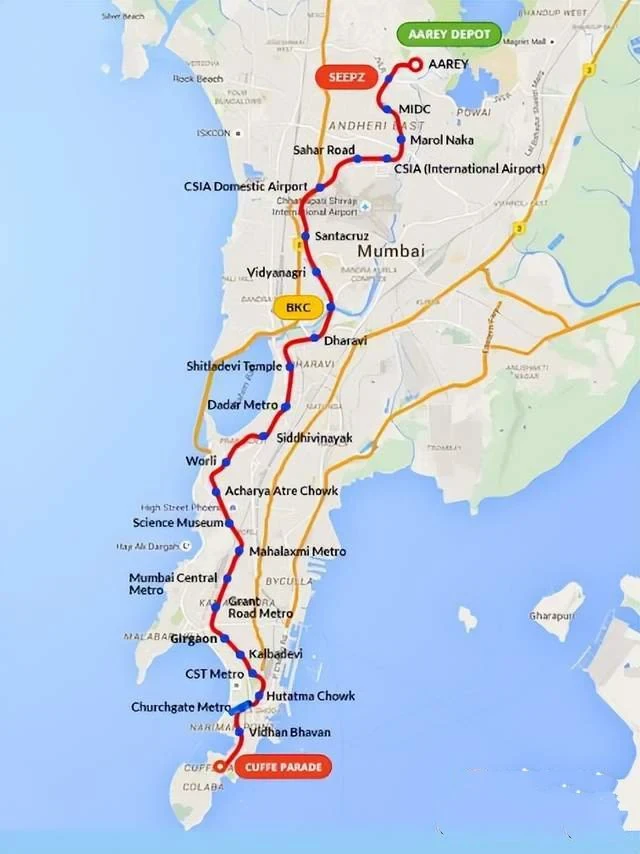
Case Study: Mumbai Metro's Super Escalators
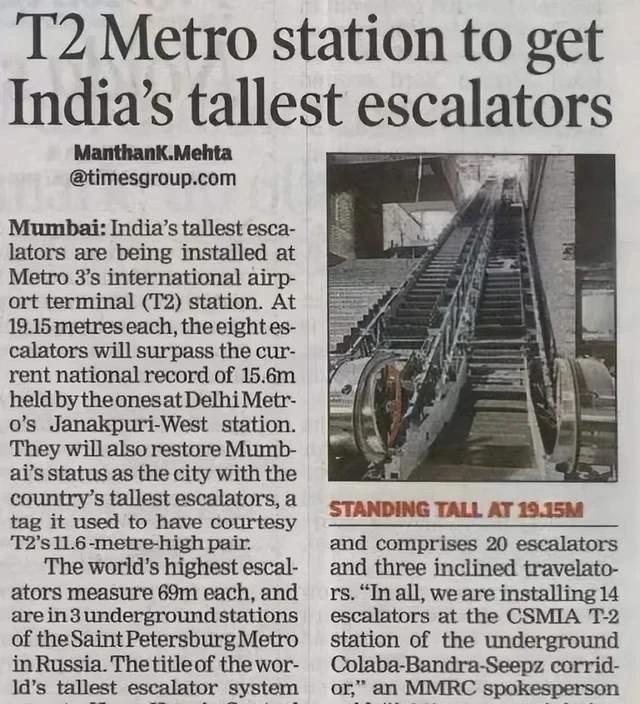
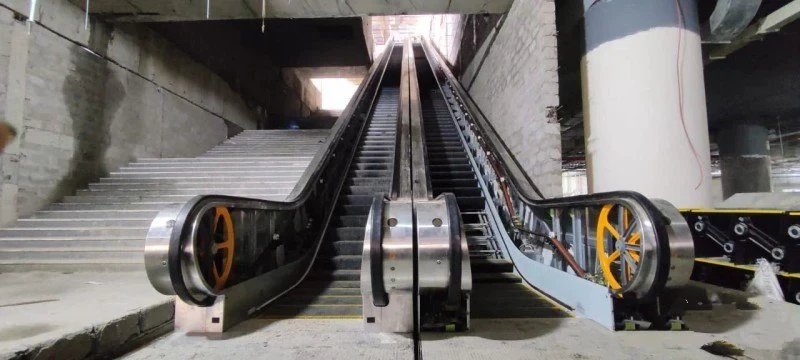
Chinese brand Bolinte Elevatorinstalled India's tallest escalators (19.15m Lifting height) in Mumbai Metro Line 3, connecting the international airport. These escalators featuredual-speed operation (0.5/0.65 m/s), regenerative energy systems, and AI-driven predictive maintenance, ensuring reliability in high-traffic environments. Local media extensively covered the project, highlighting its role in easing congestion in India's fastest-growing city.
2. High-Temperature Adaptation Technologies
Technical Innovations
▲Heat-Resistant Materials: Elevators in Rajasthan use components with enhanced thermal stability, tested under ISO 25745 standards to withstand prolonged exposure to 50°C heat.
▲IoT-Based Cooling Systems: Real-time temperature monitoring triggers automatic ventilation, reducing downtime during heatwaves. For instance, Canny Elevator's installations in Ahmedabad Metro include energy-efficient cooling modules.
Cultural Adaptation
In religious sites like Delhi's Jama Masjid, elevators integrate prayer-time alerts and non-slip flooring to accommodate barefoot users. Such designs align with India's diverse cultural needs.
3. Localization Strategies for Market Success
"Glocalization" in Manufacturing
To comply with India's "Make in India" policy, companies like Bolinte and Canny establish local factories, reducing logistics costs by 30% and accelerating delivery. For example, Bolinte's Mumbai plant supplies components for metro projects nationwide.
Community Engagement
In slum redevelopment projects (e.g., Dharavi), companies use multilingual comic strips (Hindi/English) to explain elevator benefits, addressing concerns of low-income residents. This approach increased acceptance rates by 45% in Mumbai's rehousing initiatives.
4. Challenges and Future Trends
Extreme Climate Risks
India's 2024 heatwave caused 87 deaths and strained power grids, highlighting the urgency of energy-efficient solutions. Elevators with solar-powered backup systems are gaining traction in rural areas.
AI and Predictive Maintenance
Bolinte's remote monitoring systems in Mumbai Metro predict failures 72 hours in advance, reducing repair costs by 25%. Similar technologies are being adopted in Delhi's residential retrofits.
Conclusion and Future Outlook
India's elevator industry thrives on balancing global innovation with local adaptability. From Mumbai's record-breaking escalators to Rajasthan's heat-resistant designs, success lies in understanding regional needs—whether climatic, cultural, or policy-driven. As India's urban population grows, collaborations between governments, manufacturers, and communities will define the future of vertical mobility.