Electrical energy is one of the most dangerous hazards encountered during elevator maintenance. Every year, technicians are injured because electrical circuits are not properly isolated before maintenance begins.
A professional lockout Tagout (LOTO) procedure prevents unexpected energization of elevator equipment and protects maintenance personnel from electrical shock, arc flash, and accidental equipment movement.
According to the Elevator Field Safety Quick Reference Manual, when electrical power is not required for maintenance, the equipment should be placed into a zero-energy state, isolated from its power source, locked, tagged, and verified using a digital multimeter before work begins.
This guide explains the complete elevator LOTO procedure, recommended elevator testing tools, inspection steps, and the lift spare parts commonly checked during electrical maintenance.
Why Lockout Tagout Is Essential
Elevator systems contain multiple sources of hazardous energy, including:
- Three-phase AC power
- Control circuits
- Battery backup systems
- Capacitors inside elevator drives
- Motor circuits
- Brake circuits
- Stored mechanical energy
Without proper isolation, maintenance personnel may be exposed to serious hazards.
The safety manual emphasizes that every technician is responsible for following safe work procedures and stopping work whenever safety is uncertain.
What Is Lockout Tagout (LOTO)?
Lockout Tagout is a safety procedure used to ensure that equipment cannot be energized unexpectedly while maintenance or repair work is being performed.
The process involves:
- Disconnecting power
- Locking the energy isolation device
- Attaching warning tags
- Verifying zero energy
- Performing maintenance safely
For elevator maintenance, LOTO applies whenever work can be completed without energized equipment.
Sources of Hazardous Energy in Elevators
Technicians should identify all hazardous energy before beginning work.
Common sources include:
Electrical Energy
- Main power supply
- Controller power
- Door operator circuits
- Lighting circuits
Mechanical Energy
- Moving elevator car
- Counterweight
- Brake spring force
- Rotating machinery
Stored Electrical Energy
Even after power is disconnected:
- Variable Frequency Drives (VFDs)
- Capacitors
- UPS systems
may still contain dangerous stored energy.
Required Lockout Equipment
The uploaded safety manual recommends that each technician be equipped with:
- An individually assigned safety padlock
- At least one lockout hasp
- A suitable lock for the main circuit breaker
- A CAT III or CAT IV digital multimeter
- Appropriate test leads and alligator clips

Step-by-Step Elevator Lockout Tagout Procedure
Step 1 – Notify Relevant Personnel
Before shutting down the elevator:
- Notify building management if required.
- Inform coworkers.
- Ensure the elevator car is empty.
The safety manual includes notifying responsible personnel as part of the lockout process.
Step 2 – Verify Test Equipment
Before testing the elevator controller:
Use a known live source (such as a 220 VAC outlet) to confirm that the digital multimeter is functioning correctly before relying on its readings.
This verification step reduces the risk of false "zero voltage" readings.
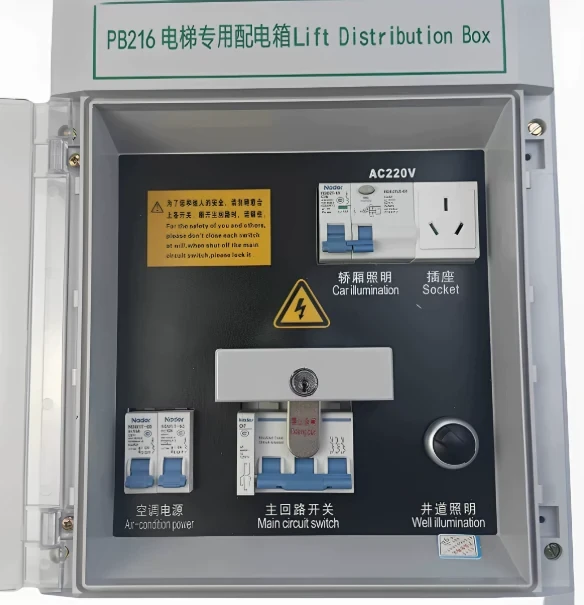
Step 3 – Disconnect the Main Power
Stand to the side of the main disconnect switch and turn your head away while operating it, as recommended in the safety manual. Warn nearby personnel before disconnecting power.
Step 4 – Apply Lockout Devices
Each technician working on the equipment should apply their own lock to the isolation device.
The manual emphasizes the principle of one lock per worker and specifies that only the individual who installed the lock may remove it later.
Step 5 – Verify Zero Energy
Using a CAT III/IV digital multimeter:
- Connect the alligator clip to ground.
- Measure each incoming phase individually.
- Perform the measurements with one hand while keeping the other hand behind your back.
Only after confirming that hazardous voltage has been removed should maintenance begin.

Safe Electrical Work Practices
The uploaded manual recommends several additional electrical safety practices:
- Remove metal jewelry such as rings, watches, necklaces, and keys before working near energized equipment.
- Use insulated tools when testing live circuits.
- Wear approved PPE for arc-flash protection.
- Ensure insulating footwear or insulating mats are used where appropriate.
- Do not repair extension cords with tape.
- When measuring energized circuits inside the controller, operate with one hand only.
Restoring Power After Maintenance
Before re-energizing the elevator:
- Remove tools from the work area.
- Confirm all maintenance is complete.
- Ensure personnel have left the hazardous area.
According to the safety manual:
- Only the technician who applied a lock may remove it.
- Stand to the side of the disconnect switch before restoring power.
- Inform nearby personnel before energizing the equipment.
- Verify that the elevator returns to normal operation after power is restored.
Elevator Testing Tools Required for LOTO
Professional technicians should carry the following elevator testing tools:
| Tool | Purpose |
|---|---|
| CAT III/IV Digital Multimeter | Voltage verification |
| Clamp Meter | Current measurement |
| Insulation Tester | Cable insulation testing |
| Lockout Kit | Energy isolation |
| Voltage Tester | Quick verification |
| Flashlight | Controller inspection |
| Insulated Screwdrivers | Electrical maintenance |
| Arc Flash PPE | Personal protection |
Lift Spare Parts Commonly Inspected During Electrical Maintenance
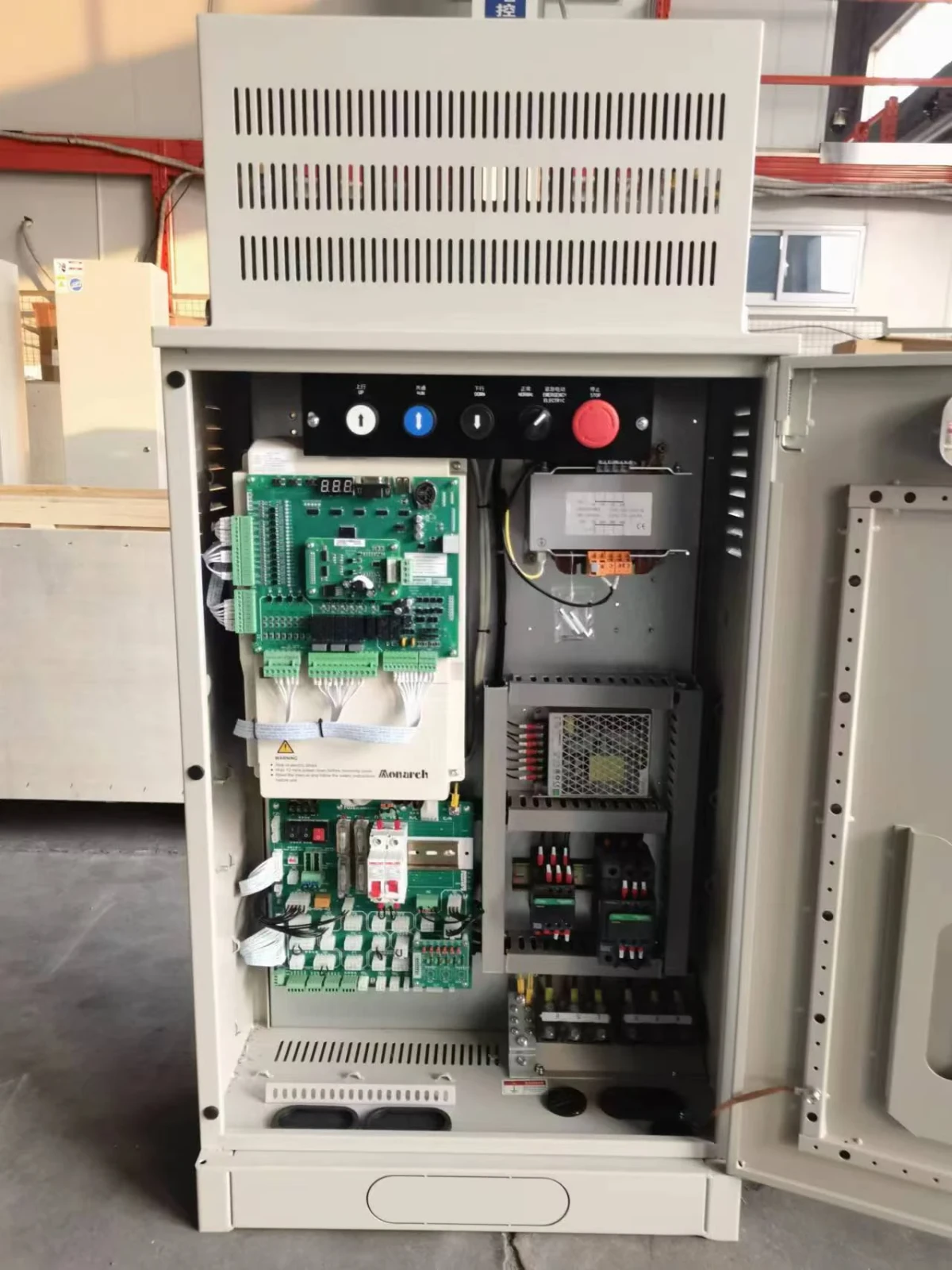
While performing LOTO procedures, technicians often inspect:
- Elevator controller terminals
- Main contactors
- Brake coils
- Control transformers
- Safety relays
- PCB boards
- Fuses
- Elevator door lock circuits
- Lift buttons
- Elevator door stopper sensors
Routine inspection of these elevator spare parts helps reduce unexpected failures.
Common Lockout Tagout Mistakes
Avoid these common errors:
❌ Failing to test for zero voltage
❌ Using another technician's lock
❌ Assuming power is disconnected
❌ Forgetting stored energy in capacitors
❌ Skipping communication with coworkers
❌ Using damaged elevator testing tools
Following a standardized procedure helps prevent these mistakes.
Choosing a Reliable Elevator Parts Supplier
A professional elevator parts supplier should offer:
- OEM-quality elevator spare part products
- Technical documentation
- Fast worldwide delivery
- Product traceability
- Technical support
Common products include:
- Elevator controller boards
- Elevator door lock assemblies
- Lift buttons
- Guide shoes
- Elevator door stopper components
- Safety relays
- Contactors
- Elevator parts for sale
Using high-quality lift spare parts improves both reliability and safety.
Frequently Asked Questions
Why is zero-voltage verification necessary?
Disconnecting the switch alone does not guarantee that hazardous voltage has been eliminated. The uploaded safety manual requires verification with a digital multimeter before work begins.
Who should remove a Lockout Tagout device?
According to the safety manual, only the technician who installed the lock should remove it.
Which elevator testing tools are required for LOTO?
Recommended tools include:
- CAT III/IV digital multimeter
- Clamp meter
- Insulation tester
- Lockout kit
- Insulated screwdrivers
What components are commonly inspected during electrical maintenance?
Typical inspection items include:
- Elevator controller
- Safety relays
- Brake circuits
- Elevator door lock circuits
- Lift buttons
- PCB boards
- Power terminals
Conclusion
Lockout Tagout is one of the most important safety procedures in elevator maintenance. Proper electrical isolation, verification of zero energy, and disciplined work practices significantly reduce the risk of electrical accidents.
By following the procedures outlined in the uploaded safety manual—including locking the disconnect, verifying zero voltage with a CAT III/IV multimeter, and ensuring only the installer removes the lock—technicians can perform maintenance more safely.
Combining safe work practices with routine inspection of critical lift spare parts, professional elevator testing tools, and support from a trusted elevator parts supplier helps keep elevator systems reliable, compliant, and safe.