Introduction
The guide shoe is a critical mechanical component in an elevator system. It connects the elevator cAr or counterweight to the guide rails and helps maintain controlled, stable movement as the elevator travels through the shaft.
A worn or damaged guide shoe can affect ride comfort, create abnormal noise and vibration, increase guide rail wear, and contribute to alignment problems. For this reason, guide shoe inspection should be included in regular elevator maintenance.
For professional elevator technicians, guide shoe maintenance is not simply a matter of replacing a worn component. A proper inspection should consider the guide shoe itself, guide rails, mounting hardware, lubrication where applicable, alignment, abnormal vibration, and related mechanical components.
This guide explains the function of elevator guide shoes, common types, inspection procedures, wear symptoms, replacement considerations, troubleshooting methods, and the relationship between guide shoes and other Lift spare parts.
What Is an Elevator Guide Shoe?
An elevator guide shoe is a mechanical device that guides the elevator car or counterweight along the vertical guide rails.
The guide shoe helps maintain the correct relationship between:
- Elevator car frame
- Guide rail
- Elevator shaft
- Counterweight
- Suspension system
During normal elevator operation, the guide shoe moves continuously along the guide rail.
Depending on the elevator design and application, different guide shoe constructions may be used.
Why Is the Guide Shoe Important?
The guide shoe directly influences elevator ride quality.
A properly maintained guide shoe helps provide:
- Smooth elevator movement
- Stable car alignment
- Reduced vibration
- Reduced abnormal noise
- Controlled movement along the guide rail
When a guide shoe becomes excessively worn, damaged, loose, or incorrectly adjusted, the elevator may develop noticeable changes in ride quality.
Possible symptoms include:
- Vibration
- Squeaking
- Rattling
- Scraping sounds
- Uneven movement
- Increased noise
- Poor ride comfort
However, these symptoms are not necessarily caused by the guide shoe alone. Technicians should inspect the complete guidance system before replacing components.
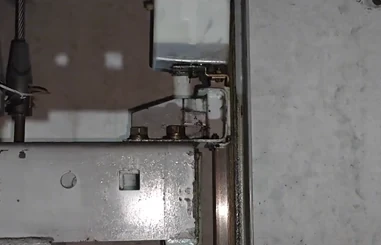
Types of Elevator Guide Shoes
Different elevator designs use different types of guide shoes.
The most common categories include:
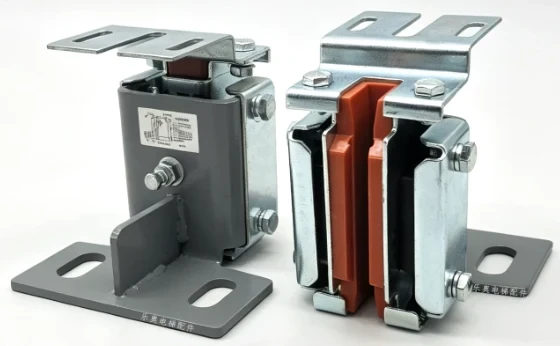
Sliding Guide Shoes
Sliding guide shoes use a sliding surface that contacts the guide rail.
They are commonly found on many traditional elevator systems.
Important inspection points include:
- Sliding surface wear
- Lubrication condition where applicable
- Mounting condition
- Alignment
- Excessive movement
Roller Guide Shoes
Roller guide shoes use rollers to travel along the guide rail.
They can provide smooth movement when correctly maintained.
Inspection should include:
- Roller condition
- Bearing condition
- Roller alignment
- Mounting hardware
- Abnormal noise
- Excessive play
Guide Shoe Components
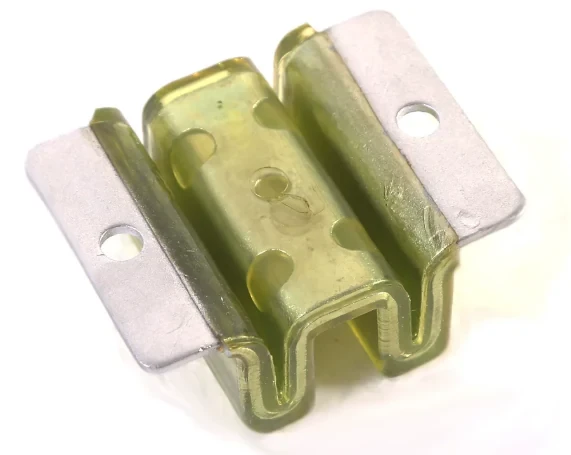
Although construction varies by manufacturer, a guide shoe assembly may include:
- Guide shoe body
- Sliding insert or roller
- Mounting bracket
- Fasteners
- Springs or adjustment components
- Lubrication components where applicable
Always identify the exact guide shoe model before ordering a replacement elevator spare part.
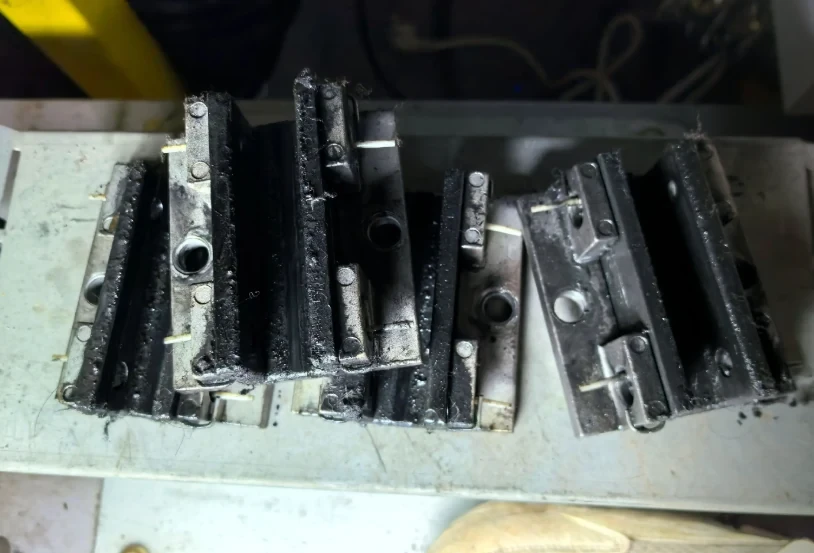
Common Causes of Guide Shoe Wear
Guide shoe wear can result from several different conditions.
1. Normal Operating Wear
Guide shoes travel repeatedly along the guide rails during normal elevator operation.
Over time, contact surfaces may wear.
The rate of wear depends on:
- Elevator usage
- Load conditions
- Travel speed
- Guide rail condition
- Maintenance practices
- Guide shoe design
2. Poor Guide Rail Condition
A damaged, contaminated, or poorly maintained guide rail can accelerate guide shoe wear.
Inspect the rail for:
- Surface damage
- Contamination
- Abnormal wear
- Misalignment
- Loose rail fasteners
Replacing a guide shoe without investigating the guide rail may not solve the underlying problem.
3. Incorrect Alignment
Incorrect alignment can cause uneven loading of the guide shoe.
This may result in:
- Uneven wear
- Increased friction
- Abnormal vibration
- Noise
4. Loose Mounting Hardware
Loose bolts or mounting hardware can allow the guide shoe to move abnormally.
During inspection, check all accessible mounting points according to the manufacturer's maintenance procedure.
5. Damaged Rollers or Bearings
For roller guide shoes, worn bearings or damaged rollers can produce:
- Noise
- Vibration
- Uneven rotation
- Excessive play
A roller guide shoe should be evaluated as an assembly rather than looking only at the roller surface.
Signs That an Elevator Guide Shoe May Need Attention
Technicians should investigate the guide shoe when passengers or maintenance personnel report:
Abnormal Vibration
The elevator may vibrate more than usual during travel.
Scraping or Squeaking
Unusual mechanical sounds may indicate contact or wear problems.
Increased Ride Noise
Noise that changes with travel direction or speed should be investigated.
Uneven Wear
If the guide shoe shows significantly uneven wear, inspect alignment and guide rail condition.
Excessive Mechanical Movement
Unexpected movement of the guide shoe assembly may indicate worn components or loose mounting hardware.
Step-by-Step Elevator Guide Shoe Inspection
A systematic inspection helps technicians identify the actual cause of the problem.
Step 1 — Follow the Site Safety Procedure
Before accessing the car top or pit, follow the applicable site safety procedure.
The uploaded safety manual states that personnel must follow the procedures for entering and leaving the car top and pit and confirm that the safety circuit is functioning before entering the shaft.
When working on the car top, the manual also requires technicians to verify the inspection controls and emergency stop functions before beginning work.
Step 2 — Perform a Visual Inspection
Check the guide shoe for:
- Cracks
- Deformation
- Excessive wear
- Loose components
- Missing hardware
- Abnormal contamination
Photograph any abnormal condition for the maintenance record.
Step 3 — Inspect the Guide Rail
The guide shoe and guide rail work as a system.
Inspect the guide rail for:
- Surface damage
- Contamination
- Corrosion
- Abnormal wear
- Alignment problems
If both the guide shoe and guide rail show abnormal wear, investigate the cause before replacing components.
Step 4 — Check Mounting Hardware
Inspect:
- Mounting bolts
- Brackets
- Fasteners
- Adjustment components
Loose hardware can create vibration and abnormal movement.
Step 5 — Check for Excessive Play
Move the relevant component only within the manufacturer's approved inspection procedure.
Excessive movement may indicate:
- Worn guide shoe
- Worn roller bearings
- Loose mounting
- Damaged adjustment components
Do not establish a replacement decision from movement alone without checking the manufacturer's specified tolerances.
Step 6 — Inspect Lubrication Where Applicable
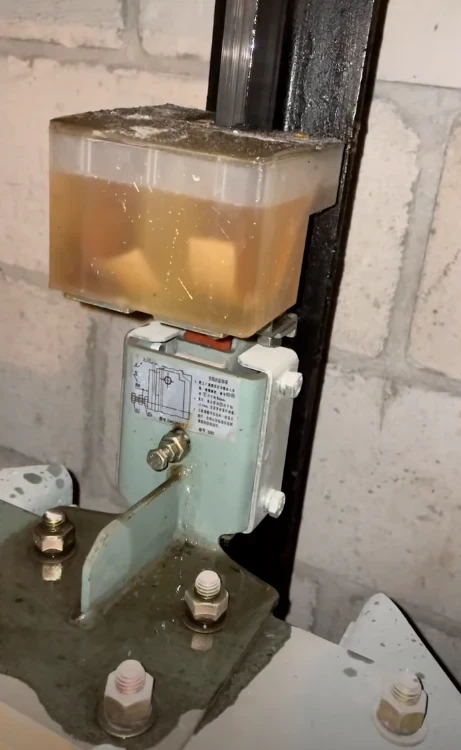
Some sliding guide shoe systems require lubrication, while others use materials or designs that do not require the same lubrication method.
Therefore:
Never assume that every guide shoe should be lubricated.
Follow the elevator manufacturer's maintenance instructions for the specific model.
Guide Shoe Troubleshooting
A good technician should avoid immediately replacing the guide shoe simply because vibration is present.
Use a systematic troubleshooting process.
| Symptom | Possible Cause |
|---|---|
| Abnormal vibration | Guide shoe, rail condition, alignment, mounting |
| Squeaking noise | Sliding surface, lubrication, contamination |
| Scraping sound | Contact condition, alignment, damaged component |
| Roller noise | Roller or bearing condition |
| Uneven wear | Alignment or loading issue |
| Excessive movement | Wear or loose mounting |
| Ride quality deterioration | Guide shoe, rail, alignment or other mechanical components |
These symptoms are diagnostic starting points rather than definitive fault conclusions.
Using Elevator Testing Tools During Guide Shoe Maintenance
Most guide shoe inspection is mechanical, but professional technicians may still use elevator testing tools to investigate related problems.
Useful equipment may include:
- Digital multimeter
- Infrared thermometer
- Flashlight
- Inspection mirror
- Feeler gauge where specified
- Measuring tools
- Torque wrench
Electrical testing tools should only be used when required by the troubleshooting procedure and with appropriate electrical safety precautions.
The uploaded safety manual specifically emphasizes using the correct tools and methods and using appropriate PPE.
When Should an Elevator Guide Shoe Be Replaced?
A guide shoe may require replacement when inspection confirms:
- Excessive wear
- Cracking
- Deformation
- Damaged sliding material
- Damaged rollers
- Bearing problems
- Persistent abnormal movement
- Other conditions outside the manufacturer's acceptable limits
There should not be one universal replacement dimension for every elevator.
Different manufacturers and guide shoe designs have different tolerances.
Therefore, always compare the measured condition with the applicable manufacturer's maintenance documentation.
Guide Shoe Replacement Procedure
A guide shoe replacement is not simply a matter of removing the old component and installing a new one.
A professional procedure should include:
1. Identify the Correct Replacement
Record:
- Elevator manufacturer
- Elevator model
- Guide shoe type
- Part number
- Car or counterweight position
- Left/right configuration where applicable
This prevents ordering the wrong elevator spare part.
2. Prepare the Work Area
Make sure:
- The elevator is under appropriate maintenance control.
- The work area is secure.
- Required tools are available.
- Replacement components are verified.
3. Remove the Existing Guide Shoe
Follow the manufacturer's approved procedure.
The specific method depends on:
- Elevator construction
- Car frame design
- Guide shoe type
- Access conditions
4. Inspect Related Components
Before installing the replacement, inspect:
- Guide rail
- Mounting bracket
- Fasteners
- Adjustment components
- Nearby mechanical components
Replacing only the visible worn part may not correct the underlying problem.
5. Install the New Guide Shoe
Install the replacement according to the manufacturer's specifications.
Pay particular attention to:
- Mounting position
- Alignment
- Fastener tightening
- Adjustment requirements
6. Perform a Functional Test
After installation:
- Check mechanical movement.
- Verify the guide shoe is correctly positioned.
- Run the elevator under the approved maintenance procedure.
- Listen for abnormal noise.
- Check for abnormal vibration.
- Confirm ride quality.
Any unusual condition should be investigated before returning the elevator to normal service.
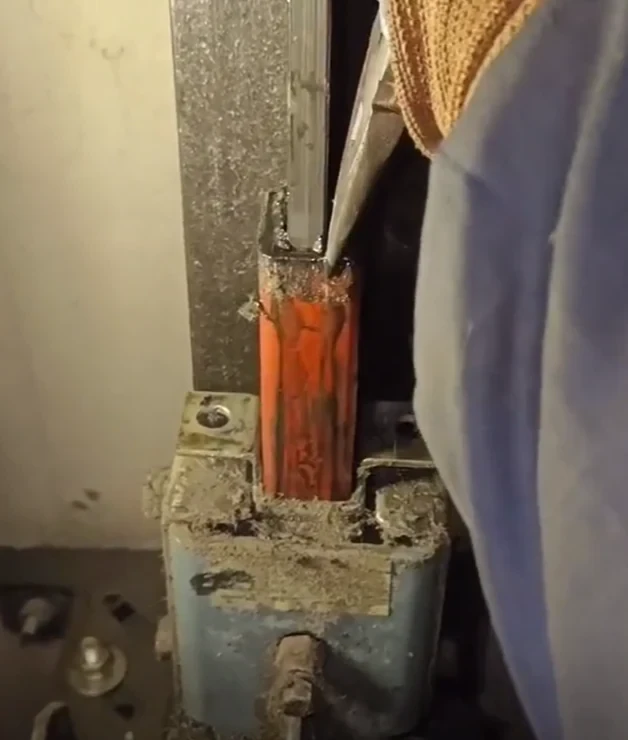
Guide Shoe Maintenance Checklist
A simple checklist can help technicians standardize inspections.
Visual Condition
☐ No cracks
☐ No deformation
☐ No excessive wear
☐ No missing hardware
Mechanical Condition
☐ Mounting is secure
☐ No abnormal play
☐ Rollers rotate correctly where applicable
☐ Sliding surface is in acceptable condition
Guide Rail
☐ Rail surface inspected
☐ No abnormal contamination
☐ No obvious damage
☐ Alignment checked where required
After Maintenance
☐ Correct replacement part installed
☐ Fasteners checked
☐ Required adjustments completed
☐ Functional test completed
☐ Maintenance record updated
Guide Shoe and Other Elevator Spare Parts
A guide shoe rarely exists in isolation.
During maintenance, technicians may also inspect related lift spare parts, including:
- Guide shoe
- Guide rail components
- Roller assemblies
- Door rollers
- Elevator door lock
- Elevator door stopper
- Traveling cable
- Safety switches
- Lift buttons
A complete inspection helps technicians identify related problems before they become major failures.
How to Choose a Guide Shoe Supplier
When purchasing a guide shoe as an elevator spare part, compatibility is more important than appearance alone.
Before ordering, confirm:
- Part number
- Elevator manufacturer
- Elevator model
- Guide rail dimensions
- Guide shoe type
- Mounting configuration
- Required quantity
A reliable elevator parts supplier should be able to provide accurate product information and technical assistance.
Why Quality Matters When Buying Lift Spare Parts
A low-quality guide shoe can create additional maintenance problems.
Poor-quality components may result in:
- Shorter service life
- Abnormal noise
- Poor ride quality
- Increased wear
- Repeated replacement
When purchasing lift spare parts, maintenance companies should consider component compatibility, manufacturing quality, technical documentation, and supplier support.
A professional elevator parts supplier can help maintenance teams identify the appropriate replacement component based on the elevator model and original part number.
Elevator Parts for Sale: What Information Should You Provide?
When requesting elevator parts for sale, provide as much technical information as possible.
For a guide shoe, useful information includes:
- Elevator brand
- Elevator model
- Part number
- Photo of the existing guide shoe
- Photo of the nameplate
- Guide rail information
- Quantity required
Providing these details allows the supplier to verify compatibility before shipment.
Frequently Asked Questions
What does an elevator guide shoe do?
An elevator guide shoe guides the elevator car or counterweight along the guide rail and helps maintain controlled movement through the shaft.
How do I know if an elevator guide shoe is worn?
Common warning signs include abnormal vibration, unusual noise, visible wear, excessive movement, and deterioration of ride quality. However, these symptoms can have multiple causes, so the complete guide system should be inspected.
How often should guide shoes be replaced?
There is no universal replacement interval. Replacement should be based on the elevator manufacturer's maintenance requirements, actual wear, operating conditions, and inspection results.
Can I use any guide shoe as a replacement?
No. Guide shoes are not universally interchangeable. Always verify the part number, elevator model, guide rail configuration, and manufacturer's specifications before installation.
What other elevator spare parts should be inspected with a guide shoe?
Depending on the elevator design, technicians may also inspect the guide rails, mounting hardware, rollers, door components, elevator door lock, elevator door stopper, and other related lift spare parts.
Conclusion
The elevator guide shoe is a relatively small component, but it plays an important role in maintaining stable and comfortable elevator movement.
Effective guide shoe maintenance requires more than simply checking whether the component looks worn. Technicians should inspect the complete guidance system, including the guide shoe, guide rail, mounting hardware, alignment, and related mechanical components.
When replacement is necessary, selecting the correct elevator spare part is essential. A reliable elevator parts supplier should be able to provide compatible lift spare parts, accurate product information, and technical support.
Combined with proper maintenance procedures and appropriate elevator testing tools, systematic guide shoe inspection can help reduce abnormal vibration, prevent repeated failures, and improve elevator reliability.
For maintenance companies looking for elevator parts for sale, always provide the elevator model and original part number whenever possible to ensure the correct replacement component is supplied.