Introduction
The elevator door system is one of the most frequently operated pArts of an elevator. Every day, the landing doors and car doors may complete hundreds or thousands of opening and closing cycles.
The elevator door stopper is an important mechanical component within the door system. Depending on the elevator design, a door stopper may be used to limit door travel, control the final position of the door, prevent excessive movement, or protect other door components from mechanical impact.
Although the door stopper is relatively small compared with the elevator controller or door operator, incorrect adjustment or damage can cause door closing problems, abnormal noise, mechanical interference, and repeated elevator shutdowns.
This guide explains the function of an elevator door stopper, common failure symptoms, inspection procedures, adjustment considerations, replacement methods, and how to select the correct elevator spare part.
What Is an Elevator Door Stopper?
An elevator door stopper is a mechanical component designed to limit or control the movement of an elevator door.
Its exact structure varies between elevator manufacturers and door systems.
Depending on the design, it may work together with:
- Door panels
- Door tracks
- Door rollers
- Door operator
- Door linkage
- Door lock
- Mechanical stops
- Door sill
The stopper helps prevent the door from traveling beyond its intended mechanical position.
Why Is the Elevator Door Stopper Important?
The elevator door system must operate smoothly and repeatedly.
A properly functioning door stopper can help:
- Limit excessive door travel
- Reduce mechanical impact
- Protect door components
- Maintain the intended door position
- Reduce abnormal noise
- Improve door operation reliability
If the stopper is damaged or incorrectly adjusted, the door may not stop at the correct position.
Possible symptoms include:
- Door impact
- Abnormal noise
- Door vibration
- Door reopening
- Door closing problems
- Mechanical interference
- Repeated door-related faults
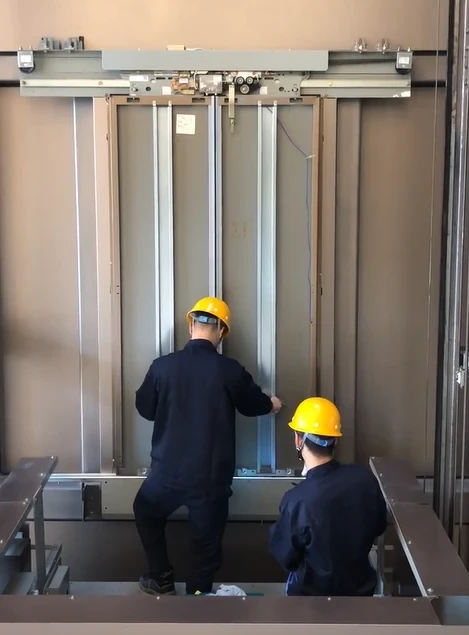
Elevator Door Stopper vs. Elevator Door Lock
The door stopper and elevator door lock perform completely different functions.
Elevator Door Stopper
Primarily controls or limits mechanical door movement.
Elevator Door Lock
Provides the required mechanical locking and electrical safety confirmation for the landing door.
The door lock is part of the elevator safety system, while the stopper is generally part of the mechanical door system.
Technicians should not confuse these two components when troubleshooting a door fault.
Common Types of Elevator Door Stopper
The exact design depends on the elevator manufacturer and door operator.
Common configurations may include:
Mechanical Stopper
A physical component limits the travel of the door panel.
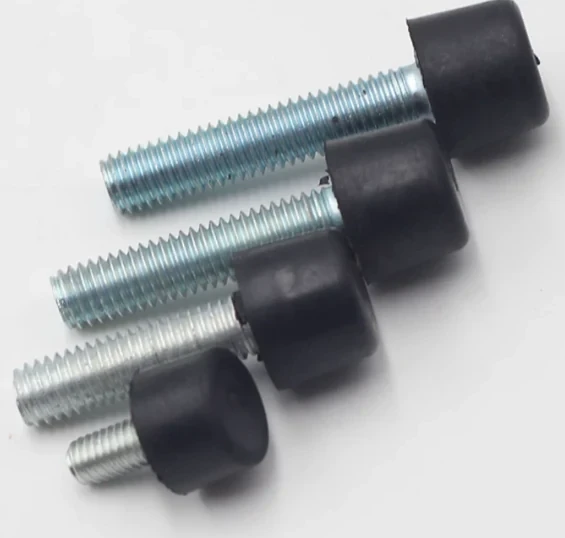
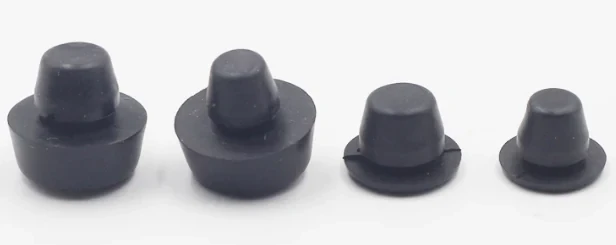
Rubber or Cushioned Stopper
A resilient material absorbs part of the impact when the door reaches its final position.
Adjustable Stopper
The stopping position can be adjusted according to the manufacturer's specified procedure.
Integrated Door Mechanism Stop
Some elevator door systems incorporate the stopping function directly into the door mechanism.
Always identify the actual door system before ordering replacement lift spare parts.
Common Elevator Door Stopper Problems
1. Worn Stopper
Repeated door movement can gradually wear the stopper.
Possible symptoms:
- Increased door travel
- Stronger impact
- Abnormal noise
- Door position changes
2. Damaged Rubber or Cushion
If the stopper uses a rubber or cushioning element, it may become:
- Cracked
- Hardened
- Deformed
- Detached
This can increase mechanical impact.
3. Loose Mounting
A loose stopper may move from its original position.
Possible symptoms include:
- Door stopping inconsistently
- Door vibration
- Mechanical noise
- Incorrect door position
4. Incorrect Adjustment
An incorrectly positioned stopper can cause:
- Door opening too far
- Door closing too far
- Mechanical interference
- Door operator stress
Adjustment should always follow the manufacturer's specified dimensions and procedure.
5. Foreign Objects or Contamination
Dust, metal particles, dirt, or other debris can interfere with door movement.
The complete door mechanism should be inspected rather than replacing the stopper immediately.
Symptoms of a Faulty Elevator Door Stopper
A technician may encounter the following symptoms.
Abnormal Door Noise
A hard mechanical impact may indicate a stopper or adjustment problem.
Door Vibration
Excessive movement can cause vibration when the door reaches its final position.
Door Does Not Stop Correctly
The door may travel farther than expected.
Door Position Is Incorrect
The door may not align correctly with the intended fully open or closed position.
Repeated Door Faults
A mechanical door problem may indirectly contribute to repeated controller faults.
However, door faults can have many causes. Always inspect the complete door system before replacing a component.
Step-by-Step Elevator Door Stopper Inspection
Step 1 — Follow the Safety Procedure
Before inspecting elevator door components, follow the applicable maintenance and site safety procedures.
If work requires access to the car top or pit, ensure the appropriate inspection controls, emergency stop devices, and safety procedures have been verified.
Never work on moving door mechanisms without appropriate maintenance control.
Step 2 — Perform a Visual Inspection
Check the stopper for:
- Cracks
- Deformation
- Excessive wear
- Missing components
- Loose fasteners
- Abnormal contact marks
Take photographs of abnormal conditions for maintenance records.
Step 3 — Inspect the Door Panel
A stopper problem may actually be caused by another component.
Inspect:
- Door panel
- Door rollers
- Door track
- Door hanger
- Door linkage
- Door operator
Step 4 — Check the Door Movement
Operate the door according to the approved maintenance procedure.
Observe:
- Opening movement
- Closing movement
- Final stopping position
- Abnormal noise
- Vibration
- Mechanical impact
Step 5 — Check the Stopper Position
Verify that the stopper is positioned according to the manufacturer's specified adjustment.
Do not rely on visual judgment alone when a manufacturer specifies a measurement.
Step 6 — Inspect Related Door Components
If the stopper appears normal but the door still has problems, inspect:
- Door lock
- Door rollers
- Door operator
- Door coupling
- Door belt
- Door sensors
This prevents unnecessary replacement of elevator spare parts.
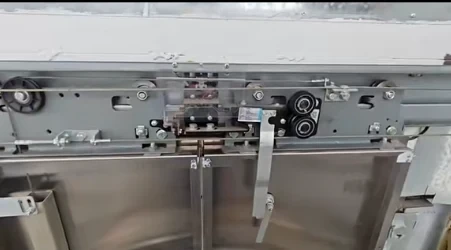
Elevator Door Stopper Adjustment
Door stopper adjustment is highly dependent on the specific elevator door system.
Before making an adjustment:
- Identify the elevator manufacturer.
- Confirm the door operator model.
- Locate the original adjustment position.
- Check the manufacturer's specifications.
- Measure the current condition.
- Make a small adjustment.
- Test door operation.
- Recheck the final position.
Avoid making large adjustments without understanding the manufacturer's intended setting.
An incorrect stopper position may cause additional mechanical problems.
Using Elevator Testing Tools During Door Maintenance
Although the door stopper itself is a mechanical component, professional technicians may use elevator testing tools when troubleshooting the complete door system.
Useful tools include:
- Digital multimeter
- Feeler gauge where specified
- Vernier caliper
- Steel ruler
- Torque wrench
- Inspection mirror
- Flashlight
Electrical tools may be required when checking:
- Door lock contacts
- Door sensors
- Door operator circuits
- Safety circuit signals
The elevator door stopper should therefore be evaluated together with the complete door system.
Elevator Door Stopper Replacement Procedure
When a stopper is confirmed to be damaged or outside the manufacturer's acceptable condition, replacement may be required.
Step 1 — Identify the Correct Part
Record:
- Elevator manufacturer
- Elevator model
- Door operator model
- Original part number
- Door configuration
- Existing stopper dimensions
Step 2 — Compare the Replacement Part
Before installation, compare:
- Mounting holes
- Dimensions
- Material
- Shape
- Adjustment range
- Original part number
Do not install a replacement simply because it looks similar.
Step 3 — Remove the Existing Stopper
Follow the manufacturer's approved maintenance procedure.
Secure the door system and prevent unexpected movement before removing the component.
Step 4 — Install the New Stopper
Install the replacement according to the manufacturer's instructions.
Check:
- Mounting position
- Fastener tightness
- Alignment
- Clearance
- Door travel
Step 5 — Test the Door
After installation:
- Open the door.
- Close the door.
- Observe the stopping position.
- Listen for abnormal noise.
- Check for mechanical impact.
- Verify the door lock and safety circuit.
- Perform the required functional test.
Door Stopper and Elevator Door Lock Troubleshooting
A door stopper problem can sometimes be mistaken for an elevator door lock problem.
For example:
If the door does not reach the correct closed position, the door lock may not engage correctly.
This does not necessarily mean that the door lock itself is defective.
The technician should inspect:
- Door panel movement
- Door rollers
- Door stopper
- Door operator
- Door alignment
- Door lock
- Safety circuit
This systematic approach can prevent unnecessary replacement of expensive lift spare parts.
Elevator Door Stopper Maintenance Checklist
Visual Inspection
- Stopper is not cracked.
- No obvious deformation.
- No excessive wear.
- Mounting hardware is secure.
- Cushioning material is in acceptable condition where applicable.
Door Operation
- Door opens smoothly.
- Door closes smoothly.
- Final stopping position is correct.
- No abnormal impact.
- No abnormal vibration.
- No unusual noise.
Related Components
- Door rollers inspected.
- Door track inspected.
- Door operator inspected.
- Door lock inspected.
- Door sensors inspected where applicable.
After Maintenance
- Correct replacement part installed.
- Adjustment completed according to manufacturer requirements.
- Functional test completed.
- Maintenance record updated.
Choosing the Correct Elevator Door Stopper
When purchasing an elevator spare part, compatibility is critical.
Provide the supplier with:
- Original part number
- Elevator manufacturer
- Elevator model
- Door operator model
- Photos
- Dimensions
- Quantity
A professional elevator parts supplier can use this information to identify a suitable replacement.
Quality Lift Spare Parts for Elevator Door Systems
A complete elevator door maintenance program may require many different lift spare parts, including:
- Elevator door stopper
- Elevator door lock
- Door rollers
- Door hanger
- Door operator belt
- Door coupling
- Door sensors
- Door controller
- Lift buttons
- Landing call buttons
Using compatible and reliable components can help reduce repeat maintenance.
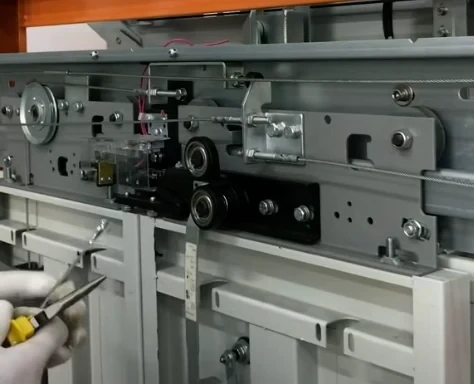
How to Choose a Reliable Elevator Parts Supplier
When purchasing elevator parts for sale, consider the supplier's:
- Product range
- Part number accuracy
- Technical support
- Product quality
- Compatibility information
- International shipping capability
- After-sales service
A professional elevator parts supplier should be able to provide more than a product photograph. Technical information is particularly important for mechanical components such as door stoppers.
Frequently Asked Questions
What does an elevator door stopper do?
An elevator door stopper generally limits or controls the mechanical travel of the door. Its exact function and construction depend on the elevator door system.
Is an elevator door stopper the same as a door lock?
No.
The door stopper is primarily a mechanical travel-limiting component, while the elevator door lock is a safety component that confirms the landing door is mechanically locked and electrically secured.
How often should an elevator door stopper be replaced?
There is no universal replacement interval. Replacement should be based on actual condition, wear, manufacturer requirements, and maintenance inspection results.
Can any elevator door stopper be used as a replacement?
No. Different elevator door systems use different designs and dimensions. Always verify the original part number and elevator model.
What other parts should be inspected when replacing a door stopper?
Inspect the door rollers, door track, door operator, door alignment, door lock, sensors, and related elevator spare parts.
Conclusion
The elevator door stopper is a small but important component of the elevator door system. Proper inspection and adjustment can help prevent excessive door movement, abnormal impact, mechanical noise, and unnecessary component wear.
When troubleshooting a door problem, technicians should avoid replacing the stopper immediately based only on symptoms. The complete door system—including the door operator, rollers, alignment, elevator door lock, and safety circuit—should be considered.
When replacement is necessary, selecting the correct elevator spare part is essential. Providing the original part number, elevator model, door operator information, dimensions, and photographs can help an elevator parts supplier identify the correct component.
For maintenance companies looking for elevator parts for sale, high-quality lift spare parts combined with professional elevator testing tools and systematic maintenance procedures can significantly improve elevator reliability.