Introduction
The elevator door lock is one of the most critical safety components in any elevator system. Every elevator installed worldwide depends on a properly functioning door lock to ensure that the elevator car cannot move unless all landing doors are securely locked.
Statistics from the elevator industry show that many service interruptions and safety faults are directly related to landing door lock circuits, mechanical wear, or electrical contact failures. Whether you maintain passenger elevators, freight elevators, or hospital Lifts, understanding how to inspect and troubleshoot an elevator door lock is an essential skill.
In this guide, we will explain:
- How an elevator door lock works
- Common failure modes
- Step-by-step inspection procedures
- Recommended elevator testing tools
- Preventive maintenance practices
- Frequently replaced lift spare parts
What Is an Elevator Door Lock?
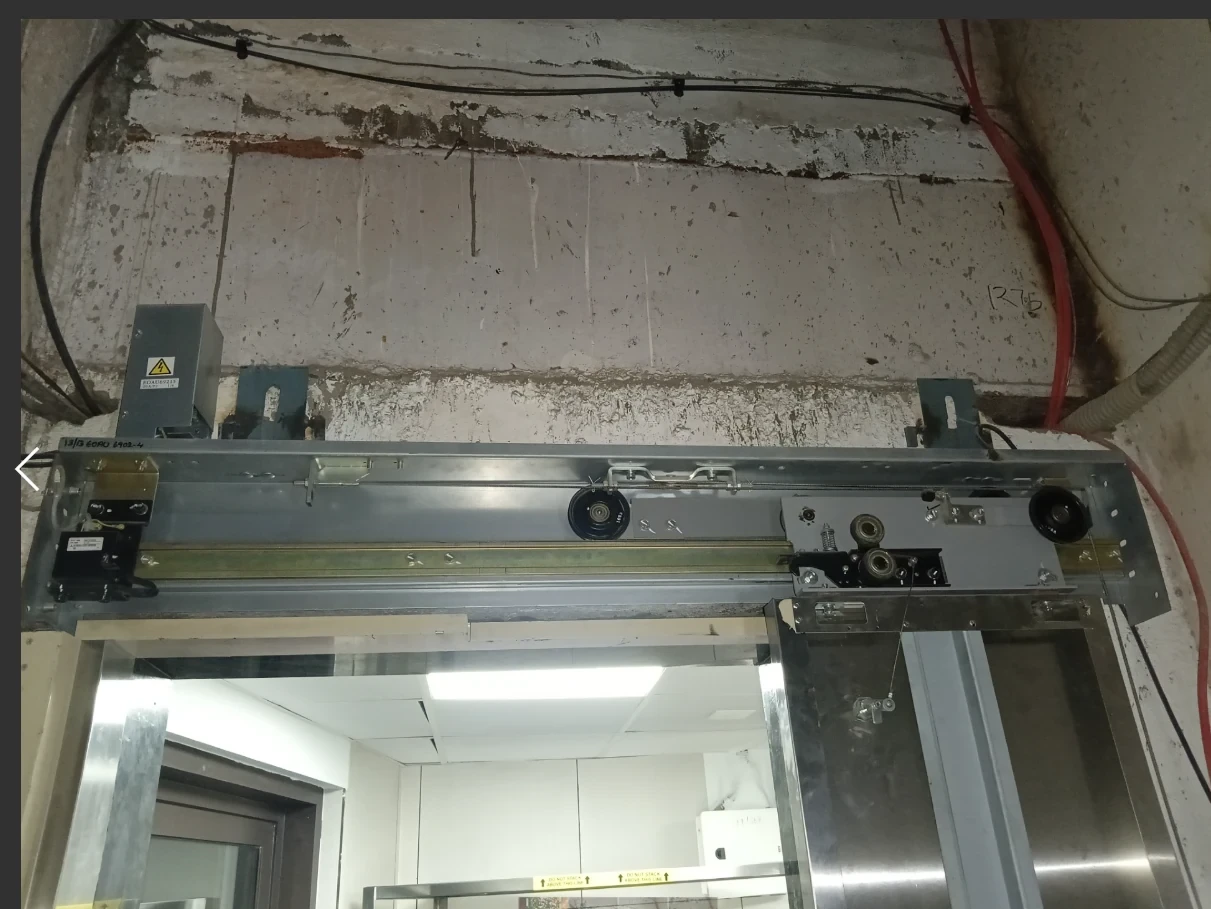
An elevator door lock is a safety device installed on each landing door. It performs two essential functions:
- Prevents passengers from opening the landing door when the elevator car is not present.
- Prevents the elevator from moving unless all landing doors are fully closed and mechanically locked.
The door lock combines a mechanical locking mechanism with electrical safety contacts. Both must operate correctly to satisfy the elevator safety circuit.
Without a functioning door lock, the elevator controller will typically prevent normal operation and display a fault code.
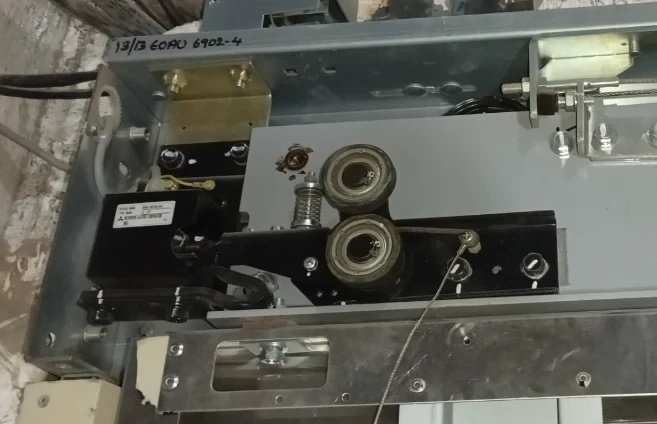
Main Components of an Elevator Door Lock
A standard elevator door lock assembly consists of several key components:
Mechanical Locking Hook
Engages with the landing door keeper to secure the door.
Safety Contact
Confirms the mechanical lock is fully engaged before allowing the elevator to move.
Locking Roller
Reduces friction and ensures smooth locking action.
Spring Assembly
Provides the force required for reliable locking and unlocking.
Adjustment Mechanism
Allows technicians to fine-tune lock engagement and contact timing.
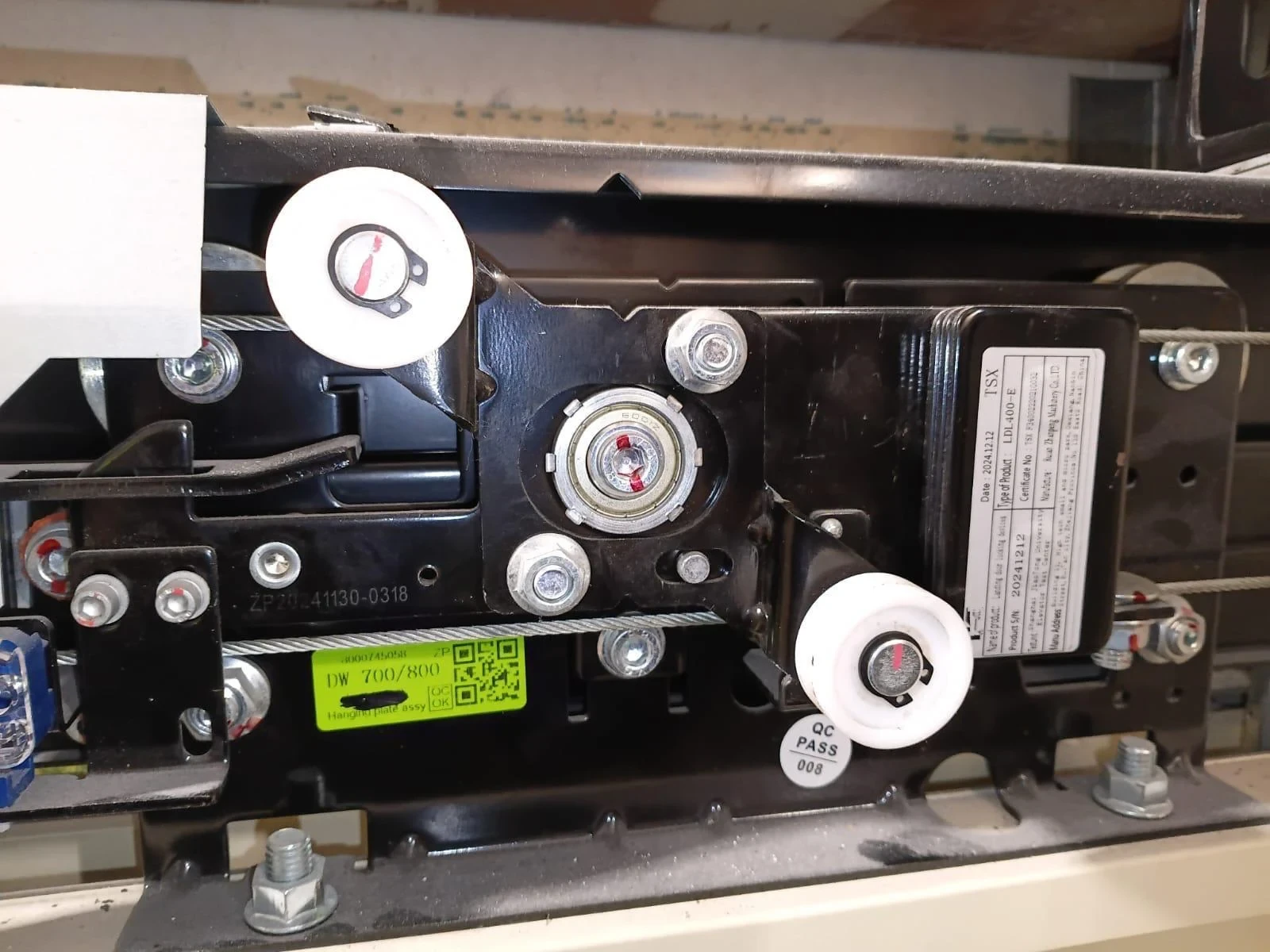
How an Elevator Door Lock Works
The operating sequence is straightforward but critical:
- The landing door closes.
- The mechanical lock hook engages.
- The safety contact closes.
- The controller verifies that every landing door lock in the safety circuit is closed.
- The elevator is permitted to move.
If any door lock fails to engage correctly, the controller interrupts operation immediately.
Why Door Lock Inspection Is Important
A faulty door lock can lead to:
- Elevator shutdowns
- Passenger entrapment
- Intermittent faults
- Safety circuit interruptions
- Increased maintenance costs
Routine inspection helps identify problems before they result in service calls or safety risks.
Common Elevator Door Lock Problems
1. Mechanical Wear
After years of operation, locking hooks and rollers may become worn.
Symptoms include:
- Poor locking engagement
- Excessive play
- Door vibration
- Difficulty closing the landing door
2. Dirty Contacts
Dust, oil, or oxidation may contaminate the electrical safety contacts.
Common symptoms:
- Intermittent faults
- Random shutdowns
- Door lock circuit alarms
Cleaning or replacing the contacts often restores reliable operation.
3. Loose Wiring
Repeated door movement may loosen terminal connections.
Inspect for:
- Broken conductors
- Loose terminals
- Damaged insulation
- Connector corrosion
4. Misalignment
Building settlement or door operator wear may cause lock misalignment.
Typical symptoms include:
- Door not closing completely
- Lock hook not engaging
- Frequent safety circuit interruptions
Proper adjustment restores normal operation.
5. Broken Springs
Weak or damaged springs may prevent complete lock engagement.
Always replace worn springs using genuine elevator spare part components.
Step-by-Step Elevator Door Lock Inspection Procedure
Professional technicians generally follow the procedure below.
Step 1 — Visual Inspection
Check:
- Lock housing
- Mounting bolts
- Rust
- Dirt accumulation
- Mechanical damage
Look for loose or missing hardware.
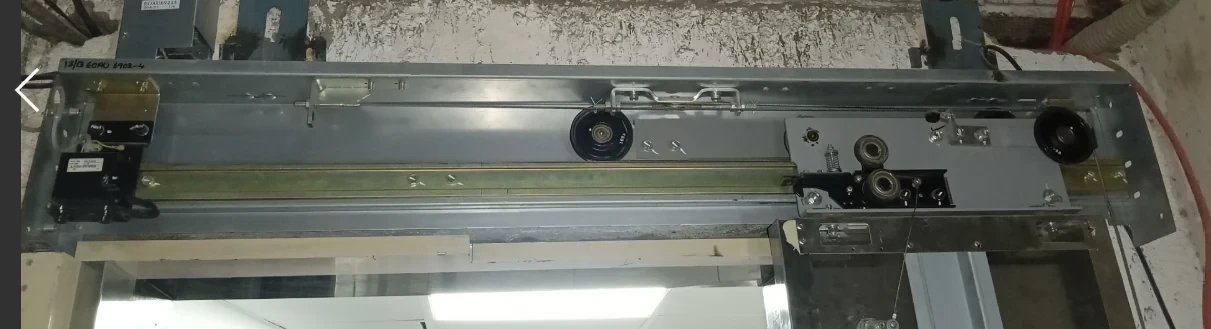
Step 2 — Mechanical Operation Test
Operate the landing door manually.
Verify:
- Smooth locking
- Complete engagement
- Proper release
- No abnormal friction
The locking hook should move freely without sticking.
Step 3 — Electrical Contact Test
Using professional elevator testing tools, measure:
- Contact continuity
- Contact resistance
- Open/closed status
High resistance usually indicates worn or contaminated contacts.
Step 4 — Wiring Inspection
Inspect:
- Terminal tightness
- Cable routing
- Connector condition
- Insulation
Replace damaged wiring immediately.
Step 5 — Safety Circuit Verification
After maintenance:
- Restore power.
- Test normal operation.
- Verify every landing door.
- Confirm the controller detects each door correctly.
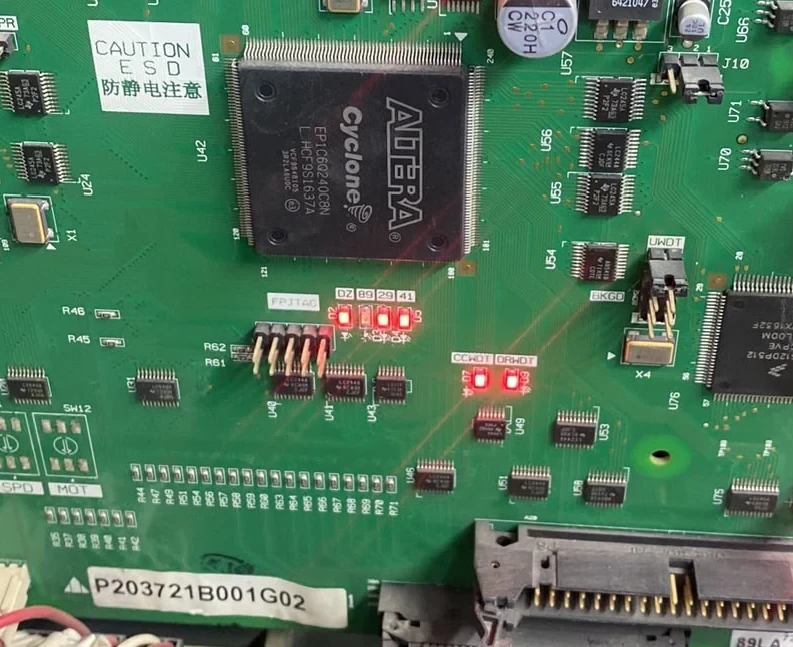
Recommended Elevator Testing Tools
Professional maintenance requires accurate measuring equipment.
Recommended tools include:
| Tool | Purpose |
|---|---|
| Digital Multimeter | Contact continuity |
| Clamp Meter | Current measurement |
| Insulation Tester | Cable insulation |
| Screwdriver Set | Lock adjustment |
| Feeler Gauge | Gap measurement |
| Torque Wrench | Bolt tightening |
| Flashlight | Visual inspection |
Reliable elevator testing tools improve maintenance quality and reduce unnecessary replacement of components.
Preventive Maintenance Tips
Routine maintenance greatly extends the life of the door lock.
Recommended practices:
- Clean the locking mechanism regularly.
- Remove accumulated dust.
- Lubricate approved moving parts.
- Tighten mounting hardware.
- Inspect contact wear.
- Verify door alignment.
- Replace damaged springs.
- Test safety contacts during every maintenance visit.
Frequently Replaced Lift Spare Parts
During door lock maintenance, technicians often replace:
- Elevator door lock assembly
- Lock contacts
- Lock springs
- Lock rollers
- Door keeper
- Mounting screws
- Door linkage components
- Landing door rollers
- Door operator belts
Choosing high-quality lift spare parts improves reliability and reduces repeat service visits.
Choosing a Reliable Elevator Parts Supplier
A professional elevator parts supplier should provide:
- Genuine replacement parts
- OEM-compatible components
- Technical support
- Fast international shipping
- Quality assurance
- Product traceability
Popular products include:
- Elevator door lock
- Lift buttons
- Elevator door stopper
- Guide shoe
- Door rollers
- Elevator PCBs
- Door operator components
- Elevator parts for sale
Working with an experienced supplier helps minimize downtime and ensures compatibility with different elevator brands.
Frequently Asked Questions
How often should an elevator door lock be inspected?
Most manufacturers recommend inspecting every landing door lock during each scheduled maintenance visit, with a comprehensive adjustment and functional test performed periodically according to local regulations.
Can an elevator operate with a faulty door lock?
No. The elevator safety circuit prevents operation if any landing door lock fails to engage properly.
What causes intermittent door lock faults?
The most common causes include:
- Dirty contacts
- Loose wiring
- Mechanical wear
- Door misalignment
- Worn springs
- Moisture or corrosion
What tools are required to test an elevator door lock?
Technicians typically use:
- Digital multimeter
- Insulation tester
- Feeler gauge
- Screwdrivers
- Flashlight
- Torque wrench
- Other professional elevator testing tools
Conclusion
The elevator door lock is one of the most important safety devices in any elevator system. Regular inspection, accurate testing, and preventive maintenance help ensure safe operation, reduce unexpected breakdowns, and extend equipment life.
From checking mechanical wear to verifying electrical contacts with professional elevator testing tools, every maintenance step contributes to safer and more reliable elevator performance.
As a trusted elevator parts supplier, we provide high-quality lift spare parts, including elevator door locks, guide shoes, lift buttons, elevator door stoppers, and many other elevator spare parts for maintenance companies and distributors worldwide.