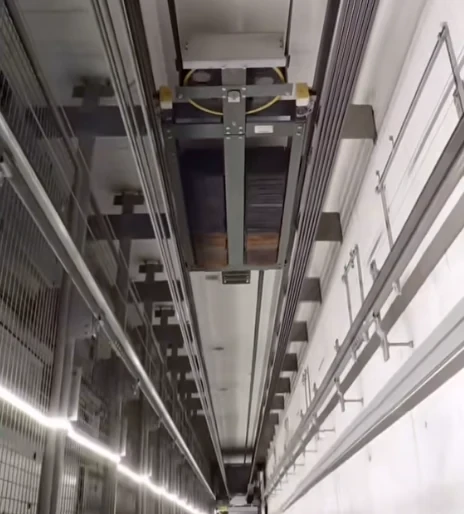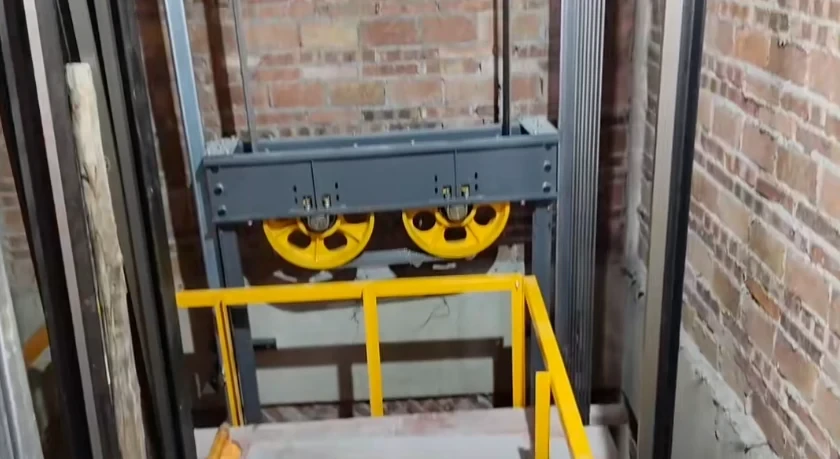
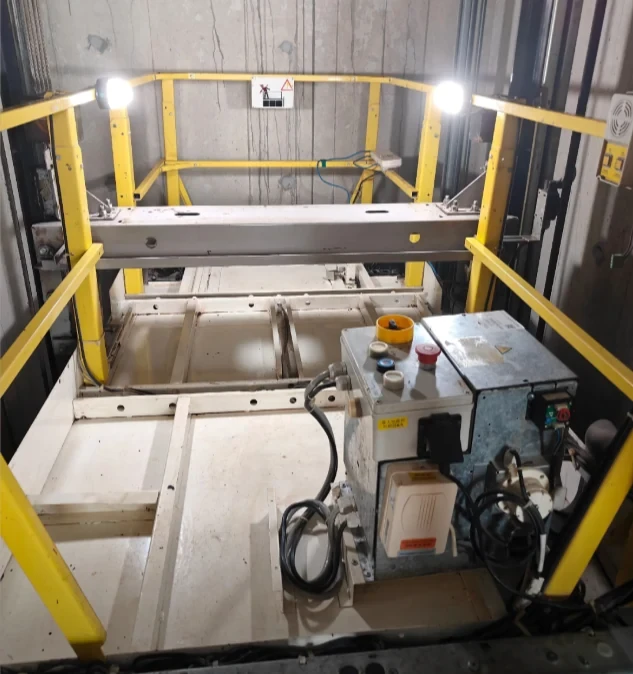
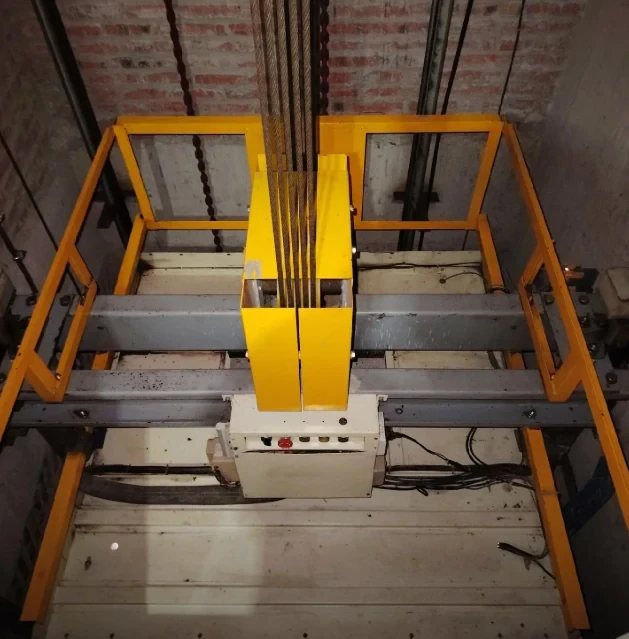
The top of an elevator car is one of the most frequently accessed work areas for elevator maintenance technicians. It is also one of the most dangerous. Technicians perform inspections, troubleshooting, lubrication, adjustments, and repairs while standing only a short distance from moving equipment, rotating sheaves, counterweights, and the elevator shaft.
Without proper procedures, car top maintenance can expose technicians to fall hazards, crushing injuries, electrical risks, and unexpected elevator movement.
This guide explains professional car top safety procedures, inspection methods, fall protection requirements, recommended elevator testing tools, and the critical Lift spare parts that should be inspected during routine maintenance.
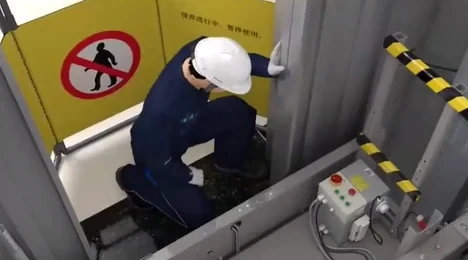
Why Elevator Car Top Safety Is Critical
The elevator car top provides access to many important components, including:
- Car top inspection station
- Emergency stop switch
- Inspection controls
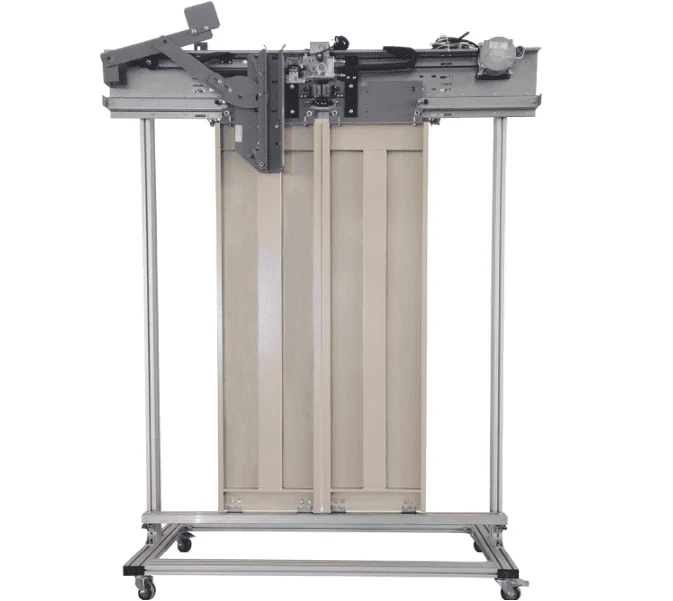
- Door operator
- Traveling cable
- Door mechanisms
- Landing door locks
- Guide shoes
- Position sensors
Because technicians work inside the shaft, every movement of the elevator must remain under complete control.
Required Personal Protective Equipment (PPE)
Before accessing the car top, technicians should wear:
- Safety helmet
- Safety glasses
- Anti-slip safety shoes
- Protective gloves
- Reflective work clothing
- Fall protection harness (where required)
- Portable lighting
Loose clothing or jewelry should never be worn around moving equipment.
Safe Elevator Car Top Entry Procedure
Professional maintenance companies follow a standardized procedure.
Step 1 — Verify Elevator Position
Before opening the landing door:
- Confirm the elevator is at the correct floor.
- Ensure passengers have exited.
- Verify adequate lighting.
- Notify building personnel if necessary.
Never assume the car position without confirmation.
Step 2 — Test the Elevator Door Lock
Using the landing door key:
- Open the landing door approximately 150 mm.
- Verify the elevator door lock functions correctly.
- Confirm the brake holds the elevator securely.
- Ensure there is no unintended car movement.
A properly functioning door lock is essential before accessing the car top.
Step 3 — Test the Emergency Stop Switch
Before stepping onto the car top:
- Activate the emergency stop switch.
- Close the landing door.
- Wait several seconds.
- Confirm the elevator remains stationary.
This verifies the emergency stop circuit is operating correctly.
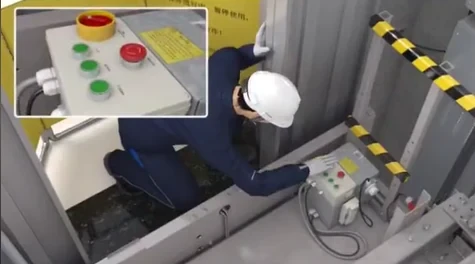
Step 4 — Switch to Inspection Mode
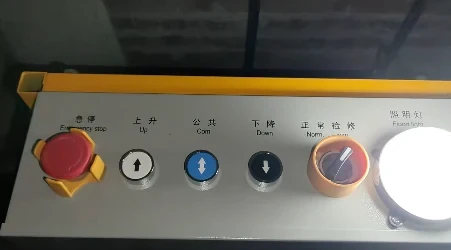
Activate inspection mode using the car top inspection station.
Verify:
- Up button
- Down button
- Emergency stop
- Direction indicators
Normal automatic operation must be disabled before maintenance begins.
Step 5 — Enter the Car Top Safely
When stepping onto the car top:
- Maintain three-point contact.
- Step onto stable surfaces only.
- Keep clear of moving equipment.
- Confirm adequate standing space.
Never stand near the shaft edge unless fall protection is installed.
Fall Protection Requirements
Falls remain one of the leading causes of serious elevator maintenance injuries.
Fall protection should be used whenever:
- Local regulations require it.
- The gap between the car top and shaft wall creates a fall hazard.
- Guardrails are unavailable.
- Work requires reaching outside the protected area.
Common fall protection equipment includes:
- Full-body harness
- Shock-absorbing lanyard
- Retractable lifeline
- Certified anchor point
Always inspect fall protection equipment before use.
Major Components to Inspect on the Car Top
Door Operator
Inspect:
- Belt wear
- Pulley alignment
- Motor mounting
- Drive linkage
- Lubrication
Abnormal noises often indicate developing mechanical issues.
Elevator Door Lock Linkage
The car top provides an excellent position to inspect elevator door lock operation.
Check:
- Lock engagement
- Linkage movement
- Roller wear
- Contact timing
Improper adjustment may result in intermittent faults.
Guide Shoe
Inspect the guide shoe for:
- Wear
- Lubrication
- Fastener tightness
- Vibration
- Alignment
Guide shoes directly affect ride comfort and guide rail wear.
Traveling Cable
Verify:
- Cable support
- Bending radius
- Insulation
- Connector condition
Replace damaged cable clamps immediately.
Car Top Inspection Station
Inspect:
- Up/Down buttons
- Emergency stop
- Wiring
- Labels
- Protective cover
Reliable inspection controls are essential for technician safety.
Common Car Top Hazards
Professional technicians should always be aware of:
Unexpected Elevator Movement
Always confirm inspection mode before working.
Rotating Equipment
Avoid loose clothing around:
- Drive belts
- Rollers
- Sheaves
Electrical Hazards
Use insulated elevator testing tools when testing energized circuits.
Limited Clearance
Maintain awareness of:
- Counterweights
- Shaft walls
- Overhead beams
Never place body parts between moving equipment.
Poor Housekeeping
Remove:
- Loose hardware
- Oil
- Dust
- Packaging materials
A clean work area reduces slips and trips.
Elevator Testing Tools Recommended for Car Top Maintenance
Professional technicians commonly carry:
| Tool | Purpose |
|---|---|
| Digital Multimeter | Voltage testing |
| Clamp Meter | Current measurement |
| Insulation Tester | Cable insulation |
| Flashlight | Lighting |
| Torque Wrench | Bolt tightening |
| Feeler Gauge | Door adjustment |
| Screwdriver Set | Mechanical adjustment |
| Infrared Thermometer | Temperature inspection |
Using professional elevator testing tools improves maintenance quality and diagnostic accuracy.
Lift Spare Parts Frequently Inspected
Routine maintenance commonly includes inspection of:
- Guide shoe
- Elevator door lock
- Door operator belt
- Door rollers
- Door linkage
- Traveling cable
- Inspection switches
- Lift buttons
- Elevator door stopper
- Safety switches
These lift spare parts experience regular wear and should be replaced before failure occurs.
Daily Car Top Safety Checklist
Before beginning maintenance:
✅ PPE inspected
✅ Emergency stop tested
✅ Inspection controls verified
✅ Door lock tested
✅ Fall protection inspected
✅ Lighting confirmed
✅ Work area cleaned
✅ Communication established
After maintenance:
✅ Tools removed
✅ Inspection mode cancelled
✅ Emergency stop restored
✅ Elevator returned to normal operation
✅ Functional test completed
Choosing a Reliable Elevator Parts Supplier
Routine maintenance depends on reliable replacement parts.
A professional elevator parts supplier should provide:
- OEM-quality elevator spare part products
- Technical support
- Fast international shipping
- Product traceability
- Strict quality inspection
Frequently supplied products include:
- Elevator door lock
- Guide shoe
- Lift buttons
- Elevator door stopper
- Door operator components
- PCB boards
- Sensors
- Elevator parts for sale
Reliable suppliers help reduce downtime and improve maintenance efficiency.
Frequently Asked Questions
Is it safe to ride on the elevator car top?
Only trained and authorized elevator technicians should access the car top while following approved inspection procedures and applicable safety regulations.
Why is inspection mode required?
Inspection mode disables automatic operation and allows technicians to move the elevator at low speed using dedicated controls, reducing the risk of unexpected movement.
Which components should be inspected during every maintenance visit?
Recommended inspection items include:
- Elevator door lock
- Guide shoe
- Door operator
- Traveling cable
- Emergency stop
- Inspection station
- Safety switches
Which elevator testing tools are essential?
Technicians should carry:
- Digital multimeter
- Clamp meter
- Insulation tester
- Torque wrench
- Flashlight
- Screwdrivers
- Infrared thermometer
Conclusion
Working on the elevator car top requires careful planning, proper PPE, standardized procedures, and continuous awareness of potential hazards. Every technician should verify the elevator door lock, emergency stop, inspection controls, and fall protection equipment before beginning maintenance.
Routine inspection of critical lift spare parts, such as the guide shoe, elevator door lock, lift buttons, and elevator door stopper, helps improve equipment reliability and reduce unexpected service interruptions.
As a professional elevator parts supplier, we supply high-quality elevator spare parts, technical support, and worldwide shipping to help maintenance companies keep elevators operating safely and efficiently.