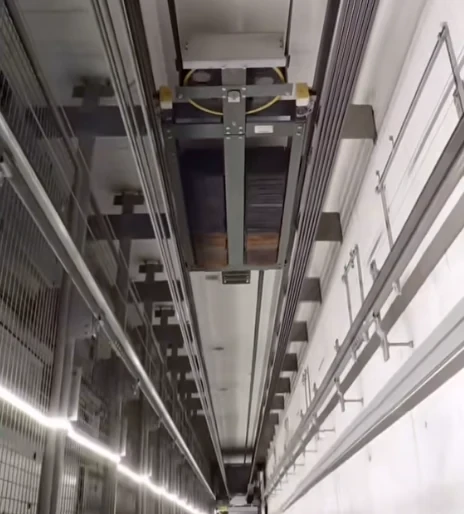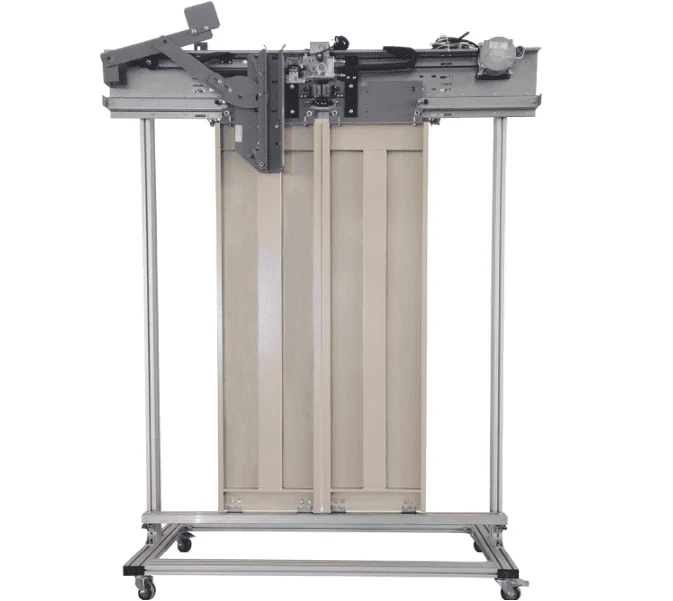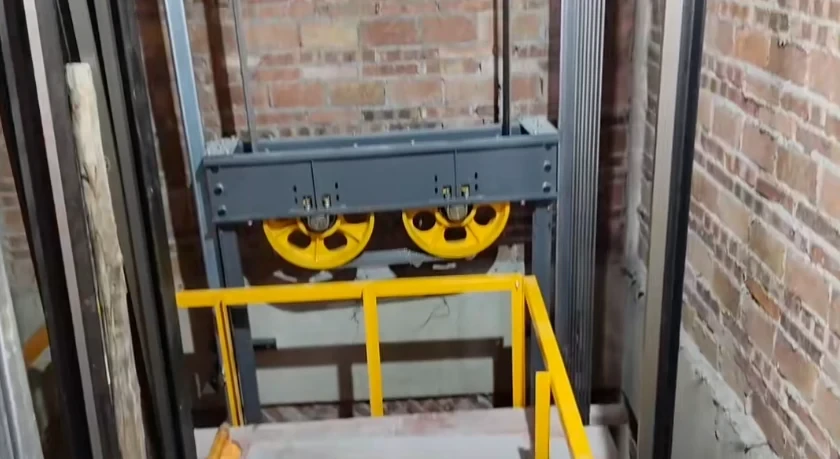
Introduction
elevator maintenance is one of the most demanding technical professions in the building transportation industry. Every maintenance task—from entering the elevator pit to inspecting the car top—requires strict safety procedures, proper personal protective equipment (PPE), and reliable elevator testing tools.
Whether you are an experienced technician or a new engineer, understanding elevator safety is essential for protecting yourself, your coworkers, and the passengers who rely on safe vertical transportation every day.
This guide summarizes the most important safety principles followed by professional elevator companies and introduces the essential Lift spare parts, inspection procedures, and maintenance practices used throughout the industry.
As a professional elevator parts supplier, we also highlight critical elevator spare part categories that technicians frequently inspect during routine maintenance.
Why Elevator Safety Matters
Modern elevators contain multiple hazards including:
- High-voltage electrical systems
- Moving mechanical equipment
- Counterweights
- Elevator door lock systems
- Rotating traction machines
- Confined shaft environments
- Fall hazards
Ignoring proper procedures can result in severe injuries or equipment damage.
Professional maintenance always begins with hazard assessment before any repair work starts.
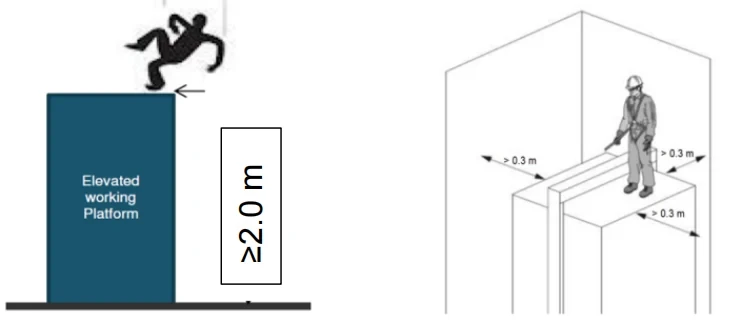
The Five Golden Rules of Elevator Safety
Every elevator technician should follow these basic principles.
1. Never Ignore Safety Procedures
If something appears unsafe, stop working immediately.
Professional companies encourage technicians to suspend work until hazards have been eliminated.
2. Wear Proper PPE
Minimum PPE normally includes:
- Safety helmet
- Safety shoes
- Insulated gloves
- Safety glasses
- Reflective clothing
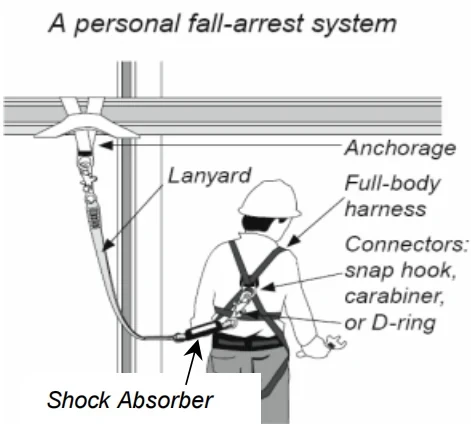
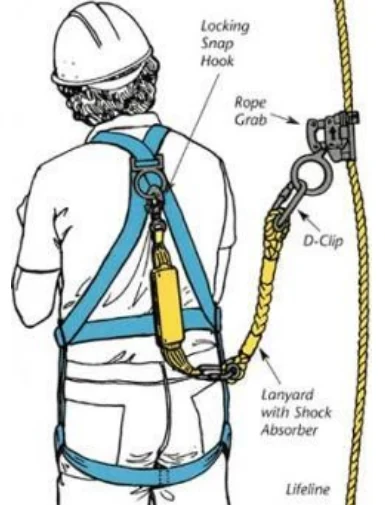
- Fall protection harness (when required)
3. Use the Correct Elevator Testing Tools
Never rely on experience alone.
Professional maintenance requires suitable elevator testing tools, including:
- Digital multimeter
- Clamp meter
- Insulation tester
- Phase tester
- Door lock tester
- Electrical jumper wires
- Torque wrench
- Portable lighting
Accurate testing reduces troubleshooting time and prevents unnecessary replacement of valuable elevator spare parts.
4. Keep the Work Area Safe
Before beginning maintenance:
- Secure the landing area.
- Install warning signs.
- Prevent unauthorized access.
- Verify adequate lighting.
- Confirm communication with coworkers.
Good housekeeping also reduces trip hazards and accidental tool drops.
5. Report Unsafe Conditions
Every unsafe situation should be documented.
Examples include:
- Damaged guide shoe
- Loose elevator door lock
- Worn traction ropes
- Oil leaks
- Broken lift buttons
- Faulty emergency stop switches
Early reporting prevents larger failures.
Essential Elevator Components That Require Regular Inspection
Safety inspections are not limited to electrical systems.
Several mechanical components require routine examination.
Elevator Door Lock
The elevator door lock is one of the most important safety devices in the elevator system.
Technicians should inspect:
- Lock engagement
- Mechanical wear
- Contact operation
- Wiring condition
- Door alignment
A defective door lock may prevent the elevator from operating safely.
Elevator Door Stopper
An elevator door stopper helps control door movement during maintenance.
Regular inspection should include:
- Surface wear
- Mounting stability
- Rubber condition
- Proper positioning
Guide Shoe
The guide shoe maintains smooth movement between the car and guide rails.
Inspect for:
- Excessive wear
- Lubrication
- Loose fasteners
- Abnormal vibration
Replacing worn guide shoes improves ride quality and reduces rail wear.
Lift Buttons
Routine maintenance should include inspection of all lift buttons and elevators buttons.
Check for:
- Illumination
- Mechanical response
- Contact reliability
- Surface damage
A damaged button elevator panel affects passenger experience and accessibility.
Professional Elevator Testing Tools
Every technician should carry reliable elevator testing tools.
Recommended equipment includes:
| Tool | Purpose |
|---|---|
| Digital Multimeter | Voltage measurement |
| Clamp Meter | Current testing |
| Insulation Tester | Cable insulation |
| Phase Tester | Power verification |
| Door Lock Tester | Door circuit testing |
| Torque Wrench | Fastener tightening |
| Jumper Wire Kit | Temporary testing |
| Flashlight | Shaft inspection |
Professional testing minimizes unnecessary replacement of expensive components.
Choosing a Reliable Elevator Parts Supplier
A trusted elevator parts supplier should provide:
- Genuine replacement components
- Technical support
- Fast global shipping
- Quality inspection
- Product traceability
Commonly supplied products include:
- Lift spare parts
- Elevator spare part
- Elevator door lock
- Guide shoe
- Lift buttons
- Elevator door stopper
- PCB boards
- Inverter boards
- Landing operating panels
Frequently Asked Questions
What is the most important safety device in an elevator?
The elevator door lock is one of the most critical safety components because it prevents elevator movement when landing doors are open.
How often should lift buttons be inspected?
Passenger interface components should be inspected during every scheduled maintenance visit.
What elevator testing tools should every technician own?
A professional toolkit should include a multimeter, insulation tester, clamp meter, phase tester, jumper wires, and basic mechanical tools.
Why should guide shoes be inspected regularly?
Guide shoes directly affect ride comfort, alignment, and rail wear. Excessive wear can increase vibration and reduce system reliability.
Conclusion
Elevator safety begins with disciplined work practices, proper training, and routine inspection of critical components. From using the correct elevator testing tools to checking the elevator door lock, guide shoe, lift buttons, and elevator door stopper, every step contributes to a safer and more reliable elevator system.
Working with an experienced elevator parts supplier also ensures access to high-quality lift spare parts and elevator spare part solutions that help reduce downtime and extend equipment life.