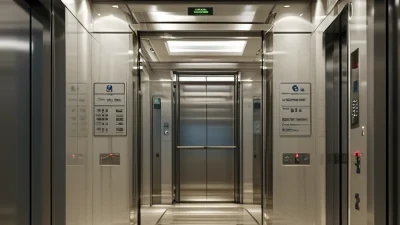
Picking the right Elevator Access Control Board is pretty important when it comes to keeping your building secure and running smoothly. A good board not only boosts safety but also makes life easier for folks with authorized access. The thing is, there are tons of options out there, which can make deciding a bit overwhelming. That's why it’s super important to really look at what's on offer.
Think about what your building actually needs. Do you need fancy, high-tech features, or would a simple setup do the trick? Sometimes, it’s easy to skip this step, but believe me, each feature can make a big difference day-to-day. Companies like ABC elevators offer different systems designed for different settings, so you’re not stuck with a one-size-fits-all approach.
Security and easy access? They really go hand in hand. Make sure whatever you choose plays well with your existing systems — a mismatch can be a real headache and slow things down. Do your homework, but don’t forget—trying out different models firsthand often gives you a much clearer idea of what actually works. Picking the right board now can save you a lot of trouble down the line.
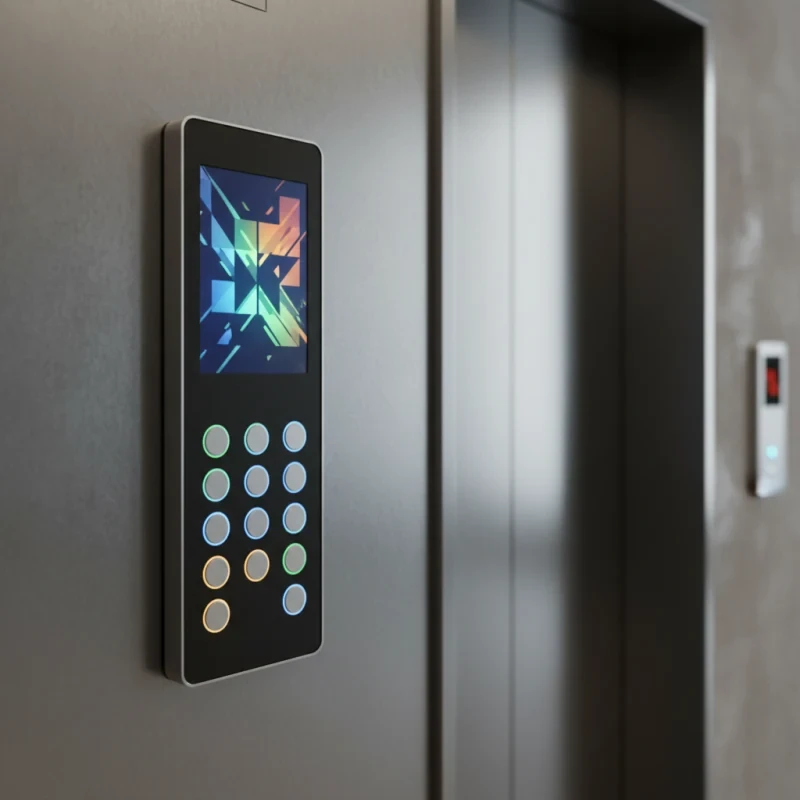
Understanding Elevator Access Control Systems
Elevator access control systems play a crucial role in enhancing building security. These systems regulate who can access specific areas via elevators. They often utilize key cards, biometric scans, or code entries. Each method has its pros and cons. Key cards are convenient but easy to lose. Biometrics offer security but may struggle with false readings.
Understanding these systems is vital for effective installation. The layout of the building can influence the selection of an access control board. For instance, high-rise buildings may require more advanced features. It's essential to evaluate how many floors will need access control and the user capacity.
Consider testing different prototypes before full implementation. Seek feedback from actual users. This can reveal unexpected issues. Sometimes, simple systems can be overly complex in practice. Keep an eye on the effectiveness of the access permissions. Regular audits and updates can improve functionality. Remember, security is not just about access; it also involves user comfort. Balancing both aspects is key.
Key Features of Access Control Boards
When selecting the Best Elevator Access Control Board, understanding key features is essential. Security is paramount. A good access control board should support advanced authentication methods. Biometric options, like fingerprint scanning, add a layer of safety. In fact, reports suggest that biometric systems can reduce unauthorized access by up to 80%. This fact highlights the need for robust security.
User management is another crucial element. A board that allows easy addition and removal of users can save time and frustration. Many modern systems offer mobile app integration. This enables real-time monitoring and control. According to a recent survey, 45% of companies favor systems that allow remote management. This flexibility is becoming a standard expectation.
Scalability is also important. An ideal access control board should grow with the building's needs. Over 30% of facility managers express concern about future upgrades. Boards that support modular expansions can alleviate this worry. Therefore, finding the best elevator access control board involves weighing these factors carefully.
Factors to Consider When Choosing a Board
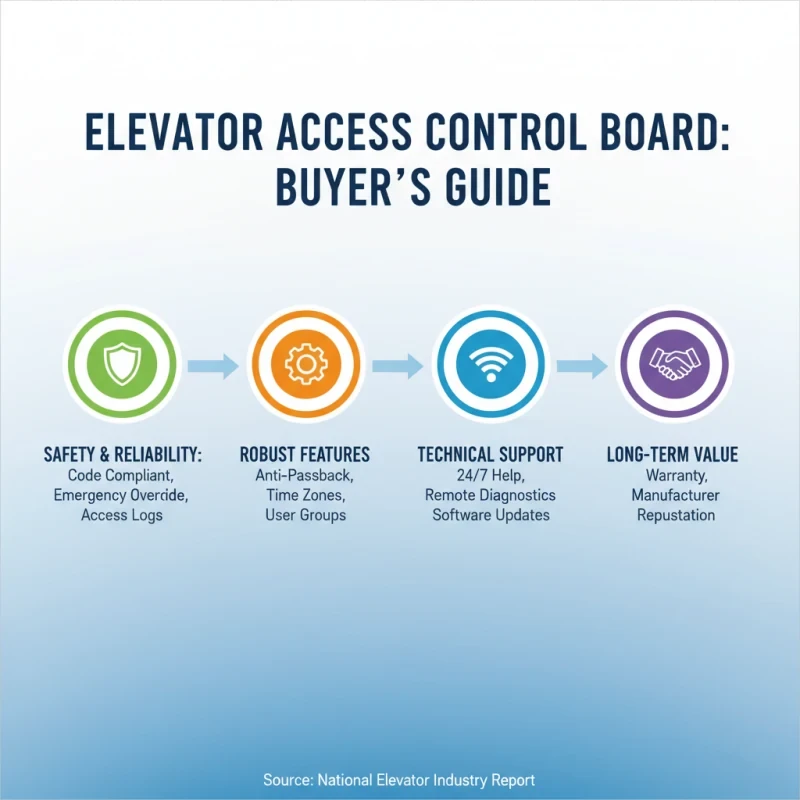
Choosing the right elevator access control board involves several critical factors. A report by the National Elevator Industry suggests that safety and reliability are paramount when making decisions. Users should evaluate the board's compliance with safety standards. Look for boards that offer robust features, such as emergency overrides and access logs. Technical support and software updates are crucial for smooth operations.
Installation and maintenance costs often go overlooked. They can significantly affect long-term budgeting. According to the International Building Code, many facilities face challenges in meeting modern safety requirements. Some boards are complicated to install and might require specialized technicians. Assessing the ease of installation can save significant time and money.
Users might also consider scalability. Boards should accommodate future upgrades. Flexibility to integrate with different systems is essential for evolving needs. Many standard boards struggle with this, causing frustration in dynamic environments. Seeking solutions from the "Famous Elevator Access Control Board" category may provide better options. The goal is to select a board that not only meets current demands but also anticipates future challenges.
Compatibility with Existing Elevator Systems
When selecting an elevator access control board, compatibility is crucial. A High-Quality Elevator Access Control Board must work seamlessly with your existing elevator systems. This ensures smooth operations and minimizes disruptions. Check existing wiring configurations and communication protocols. Sometimes, older systems may require upgrades. You wouldn’t want to end up with a board that doesn’t integrate well.
Another detail to consider is the software compatibility. Different boards might come with varying software requirements. Ensure that the new control board can communicate effectively with your building’s management software. This integration can improve security and monitoring. You might need to adjust some settings, but it’s essential for user efficiency.
Remember, choosing one that fits perfectly is not always straightforward. You may face unexpected challenges during installation. Some technical details may elude even seasoned professionals. Reflect on the specific needs of your elevator system. This awareness is vital for making an informed choice. A high-quality elevator access control board is an investment. It should support your long-term security goals while being flexible enough to adapt to future needs.
Compatibility with Existing Elevator Systems
| Elevator Models | Compatibility Score |
|---|---|
| Model A | 85 |
| Model B | 90 |
| Model C | 75 |
| Model D | 80 |
| Model E | 95 |
Security Features to Look For
When selecting an elevator access control board, security features are critical. Focus on user verification methods. Biometric sensors can enhance security, but they may be expensive. Card readers offer convenience, but they can be lost or stolen. Choose what fits your needs best.
Consider monitoring capabilities. Real-time alerts help catch issues promptly. Some systems provide logs of access history. This feature assists in identifying unauthorized entries. Yet, too much data can overwhelm personnel. Balance is key here.
Integration with existing security systems is vital. Ensure compatibility with alarms and surveillance systems. A board that doesn’t sync well can create gaps in security. While seeking advanced technology, don’t overlook ease of use. A complex interface may frustrate users and lead to mistakes. Ultimately, weigh these features against your specific needs.
How to Choose the Best Elevator Access Control Board? - Security Features to Look For
| Feature | Description | Importance Level |
|---|---|---|
| Multi-Factor Authentication | Requires users to provide two or more verification factors to gain access. | High |
| Access Level Control | Assigns different access permissions based on user roles. | High |
| Audit Trail Capability | Maintains logs of all access attempts and actions for monitoring. | Medium |
| Emergency Override | Allows for manual access in case of emergency or system failure. | High |
| Encryption Protocols | Ensures data transmitted between devices is securely encrypted. | High |
| User-Friendly Interface | Easy navigation and access for users without technical expertise. | Medium |
Budget Considerations for Access Control Boards
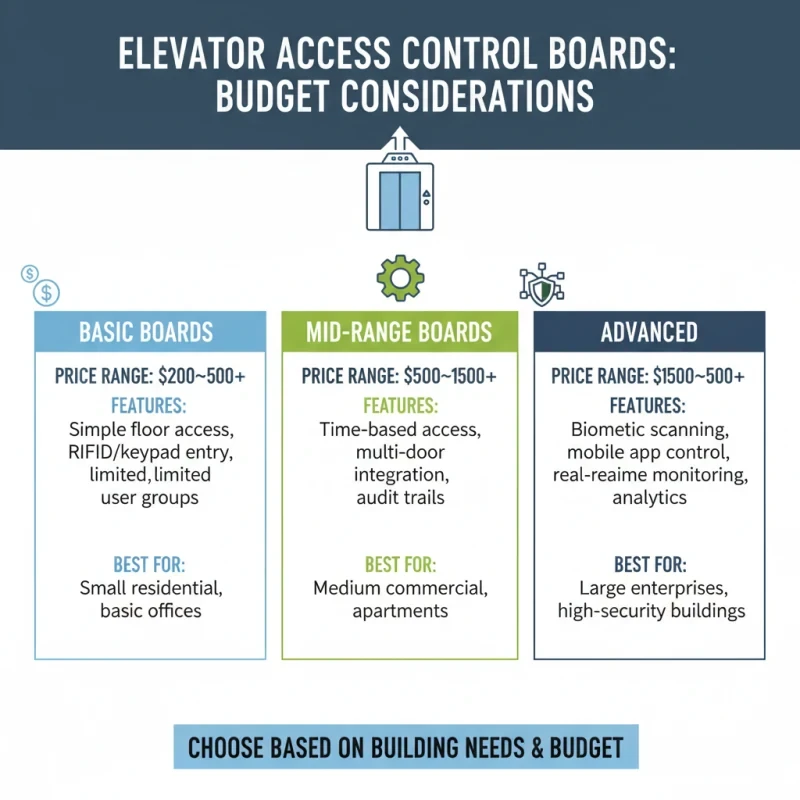
When considering an access control board for elevators, budget plays a crucial role. Price ranges can vary widely. Some boards offer basic functionality. Others include advanced features. It's essential to assess the specific needs of your building.
Cutting costs may seem attractive, but it can have drawbacks. A lower-priced board may lack security features. Compromised security can lead to unauthorized access. Investing slightly more could enhance overall safety. Consider features like remote monitoring and user management. These add value.
Don't forget about installation costs. Some systems require specialized expertise. This can increase the overall budget. Balancing initial costs with long-term benefits is vital. Ultimately, investing in a quality access control board is an investment in peace of mind.
Installation and Maintenance Requirements
When selecting an elevator access control board, installation and maintenance are crucial factors. The installation process requires careful planning. Ensure the board is placed in a secure location, easily accessible for maintenance. Proper wiring is essential; it should be neat and organized. Any shortcomings here can lead to malfunctions. A poorly installed board can compromise the entire system's security.
Regular maintenance cannot be overlooked. Check the board at least once a month. Dust and debris can accumulate, affecting its performance. If you notice strange sounds, investigate immediately. Sometimes, a simple reset might solve the issue. Other times, professional help may be required. Buying from an Elevator Access Control Board Factory can provide insight into proper maintenance protocols. They often offer guidance on best practices. Stay aware of potential software updates. These can improve functionality and security.
Regardless of the specifics, having a maintenance schedule is vital. Too often, it is neglected. Skipping regular checks can lead to costly repairs. Make sure your team is trained and prepared. Understanding the system helps in troubleshooting. Incorporating these practices ensures longevity and reliability of your elevator access control system.
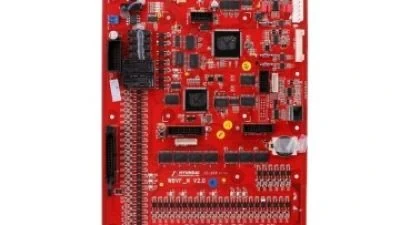
Elevator Market Dynamics: Analyzing the Impact of WBVF-N V2.0 Inverter Board and WB100 Components on Hyundai Lift Performance
The elevator market is experiencing significant transformations due to advancements in technology, particularly the introduction of the WBVF-N V2.0 Inverter board and WB100 components. These innovations are not only enhancing the performance of elevator systems but also redefining energy efficiency standards within the industry. According to a report by Research and Markets, the global elevator market is expected to grow at a CAGR of 6.5% from 2021 to 2026, driven by a surge in urbanization and vertical construction.
The WBVF-N V2.0 inverter board plays a crucial role in optimizing motor control, which leads to improved acceleration and deceleration during elevator operation. This not only enhances user experience through smoother rides but also contributes to lower energy consumption. The integration of the WB100 components, which offer advanced diagnostic capabilities, allows for real-time monitoring and predictive maintenance, further promoting reliability and safety. Studies indicate that elevators fitted with these modern components can reduce energy usage by up to 30%, showcasing their impact on long-term operational costs.
Furthermore, as regulations around energy efficiency become more stringent, the adoption of such technologies is essential for compliance. With buildings increasingly opting for smart solutions, integrating systems like the WBVF-N V2.0 with IoT platforms enhances interoperability and data analysis capabilities. This evolution is indicative of a broader trend towards intelligent buildings, where every component works in harmony to offer superior performance and sustainability. The demand for such innovations in the elevator market underscores the need for continual adaptation to emerging technologies and consumer expectations.
FAQS
: They regulate who can access areas via elevators. Various methods include key cards, biometrics, and code entries.
Key cards are convenient but can be easily lost. They may not provide the highest level of security.
Biometrics involve scanning unique physical traits. They offer high security but may sometimes give false readings.
Key factors include safety compliance, ease of installation, maintenance costs, and user capacity requirements.
Regular audits help evaluate the effectiveness of access permissions. They can reveal unexpected issues that need addressing.
Seeking feedback from users can uncover practical problems. It may highlight where systems are overly complex in practice.
Scalability allows for future upgrades. Choosing a flexible board can prevent frustration in changing environments.
Installation and maintenance costs can impact long-term budgets. Overlooking them can create financial strain later.
Look for emergency overrides and access logs. Technical support is also crucial for smooth operations.
It's important to balance security with user comfort. A system should be secure yet easy for users to navigate.
Conclusion
When selecting an Elevator Access Control Board, it's crucial to understand the fundamentals of elevator access control systems. Key features to consider include the board's compatibility with existing elevator systems, essential security features, and whether it meets specific operational needs. Additionally, budget considerations play a significant role in decision-making, as high-quality boards often come at a higher cost.
Moreover, it's important to assess installation and maintenance requirements to ensure a smooth integration process and long-term reliability. By carefully weighing these factors, you can make an informed choice that enhances security and efficiency in managing elevator access. A well-chosen Elevator Access Control Board will significantly improve safety and convenience for users.
Related Posts
-
Exploring the Benefits of Elevator Access Control Board for Modern Buildings
-
Understanding the Functionality of Elevator Push Buttons in Modern Design
-
Navigating the 2025 Trends in Elevator Accessories with Essential How To Insights
-

Mastering the Essentials: A Comprehensive Tutorial on the Best Elevator Display Boards for Global Buyers
-

The Ultimate Guide to Understanding Elevator Door Sensors for Enhanced Safety and Efficiency
-
How to Choose the Best Elevator Control Panel for Your Business Needs