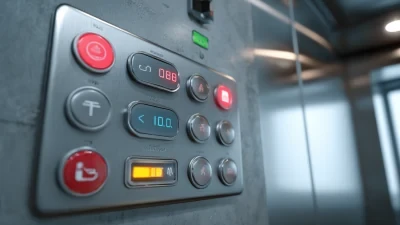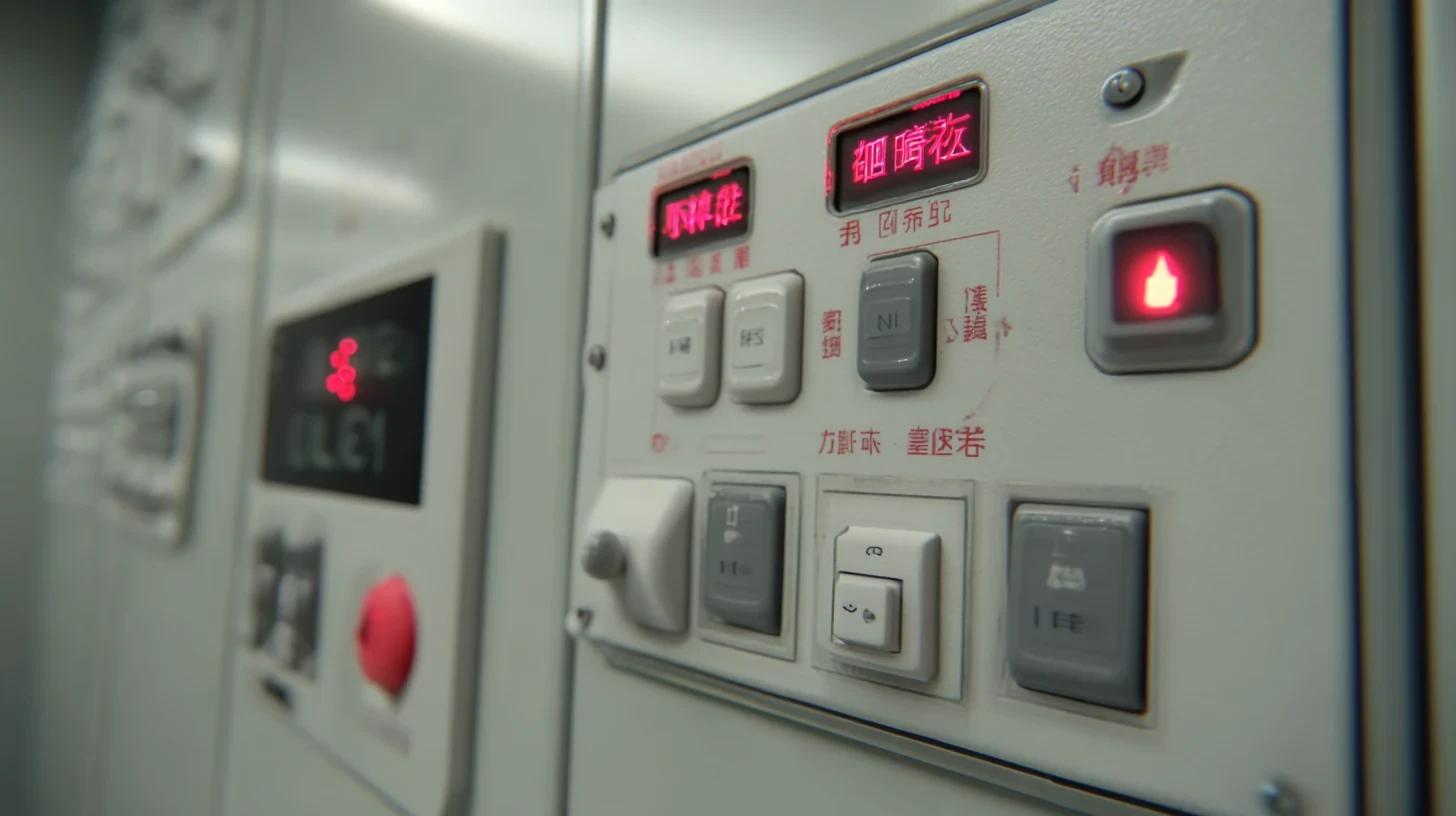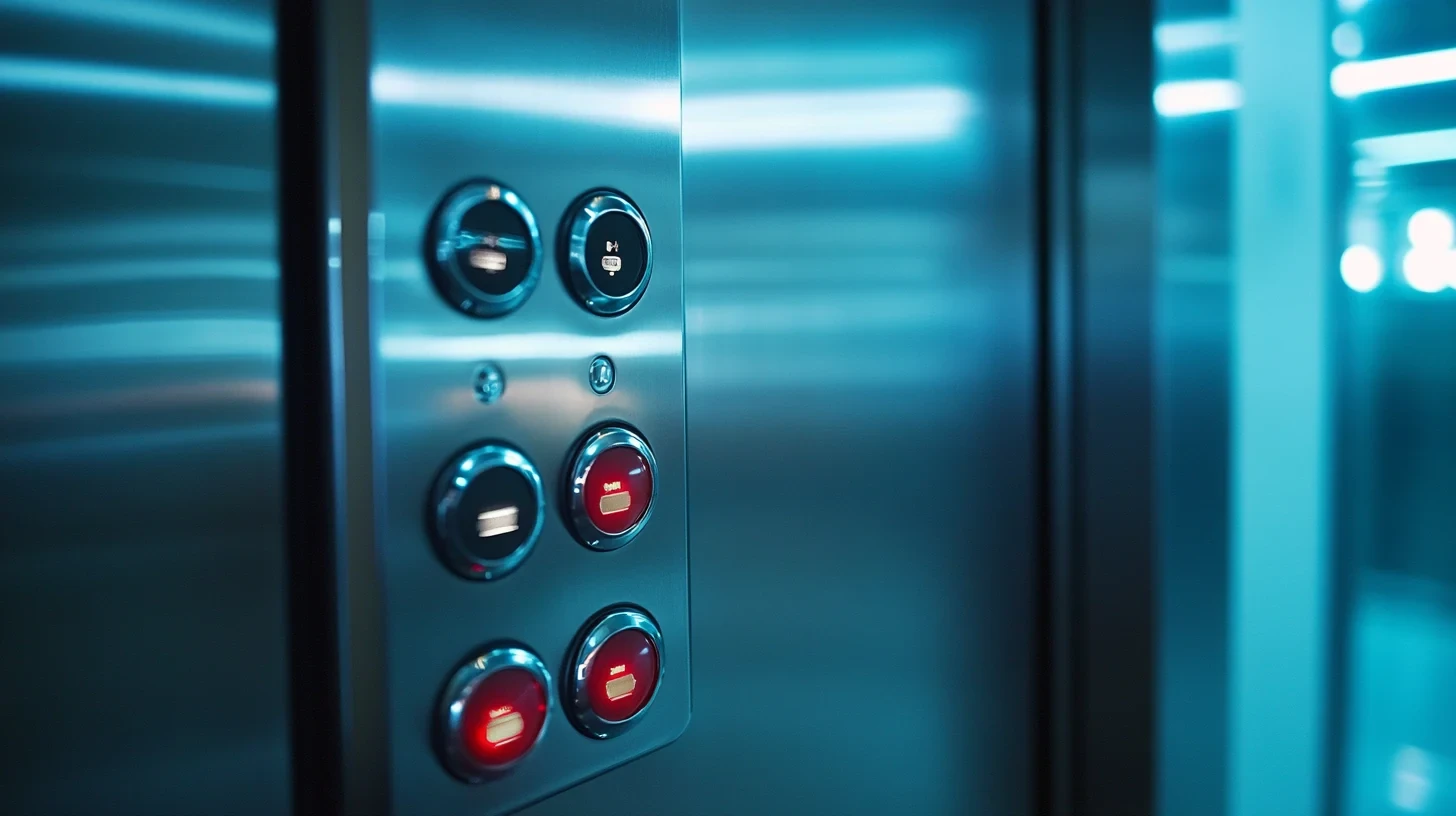
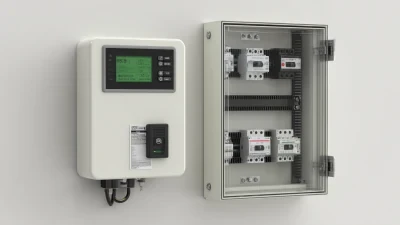
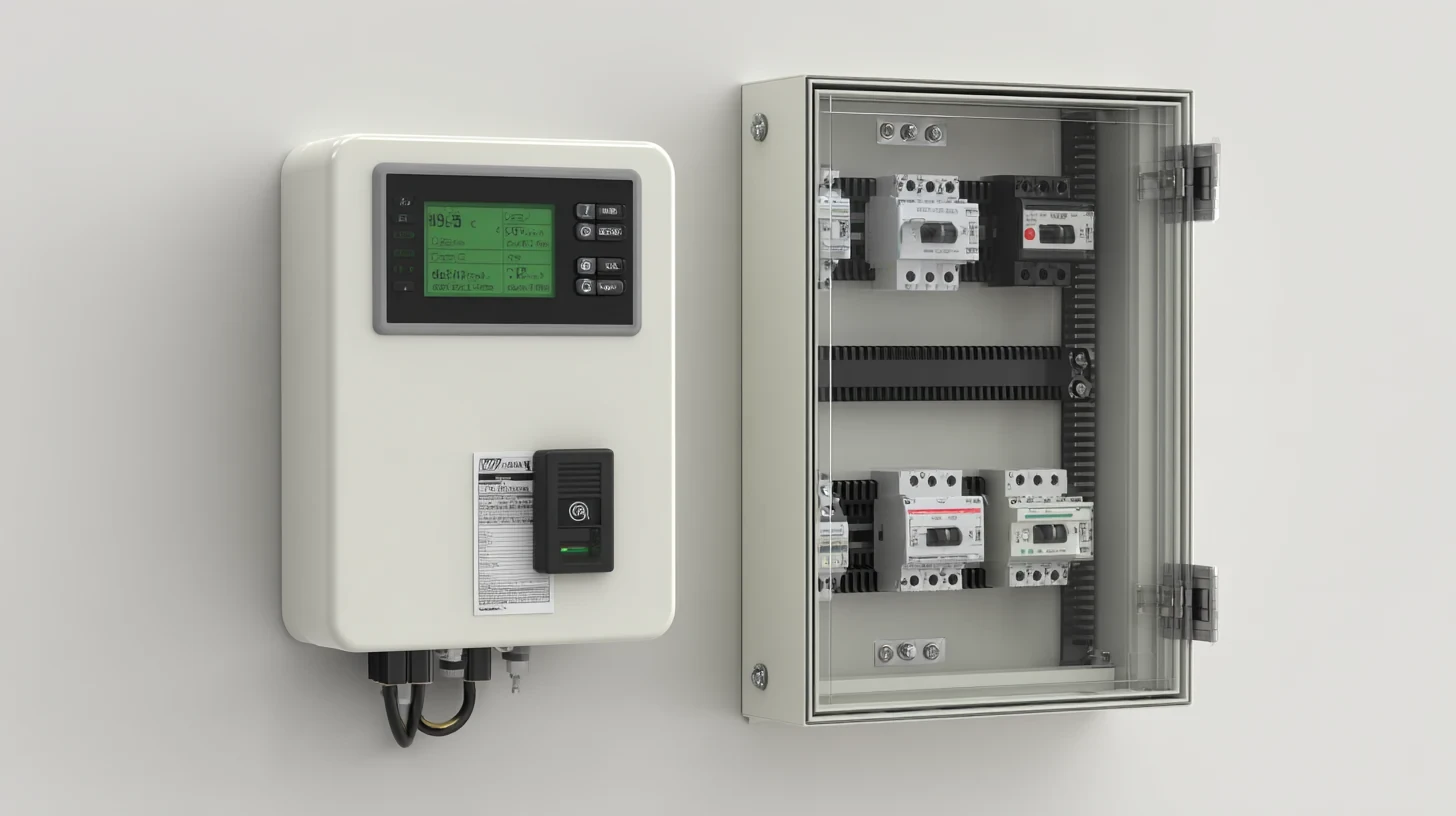
You know, in today’s fast-changing world of modern architecture, it’s pretty clear that using technology to boost security and efficiency isn’t just a trend anymore — it’s kinda essential. Take the elevator Access Control Board, for instance. It’s a pretty crucial piece when it comes to managing how elevators operate in today’s buildings. And get this: industry reports say the global smart elevator market is on track to hit about $31 billion by 2026, growing at roughly 18% each year since 2019. That just shows how much folks are wanting smarter, more advanced elevator systems. As companies look for ways to improve security and make things more user-friendly, the Elevator Access Control Board really stands out as a key piece in keeping properties safe and allowing easier access. Speaking of companies doing this sort of thing, Zhuhai Link Industrial Co., Ltd., has been around since June 2017. They’re into selling, installing, and maintaining complete elevator systems, with over 200 units sold annually. Adding in those Access Control Boards just makes sense — it’s all about making sure modern buildings are safe, efficient, and up to date.
The Importance of Elevator Access Control in Enhancing Building Security
Elevator access control is pretty much a key part of making buildings safer, especially these days when we see more mixed-use spaces and super tall towers popping up all over the place. Basically, by allowing only certain folks to get onto specific floors—like those with sensitive info or private offices—you’re not just keeping things secure, but also cutting down on unwanted visitors. That means everyone—residents, tenants—can breathe a little easier. With security concerns only growing, having strong elevator access control systems in place is more crucial than ever.
So, if you're thinking about how to set this up properly, here are some tips:
1. Look at your building’s layout and figure out which floors need to be restricted. For example, stuff like server rooms or executive suites should probably only be accessible to the folks who really need it.
2. Make sure the system you choose can grow with you. Whether tenants move out, new ones move in, or you wanna add new tech later on—your access control setup should be flexible enough to handle it.
Adding features like keycard entries or biometric scanners makes things a lot more convenient without sacrificing security. And, keeping an accessible log of who’s been in and out can really help building managers keep an eye on things. It adds a little extra layer of oversight—kind of like a security net for the building, you know?
Integration of Digital Technologies in Elevator Control Systems
They're really changing the game when it comes to how modern buildings handle vertical transportation. Thanks to new digital tech, building managers now have the power to set up pretty advanced elevator access controls that boost both security and efficiency. For example, many systems use biometric identification—like fingerprint scans or facial recognition—which means only authorized folks can get into certain floors. That not only keeps sensitive areas safe but also helps keep things flowing smoothly, cutting down on those annoying wait times and making everything run more smoothly overall.
Plus, with smart technology, these systems can monitor and collect data in real-time. This gives managers a ton of useful insights into how elevators are used throughout the day. With that info, they can spot peak hours ahead of time, schedule maintenance proactively, and avoid unexpected breakdowns. And when you tie elevator control systems into building management software, everything becomes way more connected—creating a smarter, more responsive environment. Honestly, these digital upgrades are becoming absolutely essential for modern buildings, making life easier for users and improving overall operations at the same time.
Quantifying the Impact of Access Control on Tenant Satisfaction
Elevator access control systems are becoming pretty much essential in modern buildings these days, especially when it comes to making tenants happier. I recently came across a study that showed properties with the latest access controls enjoyed about a 30% boost in tenant retention — pretty impressive, right? It really highlights how security and convenience go hand in hand when folks think about the value of a building. People aren’t just worried about feeling safe; they also want things to be simple and easy to use. When access is hassle-free, it can really make a difference in their everyday experience.
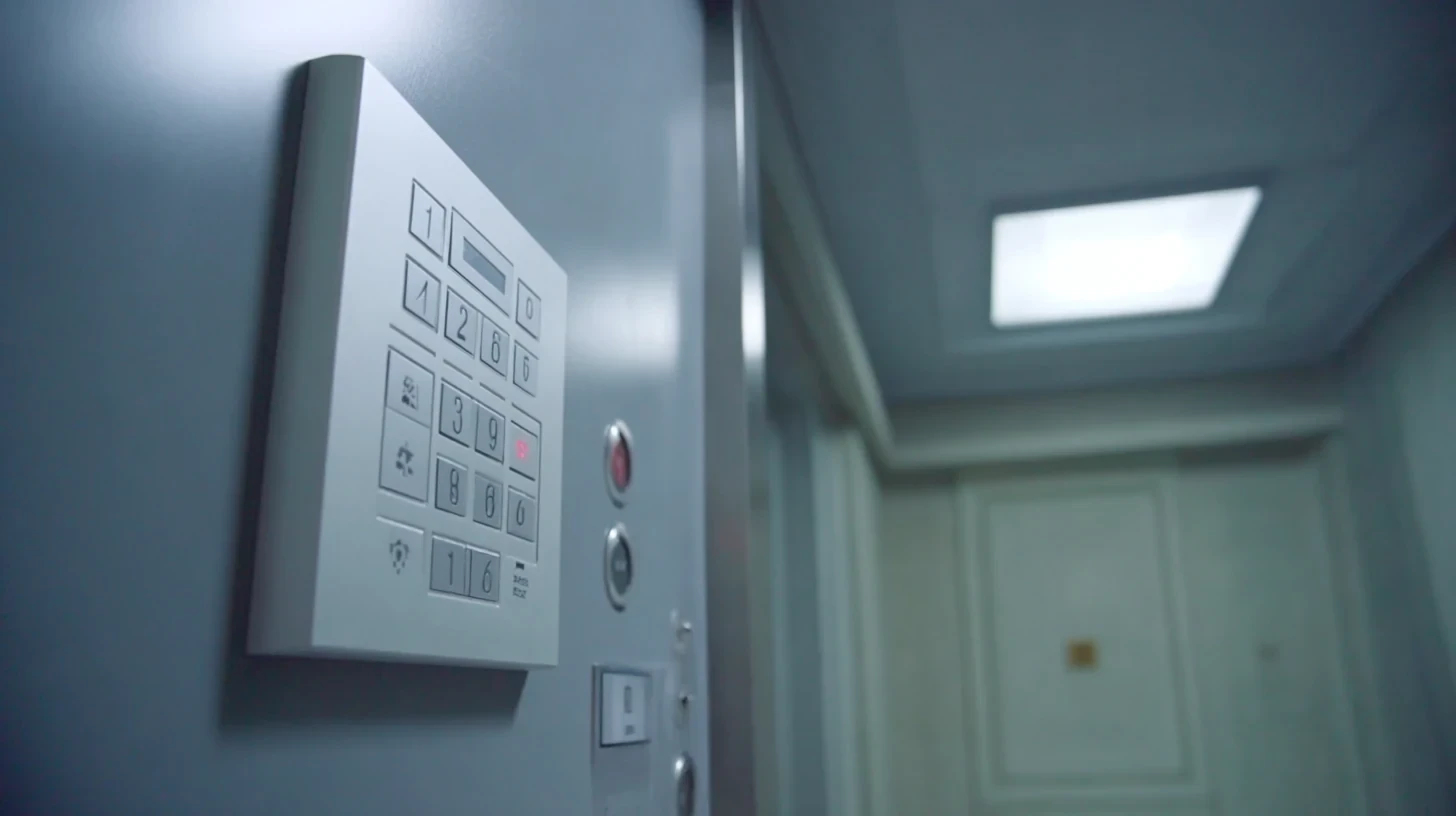
And here's a cool part — for those of us into sustainability and ESG (Environmental, Social, Governance) goals, investing in these tech solutions can actually show measurable social benefits. One industry report pointed out that buildings with better access control systems tend to get higher scores on tenant satisfaction surveys, which can even bump up occupancy rates by around 15%. So, basically, putting money into top-notch access systems isn’t just about security; it also boosts tenant happiness and can positively impact the bottom line. It’s a win-win situation for property owners and everyone living or working there.
Reducing Operational Costs through Efficient Elevator Management Systems
Putting elevator access control boards into modern buildings isn't just about boosting security—it actually helps cut down on operating costs, too. When property managers set up a smart elevator system, it makes things run smoother. Passengers don't have to stop at every floor unless they really need to, which shortens the wait times and keeps things flowing. That not only saves energy but also reduces the expenses on maintenance, making the building more sustainable overall.
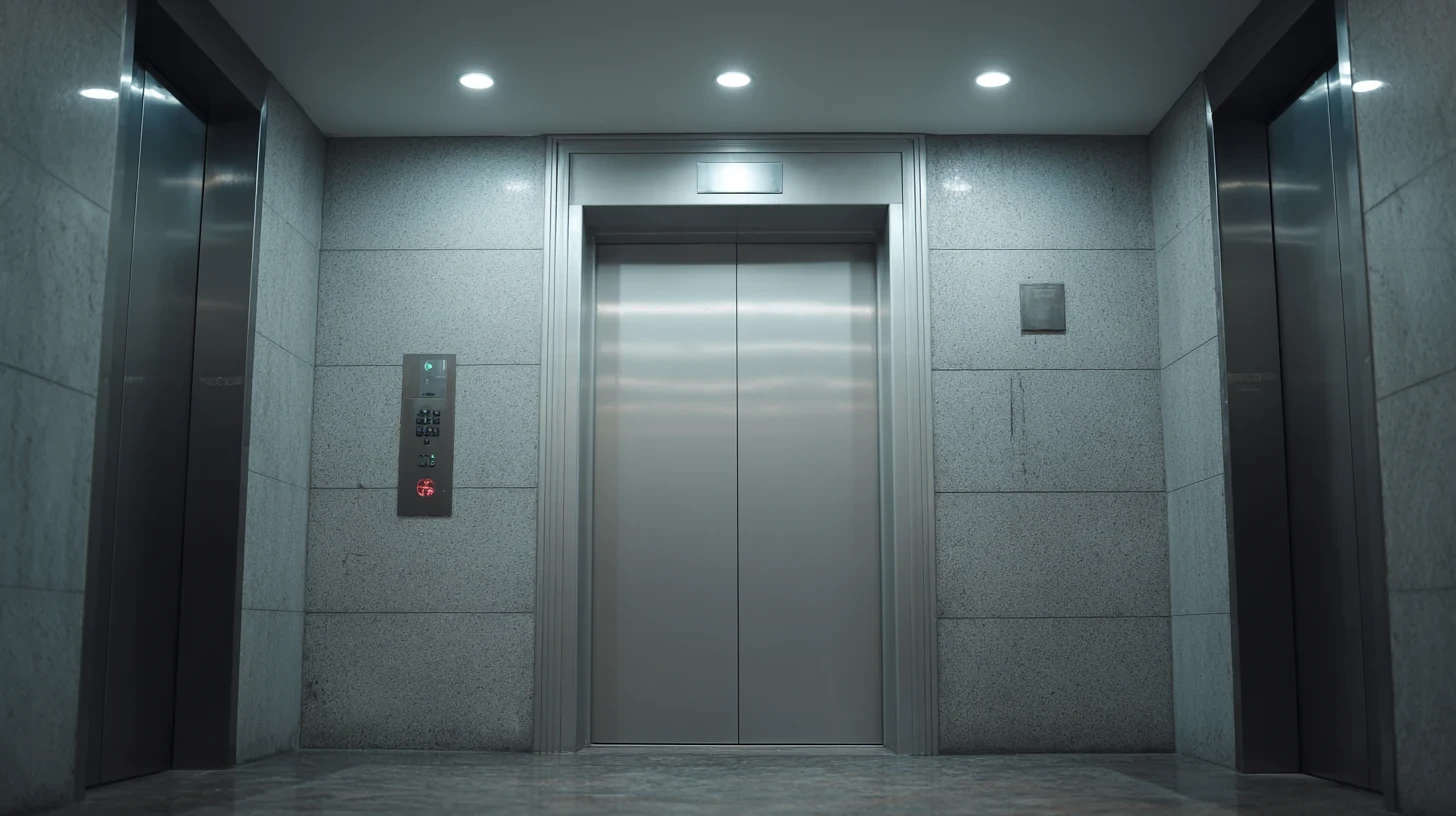
If you really want to squeeze the most out of your elevator system, a good idea is to run regular audits on how people are using it. Tracking peak times can help you tweak settings so everything’s running at its best. And, if you add in some user analytics, you'll get a better idea of how folks are actually using the elevators—kind of like having a pulse on what’s happening. That way, you can schedule and optimize energy use more smartly.
Plus, with access control features, you can restrict elevator access to authorized folks only. Not only does this bump up safety, but it also means less wear and tear on the equipment. Fewer breakdowns and repairs mean longer-lasting systems — and that’s a win for your budget.
Just a quick tip: Make sure the access control system is user-friendly for everyone—residents, staff, whoever’s using it. When folks understand how it works, they’re more likely to follow the rules, leading to fewer hiccups and smoother operations overall.
Future Trends in Elevator Access Control Technology for Smart Buildings
You know, as smart buildings become more and more common in today’s architecture, the way we control elevator access is really evolving — and it’s a big deal when it comes to boosting security and making things run smoothly. Looking ahead, it seems like we’re heading towards systems that are more integrated, kinda combining biometric ID, AI, and IoT tech. These smart setups don’t just make the user experience easier and more seamless, but they also seriously strengthen security—only the right folks can get to certain floors or areas, which is pretty reassuring.
If you're a building manager thinking about jumping into this advanced elevator access stuff, there are a few things I’d suggest keeping in mind. First off, go for a system that’s scalable—trust me, you’ll want it to grow with your building’s needs over time. Next, try to pick solutions that play nice with your existing security systems and other smart building tech—that way, everything works together smoothly. And don’t forget, regular staff training and staying updated on the latest tech can make all the difference; it helps catch issues early and keeps security tight.
Plus, as we look to the future, sustainability’s gonna be a key player. Things like predictive analytics can help manage elevator traffic better, which not only keeps things running efficiently but also saves energy. All in all, bringing these advanced integrations into buildings really feels like a whole new chapter— one where safety and efficiency go hand in hand thanks to innovation.
Enhancing Safety in High-Altitude Operations: Insights from the Latest Industry Data on Self Locking Devices and Rope Grabs
In high-altitude operations, safety is paramount, and the latest insights into self-locking devices and rope grabs provide vital information for enhancing worker protection. These devices have evolved significantly, incorporating advanced mechanisms designed to prevent accidental disengagement and ensure secure anchoring in challenging environments. For instance, innovative self-locking mechanisms automatically engage when a load is applied, reducing the risk of falls and increasing the efficiency of rescue operations.
Recent industry data indicates a notable decrease in fall-related incidents attributed to the integration of these safety devices. Rope grabs, specifically engineered for high-altitude work, offer versatility and reliability. Their ability to smoothly glide along a rope while providing a fail-safe locking mechanism under load makes them indispensable tools for workers operating at great heights. As organizations continue to prioritize safety, the adoption of state-of-the-art self-locking devices and rope grabs is not merely an option but a necessity to safeguard personnel and mitigate risks in hazardous work environments.
FAQS
: Digital technologies enhance elevator control systems by implementing advanced access control boards that utilize biometric identification, improving security and efficiency in managing vertical transportation.
Elevator access control systems often use biometric identification methods such as fingerprint and facial recognition to restrict access to authorized personnel.
The integration of biometric identification helps protect sensitive areas within buildings, ensuring that only authorized individuals can access specific floors, thereby enhancing overall security.
Smart technologies enable real-time monitoring and data collection, offering insights into elevator usage patterns, which allows for better maintenance scheduling and reduced downtime.
Properties with advanced access control measures have seen significant increases in tenant retention rates and satisfaction, demonstrating the importance of security and convenience in a building's value.
Buildings with improved access control systems report higher scores on tenant satisfaction surveys and can increase occupancy rates by up to 15%.
Building managers can analyze data from elevator systems to predict peak usage times for proactive maintenance, thus minimizing service interruptions.
Integrating elevator systems with building management software facilitates communication among different building systems, enhancing operational efficiency and responsiveness.
Aligning with ESG principles allows real estate operators to measure the social impacts of advanced access control technologies, which can contribute positively to tenant satisfaction and occupancy.
By investing in superior access systems, property owners can improve tenant satisfaction and retention, which may lead to increased revenue and a stronger bottom line.
Conclusion
Did you read that article about the Elevator Access Control Board? It really highlights how these systems are playing a huge role in making modern buildings safer and more satisfying for tenants. I mean, when you hook up digital tech to manage elevator access, it’s not just about security — it also makes everything run smoother and can even cut down on operational costs. Companies like Zhuhai Link Industrial Co., Ltd., which you might know for their elevator sales, installation, and upkeep, are really going to see some serious benefits by adopting these advanced access control systems.
Plus, the article dives into some pretty exciting future trends. It seems like buildings are heading toward becoming smarter, and access control systems are going to be more and more central to that shift. All in all, adding these kind of innovative tech just makes life safer and way more efficient, whether you're living or working in one of these places.