You know, when you look at elevators these days, their push buttons aren’t just simple switches anymore — their design and functionality have really come a long way. They've become a pretty important part of modern buildings, not just for looks but also for making things easier and smoother for users.Believe it or not, the global elevator market is projected to hit over $100 billion by 2025, which just goes to show how much places are investing in clever, innovative design. Here at Zhuhai Link Industrial Co., Ltd., we’ve been around since June 2017, focusing on selling, installing, and maintaining entire elevator systems. We’re proud to say we move more than 200 units a year—that’s a lot of elevators!
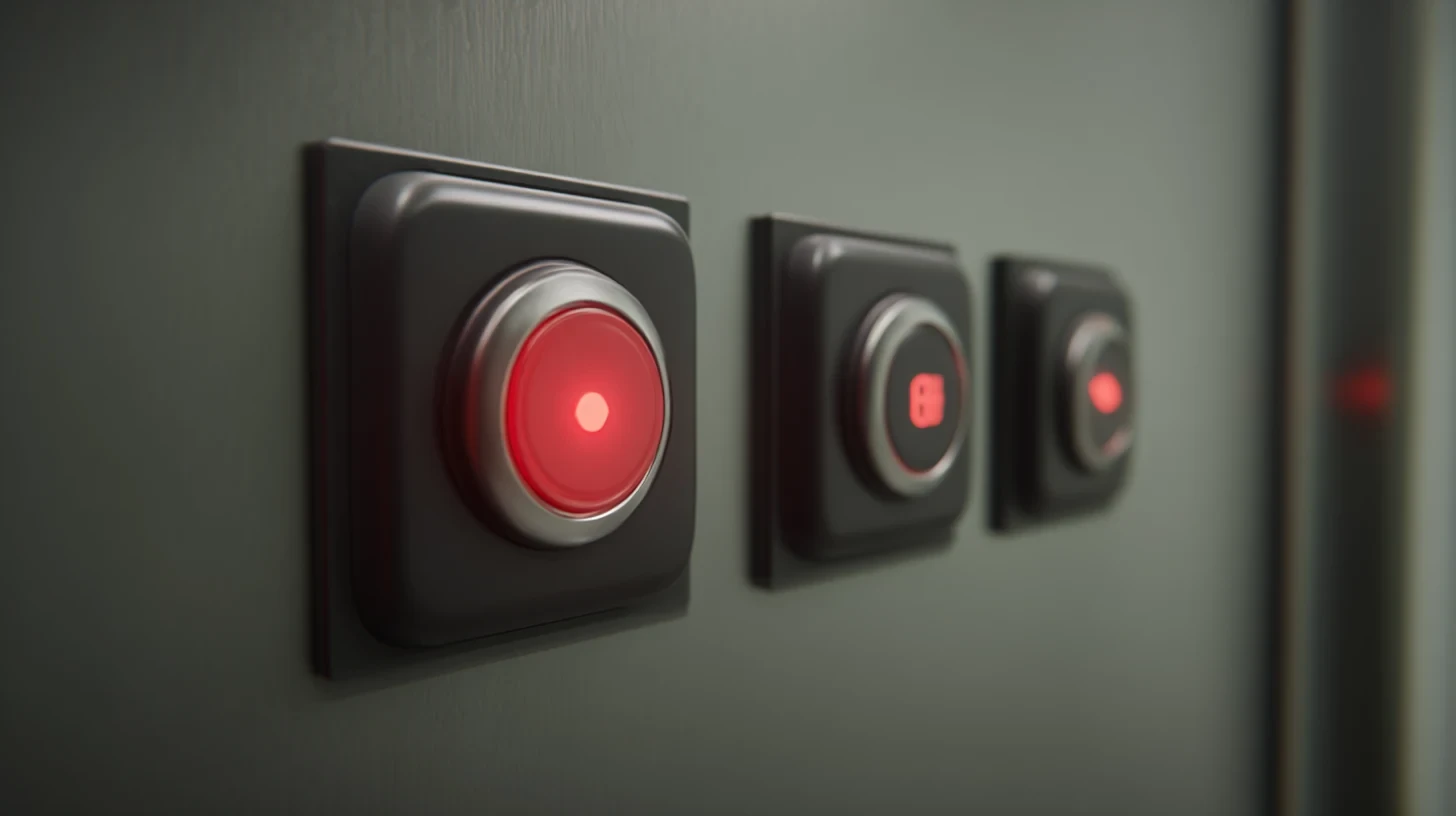
The push button isn’t just about turning the elevator on or off; it’s actually a key part of what connects you to the elevator system — a small detail, but it makes a big difference in your experience. If you keep up with the latest in push button tech and design trends, you’ll see how they really help improve safety, efficiency, and overall user satisfaction in today’s modern Lifts.
Evolution of Elevator Push Button Design: A Historical Perspective
You know, the way elevator push button designs have evolved over the years is pretty fascinating. Back in the day, we started with simple levers—nothing fancy—just straightforward controls. Over time, those gave way to the classic push buttons we're all familiar with now. And if you look at recent years, the global elevator market has really taken off. By 2023, it was valued at over $70 billion, according to industry reports—crazy, right? All that growth has pushed designers and engineers to come up with smarter, better control interfaces, which are now a key part of modern building design.
Nowadays, companies like Zhuhai Link Industrial Co., Ltd. really get how important it is to have push buttons that are easy to use and safe. They’re also paying attention to style, making sure everything looks good. They sell over 200 units a year, and many manufacturers are now adding smart tech into their elevator systems. In fact, nearly 45% of new installs in big cities are now using touchless or smart buttons—pretty much a response to current health concerns and a push for hygiene. The way design and technology are merging in elevator controls isn’t just about convenience anymore; it actually plays a huge role in making high-rise buildings safer and more user-friendly.
The Role of Accessibility in Modern Elevator Button Functionality
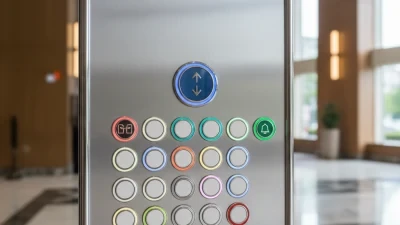
You know, when we think about modern building designs, elevator buttons aren’t just about looks—they’re actually pretty important when it comes to making sure everyone can use them easily. For folks with disabilities, having buttons that are easy to reach and understand can really make a big difference in how smoothly they get around. That’s why it’s crucial to place these buttons at heights that wheelchair users can reach comfortably, and to add tactile features so people with vision impairments can feel where they need to press. Plus, adding simple sounds or signals can help guide users and make them feel more confident about using the elevator without stress.
But it’s not just about physical accessibility, either. Designers also need to think about how clear and intuitive the buttons are. Using symbols alongside words can help a lot, especially for people who speak different languages or have different levels of understanding. The goal is to make elevators as user-friendly as possible for everyone. As architects and designers, we should really prioritize these accessibility features—not just because it’s nice to have, but because everyone deserves equal access, no matter their physical or mental abilities.
User Experience Considerations in Elevator Button Layout and Design
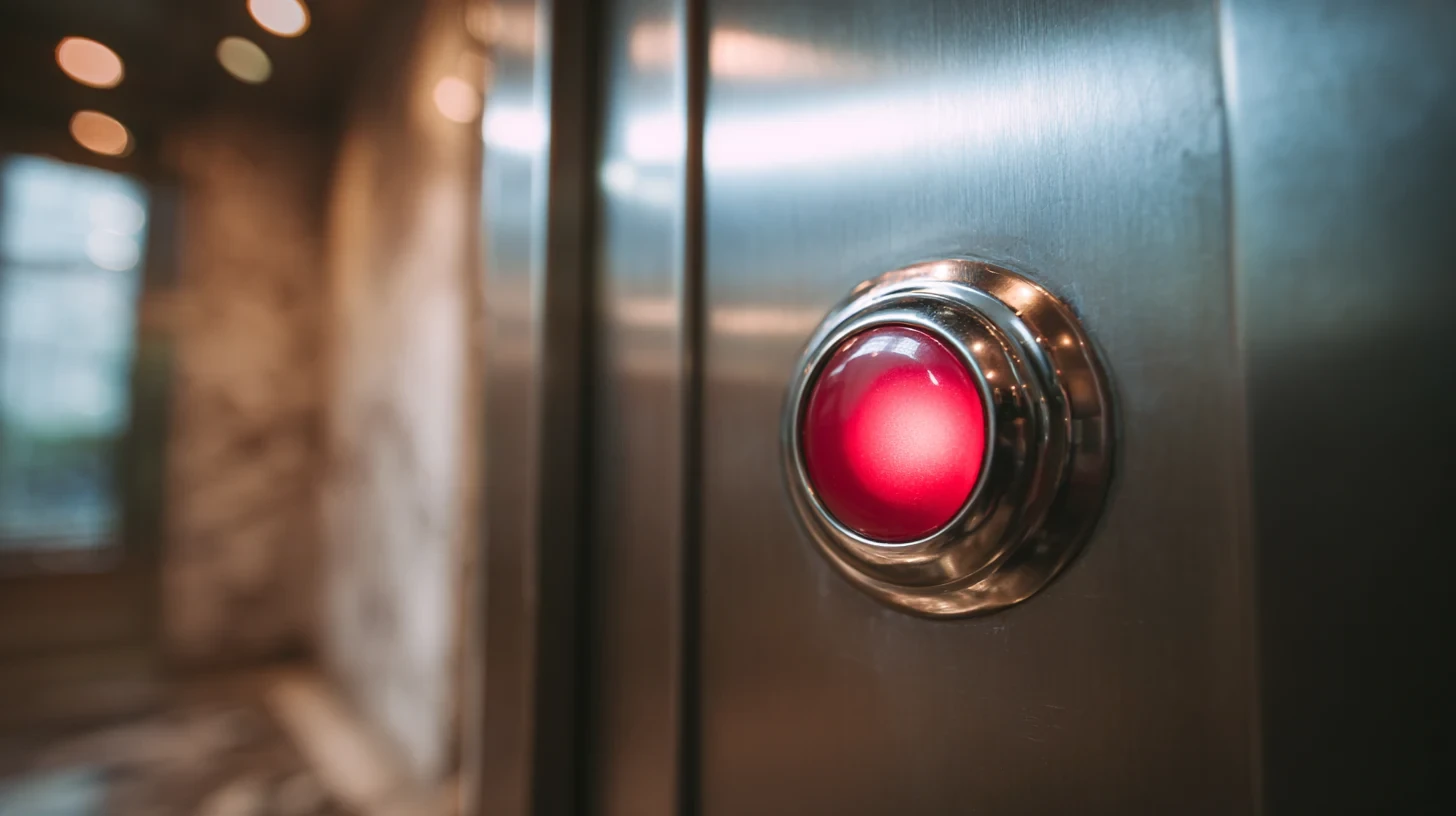 When it comes to modern elevator design, how users actually feel about the buttons really matters. According to a report from the International Elevator and Escalator Industry (IEEI), more than 40% of folks get pretty annoyed with poorly arranged or confusing button layouts. And honestly, a lot of that frustration comes from buttons that aren’t intuitive or easy to reach—especially for folks with disabilities. Something as simple as clear labels and tactile feedback can make a huge difference, making the whole experience more inclusive and less frustrating for everyone riding the elevator.
Thinking about where and how the buttons are placed is all about understanding human behavior. A study by the User Experience Professionals Association (UXPA) found that about 85% of users prefer buttons that are logically arranged, so they don’t have to think too hard about which to press. Things like button height, how they feel when you press them, and whether they’re easy to see all play a big role. Elevators that follow these principles not only boost safety but also make the ride a lot more pleasant. It’s really all about striking the right balance between looks and practicality. Designers and architects need to keep this in mind if they want their elevators to serve everyone well—in a way that’s accessible, user-friendly, and modern at the same time.
Innovative Technologies Influencing Elevator Push Button Design
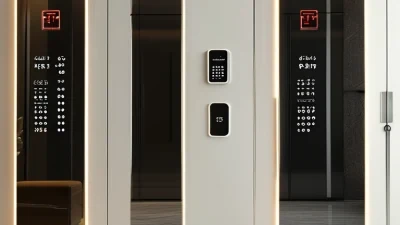
Elevator push buttons have come a long way, especially with all this new tech bouncing around. Nowadays, many elevators let you tap a sensor to select your floor—no need to press anything physically. It’s pretty handy, not just for keeping things tidy and germ-free, but also for folks who might have a harder time pressing buttons. Plus, smart features now get personal; they can remember your favorite floors or preferences, making the whole experience way smoother.
Here's a tip: If you’re choosing elevators for a commercial space, go for ones with these smart, touchless controls. It really boosts user satisfaction and convenience.
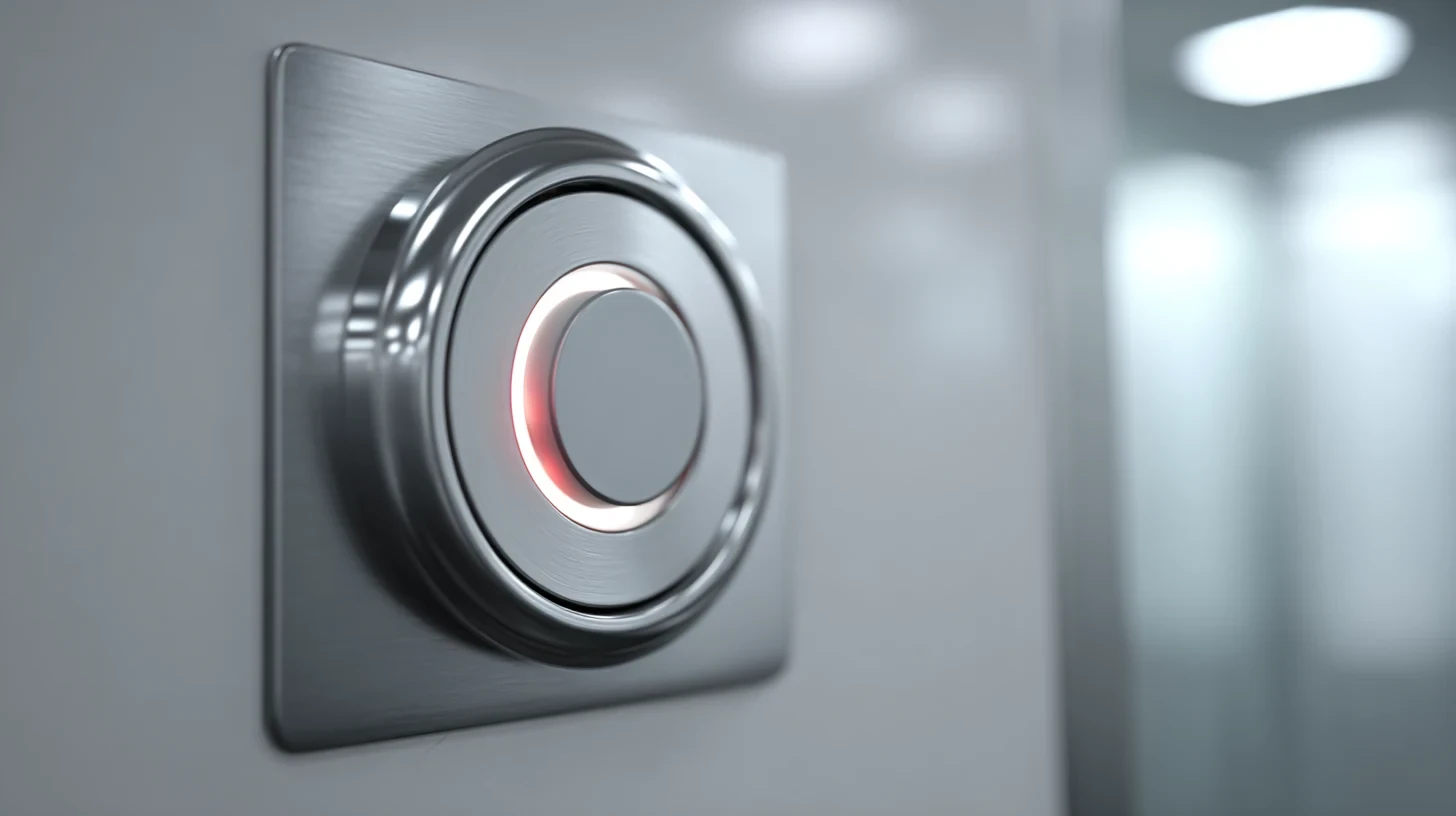
And let’s not forget about looks—modern elevator panels can be customized to match your building’s style. You can add sleek LED lights that not only look cool but also save energy. When design and function work together like that, it makes the elevator feel less like just a transport tool and more like part of the building’s personality.
Another tip? When picking out an elevator, aim for options that balance practicality with visual appeal. That way, it fits right in with your building’s overall vibe and makes everyone’s ride that much better.
Understanding the Functionality of Elevator Push Buttons in Modern Design
| Feature | Description | Technological Influence | User Experience Impact |
|---|---|---|---|
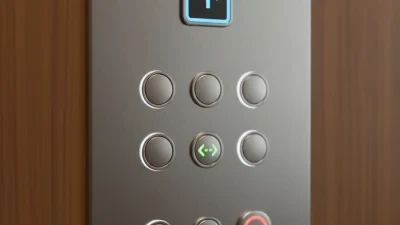
| Illuminated Buttons | Buttons that light up to indicate selection. | LED technology for low power consumption. | Improves visibility and reduces waiting anxiety. |
| Touchless Controls | Activate Elevator without physical contact. | Infrared and motion sensing technology. | Enhances hygiene and user comfort. |
| Smartphone Integration | Use of an app to call and control elevators. | IoT connectivity and mobile app development. | Provides convenience and personalized user experience. |
| Customizability | Ability to personalize button functions and designs. | Software programming and modular designs. | Makes the elevator experience more user-friendly. |
| Voice Activation | Use voice commands to navigate elevators. | Voice recognition technology advances. | Facilitates accessibility for all users, including those with disabilities. |
Safety Features Incorporated in Elevator Push Buttons
You know, in modern elevator design, those push buttons aren’t just about making things work—they actually play a huge role in keeping passengers safe, too. Recent reports in the industry show that around 30% of elevator accidents happen because of control system problems or poorly designed buttons. To fix this, manufacturers are really stepping up their game by adding smarter safety features right into those buttons. For example, many now have tactile feedback—so when you press a button, you actually feel it, which is great for confirming your connection. Plus, it’s a lifesaver for folks with visual impairments, helping them navigate elevators more easily.
And there’s more. Emergency alert systems built into the buttons themselves are becoming pretty standard now, and honestly, they make a big difference. A study from the National Elevator Industry, Inc. found that elevators with these emergency communication features respond way faster in emergencies, making sure help gets there quickly when it’s needed most. On top of that, newer button designs that meet ADA standards make elevators accessible for everyone, no matter their physical ability. All these safety upgrades really show how the industry is working hard to put user safety and comfort front and center—no shortcuts anymore.
The Future of Elevator Control: Trends and Predictions
Lately, we've seen some pretty interesting shifts in elevator control systems that seem to mirror broader tech trends. The rise of smart elevators, in particular, is really shaking things up. Experts predict the global smart elevator market will jump from around $18.75 billion in 2019 to nearly $66 billion by 2032, growing at an average rate of about 9.5% per year. It’s a big deal! This move toward smarter elevators isn't just about cool tech; it actually makes a difference for users. They get faster, smoother service, and there are also better safety features and energy savings—who wouldn’t want that?
As this tech evolves, even the humble push buttons are getting a makeover. More and more, we're seeing touchless controls and sleek digital panels replacing the old-fashioned buttons. It’s all part of the push for better hygiene and easier access—especially important nowadays. For elevator makers, it’s vital to stay on top of these trends because what consumers want really shapes what gets designed.
**Tip:** When you're picking out an elevator system, look for the latest tech. It’s not just about having the newest features but also about making life easier and safer—think touchless controls, especially if you're dealing with busy spots. Keeping an eye on these innovations can give you a serious edge and keep you ahead of the game.
Exploring Industry Trends: Enhancements in Elevator Technology with G15-C01-M & G15-C01-C CAN-B3 Communication Interface Board
The elevator industry is witnessing significant advancements in technology, with a growing focus on communication interface solutions that enhance operational efficiency and reliability. One prominent innovation in this space is the G15-C01-M and G15-C01-C CAN-B3 Communication Interface Board. Designed specifically for elevator systems, these boards facilitate seamless communication between various components, ensuring that data transmission occurs swiftly and accurately, which is crucial for modern elevator operations.
This dual-type interface board not only supports robust data handling but also enhances the overall control and monitoring capabilities of elevator systems. The G15-C01-M variant is tailored for applications requiring various input-output combinations, while the G15-C01-C offers a compact solution ideal for space-constrained environments. By adopting these advanced communication boards, elevator manufacturers and operators can significantly reduce maintenance costs and improve system uptime, as they enable more straightforward diagnostics and faster troubleshooting.
Moreover, integrating the G15-C01-M and G15-C01-C boards into existing systems can offer scalable solutions to meet evolving demands. As the trend toward smart buildings continues to rise, the need for reliable and efficient elevator communication technologies becomes increasingly important. With their enhanced features, these interface boards position themselves as essential components in the quest for smarter, more efficient elevator systems.
FAQS
: Elevator push button designs have evolved from basic lever controls to sophisticated, user-friendly interfaces, reflecting significant advancements in technology and user experience.
As of 2023, the global elevator market is estimated to be valued at over $70 billion.
Modern elevators often feature touchless activation, smart technology for personalized settings, and aesthetic elements that align with the building's design.
Touchless technology enhances hygiene and provides accessibility for those with mobility challenges, making it increasingly relevant following recent global health concerns.
Contemporary designs include tactile feedback mechanisms, emergency alert systems, and ADA-compliant buttons to enhance safety and accessibility for all users.
Smart technologies allow for personalized settings based on user habits and preferences, improving convenience and user satisfaction in elevator interactions.
Reports indicate that nearly 45% of new elevator installations in urban centers utilize touchless or smart buttons.
Aesthetic elements are crucial, as customizable push button panels can be designed to match the building’s style, promoting a cohesive interior while enhancing user experience.
Approximately 30% of elevator accidents are linked to malfunctioning or poorly designed control systems, highlighting the importance of effective push button design.
Tactile feedback mechanisms in buttons help visually impaired users confirm their selections and navigate elevators more safely.
Conclusion
Hey, in our blog titled 'Understanding the Functionality of Elevator Push Buttons in Modern Design,' we take a deep dive into how these buttons have evolved over time — from early, simple controls to the sleek, sophisticated systems we see today. Accessibility is a big deal too, making sure everyone can use these buttons without hassle. And of course, user experience matters a lot — smart layouts that make the buttons intuitive and comfortable to use really make a difference.
Plus, new tech is totally changing how these buttons work, making everything more efficient and engaging for users. Safety is also a top priority, so modern designs ensure you feel secure every time you hop into an elevator. Looking ahead, trends seem to point towards even smarter, more integrated control systems, which will keep reimagining what elevator buttons can do in our daily lives. Over here at Zhuhai Link Industrial Co., Ltd., we’re excited to stay ahead of the curve by embracing these cutting-edge developments, making sure our products lead the way in elevator tech.
Related Posts
-

Leading Elevator Component Manufacturers from China at the 137th Canton Fair
-

Future Innovations in Elevator Button Panels: Trends to Watch in 2025
-

7 Essential Elevator Parts Every Global Buyer Must Know
-
Elevator Door Sensor Innovations Shine at 2025 Canton Fair with Record International Participation
-
Resilient Growth of Chinese-Made Elevator Control Panels Amidst US-China Tariff Challenges
-

7 Compelling Reasons to Choose the Best Elevator Switch for Your Projects