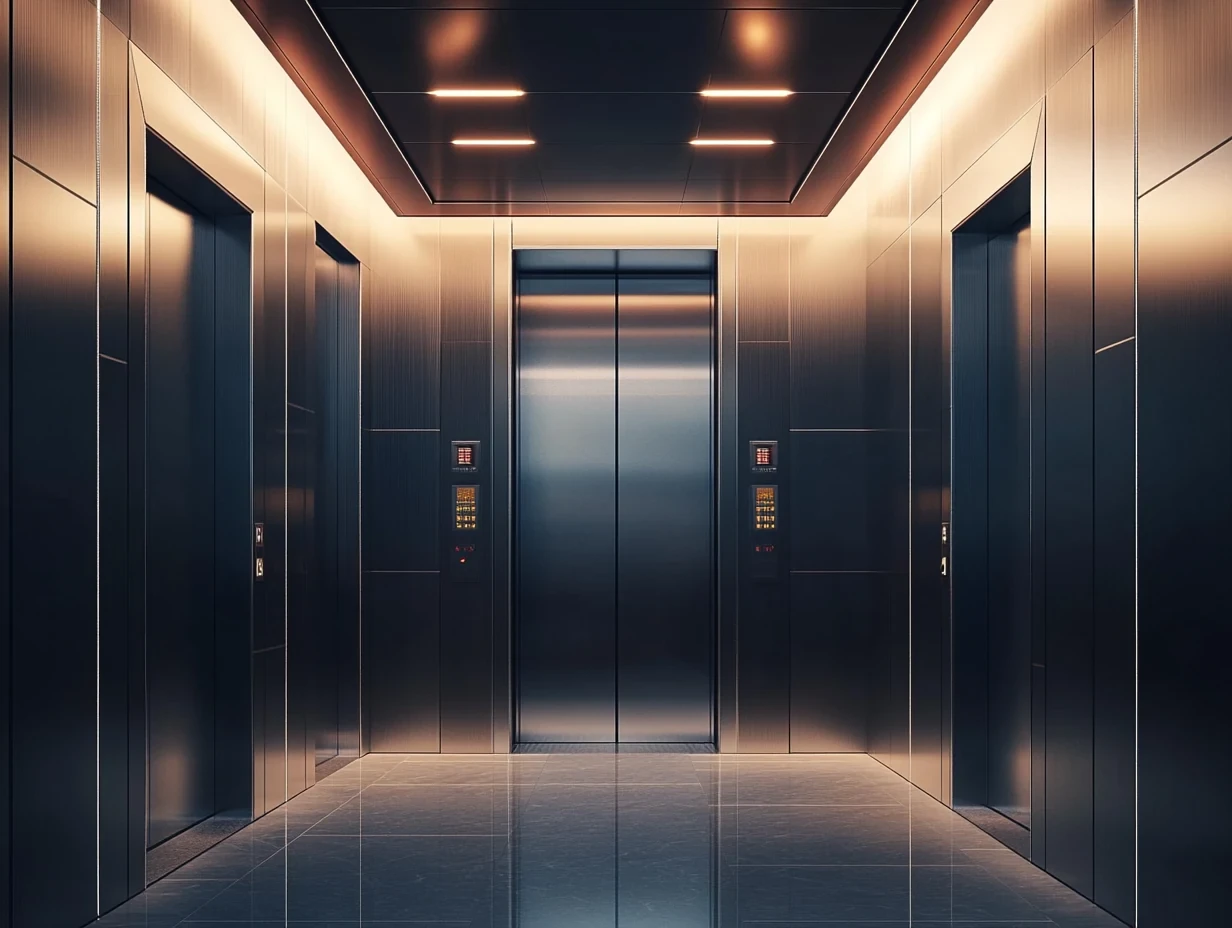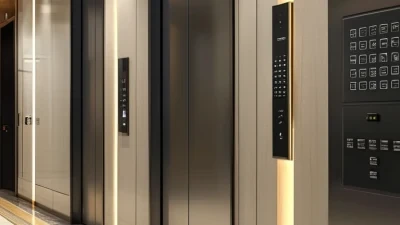
A metamorphosis has begun in the elevator world, owing to technology advancements leading to ease and intuitive interfaces. The global elevator marketplace is expected to go beyond $100 billion in 2023 on account of the ever-increasing demand for smart buildings and urbanization. Elevator button panels are one of the most important parts of an elevator system that improve the user experience and operational efficiencies. Some trends to be observed by 2025 are touchless technologies, digital interfaces, and adaptive designs to meet different user needs, thus enhancing elevator accessibility and efficiency.
Zhuhai Link Industrial Co., Ltd., established in June 2017, is an industry front-runner in the innovations. With an annual sales volume exceeding 200 units, we are committed to providing first-rate elevator solutions from sales to installation, and finally to maintenance. Looking to the future, we envisage that the Elevator Button Panel will be very instrumental in defining how people interact with elevators and enhancing their safety features. Through such initiatives, Zhuhai Link Industrial Co., Ltd. intends to remain the leader in the industry, spearheading modern elevator technologies.
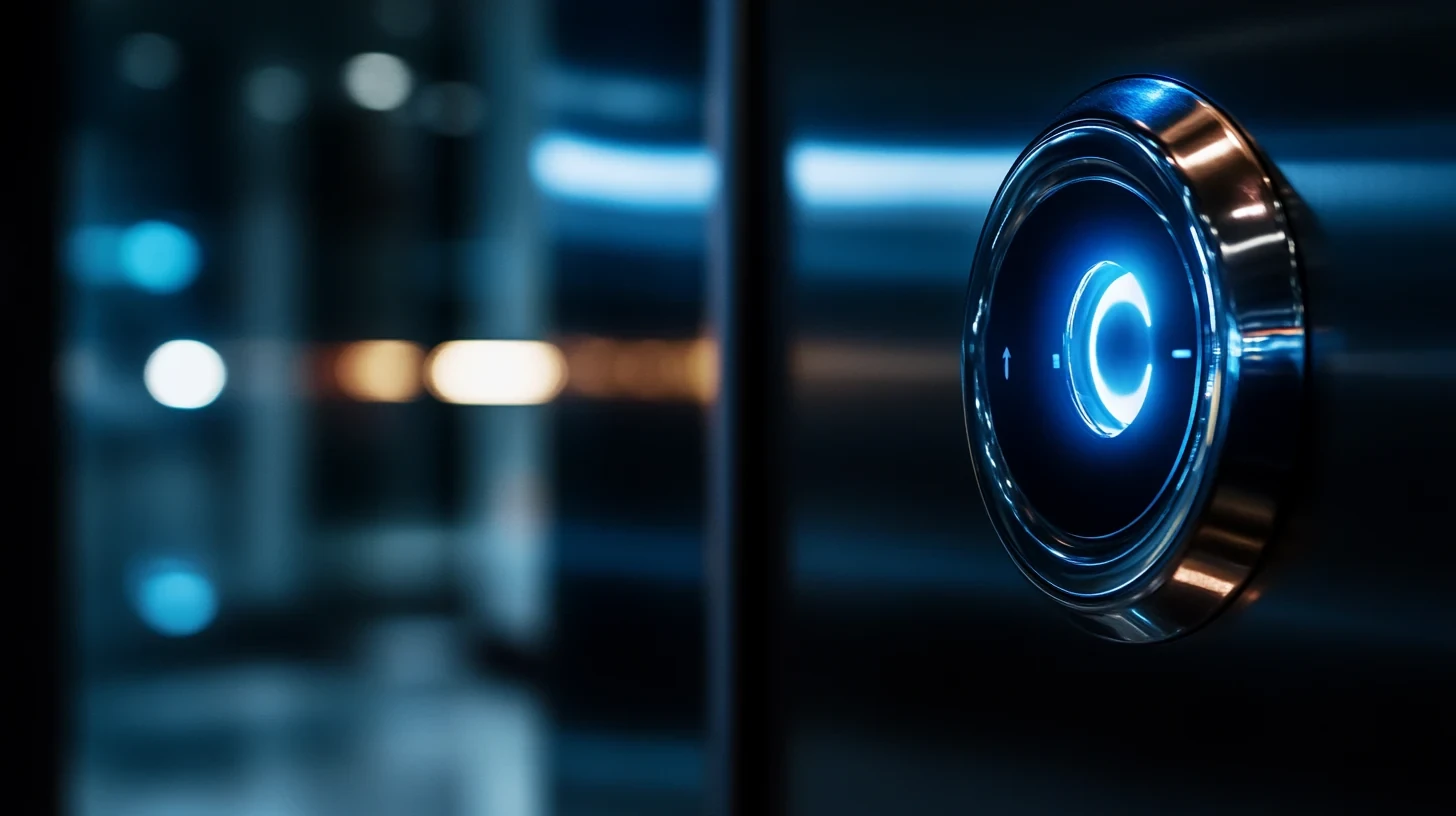
The Evolution of Elevator Button Panels: A Glimpse into the Future
The changes that elevator button panels have undergone have been drastic over the decades-modernization of technological aspects or user experience design. It is shaping up to the year 2025, and there are some major trends which are going to change the perspective of one of the most crucial vertical transportation. The report by the International Elevator and Escalator Manufacturers Association has revealed that smart elevators demand will increase by a pace of about 30% in the coming five years, with a few applications of new user interfaces being one of the drivers. The trend is moving towards touchless technology, which has gained remarkable play due to the specific disease concerns that are currently raised by the COVID-19 pandemic. Studies prove that gesture control in elevators can diminish touchpoint contamination as much as 85%-making such systems a must in high-traffic public areas. Hygiene will surely improve with this type of operating; however, it will also enable better access for the disabled to use a given elevator. Apart from touchless interfaces, the adoption of such smart technologies in elevator button panels is going to redefine interaction between the elevator user and the equipment. Their integration of IoT features enables real-time data sharing and predictive maintenance and hence increases operational efficiency from a profit standpoint. According to market analysts from ResearchAndMarkets, it is predicted that almost 40% of elevator installations will contain smart technology by 2025, which will enable customized users experience through mobile app integration and customizable button layouts. The transformation is heading towards designing elevator button panels with user-centric principles for safety, convenience, and accessibility to perfectly achieve user experience at its best. Technology will significantly complement design functionality in these panels, contributing to the overall user experience in modern buildings.
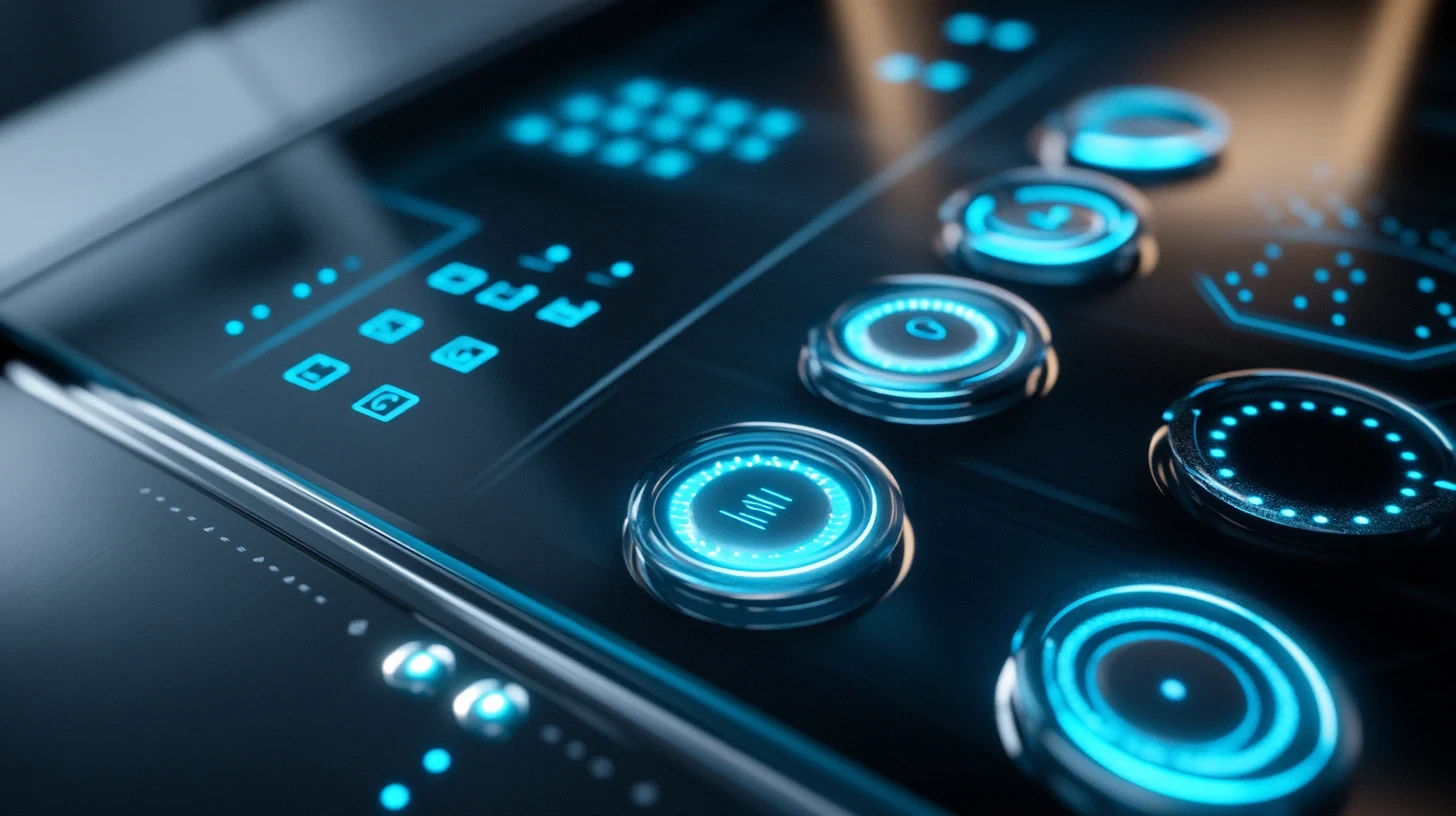
Smart Technology Integration: Elevating User Experience
As we move toward the year 2025, making use of smart technology on elevator button panels is now going to provide a new experience to users. In that respect, the Internet of Things (IoT) is transforming these panels-more or less into intelligent systems for fulfilling the needs and preferences of the users rather than just being functional interfaces. Just imagine entering an elevator and recognizing you as a recipient currently through mobile app linkage or facial recognition; it only needs to push the previous use patterns on the floor you needed.
Design of the user interface will undergo a serious revamp, and upward will touchless technology accrue. Elevators with gesture - controlled buttons or voice activation will not only do away with extra conveniences but will also be critical in hygiene considerations, which have taken center stage when talking about public spaces. The seamless, personal experience that is created allows the users to leave them less focused on the mechanics involved in operating an elevator and even more on their journey.
Similarly, intelligent elevator cabin button panels will use analytics in real-time to improve building management and efficiency. Such systems will be cloud-integrated to monitor usage patterns, send alerts to maintenance staff for any maintenance-related issues, and optimize energy consumption. This is how, as buildings become smarter, the \"intelligent\" use of these technologies will elevate the user experience, becoming an example of new standards in proof sustainable practices set for urban infrastructure.
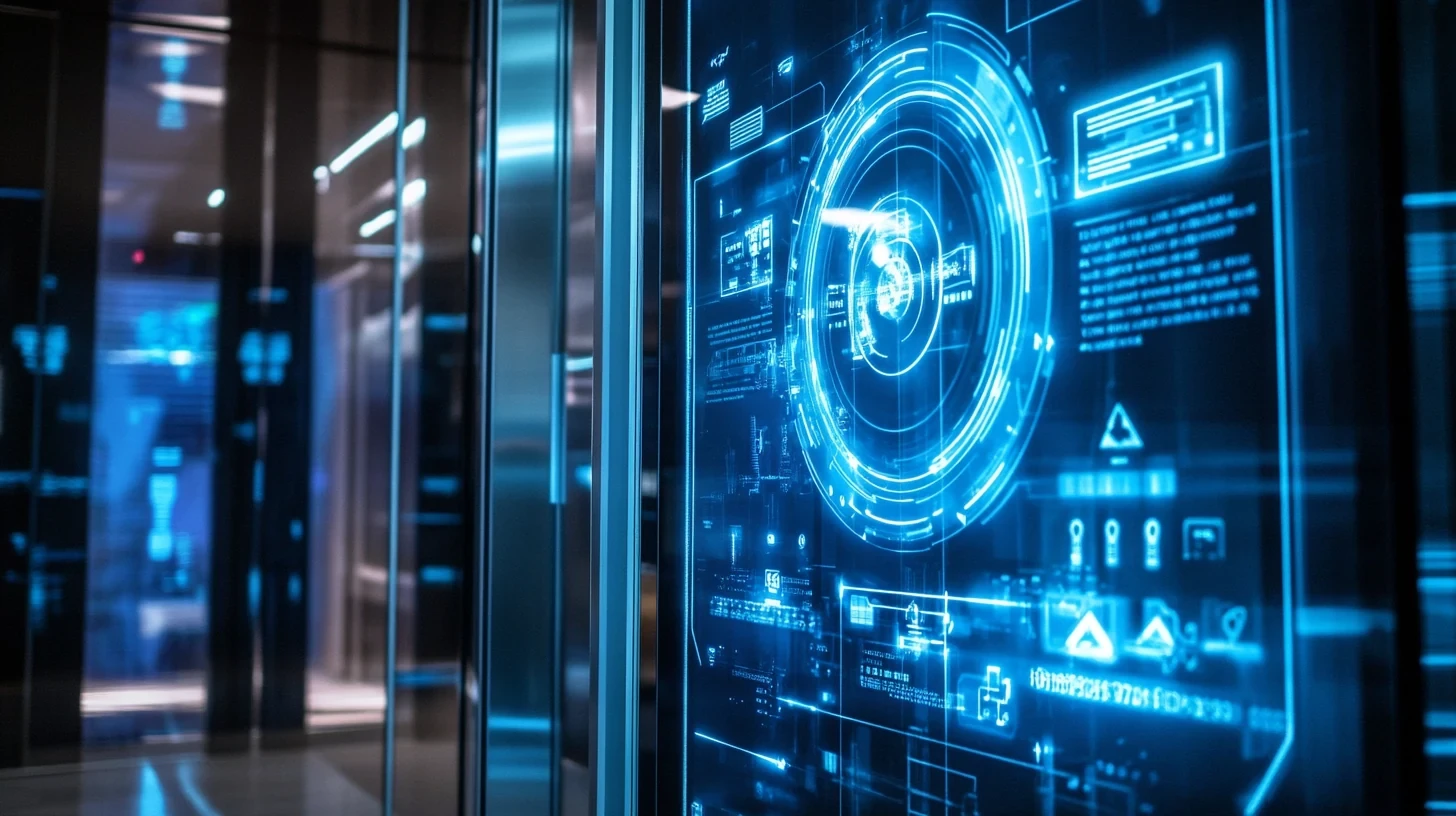
Touchless Interfaces: The Rise of Gesture and Voice Control
The journey through the home corridor of the future is still under construction. This time, touchless interfaces would be redesigning spaces like elevator button panels. There is an increase in hygiene demands and expectations in public spaces come 2025, thus bringing forth innovations to enable the less physical interface. Gesture and voice control are going to open a whole new dimension in the elevator experience toward a more intuitive and accessible experience for users.
Gesture control allows use of simple hand movements to call elevators or select floors, rather than touching potentially contaminated surfaces with a finger. This technology can integrate well with smart systems, thereby enabling user friction-free interaction with the system for added satisfaction. Owing to advancements in sensors and AI, these systems will soon be able to recognize a variety of gestures and respond to them making the process fast and user-friendly.
Voice control is another trend waiting to gain momentum. Elevators could be called or floors indicated by simply speaking while utilizing smart assistants and voice recognition software. This hands-free operation assures cleanliness and makes it possible for an elevator to be easily accessible to people with mobility challenges. With dial-up voice technology, the future promises to be even more personal and efficient in travel experience, making it easy to experience even greater convenience within cities.
All these innovative approaches to elevator interfaces are in the immediate direction of smarter and responsive buildings. We are harnessing elevator touchless technologies post-pandemic towards improving safety and the whole way of relating to vertical transportation systems. Gesture and voice control would pave the way into a better tomorrow for the new-age elevator experience as advanced and accommodating.
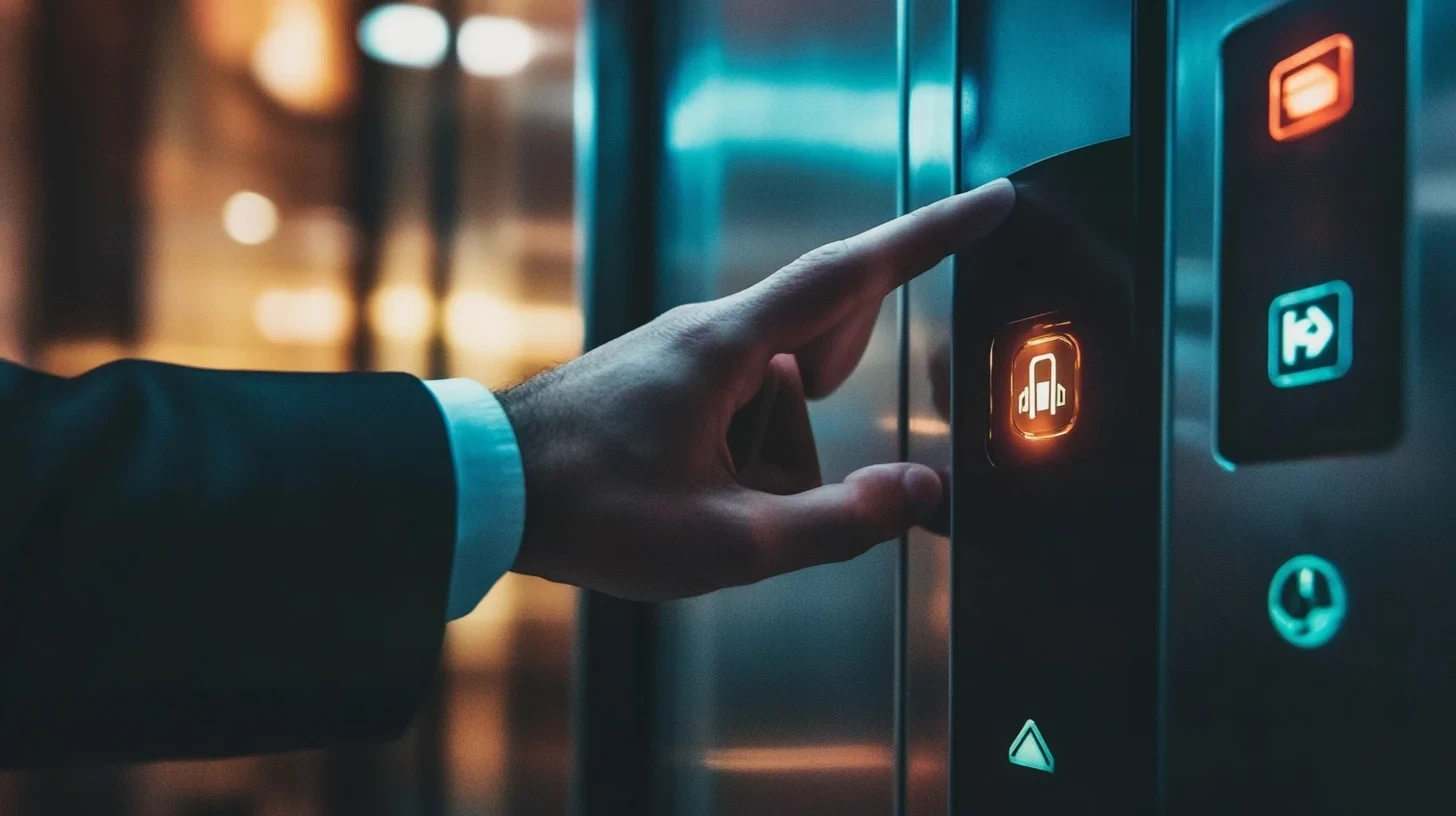
Sustainability in Design: Eco-Friendly Materials for Button Panels
By 2025, elevator button panel design will witness a notable trend toward sustainability. As consumers grow more and more aware of the impact of their choices on the environment, manufacturers have started producing panels using eco-friendly materials to serve the purpose. The growth trajectory of sustainable plastics, recycled metals, and glass marks a journey towards a more responsible industry for button panels, following similar movements in the other fields like sustainable packaging and sustainable storage containers.
From the year 2025 to 2034, sustainable plastic packaging is estimated to grow at a whopping CAGR of 5.9% due to increased demand for recyclable materials. This increasing awareness is clearly apparent in the elevator market as well, with products made from recycled plastics and other eco-aware metals positioned to take a large share of the future of button panel designs. To be sustainable candidates definitely appeal to the eco-conscious consumers; and also really work towards reducing building project carbon footprints.
Further, the heightened use of glass and stainless steel for food storage has been a reflection of society's consciousness of durability and recyclability. This trend may, in turn, push elevator manufacturers to experiment with composites with the same properties to ensure that elevator button panels engage not only in function but also in ecological sensitivity. Scanning forwards toward the innovations of 2025, it is very clear that sustainability will be steering button panels into the future in elevators, just as in any other industry where green solutions are prioritized.
Customization and Personalization: Tailoring Experiences for Users
With an accelerating focus on customization and personalization, the user experience is anticipated to be redefined by 2025 in the evolution of elevator button panels. As the demand for tailor-made solutions grows, more companies integrate different interfaces that tune to individual needs. Studies reveal that 80% of consumers are more likely to buy when brands provide personalized experiences. This is a trend incorporated in the designs of elevator systems in that button panels can be customized to suit user preferences such as frequency of use and accessibility needs.
AI as an enabler is the main force behind this personalization trend. With the help of AI-driven algorithms, businesses can analyze usage patterns and preferences and spawn hyper-personalized interactions. For instance, a report shows that organizations that personalize with AI produce engagement rates as high as 400%. In elevators, this would mean a button panel that anticipates users' destinations for seamlessness and intuitiveness.
Meanwhile, the rise of IoT (Internet of Things) means ever-improving connectivity among devices in respect to customizations. Think of an elevator button panel that uses real-time data to send personalized notifications or recommendations based on users' past interactions. Suppose an IoT-powered, hyper-personalized technology guarantees greater user satisfaction and efficiency; in that case, its function will fit perfectly into the broader goals established by modern architecture and urban planning. The application's potential for higher user engagement and satisfaction through personalized interfaces in elevators ceases to be optimistic. It is a reality awaiting preparedness on the industry's side.
User-Centric Designs: Enhancing Accessibility and Usability
In quest for user-focus designs for elevators, many innovations are expected through the bridge years between enhanced accessibility and usability at the opening of 2025. This might involve the design of interfaces that will be usable by all, including those with disabilities. It's like transforming even aspects of introduction, such as that demonstrated in Avita's launch of HarmonyOS cabin experience, into showing that technology may be developed collaboratively to create custom experiences.
The future of elevator button panels will bring features such as tactile feedback, larger buttons, or voice activation for everyone who needs it, in making it intuitive. Close to some of what Ledger is working on in partnership with designer Tony Fadell, they emphasize clarity and confidence, and in that way really communicate how important user experience is. Indeed, just like OpenAI's public release of GPT-4o, most initiatives emphasize the accessible technology angle while improving interaction and accessibility in regular tools.
And these are indeed trends toward a bigger wave: user experience as a priority. Accessible elevator systems will make the ease of access and interaction better, create a more inclusive user environment, and define a new level of what may be expected in public and private spaces.
Aesthetic Trends: The Influence of Modern Interior Design
The trend for elevator button panels is set to reflect the greater aesthetic considerations in modern interior design as we reach further into 2025. Streamlined, minimalist designs have soared to prominence on the scene, especially in city settings where space tends to coincide with aesthetics. The recent Grand View Research report states the global elevator and escalator market should reach about $121.76 billion by 2025, largely propelled by innovations in design and technology. This uptrend connotes a departure from the now-obsolete model of aesthetic and user-unfriendly fixtures, with much emphasis to panel buttons that are seen but not heard.
Manufacturers have been rethinking the button panel. Progressive use of brushed stainless steel, glass, even customizable LED lighting has been applied. On the other hand, Market Research Future denotes consumption patterns wherein 68% of customers addressed preferences for functionality twinned with elegant visual appeal. The latter embraces high demand for upscale interior décor that widely nurtures uniformity in the design focus across elements,-third part being elevator systems. With architects and interior designers gearing toward environments suited for immersive experiences, elevator button panels will grip a significant share of maintaining the atmosphere inside buildings.
Adding the demand for sustainable objects into the choice-making process, eco-materials, and energy efficiency technologies will undoubtedly influence how elevator button panels are being made. According to the World Green Building Council, sustainable building design practices can cut down the cost of operations of a building by as much as 20%. This is attractive not only to eco-minded consumers but also to the current trend of ethical interior design. Thus, as we move towards 2025, we will see the reflection of the confluence of aesthetics and sustainability in elevator button panels spread beyond architecture and interior design to actual 3-D space: one that is functional and exciting.
Data-Driven Insights: How Analytics Will Shape Future Panels
As we approach the year 2025, one of the most revolutionary shifts in elevator technology will be the infusion of data analytics into button panel design. With the global market for elevators and escalators expected to reach $141 billion by 2025, data-driven insights are increasingly leveraged for user experience and operations efficiency. The report by ResearchAndMarkets emphasized that smart technology adoption in vertical transportation systems can minimize downtime by even 30%, directly benefiting both manufacturers and end-users.
Incorporating analytics into the button panel of an elevator means user interaction can now be tracked and analyzed in real time. This creates a design that is more accommodating to consumption behavior and preferences. For instance, data may show that certain floors receive greater requests at peak hours, empowering operators to prioritize such floors through access, therefore reducing wait time and enhancing satisfaction. According to a study by MarketsandMarkets, analytics-driven predictive maintenance can reduce maintenance costs by further incentives to transition into smart button panels, while keeping those in operation.
Artificial Intelligence will also help elevator systems to react faster with changing trends in usage. Button panels will use machine learning algorithms to learn from past interactions or even predict requests for destinations. This makes the life of the consumer easier while maximizing energy use, one of the most significant driving forces for sustainability in building design today. According to the AIA report, incorporating smart technologies can reduce energy costs in buildings by about 30%, building a strong case for why data-driven options for button panels are the right investment both environmentally and economically.
FAQS
Manufacturers are incorporating eco-friendly materials such as sustainable plastics, recycled metals, and glass into elevator button panels to align with growing environmental consciousness among consumers.
The move towards sustainable materials in the elevator industry reflects a broader shift towards responsible manufacturing practices, helping to reduce the carbon footprint associated with building projects.
Sustainable plastic packaging is expected to grow at a CAGR of 5.9% from 2025 to 2034, mirroring similar trends in elevator design where recycled plastics and eco-conscious metals are becoming more prominent.
Personalized elevator button panels can adapt to individual user preferences, such as usage frequency and accessibility needs, enhancing user experience and satisfaction.
AI algorithms analyze user patterns and preferences to create hyper-personalized interactions, resulting in a more intuitive and seamless experience for elevator users.
IoT connectivity can allow elevator button panels to use real-time data to provide personalized notifications and recommendations based on users' past interactions, improving overall engagement.
Consumers are becoming more aware of their environmental impact, leading to a demand for products that utilize sustainable materials and practices, such as those found in elevator button panels.
Studies indicate that 80% of consumers are more likely to purchase when brands provide personalized experiences, suggesting a positive market response to customizable elevator interfaces.
Sustainable and personalized designs in elevator button panels contribute to efficiency and user satisfaction, aligning with the goals of contemporary architecture and urban planning.
As glass and stainless steel gain popularity in other sectors for their durability and recyclability, elevator manufacturers are encouraged to explore these materials for button panels to meet market expectations.