In the fast-changing world of vertical transportation, safety and efficiency are more important than ever—especially when it comes to elevators. Here at Zhuhai Link Industrial Co., Ltd., founded back in June 2017, we really understand how crucial Elevator Door Sensors are for keeping elevators safe and running smoothly. We’re proud to have sold over 200 units a year, and our expertise spans the entire process—from sales and installation to maintenance—making us a pretty significant player in the industry. This guide is all about diving into how these sensors work and why they matter so much—helping doors open and close smoothly, preventing accidents, and building confidence among users. As we look ahead to what's next for Elevator Door Sensors, let’s explore how these smart components are not just boosting safety but also making modern elevators more efficient overall.
Key Components of Elevator Door Sensors: An Overview
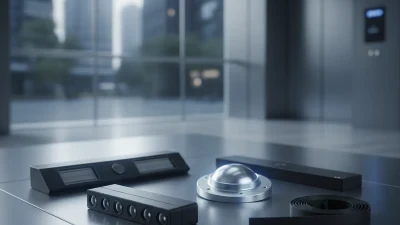
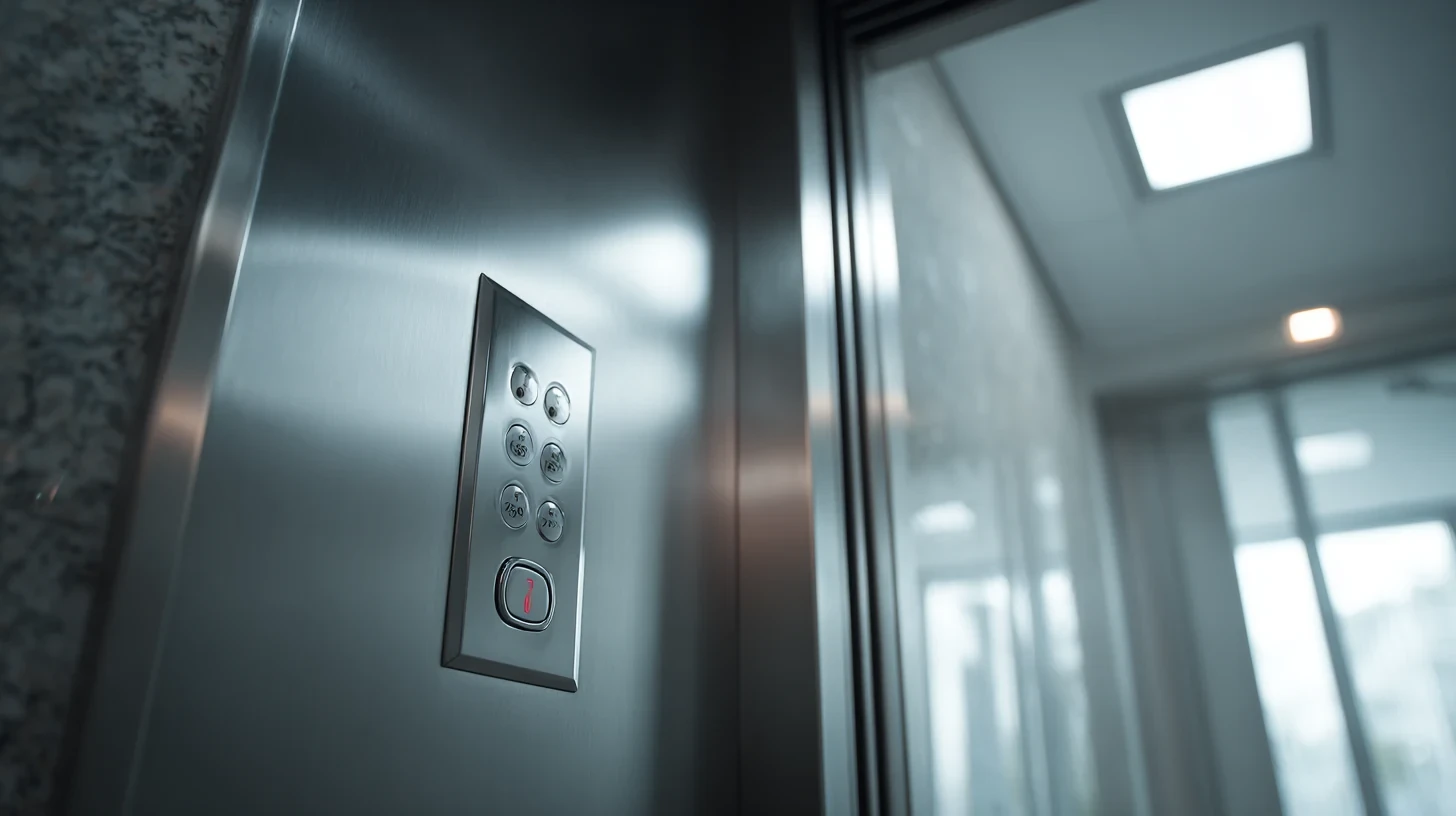
Elevator door sensors might not be the first thing that comes to mind when thinking about building safety, but honestly, they’re pretty darn important for making sure everything runs smoothly and safely. These little devices are designed to spot obstacles so that the doors open and close without a hitch—and more importantly, without causing any accidents. I read in Elevator World that almost 60% of elevator mishaps happen because of door issues, which really shows just how vital reliable sensors are. Usually, there are two main types out there: infrared and ultrasonic. Infrared sensors send out light beams to see if anything's in the way, while ultrasonic sensors use sound waves—both do a good job of catching potential hazards.
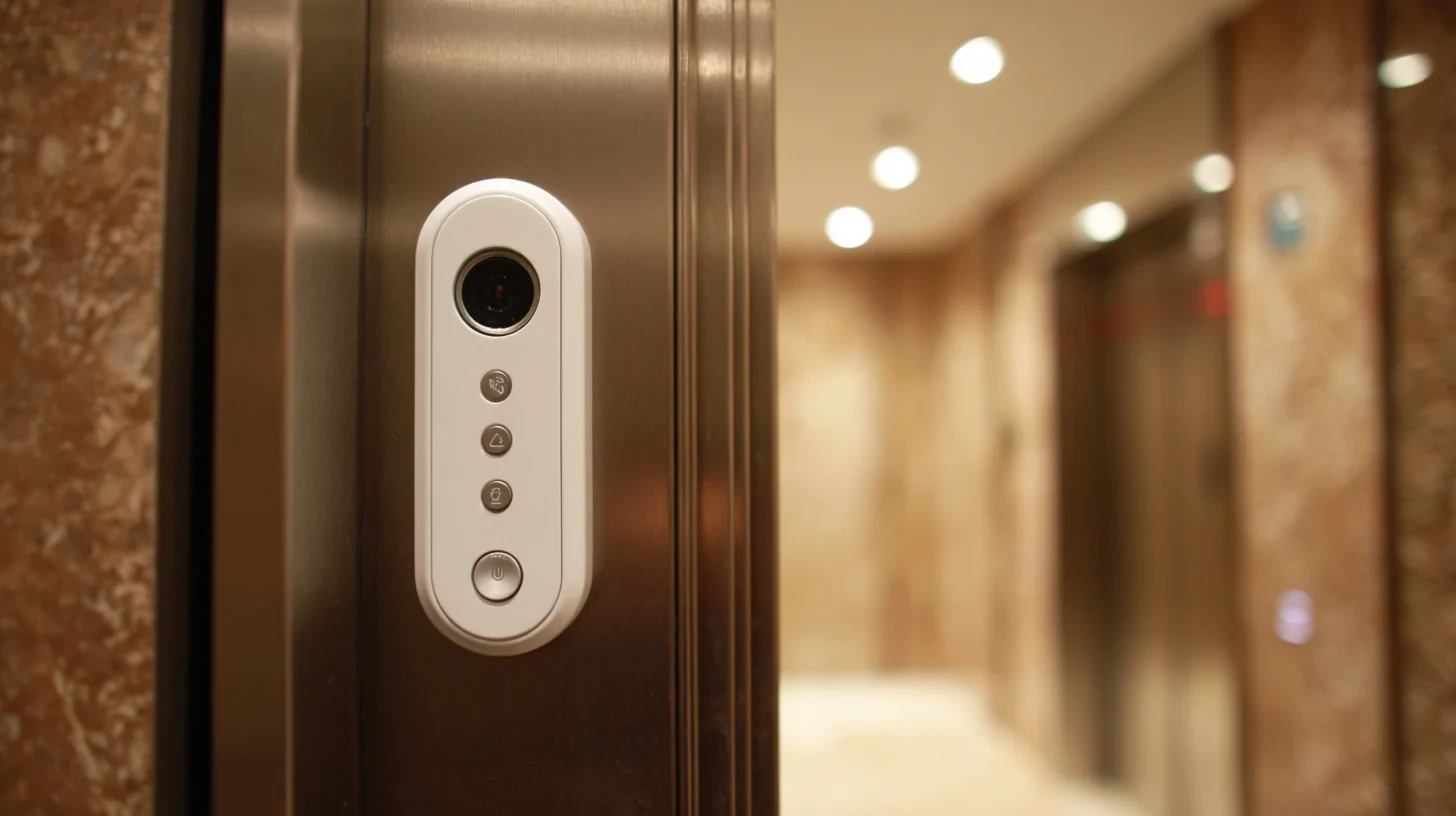
A quick tip: Regular maintenance is key. If you check those sensors every quarter, you can catch problems early before they turn into bigger, costly issues. Trust me, a bit of routine care can make a huge difference in passenger safety.
And these days, tech keeps improving. There are newer sensors out now that come with smart features, like machine learning, that can actually adapt based on how people use the elevator. According to a recent study from the International Association of Elevator Engineers, upgrading to these smarter sensors could boost efficiency by around 25%. That means shorter wait times and a way better experience for users.
So, if your elevator is over ten years old, it’s probably worth considering an upgrade—not just for added safety but also because newer models can save energy in the long run. Always good to stay ahead of the curve!
How Elevator Door Sensors Enhance Passenger Safety
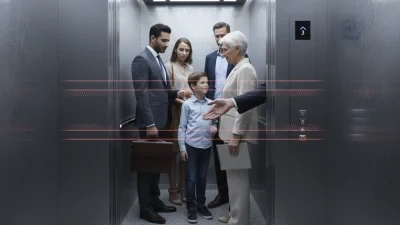
Elevator door sensors are a pretty important part of keeping passengers safe. They help prevent accidents by making sure the doors don’t shut on someone or something in the doorway. Basically, if the sensor detects a person or an object blocking the way, the doors will automatically stop closing. It’s a small tech trick that goes a long way—reducing the chance of injuries and giving folks more peace of mind. This is especially helpful for seniors, kids, or anyone with a disability who might need a little extra time to get in or out without rushing.
But it’s not just about safety—these sensors also make elevator rides more efficient. Modern sensors, often using infrared or laser tech, are pretty good at figuring out how much space is in the doorway. That means elevators can respond faster, especially when there’s a lot of people waiting, helping to cut down on wait times and keep things moving smoothly. All in all, having such smart sensor systems in elevators isn’t just about keeping everyone safe—it also makes the whole process quicker and more reliable for everyone involved.
The Impact of Elevator Door Sensors on Passenger Safety
| Label | Accident Rate per 1,000,000 Rides |
|---|---|
| Accident Rate Before Installation | 5.5 |
| Accident Rate After Installation | 1.2 |
This chart illustrates the significant reduction in accident rates associated with the installation of elevator door sensors. Prior to the installation, the accident rate was 5.5 incidents per 1,000,000 rides, while after the sensors were installed, this rate dropped dramatically to 1.2 incidents per 1,000,000 rides, showcasing the effectiveness of safety enhancements in elevators.
Types of Elevator Door Sensors and Their Mechanisms
Elevator door sensors are honestly a pretty big deal when it comes to making Lifts safer and more efficient these days. There are a few main types out there—like infrared sensors, ultrasonic sensors, and mechanical edge sensors—that pretty much cover the basics. I came across this recent report from the International Elevator and Escalator Industry (IEEI), and it's pretty interesting—it's saying the market for safety parts like door sensors is expected to grow at around 5.2% annually. That really shows how much attention everyone’s giving to safety innovations in elevators now.
So, here’s a quick rundown: infrared sensors use light beams to spot if something’s in the way—say, a person or object—so the doors won’t slam shut on them. That definitely helps reduce accidents and keeps things running smoothly inside buildings. Ultrasonic sensors, on the other hand, work with sound waves to detect nearby stuff, which is especially handy in busy places where things happen quick. Then there are the mechanical edge sensors, which actually feel if the door bumps into something—if it does, they make the door stop or even reverse. It’s a simple but effective safety trick.
At Zhuhai Link Industrial Co., Ltd., we’ve been around since June 2017, and we really get how important these tech bits are. We sell over 200 units a year, and we’re all about installing and maintaining elevators that use the latest safety gear. Making sure our elevators have top-notch sensors isn’t just about following the rules—it’s about keeping passengers safe and making everything run more smoothly. We’re always working to stay ahead of the game and follow industry best practices—because safety, after all, is the priority.
The Ultimate Guide to Understanding Elevator Door Sensors for Enhanced Safety and Efficiency
| Sensor Type | Mechanism | Safety Feature | Efficiency Benefit |
|---|---|---|---|
| Infrared Sensors | Uses infrared light beams to detect motion. | Prevents doors from closing on passengers. | Reduces door closing time, enhancing flow. |
| Mechanical Edge Sensors | Uses a physical edge that moves with the door. | Stops the door from closing when obstructed. | Improves user confidence and reduces wait times. |
| Ultrasonic Sensors | Emits ultrasonic waves to detect nearby objects. | Detects presence in close proximity to the doors. | Optimizes door opening and closing cycles. |
| Laser Sensors | Utilizes laser beams to detect motion accurately. | Enhances safety during door operations. | Provides quick response to changing environments. |
Regulatory Standards Governing Elevator Door Safety
Elevator door sensors might not always be the first thing you think of, but trust me, they’re pretty crucial when it comes to keeping things safe and running smoothly. You know, there are these rules and standards out there that make sure elevator doors don’t close on someone or stuff like that—these regs are all about making sure sensors do their job right, catching anything in the way and stopping the doors from shutting on someone. For companies like Zhuhai Link Industrial Co., Ltd., following these standards isn’t just about checking boxes; it’s about building trust with their clients who really care about safety and reliability.
Founded back in 2017, Zhuhai Link has been working hard on selling, installing, and maintaining elevators. They’re pretty proud of their track record—moving over 200 units a year! They totally get that staying on top of the latest sensor tech and safety features is key to meeting those tough regulations out there. By putting a big emphasis on quality and safety—especially things like dependable door sensors—they’re not just making elevators that work; they’re making elevators that keep people safe and feel reliable. This focus on safety kind of shows how the industry’s standards are always changing, pushing companies to get better and smarter all the time.
Common Issues with Elevator Door Sensors and Troubleshooting Tips
Elevator door sensors are pretty important when it comes to keeping folks safe and making sure everything runs smoothly. That said, sometimes these sensors can act up, which leads to some pretty annoying issues that mess with our daily routines. A common hiccup is when the sensors don’t pick up an obstacle — and before you know it, the doors just decide to close on their own. Not only is that risky, but it can also be super frustrating, especially for folks who depend on elevators to get around in places like the Wagner Houses in East Harlem. Honestly, many residents have had their own elevator adventures (both good and bad!) in these kinds of buildings.
Fixing these problems usually starts with a quick peek. Just take a look at the sensor’s path — see if there’s any dirt, debris, or anything blocking it. Even tiny obstructions can cause big issues. Regular check-ups and updates also go a long way to keep everything working smoothly. If the problem keeps coming back, it’s a good idea to let your building management know. Sometimes, you’ll need a professional to come in and give everything a proper look to make sure all the safety systems are in tip-top shape. Fixing these sensor issues not only makes things safer for everyone, but it also helps the elevators run more reliably, so nobody’s left waiting or feeling annoyed.
Future Trends in Elevator Door Sensor Technology for Enhanced Efficiency
You know, as more folks expect elevators to be safer and work more smoothly, it’s pretty exciting to see how elevator door sensors are evolving. Looking ahead, it seems like we’re moving towards really smart sensors that use artificial intelligence and machine learning. These guys can respond faster and adapt to different situations on the fly. Not only will they be better at spotting obstacles and avoiding accidents, but they’ll also adjust how fast the doors open and close based on how many people are waiting or moving through, which should mean less annoying wait times and a nicer experience for everyone.
And here’s the cool part—integrating IoT, or the Internet of Things, is really taking this to the next level. These sensors could become ‘smart devices’ that chat with other systems and share real-time info. Imagine getting alerts before something even goes wrong or catching issues early during regular use—kind of like proactive maintenance. This way, elevators stay in top shape without breaking a sweat.
All in all, these advancements aren’t just about safety—they’re about making elevator rides smoother, safer, and more efficient for everyone. Exciting times ahead, right?
FAQS
: Regulatory standards dictate how elevator door sensors operate to effectively detect obstructions and prevent accidents when doors are closing, ensuring safety and enhancing user experience.
Compliance is crucial for building trust with clients who prioritize safety in their elevator systems and for adhering to industry standards to minimize accidents.
One prevalent issue is the failure of sensors to detect obstructions, leading to unexpected door closures, which poses safety hazards and frustration for users.
Residents should check for debris or obstructions in the sensor's pathway and report any persistent issues to building management for professional assessments and maintenance.
Advanced sensors using artificial intelligence will enable more responsive operations, improving obstacle detection and optimizing door operation speed based on traffic patterns.
The integration of IoT technology will transform elevator door sensors into smart devices, allowing for real-time monitoring, predictive maintenance, and enhanced communication with other systems.
Regular maintenance ensures that sensors operate smoothly and effectively, preventing malfunctions that could compromise safety and efficiency.
Residents can expect enhanced safety features, optimized operation speeds, reduced wait times, and an overall improved user experience due to advancements in sensor technology.
By detecting obstructions effectively and preventing accidents, they enhance passenger safety and streamline the efficiency of elevator operations in buildings.
Continued innovation in elevator sensor technology reflects the industry's commitment to safety, efficiency, and meeting evolving regulatory standards.
Conclusion
When it comes to elevator safety and making sure everything runs smoothly, understanding how elevator door sensors work is actually pretty important. These sensors are kind of the unsung heroes—they help keep passengers safe by stopping doors from closing on someone or causing injuries unexpectedly. In this guide, we'll break down the main parts and mechanisms behind different types of elevator door sensors, so you can get a clear idea of how they do their job to protect everyone. We also touch on the safety standards and regulations that these systems need to meet—because staying compliant isn’t just about rules, it’s about safety too.
Plus, we know that sometimes these sensors run into issues, so we'll share some handy troubleshooting tips to keep everything functioning smoothly. And as tech keeps advancing, we’ll have a quick look ahead at the cool innovations coming up that’ll make these safety features even better and more reliable. At Zhuhai Link Industrial Co., Ltd., we’re all about delivering top-quality elevator systems. Since starting out in 2017, we’ve successfully installed and maintained over 200 units each year—so you can trust us to keep things safe and efficient.
Related Posts
-
Elevator Door Sensor Innovations Shine at 2025 Canton Fair with Record International Participation
-
Maximizing Value with Best Elevator Control Panels through Superior After Sales Support and Maintenance Savings
-
Exploring Innovations in Lift Control Panel at the Expanding International Trade Landscape of the 137th Canton Fair
-

Understanding Import and Export Certifications for the Best Elevator Push Button Industry
-

Future Innovations in Elevator Button Panels: Trends to Watch in 2025
-
Elevator Innovations: How the Best Elevator Bolt Shapes the 2025 Manufacturing Landscape