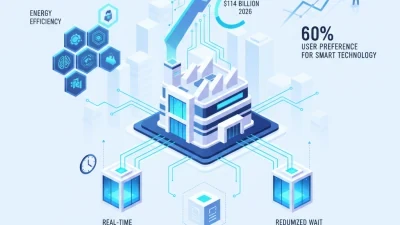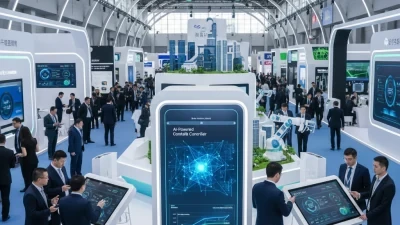
Nowadays, with technology changing so fast, having efficient systems is more important than ever. Take, for example, the new Ai-Powered Elevator Controller— it's a pretty big step forward in how we move up and down buildings. These smart systems use artificial intelligence to make elevators run better and improve the experience for everyone. Not only can they cut down on wait times, but they also help save energy, which is a win for both building owners and the folks living or working there.
Of course, not all Ai-Powered Elevator Controllers are the same. If you're thinking about upgrading, it’s really important to know what features are out there. Some systems just do basic automation, while others use fancy predictive analytics to anticipate needs. It’s a bit like shopping — understanding the differences helps you pick what’s best for your situation.
And, while these AI systems sound pretty awesome, it’s worth remembering that what works great in one building might not be the perfect fit for another. So, it’s a good idea to gather insights from different places where they’ve been used and learn from real-life experiences. That way, you can make a smarter choice and find the solution that’s just right for your specific needs. Bottom line? Don’t rush into it — take your time and give it some real thought.
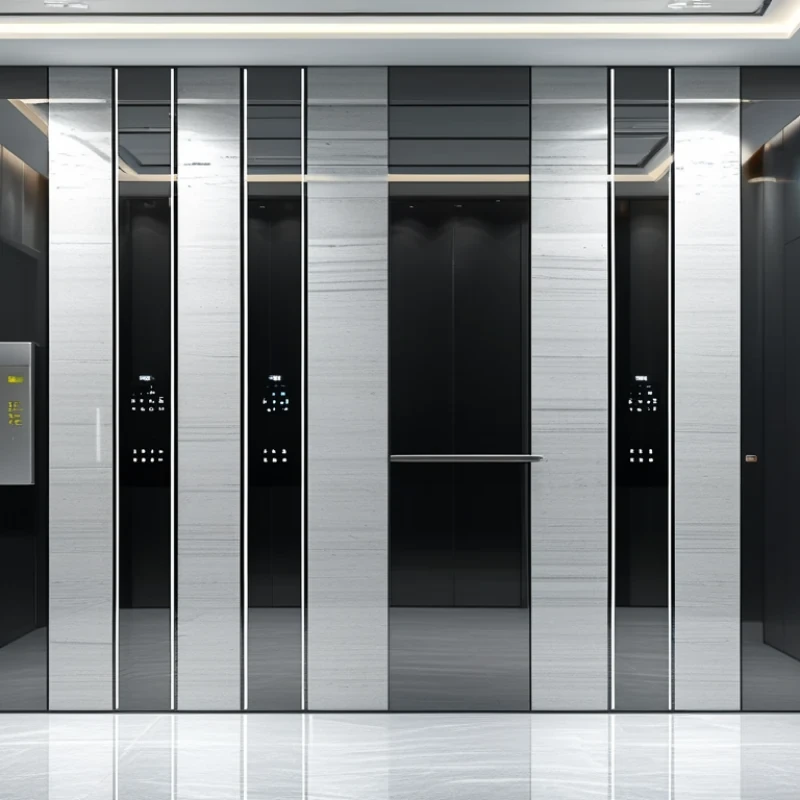
Understanding AI-Powered Elevator Controllers and Their Functions
AI-powered elevator controllers represent a significant advancement in building management technology. These smart systems leverage artificial intelligence to enhance operational efficiency. They analyze real-time data, optimizing traffic flow in busy buildings. This leads to reduced wait times and improved user experience.
Tips: When selecting an AI-powered system, consider scalability. Choose a solution that can adapt to changes in building occupancy. Also, evaluate integration capabilities with existing infrastructure.
These controllers function by learning patterns in user behavior. They can predict peak usage times and adjust operations accordingly. Predictive maintenance is another key feature. It prevents breakdowns by alerting managers before issues arise. Such proactive measures reduce costs and improve reliability.
Tips: Look for controllers with user-friendly interfaces. Training staff should be straightforward to ensure smooth operation. Also, ensure the system complies with safety standards.
Investing in the Best Ai-Powered Elevator Controller can transform how buildings operate. Ultimately, building managers should prioritize systems that deliver personalized experiences while maintaining high performance. The right technology can make a notable difference in user satisfaction.
Enhanced Efficiency: How AI Optimizes Elevator Operations
AI technology is transforming elevator operations. Enhanced efficiency is one major benefit. AI-powered elevator controllers analyze real-time data. They optimize travel routes and reduce wait times. Studies show that AI can lower waiting times by up to 50%. This is crucial in high-rise buildings during peak hours.
Moreover, these systems can predict maintenance needs. A report from the International Association of Elevator Engineers states that predictive maintenance reduces downtime by 30%. This ensures elevators are operational when needed. However, AI solutions may face challenges in understanding complex passenger patterns.
Imperfect algorithms can lead to longer waits for some users. Continuous improvement is necessary to address these issues. The deployment of a Famous Ai-Powered Elevator Controller could mean significant advancements. Balancing efficiency and user experience is key for future developments.
Improved User Experience Through Smart Algorithms in Elevators
Elevators equipped with AI-powered controllers are transforming user experiences. These smart algorithms optimize performance, ensuring efficient and quick access. By analyzing patterns, these elevators can predict traffic and reduce wait times. This means fewer delays and smoother rides for everyone.
Tip: Look for buildings using AI technology. They often enhance efficiency in daily operations. Trust in their ability to adapt to user needs.
User experience is also improved through automation. AI controllers adjust settings based on real-time data. They can learn from user preferences and traffic variations, providing tailored solutions. This adaptability can sometimes lead to unpredictable outcomes, showing both efficiency and occasional errors.
Tip: Maintain awareness of elevator behavior. Awareness can help residents adapt to minor inconsistencies. Embrace the benefits while being ready for unexpected changes.
Overall, AI-driven controllers bring innovation to traditional elevators. Their algorithms make operations seamless and quicker. Users will find their journeys not only more efficient but also enjoyable. The potentials are significant, although small hiccups may arise.
Cost Savings: Long-Term Financial Benefits of AI Elevator Controllers
AI-powered elevator controllers are transforming the way buildings operate. One major benefit is cost savings over time. According to a recent industry report, buildings can reduce their elevator maintenance costs by 20-30% with AI systems. These systems optimize performance and anticipate failures, allowing for predictive maintenance rather than reactive fixes.
Energy efficiency is another financial advantage. AI controllers can adjust elevator operations based on real-time demand. This may lead to a significant reduction in energy consumption—up to 40%, as noted in studies by leading engineering firms. As energy costs rise, this efficiency translates directly into lower utility bills.
However, integrating these systems requires upfront investment and training. Some building owners might hesitate due to perceived complexities. The transition demands careful planning and time to adjust. The initial setup is not a perfect solution; it can lead to operational hiccups. Ultimately, the long-term financial benefits of AI elevator controllers can outweigh the initial challenges, proving invaluable for smart building management.
Real-Time Data Analytics and Predictive Maintenance Capabilities
AI-powered elevator controllersare revolutionizing how buildings manage Lift systems. By utilizingreal-time data analytics, these controllers track performance in the moment. This offers a deeper understanding of how elevators function, enabling better decision-making for maintenance and usage. According to a recent industry report, buildings equipped with AI technology can reduce elevator wait times by up to 30%. This increased efficiency is crucial for enhancing the user experience.
Predictive maintenance is another vital benefit. Instead of waiting for failures, AI systems can analyze trends to foresee potential issues. This proactive approach can lead to a 25% decrease in maintenance costs, as reported by industry analysts. Regular maintenance gives building owners peace of mind, knowing their systems are running optimally. Furthermore, it minimizes disruptions for users, ensuring smoother daily operations.
Tip: Regular checks of data analytics can help identify patterns in elevator usage. This allows for better scheduling of maintenance. Consider varying elevator use times to optimize performance. Investing in a High-Quality Ai-Powered Elevator Controller is essential for maximizing operational efficiency and enhancing user satisfaction.
Safety Enhancements Driven by AI Technology in Elevators
AI technology is reshaping elevator safety protocols significantly. According to a report by the International Association of Elevator Engineers, AI-driven systems can reduce accident rates by up to 30%. This is largely due to real-time monitoring capabilities. These systems analyze data continuously, allowing for instant responses to potential malfunctions. For instance, if a door sensor fails, the AI can immediately halt the elevator, preventing accidents.
Moreover, predictive maintenance is a game changer. AI can forecast potential issues using historical data. This means that maintenance can be scheduled before a failure occurs, minimizing downtime and enhancing passenger safety. A recent study highlighted that companies using AI-powered elevator controllers saw a 25% decrease in emergency repairs. This proactive approach ensures safer travel for users.
Yet, challenges remain. While technology improves response times, there can be over-reliance on automated systems. Human oversight is still crucial to ensure robust safety measures. Data security also poses a risk, as AI systems collect sensitive information. An Ai-Powered Elevator Controller Company must prioritize cybersecurity to protect these critical systems and maintain user trust. Balancing technology with human intervention is essential for elevating safety standards.
Environmental Impact: Sustainability Benefits of AI Elevator Systems
AI-powered elevator controllers bring significant environmental benefits that are often overlooked. These intelligent systems optimize energy consumption, resulting in lower carbon footprints. By adjusting their operations based on real-time demand, these elevators use energy more efficiently. This can lead to reduced electricity costs and a smaller environmental impact.
Furthermore, the integration of AI technology allows elevators to operate with less wear and tear. This means lower maintenance requirements, which contributes to sustainability by reducing waste. However, there’s an important aspect to consider. The manufacturing and installation of these advanced systems can generate initial waste and require resources. Balancing these factors is essential for a truly sustainable solution.
Incorporating AI into elevator systems also supports the use of renewable energy sources. For example, AI can coordinate elevator use during peak sunlight hours, aligning operations with solar energy availability. Yet, the technology is still evolving. There’s a need for ongoing research to fully understand its potential impact on long-term sustainability. Only through constant improvement can the industry achieve optimal environmental benefits.
Top 5 Benefits of AI Powered Elevator Controllers
| Label | Benefits Score (1-10) |
|---|---|
| Energy Efficiency | 9 |
| Reduced Wait Times | 8 |
| Lower Maintenance Costs | 7 |
| Enhanced Safety | 8 |
| Environmental Impact | 10 |
This chart illustrates the top five benefits of AI-powered elevator controllers, rated on a scale from 1 to 10. The data highlights their energy efficiency, reduced wait times, lower maintenance costs, enhanced safety, and significant environmental impact, showcasing the advantages for buyers considering these advanced systems.
FAQS
I elevator controllers?
AI adjusts elevator operations in real-time, potentially reducing energy consumption by up to 40%. Lower energy bills follow.
Initial investment and training can be daunting. Some owners may find the setup complex and time-consuming.
AI systems foresee potential issues, leading to a 25% decrease in maintenance costs and less operational disruption.
Yes, AI can reduce elevator wait times by up to 30%, enhancing convenience and efficiency for users.
AI can reduce accident rates by up to 30% through continuous monitoring and instant responses to malfunctions.
Yes, over-reliance on automation can be risky. Human intervention ensures robust safety measures remain in place.
AI systems collect sensitive data, making it crucial for companies to prioritize cybersecurity to protect user information.
Conclusion
AI-Powered Elevator Controllers are revolutionizing vertical transportation by enhancing operational efficiency and user experience. These advanced systems utilize smart algorithms to optimize elevator operations, ensuring faster response times and minimized wait periods. Additionally, they offer real-time data analytics and predictive maintenance capabilities, allowing for proactive upkeep and reduced downtime.
The financial benefits of implementing AI-Powered Elevator Controllers are significant, as they lead to long-term cost savings through better resource management and maintenance efficiency. Furthermore, these systems prioritize safety enhancements and have a positive environmental impact, contributing to sustainability goals. Overall, the integration of AI technology in elevators not only improves performance but also fosters a more reliable and eco-friendly approach to building management.
Related Posts
-
Global Trade Reshaped by Best Elevator Controls Corp Unmatched Quality in Chinese Manufacturing
-
Unlocking Efficiency: A Comparative Analysis of Ai-Powered Elevator Controllers vs. Traditional Systems
-
What are the Best Solutions from Elevator Controls Corp?
-
How to Choose the Right Elevator Control Panel for Your Needs?
-
What is an Energy Saving Elevator Motor and Its Benefits?
-
Best Elevator Components for Global Buyers Top Quality Options?