In today’s super competitive market, picking the right elevator parts is pretty important for buyers around the world. High-quality components can really boost safety and make things run more smoothly. As cities keep growing and urban life gets busier, the demand for reliable lift parts and accessories just keeps climbing. Brands like Thyssenkrupp, OTIS, and KONE are kinda the big players here—they offer tough, durable elevator equipment. Plus, they have a bunch of lift accessories that meet international standards, which is kinda reassuring.
That said, not everything these giants make is top-notch across the board. It’s super important for buyers to do their homework and dig into reviews and reputations before pulling the trigger. Making sure you get trustworthy spare parts can save you from headaches and costly fixes down the line. And with all the buzz about smart elevator parts—new tech that’s pretty exciting—there are definitely some new challenges, like fitting everything together and keeping it maintained.
Getting a handle on all this stuff isn’t always easy. You kinda need to know what you’re looking for and stay sharp. It’s not just about the initial price tags either—thinking about how reliable the parts will be over time and what kind of support you can count on is huge. When you make smarter choices here, your elevators will be safer, more efficient, and a lot more user-friendly. All in all, the right components really can make a big difference in how well your elevator system performs and how successful your project turns out.
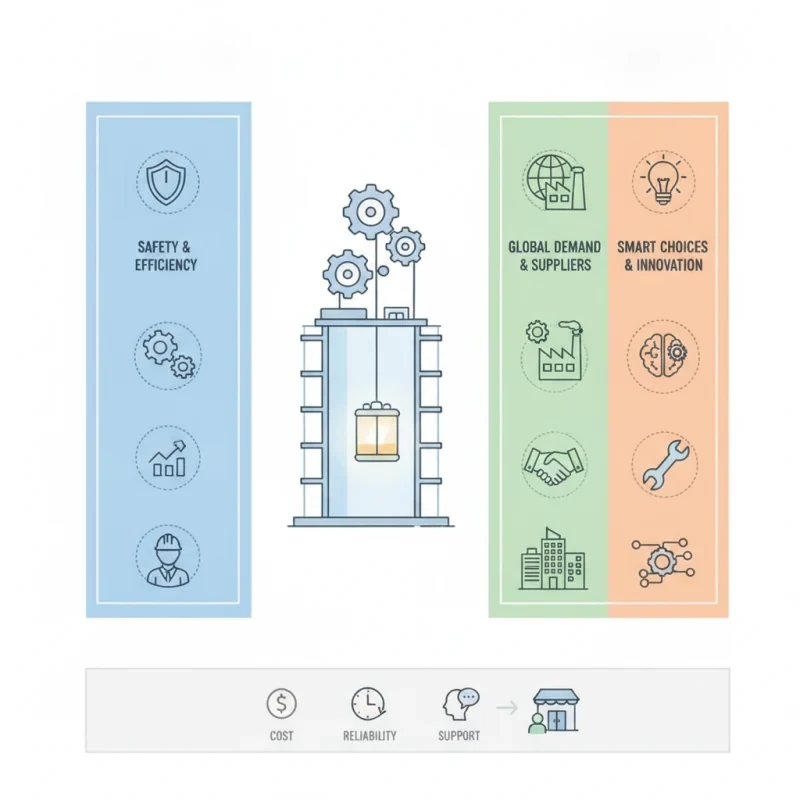
Best Elevator Components Overview for Global Buyers
When exploring the best elevator components for global buyers, it’s crucial to consider various aspects. Quality matters greatly in ensuring safety and reliability. High-performance components can enhance the efficiency of elevators in numerous environments. Buyers should examine the materials and design of each component carefully. Steel cables, control panels, and safety systems are key areas where durability and performance need attention.
Finding the right parts can be challenging. The market offers a wide range of options, but not all meet stringent safety standards. It is essential to evaluate suppliers based on their track record and customer reviews. Buyers should look for manufacturers that have a strong commitment to quality assurance. Investing time in research can save costs in the long run.
Communication with suppliers is also vital. Discussing specific project needs can lead to better recommendations. Sometimes, the best components aren't the most expensive but offer the right balance of quality and affordability. Consider reaching out to industry experts for insights. Their perspectives can guide buyers toward making informed choices. It’s a complex journey, but the right components can make all the difference in operational efficiency.
Key Factors to Consider When Selecting Elevator Components
When selecting Elevator Components, safety and reliability are vital factors. Buyers should ensure that the components meet international safety standards. This commitment to quality prevents accidents and builds trust with users. Inspect the materials used in these components. High-quality steel and reinforced parts contribute to durability over time.
Another key consideration is compatibility. Ensure that Elevator Components fit well with existing systems. A poor fit can lead to inefficiencies and increased maintenance costs. It might be tempting to choose cheaper options, but this can result in long-term hassles.
Service and support from suppliers matter. A responsive supplier offers better assistance during emergencies. Their expertise can help identify the right components tailored to specific needs. Look for reviews and testimonials. However, be mindful that a positive review doesn't always guarantee performance.
Many factors play into the effectiveness of Elevator Components. Making informed decisions enhances overall satisfaction and safety.
Top Quality Elevator Component Manufacturers Worldwide
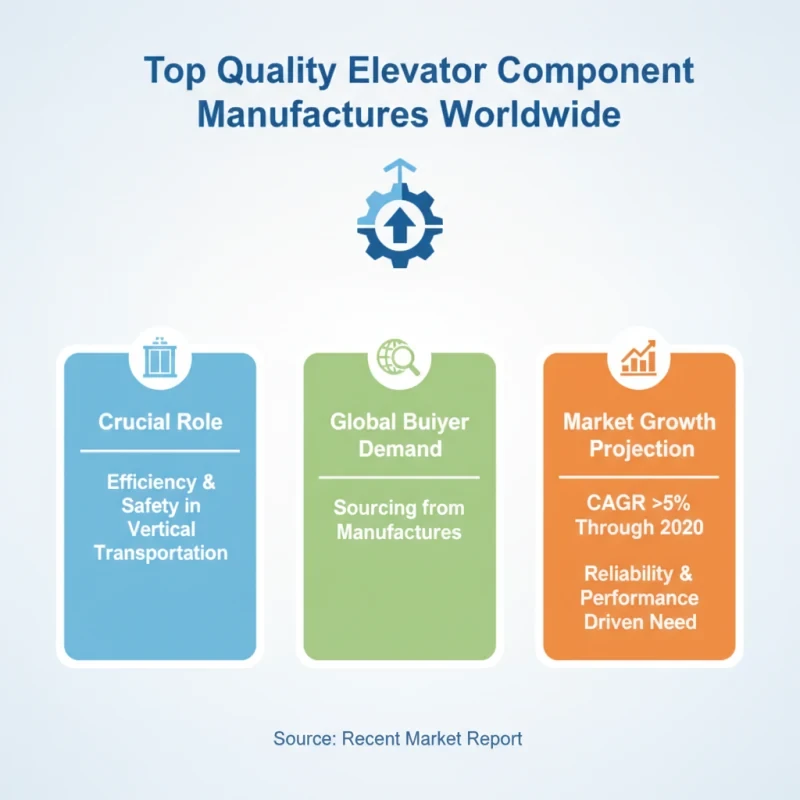
Elevator components play a crucial role in ensuring efficiency and safety in vertical transportation. Numerous studies indicate that buy-in from global buyers hinges on sourcing from reputable manufacturers. A recent market report highlights that the demand for high-quality elevator components is projected to grow at a compound annual growth rate (CAGR) of over 5% through 2030. This trend reflects a need for reliability and performance in the industry.
Among various components, Bucket Elevator Components are essential for systems that handle bulk materials. These components must meet strict quality standards to function effectively. Notably, the efficiency of an elevator system relies heavily on the precision of these parts. Data reveals that subpar components can lead to increased maintenance costs and operational inefficiencies. Unexpected failures can disrupt service, leading to safety concerns.
Choosing the right suppliers is vital. Some manufacturers emphasize the importance of rigorous testing and adherence to international standards. However, the challenge remains in assessing the reliability of new entrants in the market. Ultimately, global buyers face the task of balancing cost against quality, seeking suppliers who are transparent about their production processes and performance metrics. This decision is not easy, and ongoing evaluation is essential.
Popular Types of Elevator Components and Their Uses
When selecting elevator components, it's essential to understand their functions. Different types serve various needs in elevator systems.
For example, the elevator controller is the brain of the system. It manages the operation of the elevator, ensuring smooth rides and safety. Safety devices such as buffers and limit switches protect passengers. Without these, the risk of accidents increases.
Tips: Always prioritize quality and reliability when choosing components. A reliable supplier can provide testing standards and certifications that ensure safety. Additionally, install components that are compatible with your elevator design. This avoids future issues and costly repairs.
Another vital component is the hoisting equipment. This includes pulleys and cables. They lift the elevator car and must withstand heavy loads. Neglecting regular maintenance on these parts can lead to failures. Keeping track of wear and tear is crucial for safety.
Tips: Regular inspections can catch potential issues early. Train staff to recognize signs of wear. Both proactive and reactive measures enhance safety and performance. Investing in training creates a culture of safety.
Innovative Technologies in Elevator Component Design
Innovative designs in elevator components are reshaping vertical transportation. Modern technologies are enhancing efficiency and safety, creating a different experience for users. Smart sensors now monitor elevator performance. These sensors can detect unusual activity and alert maintenance teams in real time. This proactive approach minimizes downtime and potential hazards.
New materials are also playing a crucial role. Lightweight composites reduce energy consumption while maintaining strength. However, finding the right balance between durability and weight remains a challenge. Some materials may not withstand high-stress environments. Designers are constantly experimenting with different combinations to ensure reliability.
Another area gaining traction is regenerative drives. These systems capture energy when elevators descend. They can then redirect this energy back into the building's power grid. While promising, not all buildings are equipped for such integration. Future advancements must address installation complexities. Innovative component design isn’t just about aesthetics; it’s about functional evolution.
Best Elevator Components for Global Buyers Top Quality Options
| Component Type | Material | Innovation | Durability (Years) | Energy Efficiency |
|---|---|---|---|---|
| Elevator Control Systems | Aluminum | Smart technology integration | 15 | High efficiency |
| Hoisting Machinery | Steel | Load-sensing technology | 20 | Moderate |
| Safety Gear | Cast Iron | Advanced braking mechanism | 25 | High |
| Elevator Cabins | Stainless Steel | Eco-friendly finishes | 15 | Excellent |
| Door Operating System | Plastic Composite | Sensor-based automation | 18 | High |
Quality Assurance Standards for Elevator Components
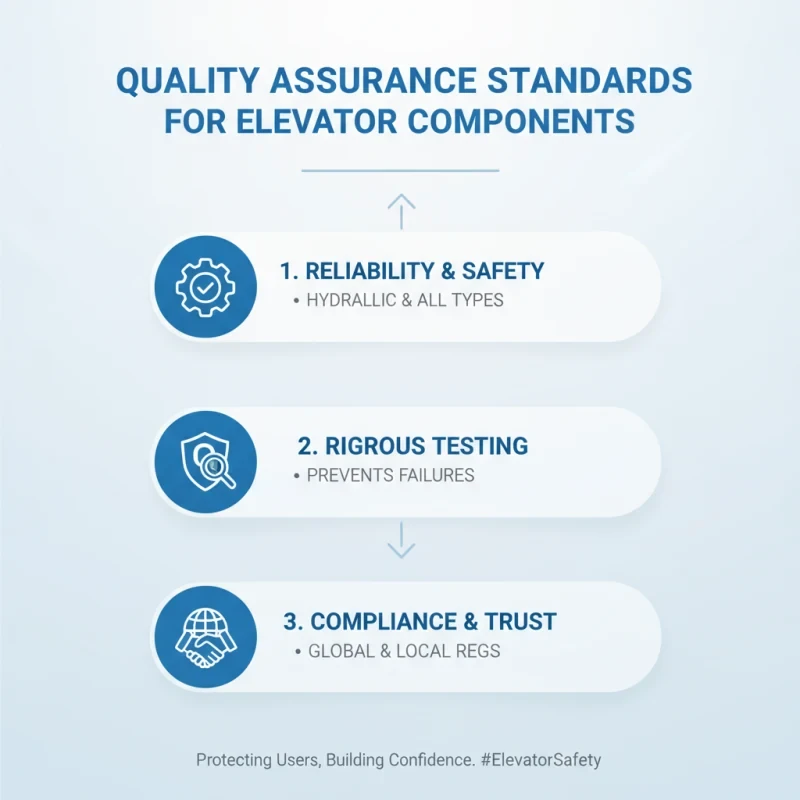
When selecting elevator components, quality assurance is vital. Standards ensure reliability and safety in Hydraulic Elevator Components. Each component must meet rigorous testing protocols. This helps prevent failures that can lead to accidents. Companies should adhere to international safety regulations and local guidelines. Compliance not only fosters trust but also protects users.
Education on these standards is essential. Buyers need to understand the differences in quality. Not all components are created equal. Some may look attractive but lack durability. It's crucial to verify certifications and reliability claims. Engaging with industry experts provides insights into reliable sources. Genuine expertise can steer buyers away from low-quality options.
Investing in quality components pays off in the long run. However, it's essential to acknowledge that even top-tier products may have flaws. Regular maintenance and inspections are necessary. No system is perfect. Being proactive can mitigate potential issues and enhance safety. Continuous improvement in quality standards will benefit the entire industry.
Sustainability Trends in Elevator Component Manufacturing
Sustainability trends are reshaping the elevator component manufacturing industry. Many companies are focusing on reducing energy consumption and enhancing recyclability. For instance, manufacturers are investing in materials that have a lower environmental impact. This shift is crucial as the global demand for eco-friendly solutions grows.
Elevator Door Components play a significant role in this movement. Modern designs emphasize lighter materials, which not only reduce energy use during transportation but also improve overall efficiency. Additionally, some designs facilitate easier disassembly, promoting recycling at the end of their life cycle.
However, challenges remain. Cost often dictates the choice of materials, which can hinder innovation. Companies must balance sustainability with affordability. This tension raises important questions about long-term investments in green technologies. The elevator industry must continuously reflect on how to harmonize quality, sustainability, and cost.
Sustainability Trends in Elevator Component Manufacturing
| Label | Sustainability Metrics |
|---|---|
| Recycled Materials (%) | 45 |
| Energy Efficiency (%) | 60 |
| Sustainable Sourcing (%) | 55 |
| Waste Reduction (%) | 50 |
Elevator Energy Efficiency: An In-Depth Analysis of KONE's KDL32 Inverter Performance Data in Modern Vertical Transportation
Elevator systems play a crucial role in modern vertical transportation, and energy efficiency has become a significant focus for manufacturers and building operators alike. The KDL32 inverter is designed to meet the demands of contemporary elevators while ensuring optimal performance and energy savings. With advanced technology and a commitment to sustainability, the KDL32 model provides seamless operation that reduces energy consumption and enhances user experience.
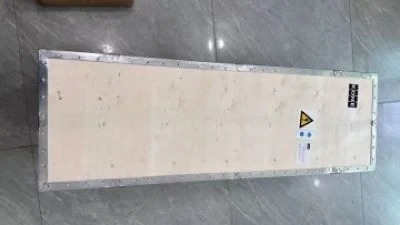
This inverter model, identified as KM921317G01, stands out in the crowded market due to its innovative design and robust functionality. Encased in original wooden box packaging, it ensures that each unit remains protected and free from damage during transit. By integrating the KDL32 inverter into elevator systems, operators can not only reduce operational costs but also contribute to environmental conservation efforts through improved energy efficiency.
The precision of the KDL32 inverter contributes to smoother rides and quicker response times, ultimately elevating the standard in vertical transportation solutions. As the industry shifts towards greener technology, products like the KDL32 exemplify how advancements in energy-efficient systems can redefine our approach to elevator operation and building management.
FAQS
: Buyers should prioritize quality, safety, and reliability to ensure efficient operations.
They can assess suppliers based on their track record, customer reviews, and commitment to quality assurance.
Clear communication about project needs can lead to better recommendations and choices in components.
Advanced technologies enhance efficiency, safety, and user experience in modern elevators.
Finding a balance between strength and weight is crucial for performance and durability.
They capture energy during descent, redirecting it back to the building's power grid, promoting sustainability.
Ensuring components meet rigorous testing helps prevent failures and enhances user safety.
Buyers should verify certifications and consult experts for insights on durable options.
No product is flawless; regular maintenance is essential to address potential issues.
Innovation will focus on functionality and sustainability while addressing installation complexities.
Conclusion
This article explores the essential aspects of selecting the best elevator components for global buyers, emphasizing the importance of quality and reliability. It begins with an overview of various elevator components, highlighting key factors that influence the selection process, such as safety, functionality, and compatibility. The piece outlines reputable manufacturers worldwide, underscores popular types of elevator components and their specific applications, and discusses innovative technologies that enhance their design and efficiency.
Furthermore, the article addresses quality assurance standards that ensure the performance and safety of elevator components, while also touching upon sustainability trends in manufacturing practices. By understanding these elements, global buyers can make informed decisions that balance quality, innovation, and environmental responsibility in their elevator components procurement.
Related Posts
-
How the Best Elevator Components Enhance Safety and Efficiency in High-Rise Building Applications
-
Exploring Unique Examples of Innovative Elevator Components and Their Impact
-
7 Amazing Facts About Elevator Components You Didnt Know
-
Understanding the Essential Role of Elevator Components in Modern Building Infrastructure
-
Leading Elevator Component Manufacturers from China at the 137th Canton Fair
-
Navigating the 2025 Trends in Elevator Accessories with Essential How To Insights