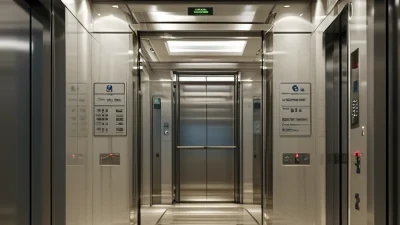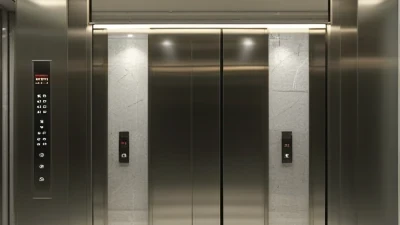
elevators are pretty much a staple in modern buildings, right? They make getting from one floor to another super seamless and honestly, they just make life easier. But, what often goes unnoticed is the complex system of elevator components working behind the scenes to keep everything running smoothly. At Zhuhai Link Industrial Co., Ltd., we’ve been around since June 2017, specializing in selling, installing, and maintaining elevators. We’re proud to say we handle over 200 units every year—that's a lot of lifts! In this blog, we’re excited to share with you 7 cool facts about elevator parts that you probably never knew. Getting to know these components not only makes you appreciate elevators more but also gives you a little peek into the incredible engineering that keeps these systems safe and efficient. So, join us as we dive into the fascinating world of elevator technology and the key parts that make it all happen!
The Ingenious Role of Elevators in Skyscrapers
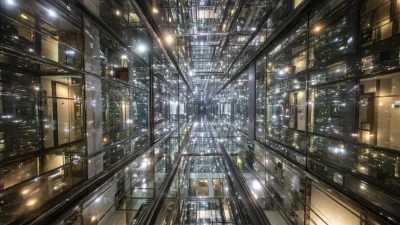
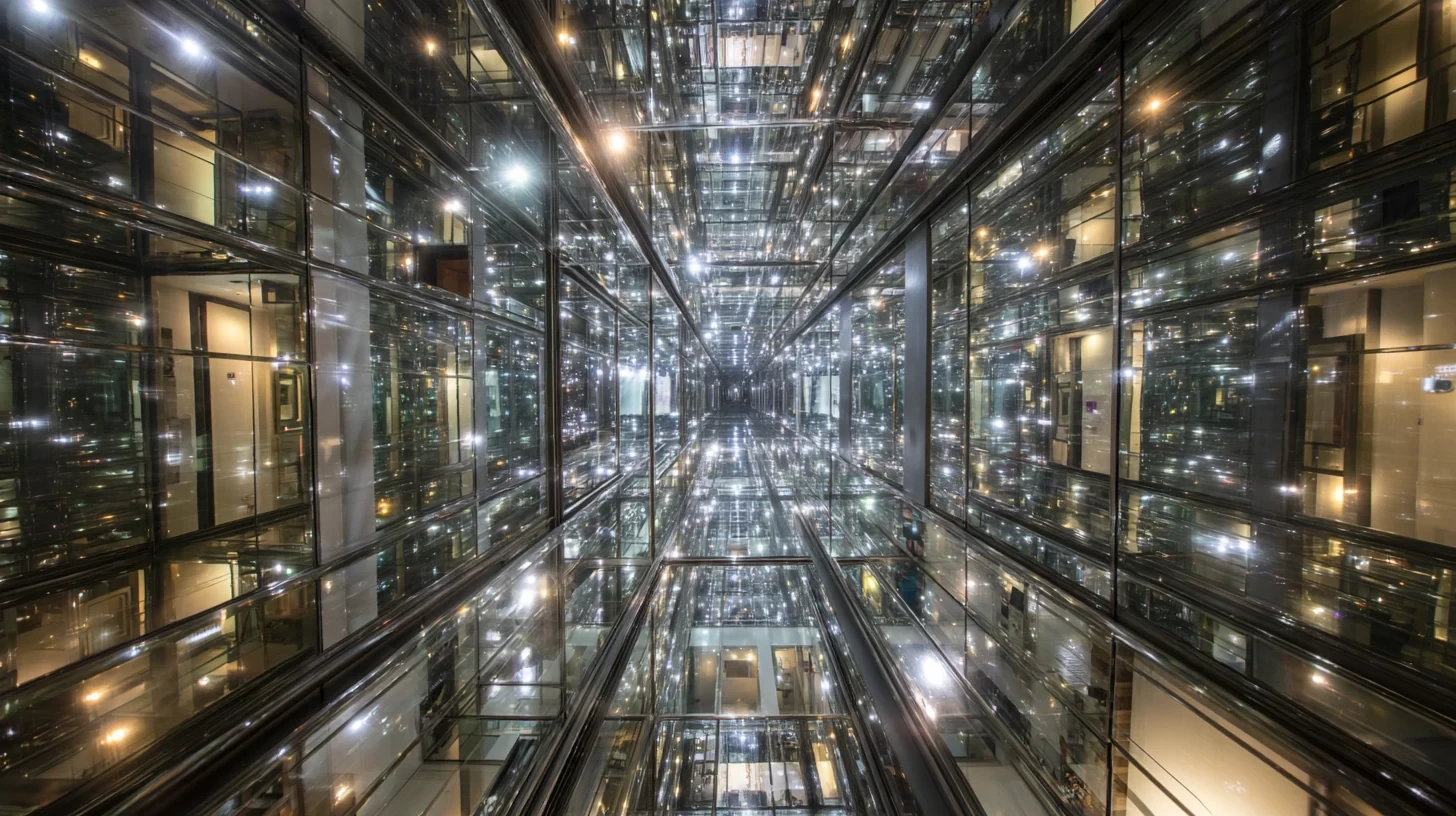
Elevators really changed the way city skylines look, turning more than just a functional tool—they also boost the visual charm of skyscrapers. One of the coolest trends lately is the glass elevator, which gives you amazing, almost scenic views as it zips you up and down. It’s like riding through a story, making the ride itself pretty unforgettable. Plus, it’s such a smart way to let folks enjoy the building’s architecture while they’re on the move—kind of blending that practical side with a bit of wow factor.
But elevators aren’t just limited to tall buildings anymore. There are some pretty fun and creative ideas popping up. Take the “Santa elevator” at a shopping mall in New England, for example—which is actually a super cute way to turn a regular elevator into a holiday experience, taking kids on a magical trip straight to the North Pole (well, almost!). And then there are some innovative home setups, like a container house with an elevator bed—talk about space-saving! These examples just go to show that elevators are more than just elevators—they’re a playground for ideas, always pushing the boundaries of design and convenience in cool, new ways.
Unveiling the Secrets of Elevator Safety Mechanisms
Modern elevators are pretty incredible feats of engineering. They come packed with all these smart safety features that make sure passengers get from one floor to another safely. One of the most important parts is the elevator’s brake system. It kicks in automatically if the power suddenly goes out or if something mechanical acts up. Basically, it stops the elevator from free-falling by using a mix of friction and gravity – kind of like an emergency fail-safe. Plus, a lot of elevators have backup cables. So, if one cable were to fail, the others can still hold the elevator, giving everyone a bit more peace of mind.
Then there are the door locking systems. These are designed to keep the doors shut while the elevator is moving, which is pretty standard. But they also have sensors that can spot if something (or someone) is blocking the door. If that happens, the system will close the doors again automatically so no one gets stuck. Modern elevators also have advanced control systems that keep an eye on how they’re performing and can even detect issues early on. All these safety features work together seamlessly, making sure every ride feels secure and reliable for everyone onboard.
7 Amazing Facts About Elevator Components
| Elevator Components | Average Failure Rate (%) |
|---|---|
| Safety Brakes | 0.5 |
| Control Systems | 2 |
| Cables | 1.2 |
| Dampers | 0.8 |
| Elevator Cab | 0.3 |
| Pulleys | 1.5 |
| Sensors | 0.6 |
This chart displays the average failure rates of various elevator components. Understanding these failure rates helps in ensuring effective safety measurements and improving overall elevator reliability.
How Smart Technology is Transforming Elevator Efficiency
You know, with all these smart tech innovations, the elevator game has really changed quite a bit. Gone are the days when elevators were just about getting you from one floor to another. Now, they're packed with nifty features like predictive maintenance, real-time data tracking, and smart traffic flow management. These upgrades not only make them run smoother and faster—meaning you spend less time waiting—but also help cut down on energy use, which, let’s be honest, is super important these days with everyone trying to be more eco-friendly.
One of the coolest things? IoT devices. Elevators today come with sensors that keep tabs on how they're doing and even talk to building management systems. It’s like they’ve got a mind of their own! This setup lets folks handle any tiny issues before they turn into expensive repairs. Plus, during busy hours, smart algorithms analyze how people are moving around and adjust things on the fly. So, you get quick rides and lower energy bills at the same time. Honestly, as this smart tech keeps evolving, I think elevators are only going to get better—really becoming an essential part of modern buildings, you know?
The Evolution of Elevator Design Through the Ages
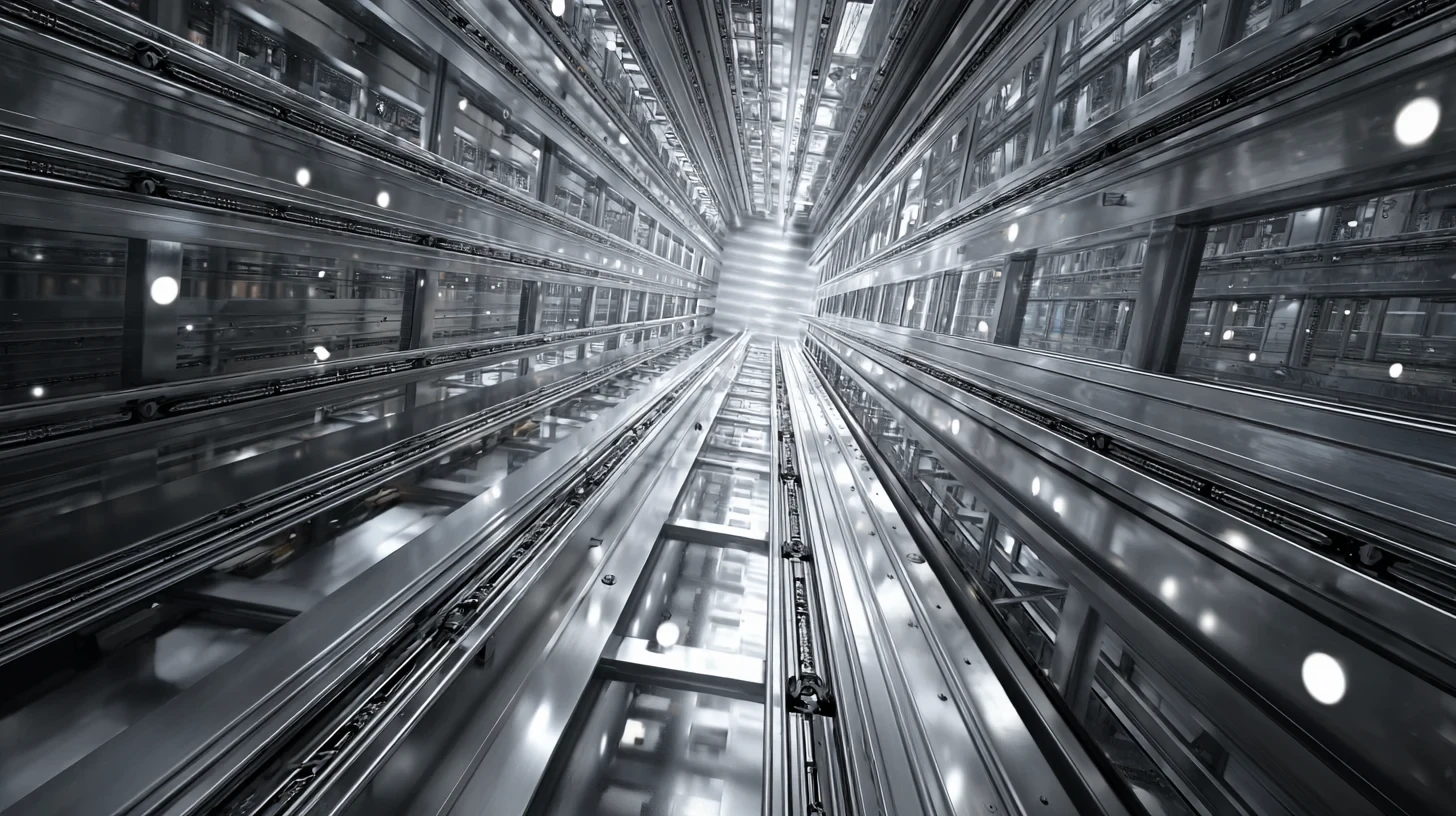
Elevators have really come a long way since way back in the day. I mean, they used to be pretty much just simple hoisting devices, powered by folks or animals pulling ropes and using pulleys to lift things up. Can you imagine? It wasn’t until the Industrial Revolution hit that steam power came into play, and suddenly, elevators got a serious upgrade—bigger, stronger, and capable of handling multi-story buildings. Fast forward to today, and elevators are now packed with all the crazy tech we have—like computer control systems and energy-efficient motors—making them safer, more reliable, and way more convenient than ever before.
If you’re thinking about installing elevators in a building, a couple of things worth considering are the traffic flow and how much people will actually be using them daily. For tall buildings, you might even want to go for double-decker or sky-rise elevators to keep things running smoothly.
Another thing worth mentioning is how much elevator tech has shifted towards being eco-friendly. Modern stuff like regenerative drives and machine-room-less designs not only cut down on energy use but also save space—huge plus in crowded urban areas. As our cities get busier, the demand for smarter, greener elevator options keeps growing.
A quick tip—regular maintenance isn’t just about keeping everything safe; it also helps the elevators last longer and supports overall sustainability efforts in building management. Trust me, a little upkeep goes a long way!
Understanding the Critical Components of Modern Elevators
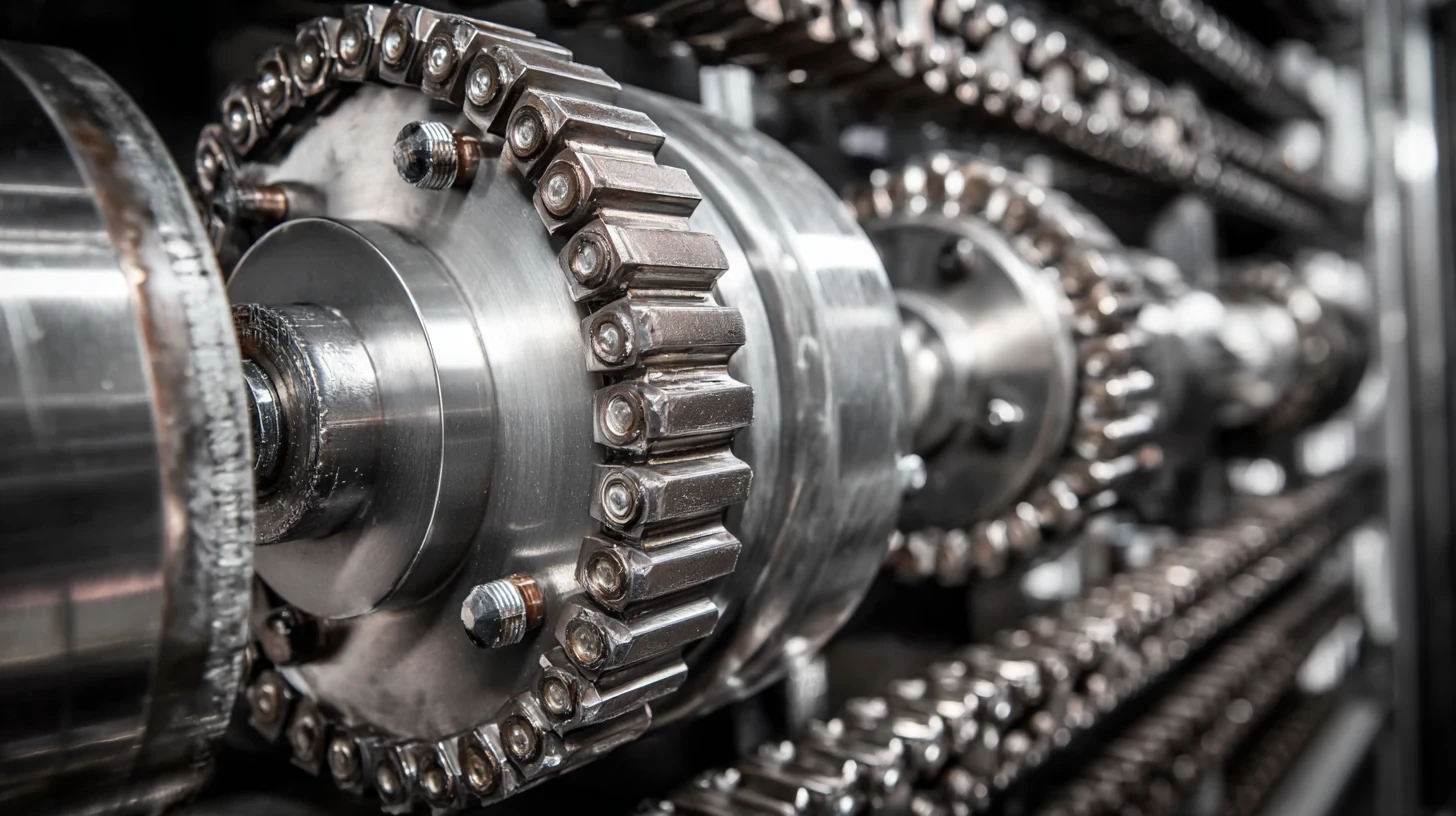
Elevators aren’t just some cool engineering feats—they’re pretty intricate machines with key parts that keep us safe, moving smoothly, and making life a whole lot easier. Get what’s under the hood, and you’ll see how these modern lifts run so effortlessly. For example, the hydraulic systems are super important for controlling movements in low-rise buildings, while traction systems usually take care of the taller ones. Together, these systems make your ride feel seamless and hassle-free.
When you think about maintaining elevators, it’s really about paying attention to the bits that could cause problems if they fail. Regularly inspecting things like the hoisting ropes and making sure the brakes are working properly can really cut down on accidents or breakdowns. And don’t forget about the doors—keeping them in tip-top shape ensures they open and close smoothly, which is a big part of passenger safety.
Oh, and here’s something that sometimes gets overlooked: the controller. That’s the brain of the elevator, regulating everything behind the scenes. Upgrading to a newer, microprocessor-based controller can make responses faster and save energy. Plus, scheduling routine check-ups and sticking to good maintenance routines for everything—from the car frame to safety devices—can keep the elevator in top shape for longer. Taking this proactive route not only keeps things running smoothly but also boosts the elevator’s lifespan. Trust me, it’s worth the effort!
7 Amazing Facts About Elevator Components You Didn't Know
| Component | Fact |
|---|---|
| Hoisting System | Modern elevators use a combination of cables and pulleys, with some using hydraulic systems for smoother operation. |
| Control Systems | Advanced microprocessor-based controls optimize travel time and manage dispatching of multiple elevators efficiently. |
| Safety Brakes | Elevators are equipped with safety brakes that can automatically engage in case of excessive speed or cable failure. |
| Cabin Design | Elevator cabins can be customized with various materials and lighting to enhance aesthetics and passenger experience. |
| Door Mechanisms | Modern door mechanisms, such as sliding and folding doors, improve safety and reduce waiting times for passengers. |
| Energy Efficiency | Many elevators now utilize regenerative drives to convert excess energy generated during descent back into usable power. |
| Maintenance Technology | IoT technology is being integrated into elevators to monitor performance and predict maintenance needs proactively. |
Behind the Scenes: The Engineering Marvel of Elevator Systems
Elevator systems are pretty amazing feats of engineering that often go unnoticed, but they work behind the scenes to keep our buildings moving smoothly. These systems are way more complicated than most people realize, with all sorts of parts that play a role in keeping things safe, efficient, and even pushing the boundaries of innovation. Think about automated grain elevators that handle deliveries without anyone needing to be there, or the super advanced lift systems being tested out in North America — it’s pretty impressive to see how much this tech has evolved.
In particular, the new automated elevators are a real game changer. For example, some of these systems are now designed to run after hours, which is a huge boost for industries like agriculture who need around-the-clock operations. It also shows how buildings are becoming smarter and more responsive. Honestly, it’s exciting to imagine what’s next — urban cities are gonna look totally different as we keep pushing for more efficient and sustainable solutions. Every tall building relies on this incredible network of elevator components working together—supporting us every day, getting us from floor to floor without a hitch.
Maximizing Elevator Efficiency: Insights from the Latest Industry Reports on ADA26800VA1, ADA26800VB2, and OVF30 Inverter Technology
Maximizing elevator efficiency is a crucial aspect of modern building management, and recent industry reports shed light on innovative technologies that can significantly enhance system performance. The ADA26800VA1 and ADA26800VB2 models are leading examples of advanced elevator controls designed to streamline operations while adhering to safety standards. These systems integrate seamlessly with OVF30 inverter technology, allowing for precise control of motor functions and dynamic adjustment to passenger traffic patterns.
The synergy between the ADA26800 series and OVF30 inverter technology not only improves energy efficiency but also reduces wear and tear on elevator components. This not only translates to lower maintenance costs but also extends the lifespan of the system. The incorporation of smart algorithms enables these devices to learn usage patterns and optimize energy consumption, resulting in considerable operational savings for building owners.
In an era where sustainability is paramount, choosing elevators equipped with these technologies is a proactive step towards achieving energy efficiency goals. The integration of ADA26800VA1, ADA26800VB2, and OVF30 offers a promising solution for those seeking to enhance elevator performance while minimizing their ecological footprint. With ongoing advancements, the future of elevator systems looks increasingly efficient and environmentally friendly.
FAQS
: The primary systems in modern elevators are hydraulic systems, typically used in low-rise buildings, and traction systems that are used for taller structures.
Regular maintenance, such as checking hoisting ropes, ensuring the brake system functions properly, and keeping doors in good condition, can significantly reduce the risk of accidents and enhance safety.
The elevator controller regulates the elevator's operations, and upgrading to a modern microprocessor-based controller can improve response times and energy efficiency.
Routine inspections are essential to ensure that all components, from the car frame to safety devices, are in optimal condition, which helps the elevator run smoothly and prolongs its lifespan.
Automated elevators are advanced systems designed for operations without human oversight. They enhance productivity, especially in sectors like agriculture, and represent a trend towards smarter building designs.
Innovations in elevator technology contribute to efficiency and sustainability in urban environments, potentially transforming how buildings operate and enhancing the overall functionality of urban landscapes.
Conclusion
When you think about skyscrapers, elevators are basically the lifesaver, getting people up and down seamlessly. And trust me, these systems are more than just fancy lifts; they’re packed with essential components that make sure everything runs safe, smooth, and even a bit stylish. From the complicated mechanisms that stop free falls to the clever tech that helps keep things running efficiently, taking a closer look at each part really shows the engineering wizardry behind modern elevators.
Like we mentioned in our blog '7 Amazing Facts About Elevator Components You Didn’t Know,' the way elevators have evolved over the years really reflects how much technology and safety standards have improved. Companies like Zhuhai Link Industrial Co., Ltd. play a huge role here—they’re experts in selling, installing, and taking care of elevators so they keep working perfectly. With more than 200 units sold each year, their experience just goes to show how important it is to have reliable, high-quality elevator systems that you can count on.
Related Posts
-
How the Best Elevator Components Enhance Safety and Efficiency in High-Rise Building Applications
-
Exploring Unique Examples of Innovative Elevator Components and Their Impact
-
7 Essential Elevator Parts Every Global Buyer Must Know
-
Leading Elevator Component Manufacturers from China at the 137th Canton Fair
-
Navigating the 2025 Trends in Elevator Accessories with Essential How To Insights
-
7 Essential Tips for Choosing the Best Elevator Repair Service Worldwide