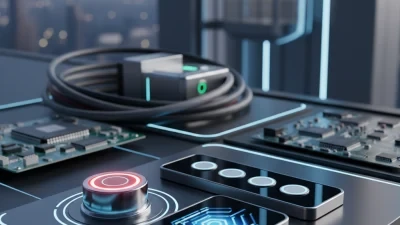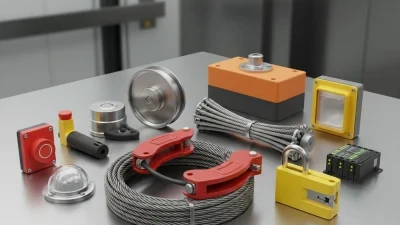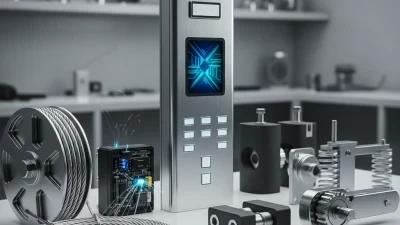
As we look ahead to 2025, it’s pretty clear that the elevator industry is about to undergo some exciting changes, especially when it comes to Elevator Accessories. These little (or not-so-little) components are super important for making elevators both safer and more functional. A recent market report suggests that the global elevator accessories market is expected to grow at around 5.7% annually, thanks to more people moving to cities and the boom in high-rise buildings. Here at Zhuhai Link Industrial Co., Ltd., which we kicked off back in June 2017, we’re all about embracing this change. We focus on selling, installing, and maintaining elevators and, believe it or not, we’ve already sold over 200 units in a year! Our experience gives us a unique view of the key trends that are shaping the future of elevator accessories. If you want to keep up and stay competitive in this fast-paced market, understanding these trends is absolutely crucial.
Understanding the Importance of Import and Export Certifications in Elevator Accessories
You know, as the elevator accessories market keeps changing, it’s becoming super important for manufacturers and distributors to really get a grip on import and export certifications. I mean, take this recent report from Research and Markets, which predicts that the global elevator accessories market is set to grow by about 4.5% a year from 2023 to 2028. That just shows how crucial it is to comply with all those strict regulations popping up in different regions. Certifications like ISO 9001 and CE marking are more than just fancy stamps; they actually help ensure that products are up to snuff in terms of quality and safety. Plus, they really boost consumer trust and make international trade a whole lot smoother.
In this fast-paced industry where innovation is key to staying competitive, meeting those certification requirements can seriously affect how companies access the market. For instance, in the U.S., the standards are pretty tough, demanding all the right paperwork for elevator parts, especially from overseas suppliers. A study from the International Trade Administration found that if you don’t fully understand the certification process, you could face delays of up to 25% in getting your products delivered. So, if companies want to seize the opportunity of the rising demand for high-tech elevator solutions, getting those necessary certifications isn’t just a good idea—it’s essential for effectively navigating the tricky waters of global trade.
Digital Transformation: Key Technologies Shaping the Elevator Industry in 2025
You know, the elevator industry is really on the brink of some big changes by 2025! It's all thanks to these exciting technologies that are making elevators more accessible, efficient, and safe. According to a recent report from ResearchAndMarkets, they predict that the global elevator market will hit around $122 billion in a few years. Can you believe it? Digital transformation is really shaking things up in this field. We’ve got cool stuff like IoT (Internet of Things) and AI (Artificial Intelligence) being woven into elevator systems. These additions help with everything from predictive maintenance to cutting down on downtime and making the overall user experience so much better. It’s a win-win for manufacturers and property owners since all this tech can lead to serious cost savings too.
What’s even cooler is the rise of smart buildings, which is shaping how elevators are designed and function. A study by McKinsey shows that smart technologies can boost energy efficiency in buildings by 30 to 40%. Since elevators are basically the lifeline of these smart buildings, having connected systems means we can monitor performance in real-time and adjust to what’s needed on the fly. And let’s not forget about mobile apps—now folks can call and control elevators right from their phones! It’s all about meeting that growing demand for convenience and making things more user-friendly. Seriously, as these technologies keep evolving, the elevator industry is gearing up for a major step forward!
Top Elevator Accessory Trends: What to Watch for in the Coming Years
As we get closer to 2025, the elevator accessory market is really gearing up for some big changes. One trend that's impossible to ignore is the increasing push for smart tech. Elevators are starting to link up with the Internet of Things (IoT), which means we can collect data like never before, predict maintenance needs, and really improve user experiences. It's not just about having cool features anymore; things like touchless controls and personalized interfaces are becoming must-haves for ensuring safety and keeping things running smoothly in our busy cities.
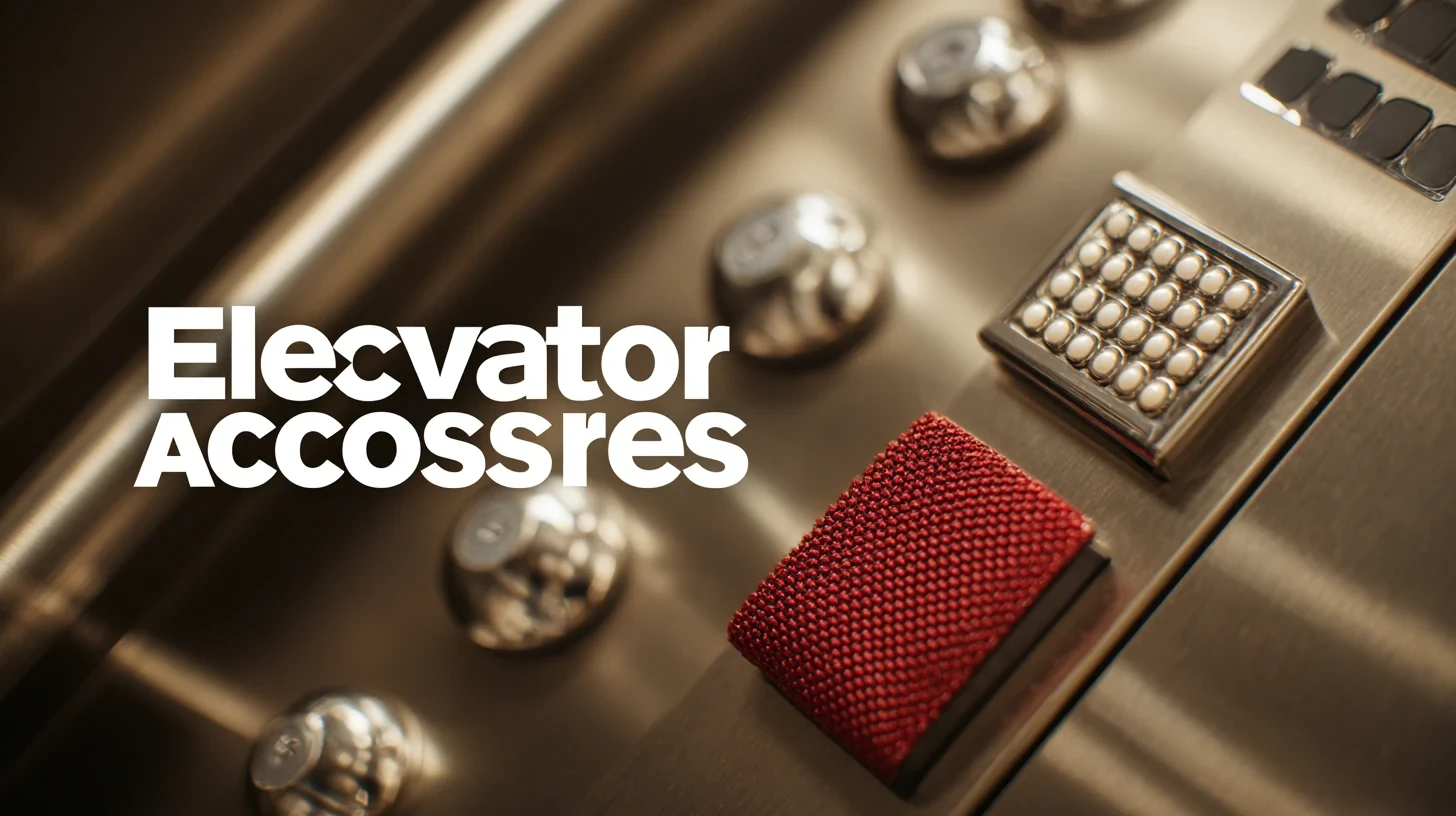
And let’s not forget about sustainability! With stricter building regulations and a growing awareness of our impact on the planet, elevator accessories are getting a real makeover. They're being designed to cut down on energy use and reduce waste, which is super important these days. Innovations like energy-efficient lighting and eco-friendly materials are definitely on the rise. Not only is this good news for Mother Earth, but it’s also a win for building owners looking to save some cash and boost their green credentials. So, if you're involved in the industry, keeping tabs on these trends is going to be key to staying relevant as the elevator accessory landscape continues to evolve.
Navigating Regulations: Compliance Procedures for Elevator Accessory Manufacturers
You know, the elevator industry is really going through some changes these days, and it’s super important for those of us in the elevator accessory manufacturing game to stay updated on compliance regulations. Here at Zhuhai Link Industrial Co., Ltd., which we kicked off back in June 2017, we totally get that keeping up with this fast-paced environment is key. Whether you’re making elevator accessories or using them, being in the know about the latest compliance procedures is not just about safety—it's also about building trust with your customers. For sure!
When you're trying to navigate the maze of regulations, it's essential to keep your finger on the pulse of local, national, and even international standards that impact elevator accessories. Make sure your products are tested and certified under the current safety guidelines—it's just smart business. A regular training session for your team on these compliance procedures can really make a difference in how well your operations run.
Oh, and don’t forget about connecting with industry associations! They can give you some great insights on what regulatory changes might be coming down the pike. Joining forums or hitting up workshops is a great way to share knowledge with your peers. This kind of teamwork can lead to some cool, innovative solutions that check all the compliance boxes while also boosting product functionality. By following these tips, manufacturers can navigate the tricky world of regulations much better and keep that competitive edge in the elevator accessory market.
Enhancing Performance: The Role of Digital Solutions in Elevator Accessory Efficiency
You know, when it comes to the elevator accessories industry, things are really moving fast, and digital solutions are leading the charge towards making everything run smoother. A recent report from the International Elevator and Escalator Industry forecasts that the global market for digital elevator tech is set to zoom up by 25% by 2025! This spike in interest really underscores just how important digitalization is for keeping maintenance operations sharp, slashing downtime, and making the whole experience better for users. By incorporating IoT-enabled gadgets and cloud-based management systems, manufacturers can keep tabs on things in real-time and even predict when maintenance is needed. That’s a game-changer for service reliability.
Quick tip: Think about setting up a remote monitoring system for your elevator accessories! It can really help you catch maintenance issues before they become big headaches, which means fewer unexpected breakdowns and a smoother operation overall.
On top of that, getting into smart tech and data analytics can really sharpen your decision-making. There was this study by the National Elevator Industry Inc. that found elevators with digital solutions can boost energy efficiency by up to 30%! Not only does this help cut down on costs, but it also aligns nicely with global sustainability efforts. That’s definitely something that appeals to eco-conscious customers.
Another tip: Make sure to keep an eye on the performance data from your digital setups to spot trends and areas that could use a little improvement. That way, you can really optimize how your elevator systems are working!
Maximizing Elevator Efficiency: Insights from the Latest Industry Reports on Shoe Lining B22 and Its Impact on Lift Performance
Maximizing Elevator Efficiency: Insights from the Latest Industry Reports on Shoe Lining B22 and Its Impact on Lift Performance
In the world of vertical transportation, optimizing elevator performance is paramount for ensuring safety and reliability. Recent industry reports have shed light on the significance of shoe lining materials, particularly the B22 grade, in enhancing lift efficiency. B22 shoe lining offers superior durability and low friction properties, enabling smoother interactions between the elevator's components. This innovation not only contributes to reduced wear and tear but also improves the overall operational efficiency of elevators.
Furthermore, the impact of shoe lining B22 extends beyond equipment longevity. By providing a smoother ride, this advanced lining reduces energy consumption during operation, leading to lower operating costs for building owners. The improved performance can be particularly beneficial in high-traffic environments, where dependable service is critical. With its ability to minimize noise and vibration, B22 shoe lining elevates the passenger experience, making it an essential component for modern elevator systems striving for excellence in efficiency and comfort.

FAQS
: Import and export certifications are crucial as they ensure products meet quality and safety standards, foster consumer trust, and facilitate smoother international trade.
The global elevator accessories market is projected to grow at a CAGR of 4.5% from 2023 to 2028.
Certifications such as ISO 9001 and CE marking are essential for ensuring quality and compliance in elevator components.
Inadequate understanding of certification processes can lead to up to 25% delays in product delivery.
Technologies such as IoT (Internet of Things) and AI (Artificial Intelligence) are driving transformation by enhancing predictive maintenance and improving user experience.
The global elevator market is forecasted to reach $122 billion by 2025.
Smart technologies can potentially improve energy efficiency in buildings by 30-40%.
The integration of mobile applications will allow users to call and control elevators from their devices, enhancing convenience and user engagement.
Elevators serve as the vertical transport backbone of smart buildings, enabling real-time monitoring of performance and adaptive responses to changing demands.
Key technologies streamline operations, reduce downtime, and contribute to significant cost savings for manufacturers and property owners.
Related Posts
-
Leading Elevator Component Manufacturers from China at the 137th Canton Fair
-
7 Essential Tips for Choosing the Best Elevator Accessories
-
A Comprehensive Comparison of Best Elevator Controls Corp Solutions for Modern Elevators
-
Resilient Growth of Chinese-Made Elevator Control Panels Amidst US-China Tariff Challenges
-
How Elevator Display Boards Enhance Safety and Efficiency in Modern Buildings
-

7 Essential Elevator Parts Every Global Buyer Must Know