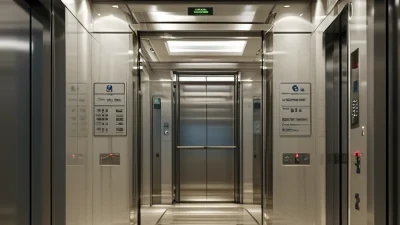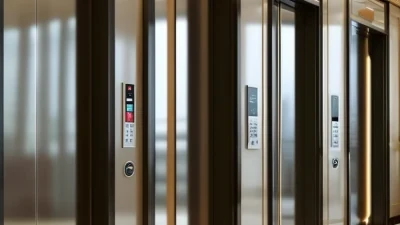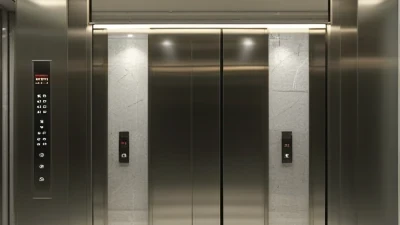
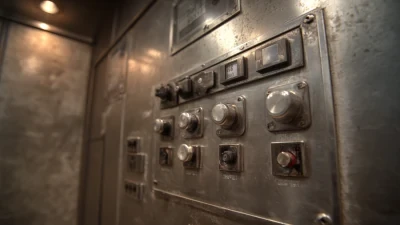
When you think about modern building infrastructure these days, the importance of elevator components really can’t be overstated. As cities grow upward and more people find themselves living in skyscrapers, the need for elevators that are both reliable and efficient is more crucial than ever.
Industry folks are saying the global elevator market might hit around USD 123 billion by 2025, with a steady growth rate of about 6.5% from 2020 to 2025. That kind of growth just shows how important top-notch elevator parts are—stuff that keeps everything safe, smooth, and long-lasting.
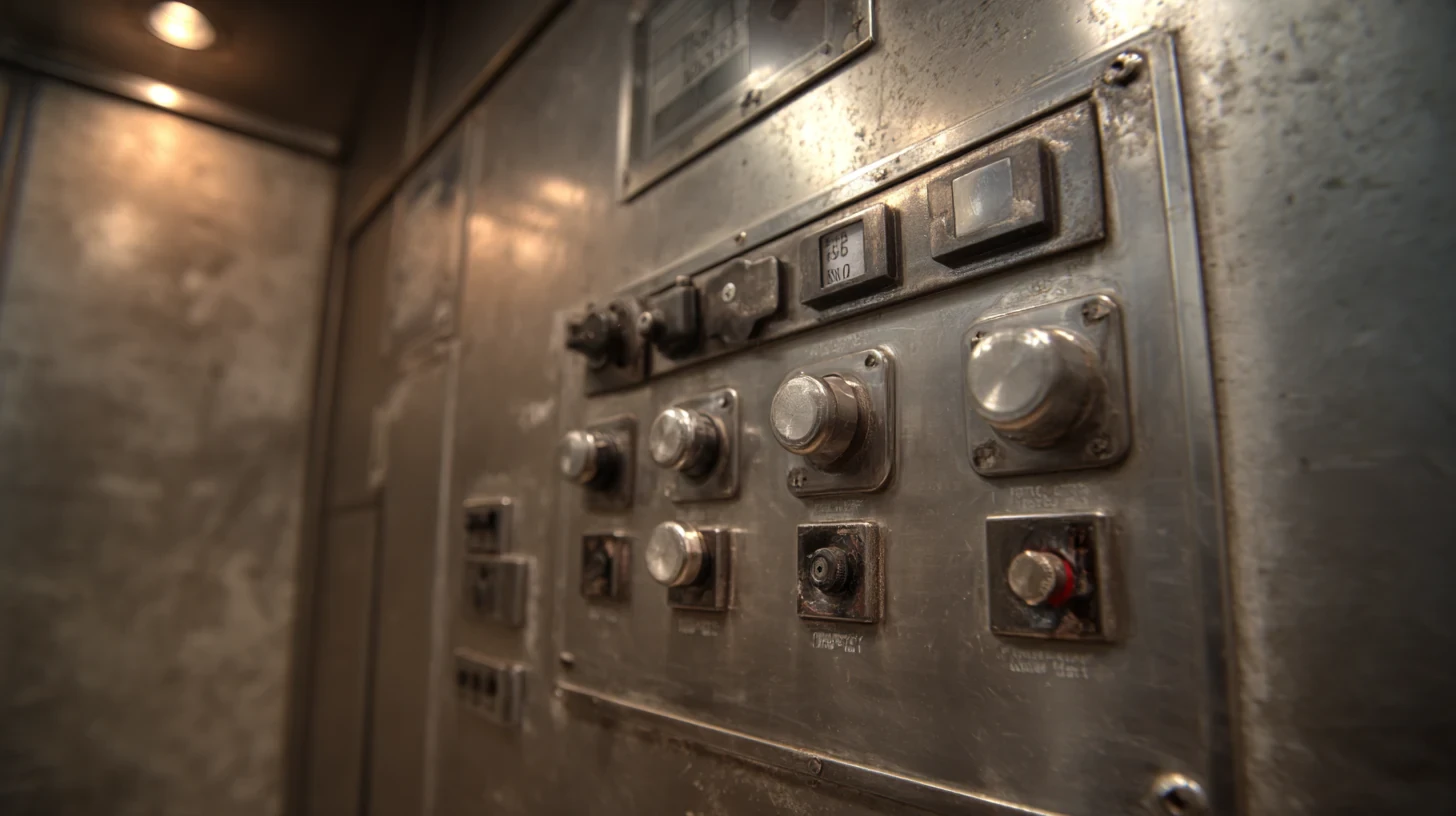
At Zhuhai Link Industrial Co., Ltd., we got our start back in June 2017, and we’ve been busy handling sales, installs, and maintenance of full elevators. We’re proud to contribute to this fast-moving industry with over 200 units sold each year. Knowing the ins and outs of elevator components doesn’t just help things run better; it also makes sure we meet the rising standards of today’s infrastructure.
So, for everyone involved, focusing on quality and coming up with innovative solutions is more important than ever.
The Critical Importance of Elevator Components in Contemporary Infrastructure Design
Elevators are pretty much a must-have in modern buildings. They’re not just there to help people move between floors—they actually play a big role in how a building looks and functions day-to-day. You really can’t overstate how important those elevator parts are; they keep everything safe, running smoothly, and accessible—especially in busy city environments. Today’s elevators are super high-tech, often connected to smart systems that make riding them more convenient and efficient for everyone.
At Zhuhai Link Industrial Co., Ltd., we totally get how crucial good elevator components are when it comes to making buildings work better. We’ve been around since 2017, focusing on selling, installing, and maintaining complete elevator systems. To give you an idea, we handle over 200 units a year—that’s a lot of experience under our belt. This hands-on work helps us really understand what makes elevators reliable and safe, from control panels and safety features to energy-saving stuff.
Quick tip: When you’re designing or choosing elevators for a building, it’s worth thinking about what the building actually needs. Things like how many people will be using it daily, the building’s layout, and even plans for future expansion should all play a part in your decision. And don’t forget—regular maintenance is key to keeping everything running smoothly and safely for years to come.
Key Statistics on Elevator Usage and Performance in Modern Buildings
Elevators really are a backbone of modern building design, and their impact on how we access and move around inside is pretty huge. Did you know that in busy cities, roughly 70 million elevator trips happen every single day? That just goes to show how vital they are for smoothly taking people up and down floors. In tall buildings, elevators handle a massive chunk of the vertical traffic — reports suggest they take care of as much as 80% of all movement between floors. Pretty impressive, right?
When we talk about performance, today’s elevators are nothing short of amazing. Some of the latest models can zip along at speeds up to 1,600 feet per minute in the tallest skyscrapers, which really cuts down wait times and makes the whole experience way more comfortable. And with all the new tech coming out, elevators are getting smarter — they can now optimize their routes, which means less time waiting around and even lower energy bills. Plus, the whole predictive maintenance thing is a game changer; it helps keep these elevators running smoothly and cuts down on unexpected outages by up to 30%. All of this adds up to elevators that are more reliable and pretty much essential in busy urban spaces.
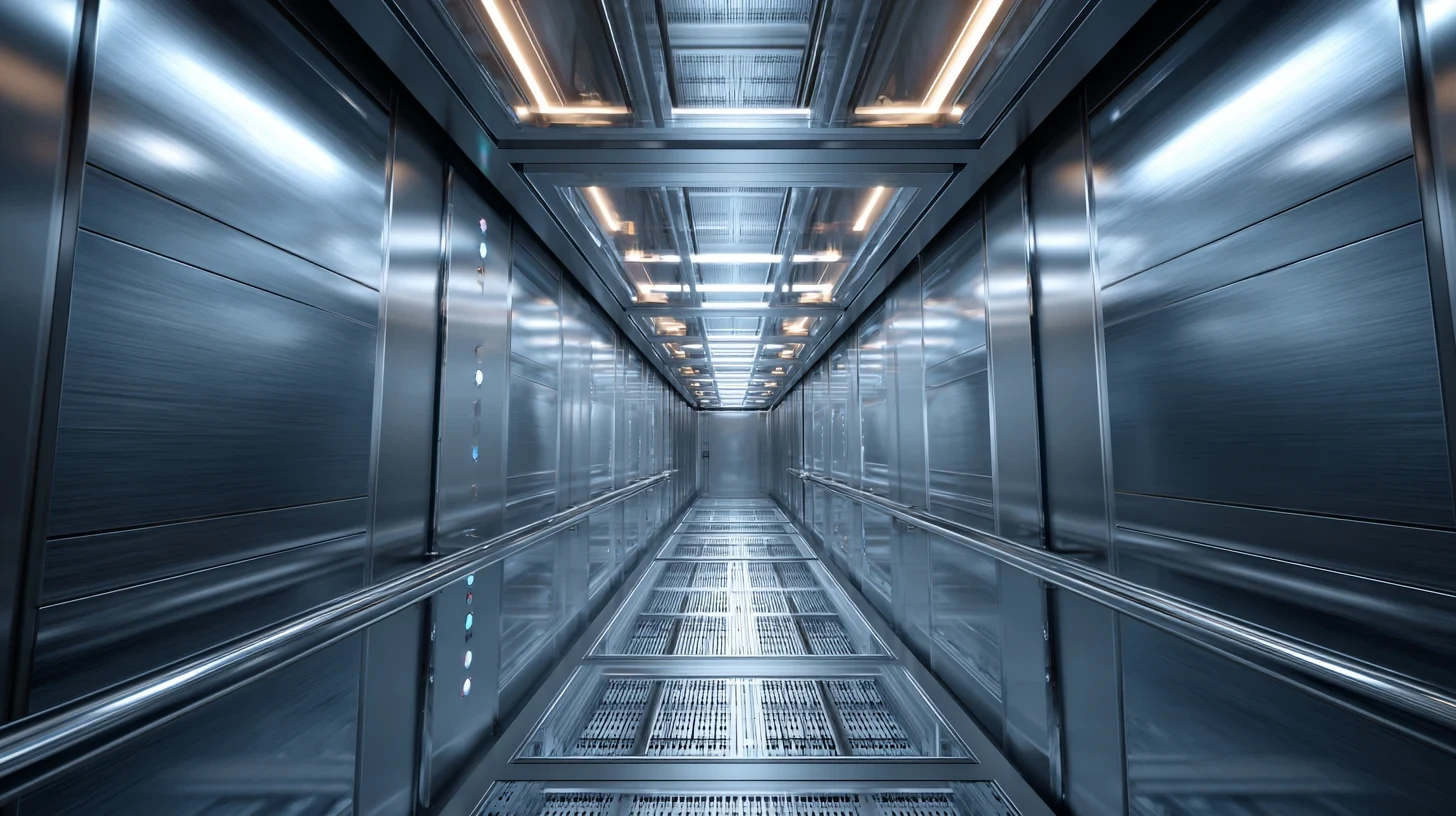
Innovative Technologies Transforming Elevator Components for Efficiency
You know, the way elevator tech has evolved over the years is pretty impressive. Nowadays, we're seeing some seriously cool components that make buildings run more efficiently. I recently came across a report from the International Association of Elevator Engineers—good read, by the way—that highlights how adding IoT (that’s Internet of Things stuff) to elevators can cut down energy use by up to 30%. The smart sensors built into these systems keep an eye on performance in real-time, which means maintenance can be predicted before something breaks down, and those pesky elevator delays get a lot shorter. Honestly, it's not just about saving energy; it really makes a difference for folks waiting for their ride—less wait time, happier users, you know?
Plus, thanks to advances in materials science, many elevator parts are now lighter and tougher at the same time. There was a study in the Journal of Building Science that showed these new materials can slash the weight of elevator systems by around 20%. That obviously helps with energy efficiency. And then there are regenerative drives—think of them like energy recyclers—capturing energy when the elevator goes down and giving it back to the system. This can cut down energy use by as much as 75% in some cases. As cities and buildings keep pushing for sustainability, these innovations are really key to building smarter, greener urban environments.
The Impact of Elevator Maintenance on Building Safety and Functionality
Elevators aren’t just simple machines to get you from one floor to another anymore. They’ve become a key part of how modern buildings operate, and they really impact both safety and convenience. Thanks to technology, they've come a long way—think smarter features like AI and real-time monitoring that make rides safer and more comfortable. But here’s the thing: all these fancy systems only do their job well if they’re well-maintained with regular, proactive check-ups.
Seasonal weather changes—like cold winters or hot summers—can sneakily affect elevator performance, so it’s super important for building managers to stay on top of maintenance routines. Regular inspections and fixing small issues early can save a lot of headaches later, making sure everything runs smoothly and safely all year round.
**A Few Tips for Elevator Maintenance:**
1. Keep up with routine check-ups, especially before winter hits—cold weather can cause some unexpected problems.
2. Use monitoring tools to keep an eye on how your elevators are performing; they can spot irregularities that need immediate attention.
3. Make sure users know how to operate the elevators safely, especially during bad weather, to help prevent accidents.
At the end of the day, prioritizing regular maintenance helps building owners keep their elevators safe, reliable, and efficient—which just makes the whole property run a lot better.
Impact of Elevator Maintenance Frequency on Building Safety and Functionality
| Maintenance Frequency | Incidents Reported (per 100 elevators) |
|---|---|
| Monthly | 1 |
| Quarterly | 3 |
| Bi-Annually | 5 |
| Annually | 10 |
This chart illustrates the impact of elevator maintenance frequency on safety within building infrastructure. It shows that elevators maintained monthly have the fewest reported incidents, while those maintained annually have the highest, emphasizing the importance of regular maintenance for safety and functionality.
Sustainability Trends in Elevator Design: Energy Efficiency Metrics and Practices
You know, making sustainability a priority in elevator design is really becoming a big deal these days, especially with how much everyone cares about energy efficiency in modern buildings. Manufacturers are stepping up their game, coming up with smarter, greener tech to cut down on energy use. Like, those regenerative drives are pretty cool—they actually capture the energy an elevator generates when it moves and reuse it. It’s a win-win, because it helps cut down the building's carbon footprint and, over time, can even save money on operating costs.
And it doesn’t stop there. The whole smart technology scene is really shaking things up—elevators that can connect to the internet, be monitored in real time, and even predict when they might need maintenance. It’s pretty amazing how much smoother and more efficient things become when you add these features, reducing downtime and keeping everything running nicely. As buildings are moving towards more connected and eco-friendly designs, the elevator industry is definitely playing its part in helping us get there. Overall, focusing on energy efficiency and sustainability isn’t just a trend—it’s shaping the future of building infrastructure, one innovative Lift at a time.
Understanding the Essential Role of Elevator Components in Modern Building Infrastructure - Sustainability Trends in Elevator Design: Energy Efficiency Metrics and Practices
| Component | Energy Efficiency Metric | Sustainable Practices | Impact on Building Infrastructure |
|---|---|---|---|
| Traction System | Reduced energy consumption by 30% | Regenerative drives | Enhanced vertical transportation efficiency |
| Control System | Improved dispatching efficiency | Smart technology integration | Reduces wait times and energy use |
| Lighting | LED lighting that uses 80% less energy | Motion sensors | Lower overall building energy demand |
| Cab Design | Use of lightweight materials | Eco-friendly materials | Enhances durability and reduces energy costs |
| Emergency Power Systems | Battery backup for 2 hours | Solar panel integration | Ensures safety and reliability |
Future Trends in Elevator Technology: Smart Systems and Automation Developments
Elevator technology is really on the verge of a major upgrade. Thanks to smart systems and automation, we're about to see some pretty exciting changes in how elevators are built, run, and taken care of. For instance, these smart elevators can connect to the Internet of Things (IoT) — basically, they gather real-time data on things like usage and how full they are. This means they can route people more efficiently and cut down wait times. Plus, with all this happening, buildings become more energy-efficient, which is good for lowering costs and being kinder to the environment.
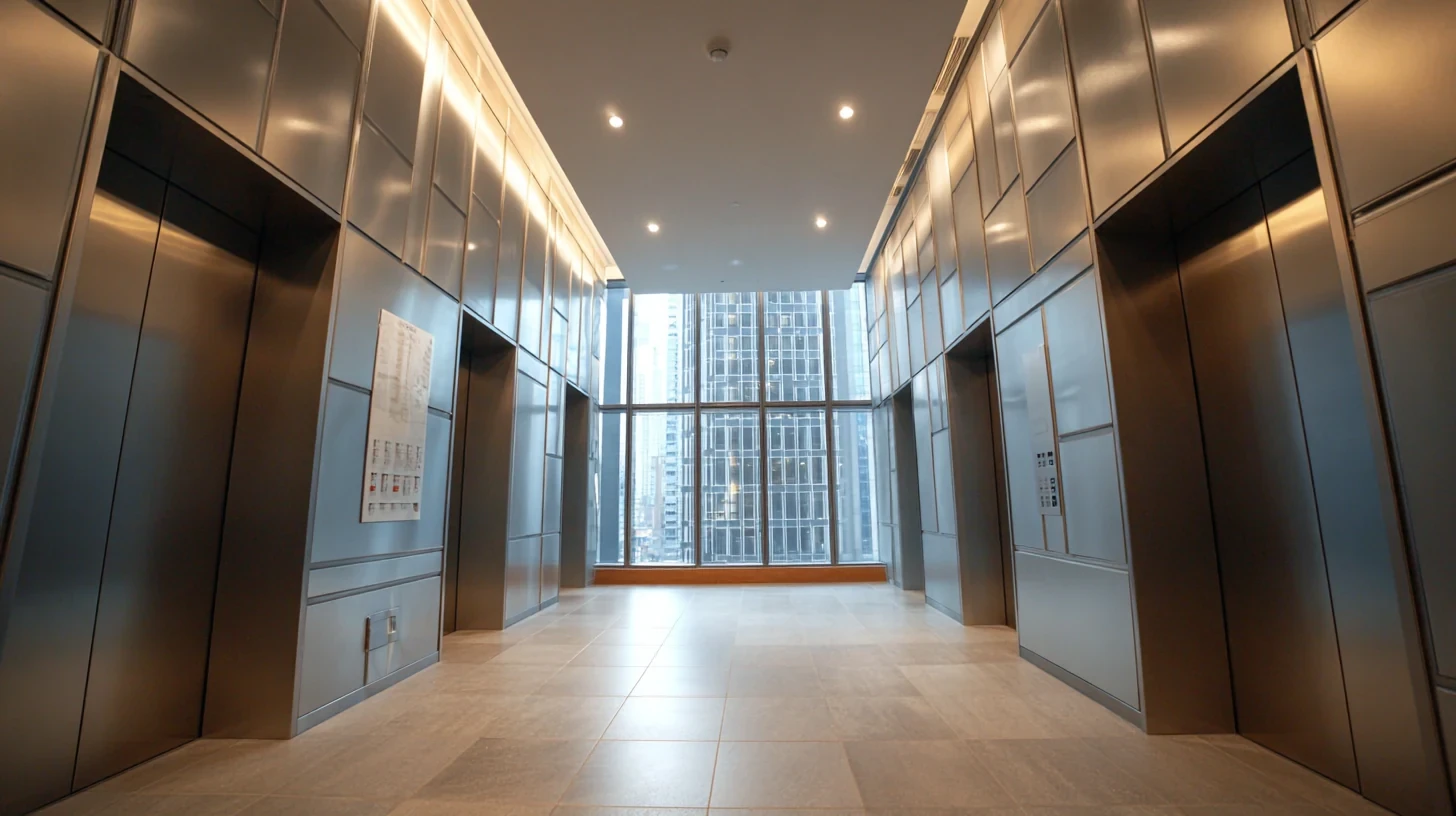
On top of that, automation is making a real impact on the user experience and safety. Features like touchless controls and AI-based systems aren’t just about making things easier to use—they also help reduce physical contact, you know, which is especially important now. Looking ahead, elevators will be seamlessly integrated with building management systems, making them more reliable and even predicting maintenance needs before anything breaks. Overall, these tech advancements aren’t just about transporting folks—they’re turning elevators into key parts of smart building ecosystems that focus on safety, efficiency, and making life easier for everyone.
Elevate Safety and Security: Introducing the XTA3656 Lift Door Lock Device for Reliable Elevator Operation
Elevating safety and security in elevator operations is paramount, especially in high-traffic areas where the risk of unauthorized access can pose significant risks. The newly introduced XTA3656 Lift Door lock Device serves as an essential solution for building managers and safety personnel looking to enhance the security of their elevator systems. This innovative device ensures that only authorized users can access elevator services, thereby reducing the chances of misuse or emergencies.
The XTA3656 Lift Door Lock Device incorporates advanced locking mechanisms and monitoring features that make it a reliable choice for various environments, including residential, commercial, and industrial facilities. Its robust design withstands tampering attempts, and the user-friendly interface allows for effortless integration with existing elevator systems. With its ability to enforce controlled access, this lock device not only protects passengers but also contributes to the overall safety protocols of the building by preventing potential accidents.
Incorporating the XTA3656 into your elevator system is more than just an upgrade; it's a commitment to enhanced safety and operational reliability. Building administrators can rest assured knowing they have taken a significant step in safeguarding their facilities while promoting peace of mind for all users.
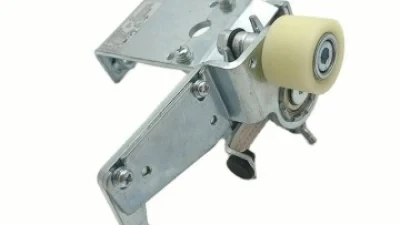
XTA3656 Lift Door Lock Device 57018975 elevator parts
FAQS
: IoT technology can reduce energy consumption in elevator systems by up to 30% through the integration of smart sensors that monitor performance in real-time.
The use of lighter and more resilient materials can decrease the overall weight of elevator systems by as much as 20%, contributing to improved energy efficiency.
Regenerative drives can capture and reuse energy during elevator descent, potentially yielding energy savings of up to 75% during operation.
Regular maintenance is essential to ensure elevators operate smoothly and safely, as it helps address potential issues before they escalate, particularly in response to seasonal temperature shifts.
Building managers should schedule regular maintenance checks, implement a monitoring system to track performance, and educate users about safe elevator usage practices.
Smart technologies enable real-time monitoring and predictive maintenance, which reduces downtime and enhances the overall performance and safety of elevator systems.
The elevator industry is embracing sustainability by innovating green technologies that reduce energy consumption and minimize the carbon footprint of buildings.
Prioritizing energy efficiency metrics and sustainable practices in elevator design significantly impacts the transition towards environmentally responsible building designs.
Predictive maintenance benefits elevator systems by enabling timely repairs and maintenance actions, thus enhancing operational efficiency and user experience.
Building owners should prioritize regular maintenance, implement smart technologies, and adopt sustainable practices to enhance the efficiency and safety of their elevator systems.
Conclusion
The article titled "Understanding the Essential Role of Elevator Components in Modern Building Infrastructure" really drives home how crucial elevator parts are in today’s building design. Seriously, elevators are kind of the backbone of modern structures, right? And it’s interesting to see some eye-opening stats about just how much they’re used and how well they perform. There’s also a lot of new tech coming into play—things that make these components more efficient and reliable. But let’s not forget, regular maintenance is super important too, not just for safety but to keep building operations running smoothly. Oh, and sustainability is a big deal these days, with energy-efficient elevator designs fitting right into green building trends. Looking ahead, the tech scene is buzzing with smart systems and automation upgrades that will probably make elevators even more seamless and integrated into building infrastructure.
At Zhuhai Link Industrial Co., Ltd., we’ve been in the game since 2017, focusing on selling, installing, and maintaining entire elevator systems. We handle over 200 units a year—so, yeah, we’re pretty serious about what we do. We’re always staying up-to-date with the latest in elevator tech and component optimization, which makes us a trusted partner in helping modern buildings stay efficient and safe.
Related Posts
-
How the Best Elevator Components Enhance Safety and Efficiency in High-Rise Building Applications
-
Exploring Unique Examples of Innovative Elevator Components and Their Impact
-
7 Amazing Facts About Elevator Components You Didnt Know
-
7 Essential Elevator Parts Every Global Buyer Must Know
-
Leading Elevator Component Manufacturers from China at the 137th Canton Fair
-
Navigating the 2025 Trends in Elevator Accessories with Essential How To Insights