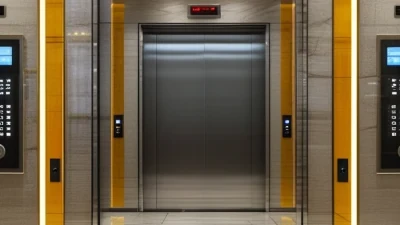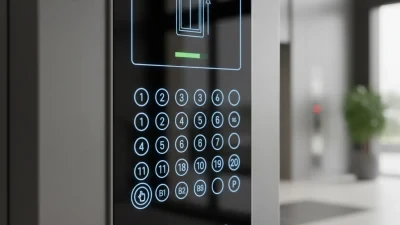
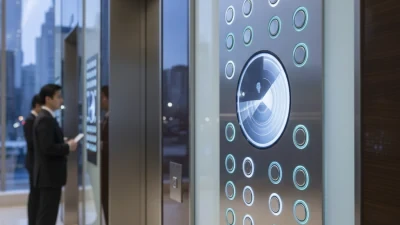
Choosing the right Elevator Control Panelreally matters, both for how well it works and for safety, of course. These panels are basically the brains of the elevator system. Picking the right one can make a big difference in how smooth everyone’s ride feels and can also keep things running reliably.
Now, there are lots of things to think about when making this choice. Things like the size of the building, what kind of traffic you get, and how busy it is all come into play. Each elevator control panel has its own set of features that might be perfect—or totally off—for different spaces. If you pick the wrong one, it can lead to headaches—like inefficiencies or even higher costs down the line. So, it’s pretty important to really assess what you need.
When in doubt, it's a good idea to work with trusted companies like ThyssenKrupp or OTIS. They’ve been around a long time and know their stuff. Their expertise can really help guide you toward the right choice. Just keep in mind—what works great for one building might not fit another. So, take some time to think about your specific situation and make a decision you’re confident about.
Understanding the Different Types of Elevator Control Panels
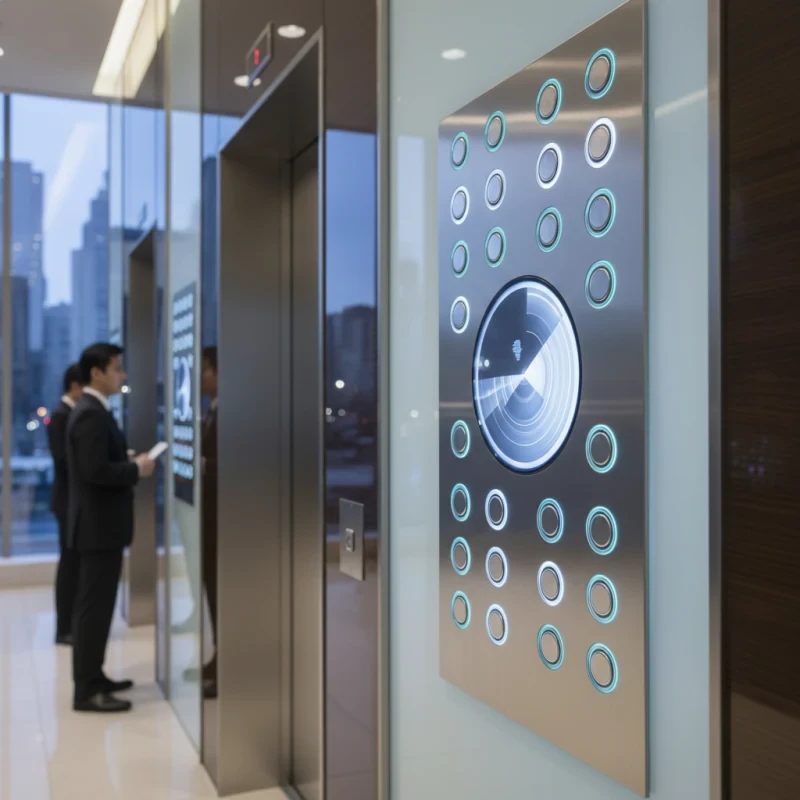
When selecting an elevator control panel, one must consider the various types available. Each panel type offers unique features and functionalities. For instance, the basic pushbutton panel is user-friendlyand economical. It is best for small buildings and residential Lifts. In contrast,touch screens provide modern aesthetics and advanced control options. They often include programmable features, making them ideal for larger establishments.
A more specialized option is the destination dispatch system. This system groups passengers based on their destinations, optimizing traffic flow within high-rise buildings. While this technology offers efficiency, it can be complex to set up and maintain. Understanding your building's needs is crucial when choosing among these types. The Lift Elevator Control Panel often dictates the overall performance and user experience of the elevator system.
Reflection is key in this decision-making process. It's essential to balance cost and functionality. Some may prioritize advanced features, while others may lean towards simplicity. Both choices come with potential drawbacks and benefits. Make sure to consult with professionals who can provide insights based on years of experience in this field.
Key Features to Consider in Elevator Control Panels
When selecting an elevator control panel, several key features must be prioritized. One crucial aspect is user interface design. A simple and intuitive interface enhances usability for all occupants. A study by the International Association of Elevator Engineers showed that 75% of users prefer systems that are easy to operate. This can be achieved through button layout and clear labeling, ensuring everyone can navigate without confusion.
Another important feature is safety protocols. Elevators must have reliable safety mechanisms, like emergency stop buttons and alarms. According to the National Elevator Industry, a well-implemented safety system can reduce accidents by up to 30%. Additionally, the integration of modern technologies like smart controls and remote monitoring enhances safety and reliability. However, some installations still rely on outdated systems, risking user safety and operational efficiency.
Finally, energy efficiency should not be ignored. Many control panels now offer energy-saving modes and automatic sleep functions, significantly reducing power consumption. The U.S. Department of Energy reports that optimizing elevator operations can cut energy use by nearly 40%. This feature not only contributes to sustainability efforts but also lowers operational costs. Balancing these elements can be challenging but is essential for effective elevator management.
Assessing the Capacity and Size Requirements for Your Elevator
When choosing an elevator control panel, assessing capacity and size requirements is crucial. Elevators must accommodate both people and equipment. Consider the usual traffic flow. Will it be for residential or commercial use? A smaller panel might suffice for homes, while larger settings need more robust systems.
Think about the dimensions of the elevator shaft. Space can limit the types of panels available. Elevators designed for heavy loads may require specific control features. These control panels should manage increased weight and size efficiently.
Tips: Measure your space accurately before purchasing. Consult with professionals to understand load requirements. Understand your building’s code to ensure compliance. Partner with reliable installers who can provide insights and support for future needs. Remember, a well-chosen control panel enhances safety and user experience. Evaluate your options carefully; it affects functionality and performance.
How to Choose the Right Elevator Control Panel for Your Needs?
| Control Panel Type | Capacity (kg) | Size (mm) | Features | Recommended Use |
|---|---|---|---|---|
| Standard Control Panel | 1000 | 400x300 | Basic controls, LED indicators | Residential use |
| Digital Touch Control Panel | 1200 | 450x350 | Touchscreen interface, customizable settings | Commercial buildings |
| Heavy-Duty Control Panel | 2000 | 600x400 | Robust design, advanced safety features | Industrial use |
| Smart Control Panel | 1500 | 500x350 | IoT connectivity, energy monitoring | Modern buildings |
Evaluating Technological Innovations in Elevator Controls
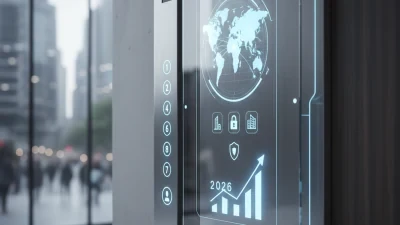
When evaluating technological innovations in elevator controls, understanding the components is crucial. The elevator control panel is the brain of the system. It manages the operation and safety of elevators. In this rapidly evolving industry, smart technology has become more prevalent. Features like touchscreens and automated controls enhance user experience. These innovations increase efficiency but can also require careful consideration.
Upgrading Elevator Control Panel Parts can offer advanced functionalities. For example, energy-saving modes provide sustainability benefits. However, users must be aware of potential complexities. Advanced systems may need specialized training for maintenance staff. Standard parts might be easier to replace, but they lack some innovative features. This trade-off requires thoughtful evaluation.
Investing in the latest technology may seem appealing. Yet, one should consider the long-term implications. Is the cost justified by the benefits? Will the technology remain relevant in a few years? Understanding these factors is essential before making a decision. Embracing innovation is important, but balance is key.
Determining User Accessibility Needs in Control Panel Design
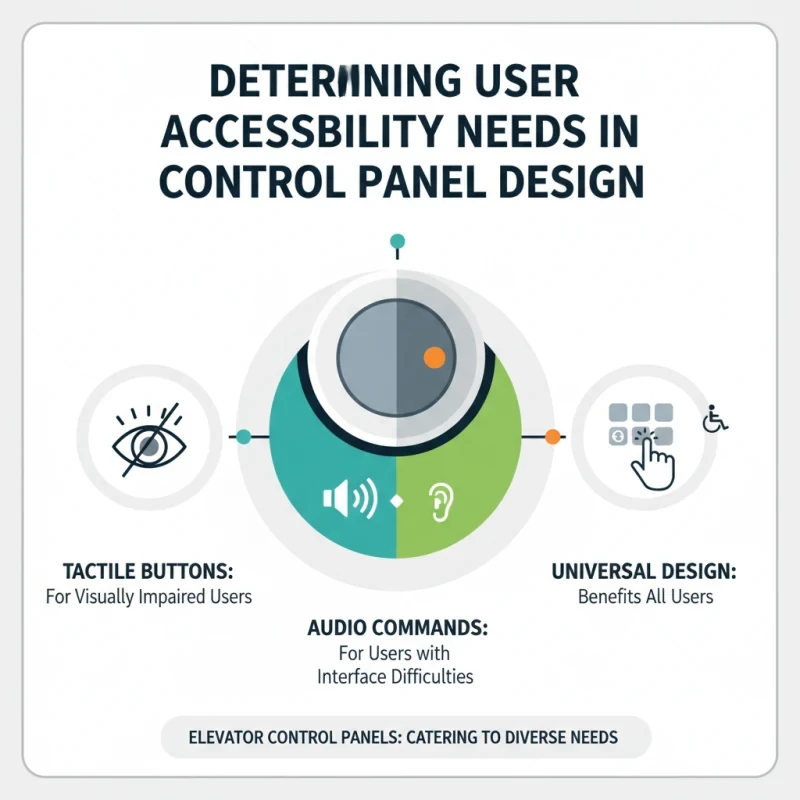
When choosing an elevator control panel, understanding user accessibility needs is essential. Accessibility features should cater to various users, including those with disabilities. For instance, tactile buttons benefit visually impaired individuals. Similarly, audio commands can assist those who may struggle with traditional interfaces.
Designing for accessibility involves careful consideration of the layout and language used. Clear and intuitive symbols can help users navigate the controls. However, not every design achieves this goal. Sometimes, complex icons can confuse instead of clarify. It’s important to seek feedback from actual users to refine these features.
Additionally, the height of the control panel matters. A panel placed too high may be inaccessible to children or individuals in wheelchairs. Testing different heights ensures all users can interact comfortably. Technology can enhance accessibility, but it requires ongoing evaluation and adjustment. Balancing innovation with practicality can pose challenges in creating an inclusive design.
Budgeting for Your Elevator Control Panel Selection
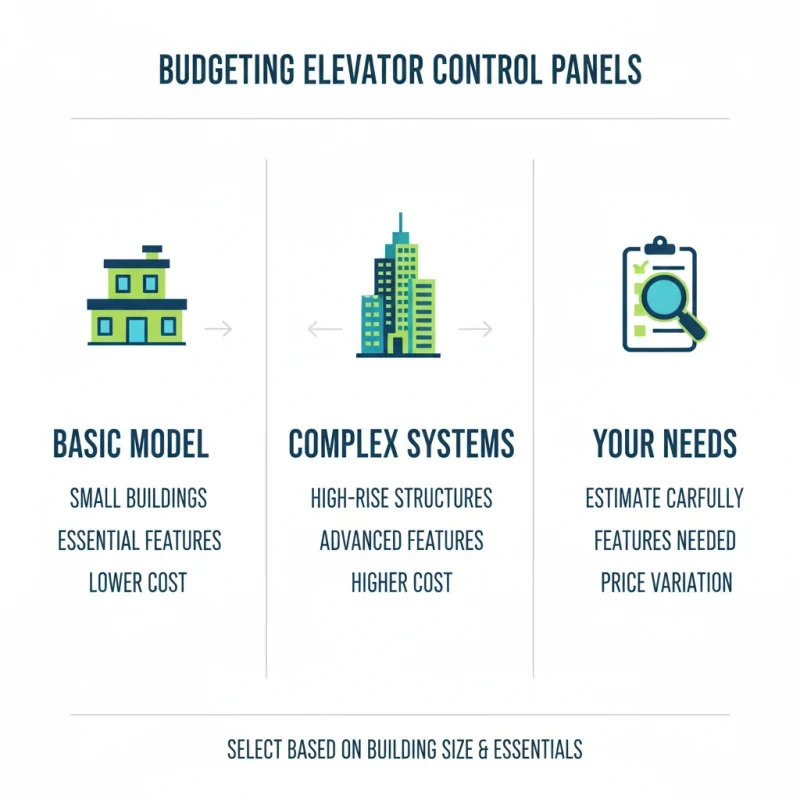
When budgeting for your elevator control panel selection, consider the essential features you need. Control panels vary widely in price. A basic model may suit smaller buildings, while complex systems are needed for high-rise structures. Estimate your needs carefully.
Evaluate various options based on your budget. It's tempting to go for the cheapest option, but durability matters. A low price might mean sacrificing quality. Maintenance costs can increase over time if you choose a less reliable panel. Balancing the initial Elevator Control Panel Price with long-term benefits is crucial.
Don't forget to factor in the installation costs. Some panels require specialized technicians, which adds to the overall expense. Research local rates before making a decision. Look for user reviews to gauge reliability. This will help ensure your investment pays off in the long run.
Maintenance and Support Considerations for Elevator Controls
Maintenance and support are crucial aspects when selecting an elevator control panel. A well-designed elevator control panel ensures smooth operation. Regular maintenance prevents issues before they arise. Consider a schedule for routine checks. This approach minimizes downtime and enhances safety.
Support options play a vital role in your decision. Choose providers with a solid reputation for reliability. They should offer training for your staff. Proper education on the Elevator Control Panel Design ensures that operators can react effectively in emergencies. Availability of spare parts is also essential for quick repairs.
Despite careful planning, challenges can occur. Sometimes, unexpected failures happen during peak hours. Regular training sessions can help teams respond efficiently. Learning from past problems improves operational reliability. It's important to document every maintenance issue to identify trends and potential areas for improvement. This proactive approach not only enhances safety but also boosts user confidence in the system.
Comprehensive Guide to LB-II Motherboard and OTIS Elevator Parts: Enhancing Lift Performance and Reliability
The performance and reliability of elevators greatly depend on the quality of their components, particularly the motherboard and associated parts. In the context of the LB-II motherboard, it plays a critical role in managing the various systems of an elevator, ensuring smooth operation and enhanced safety features. The integration of cutting-edge technology in the LB-II motherboard allows for more efficient communication between different elevator components, thus optimizing overall performance.
When it comes to specific parts that enhance lift performance, models such as GBA21230F1, GBA21230F2, and GBA21230F3 stand out for their ability to provide robustness and efficiency. These components are designed to work seamlessly with the LB-II motherboard, contributing to a significant reduction in maintenance needs. The high-quality materials used in their construction also ensure greater durability, which is essential in high-traffic environments. By investing in these parts, elevator systems can achieve improved reliability and a longer lifespan, ultimately leading to greater user satisfaction and operational efficiency.
FAQS
: User interface design is crucial. A simple, intuitive interface improves usability for everyone.
Reliable safety mechanisms, like emergency stop buttons, significantly reduce accidents and enhance safety.
Touchscreens, automated controls, and smart technologies improve user experience and operational efficiency.
Many panels offer energy-saving modes, reducing power consumption and lowering operational costs significantly.
Accessibility features ensure everyone, including those with disabilities, can use the elevator comfortably and safely.
Clear symbols and appropriate heights are essential. Feedback from users can help improve designs.
Not always. Some advanced systems may complicate maintenance and require specialized training.
It can be difficult to create inclusive designs that meet user needs while incorporating the latest technologies.
Gathering feedback is vital. It helps refine features that may be confusing or ineffective.
Consider if the cost is justified and if the technology will remain relevant in the future.
Conclusion
Choosing the right Elevator Control Panel is crucial for ensuring efficient and user-friendly elevator operation. Understanding the various types available helps in selecting a panel that meets specific needs, while key features like button layout, screen readability, and emergency options play a significant role in functionality. It is important to assess capacity and size requirements to guarantee the panel fits seamlessly within the elevator design.
Moreover, evaluating technological innovations can enhance user experience, particularly through features like touchscreens and smart connectivity. Accessibility is another critical factor, ensuring that the control panel is usable for all individuals, including those with disabilities. Budget considerations are vital, as costs can vary widely based on features and technology. Finally, planning for maintenance and support is essential for the longevity and reliability of the Elevator Control Panel, ensuring it remains operational and efficient over time.
Related Posts
-
Maximizing Value with Best Elevator Control Panels through Superior After Sales Support and Maintenance Savings
-
How to Choose the Right Lift Control Panel for Your Building Needs
-
Global Trust in Quality Elevators Control Panels Made in China for Your Business
-
Elevating Standards: How China's Best Lift Control Panel is Winning Global Markets with Quality
-
Exploring Innovations in Lift Control Panel at the Expanding International Trade Landscape of the 137th Canton Fair
-
Top China Elevator Control Panel for Global Buyers in 2026?