As an indispensable means of vertical transportation in modern high-rise buildings, the structure and working principle of elevators are crucial to ensure the safety and comfort of passengers. This article will introduce the basic structure and working principle of elevators to help readers better understand this indispensable equipment in daily life.
1. Basic Structure of Elevator
Elevators are mainly composed of the following parts:
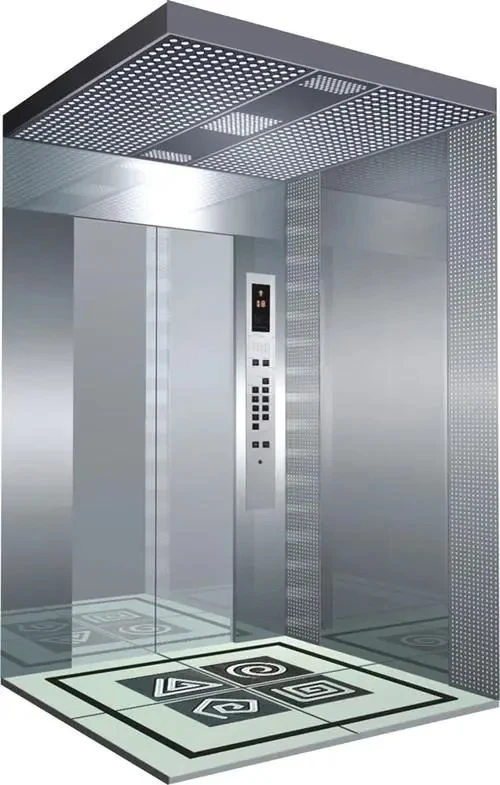
- Cab: The space where passengers sit, usually made of metal frame and glass or metal siding.
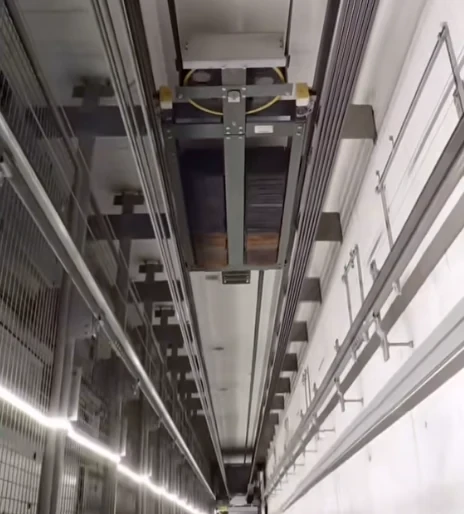
- Counterweight: A device that balances the weight of the car, usually located below the car, which helps reduce the load on the motor.
- Guide Rails: The car and counterweight move along these vertical rails to ensure the stable operation of the elevator.
- Hoist Motor: The power source of the elevator, which drives the traction sheave to move the car up and down.
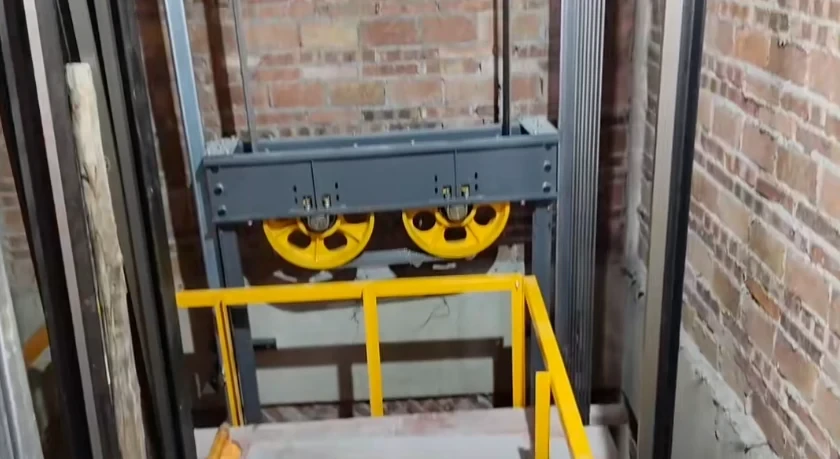
- Sheave: Connected to the traction rope, it pulls the car through the rotation of the traction machine.
- Cable: Connects the traction sheave and the car to transmit power.
- Control System: The logic and safety system that controls the operation of the elevator, including button panels, signal systems, etc.
- Safety Devices: Including speed limiters, safety clamps, buffers, etc., used to protect the safety of passengers in emergency situations.
2. How Elevators Work
The working principle of elevators is based on simple physical principles, namely the balance and conversion of forces.
The following are the basic steps of elevator operation:
- When a passenger presses a floor button, the control system receives the signal and activates the traction machine.
- The traction machine rotates, pulling the car up or down through the traction rope.
- The car and counterweight maintain stable operation in the vertical direction through the guide rails.
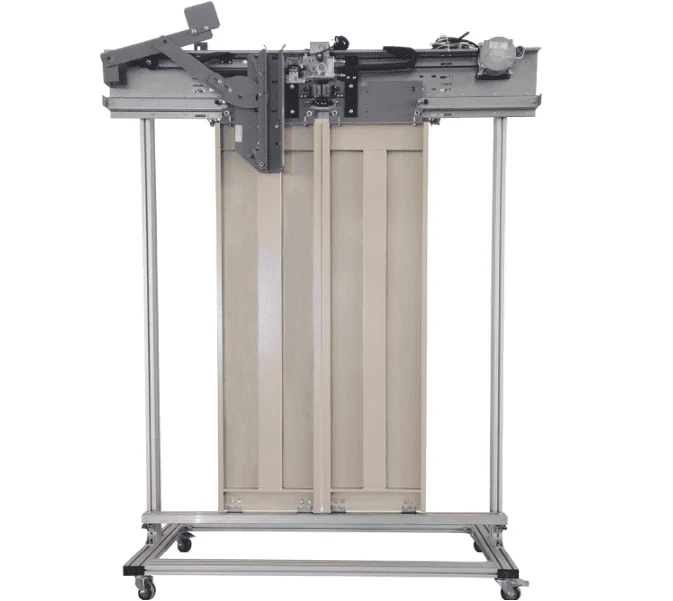
- When the car reaches the designated floor, the control system slows down and stops the elevator, and opens the elevator door for passengers to enter and exit.
3. Elevator safety system
The elevator safety system is an important part of the design, including:
- Governor: monitors the running speed of the elevator. Once the speed exceeds the safety threshold, the governor will trigger the safety clamp.
- Safety clamp: when the elevator exceeds the speed, the safety clamp will clamp the guide rail to prevent the car from moving further.
- Buffer: located at the bottom and top of the elevator shaft, used to absorb the impact force of the elevator during emergency braking to protect passengers and equipment.
4. Types of Elevators
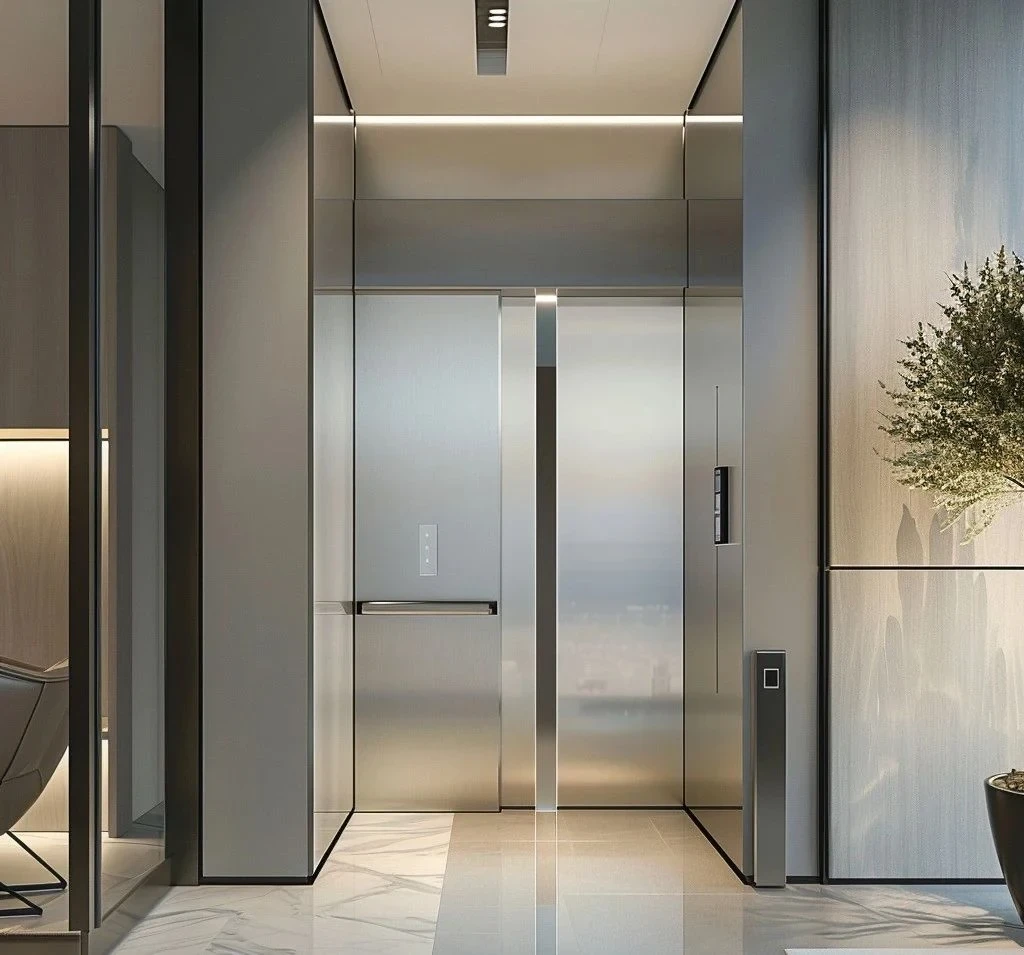
Elevators can be divided into many types according to their operation mode and purpose, including:
- Passenger elevators: used to transport passengers.
- Freight elevators: used to transport goods.
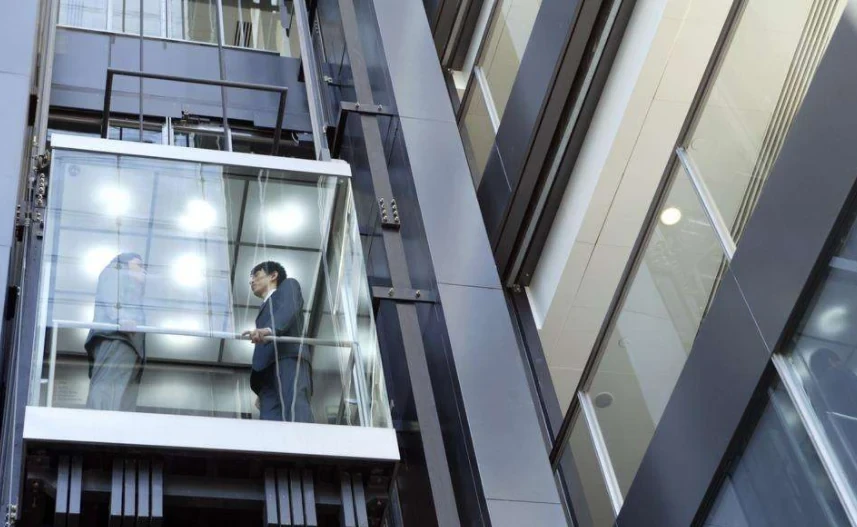
- Observation elevators: have transparent cabins or shafts to provide a sightseeing experience.
- Medical elevators: designed to transport beds and medical equipment.
5. Energy efficiency and environmental protection of elevators
Modern elevator designs pay more and more attention to energy efficiency and environmental protection, using energy-saving technologies such as variable frequency drives (VFDs) and energy feedback systems to reduce energy consumption.
6. Maintenance and inspection of elevators
Regular maintenance and inspection are essential to ensure the safe operation of elevators. This includes inspection and maintenance of mechanical parts, electrical systems and safety devices.
7. Future development trend of elevators
With the advancement of technology, future elevators may adopt more advanced materials, smarter control systems, and even realize wireless network connection to provide more personalized and intelligent services.
Understanding the basic structure and working principle of elevators is very important for both passengers and property managers. This not only helps to improve safety awareness when riding in elevators, but also enables you to make the right response when encountering problems. With the continuous development of technology, elevators will become safer, more efficient and more comfortable, bringing more convenience to people's daily lives.