As the global elevator market keeps evolving at a pretty rapid pace, picking the right elevator motor really becomes a big deal for buyers. If you’re shopping around, it’s pretty much essential to get a good grasp of the different motor types out there. Companies like Otis, Schindler, and KONE are definitely leading the charge when it comes to this tech. Each one offers its own set of motor options tailored for all kinds of building needs.
Today’s buyers are really looking for efficiency, reliability, and sustainability—super important things. A good elevator motor can actually help save energy and cut down on maintenance or operational costs over time. But let’s be honest—you can easily get overwhelmed with all the options. Lots of brands toss around similar features, but not all of them are equally good quality.
One thing to pay attention to is maintenance and installation. Sometimes, going for a cheaper, less efficient motor might sound tempting, but it could lead to more breakdowns down the road. That’s why it’s so important to go with a reputable manufacturer. Spending a bit more on a high-quality motor can really pay off in the long run, giving you better performance and better value. Digging into these details might seem like a lot, but it’s really crucial if you want to make smart choices in this global market. Knowing the ins and outs helps avoid common pitfalls and ensures you’re getting the best solution for your elevator system.
Overview of Elevator Motor Types in 2026
In 2026, the elevator motor market is set for exciting transformations. Buyers will find various motor types tailored for different needs. Geared traction motors are popular for their efficiency and load-bearing capacity. These motors excel in mid-rise buildings, offering reliable performance in busy environments.
Another important option is the gearless traction motor. Known for its smooth operation, it usually operates with less noise. It’s a perfect fit for high-rise structures where comfort and energy efficiency are crucial. These motors are designed for intensive use, ensuring durability over time.
On the other hand, hydraulic motors are noteworthy for low-rise applications. They require less space and have a simple installation. However, they may lack the speed and efficiency of their electric counterparts. As buyers weigh their options, it's clear that each motor type has distinct advantages and limitations. Understanding these nuances will guide informed decisions in selecting the right elevator motor for specific projects.
Key Factors Influencing Elevator Motor Selection
When selecting an elevator motor, one must consider various key factors that directly influence performance and efficiency. The motor type significantly affects energy consumption and operational costs. According to recent industry studies, the global elevator market is projected to grow by 6% annually, placing increased importance on choosing the best elevator motor for sustainability.
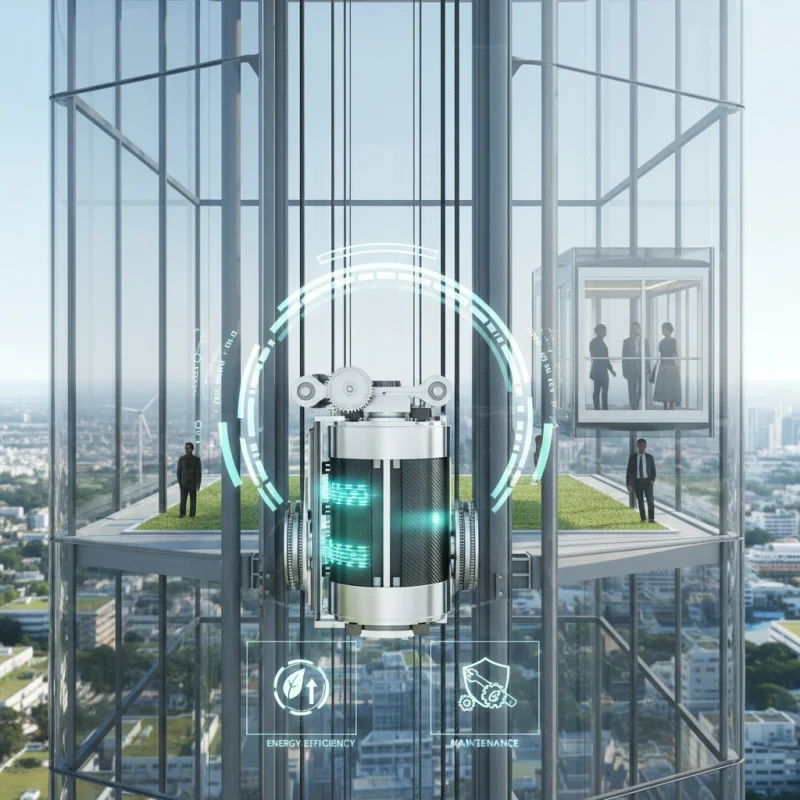
Efficiency is at the forefront of decision-making. Electric motors are favored for their superior energy efficiency compared to hydraulic alternatives. Reports suggest that electric motors can reduce energy usage by up to 30%. This makes them more appealing for modern installations aiming for green certifications. While hydraulic motors have their benefits, they may not always align with eco-friendly objectives.
Another vital aspect is the motor's load capacity. It’s essential to match the motor's specifications with the expected weight and usage of the elevator. Oversized motors can result in unnecessary energy consumption, while undersized motors might fail under heavier loads. Such mismatches can lead to performance issues and increased maintenance costs. Therefore, taking time to analyze all these factors is critical for selecting the best elevator motor that meets both performance and budgetary requirements.
Top Elevator Motor Types for Global Buyers in 2026
| Label | Market Share (%) |
|---|---|
| AC Motors | 35 |
| DC Motors | 25 |
| Gearless Motors | 20 |
| Geared Motors | 10 |
| Permanent Magnet Motors | 10 |
Electric vs. Hydraulic Elevator Motors: A Comparative Analysis
When comparing electric and hydraulic elevator motors, several factors come into play. Electric motors are known for their efficiencyand compact design. They typically require less maintenance and provide smoother rides. On the other hand, hydraulic motors excel in Liftingheavier loads. They are ideal for low-rise buildings, where their power can be fully utilized.
However, both systems have their drawbacks. Electric motors can struggle with heavy loads and may need frequent adjustments. Hydraulic motors, while powerful, tend to consume more energy and have a slower operation speed. The choice between the two often hinges on specific needs. For instance, an environment with tight space limits might favor electric models, whereas larger, multi-story complexes might benefit from hydraulic systems. Each type has its place, presenting unique challenges for those involved in elevator design and installation.
Purchasing decisions must involve thorough research. Understanding the long-term implications of each motor type is crucial. Operational costs, usage patterns, and building design will affect performance. Buyers should weigh these criteria carefully. Balancing reliability and efficiency is essential to ensure optimal results in elevator performance.
Emerging Technologies in Elevator Motor Design
The elevator industry is undergoing a transformative phase with emerging technologies in motor design. New motor types are not only enhancing efficiency but also improving safety and sustainability. According to a report by the International Energy Agency, modern elevator motors can achieve energy savings of up to 30% compared to older models.
Current innovations focus on the incorporation of permanent magnet synchronous motors (PMSMs). These motors offer high efficiency, compact size, and reduced noise. As highlighted in a study by the Elevator World, PMSMs gained traction due to their superior performance in high-rise buildings while consuming less energy. However, initial costs can be higher, prompting a thorough cost-benefit analysis for buyers.
Another notable advancement is the shift towards intelligent control systems. These systems optimize elevator operation, reducing wait times and enhancing user experience. Reports indicate that by integrating IoT technology, buildings can significantly improve operational efficiency. Still, challenges remain in standardization and compatibility across various systems. The technology needs continuous refinement to ensure reliability and user trust.
Market Trends and Forecasts for Elevator Motors by 2026
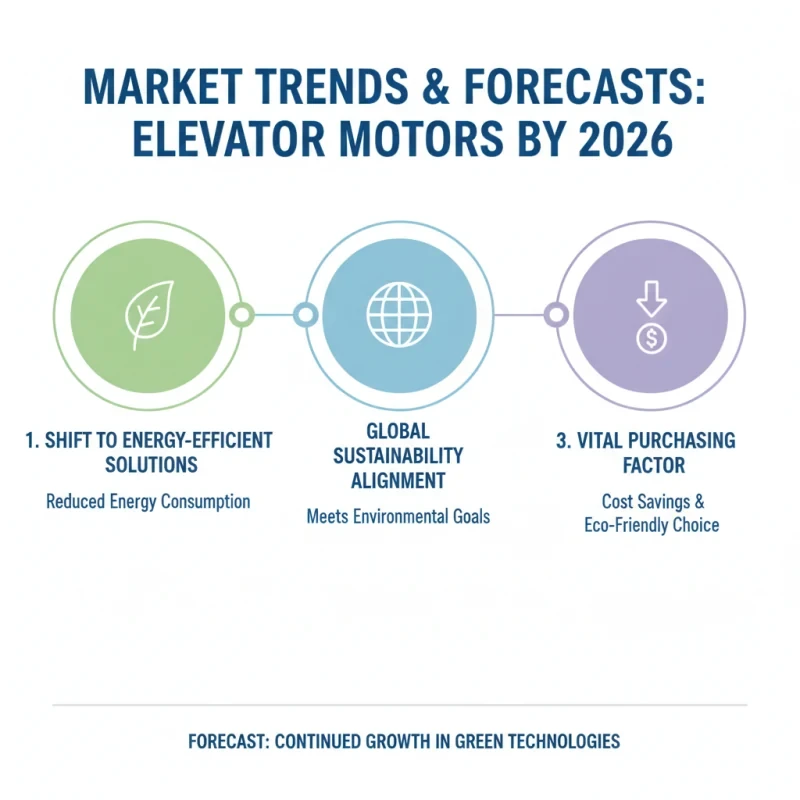
As we look towards 2026, the elevator motor market is experiencing significant trends. One crucial trend is the shift towards energy-efficient solutions. Buyers increasingly prefer motors that reduce energy consumption. This change aligns with global sustainability goals. The importance of energy efficiency cannot be overstated. It has become a vital factor in purchasing decisions.
Another trend is the rise of smart technology integration in elevator motors. These motors now come equipped with advanced monitoring systems. Such systems provide real-time data on performance and maintenance needs. This innovation enhances reliability and reduces downtime. However, it is essential to understand that while innovations are beneficial, they also present challenges. Not all systems are user-friendly, complicating operations for some buyers.
Additionally, the market is seeing a diversity of motor types. For instance, gearless and geared motors are popular choices. Each type has distinct advantages and drawbacks. Buyers must weigh these factors carefully. Knowledge of the specific needs of a building is critical. Many buyers are still unfamiliar with the practical applications of various motor types. This gap in understanding can lead to suboptimal purchasing decisions. With the rise of "Famous Elevator Motor" brands, choices may seem overwhelming, emphasizing the need for informed decision-making.
Performance Metrics: Efficiency and Sustainability Standards
In 2026, the efficiency and sustainability of elevator motors will be more critical than ever. Global buyers will seek high-quality elevator motor types that meet specific performance metrics. These metrics often focus on energy consumption and the environmental impact during production and operation. Efficient motors contribute to reduced energy bills and lower carbon footprints, crucial in today's eco-conscious market.
Sustainability standards will play a pivotal role in choosing elevator motors. Buyers may look for motors that use recyclable materials or have a longer lifespan to minimize waste. The trend will shift toward designs that maximize energy efficiency without sacrificing performance. Not all motors meet these evolving standards, which can complicate selection.
Additionally, innovation in technology can lead to some confusion. Not all features guarantee efficiency. Buyers need to critically assess claims and seek authoritative data to confirm performance. Finding the perfect high-quality elevator motor requires thorough research and scrutiny. Choices made today will shape the industry’s future for better or worse.
Regulatory Framework Impacting Global Elevator Motor Market
The global elevator motor market is experiencing a dramatic shift. Numerous regulations are influencing how manufacturers approach design and production. This shift ensures that safety, efficiency, and sustainability become top priorities in the industry. Buyers in 2026 must navigate these complexities carefully.
Regulatory frameworks, such as energy efficiency standards, govern elevator motor specifications. Compliance with local laws can affect product availability and performance. As a result, buyers may find themselves questioning the reliability of some manufacturers. Working with credible suppliers is essential. A reputable Elevator Motor Company can provide guidance through these regulations, ensuring buyers make informed decisions.
Emerging standards may push manufacturers toward innovative technologies. This progress might improve operational efficiency but could lead to increased costs. Buyers must weigh the benefits and drawbacks of these advancements. Some may turn to older models, questioning new features' necessity. Making the right decision requires careful consideration of regulatory impacts and technological evolution.
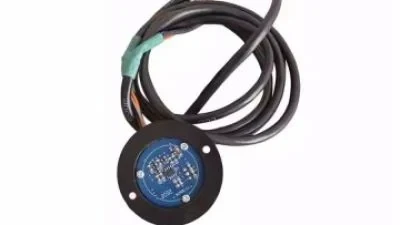
Unlocking Efficiency: A Comprehensive Analysis of MJ100A Door Motor Encoders in Modern Elevator Systems
The integration of MJ100A door motor encoders into modern elevator systems represents a significant advancement in operational efficiency and reliability. These encoders play a crucial role in enhancing the performance of elevator doors by providing accurate position feedback, which is essential for seamless operation. With the continuous growth of urbanization, the demand for efficient vertical transportation systems has skyrocketed, driving innovations such as these encoders to the forefront of elevator technology.
According to industry reports, the global elevator market is projected to reach over $100 billion by 2025, fueled by the increasing construction of high-rise buildings and smart urban infrastructure. In this context, products like the XEPRE-11 and XEPRE-10 encoders have emerged as compelling choices for manufacturers looking to optimize performance while reducing downtime and maintenance costs. These encoders offer robust features such as advanced signal processing and enhanced durability, making them ideal for the demanding environments of modern elevators.
Furthermore, the implementation of efficient encoder systems contributes to energy savings, which is a critical consideration in today's eco-conscious era. Reports indicate that leveraging advanced encoder technologies can improve energy efficiency by up to 30% in elevator systems, helping building owners not only to save on operational costs but also to minimize their carbon footprint. As the elevator industry continues to evolve, the strategic utilization of advanced technologies, including MJ100A encoders, will be paramount in achieving the balance between performance, efficiency, and sustainability.
FAQS
: Electric motors are efficient and compact. They require less maintenance and provide smoother rides.
Hydraulic motors excel in lifting heavier loads, especially in low-rise buildings. Their power can be fully utilized in such settings.
Electric motors may struggle with heavy loads. They often need frequent adjustments to maintain efficiency.
Hydraulic motors tend to consume more energy. Their operation speed is typically slower, which can be a drawback.
Energy efficiency helps reduce long-term operational costs. It's essential for aligning with global sustainability goals.
Smart technology integration is on the rise. Advanced monitoring systems provide real-time performance data, potentially complicating operations.
Different motor types, like gearless and geared, have unique benefits and drawbacks. Knowledge is crucial for making informed choices.
Operational costs, building design, and usage patterns are key factors. Buyers should consider these to ensure optimal performance.
Many buyers lack knowledge about practical applications. This gap can lead to poor purchasing decisions.
Balancing reliability and efficiency is essential. Thorough research and understanding long-term implications are crucial.
Conclusion
The article "Top Elevator Motor Types for Global Buyers in 2026" provides a comprehensive overview of the various elevator motor types anticipated for the upcoming year. It highlights key factors influencing the selection of elevator motors, with a robust comparative analysis between electric and hydraulic options. Emerging technologies are reshaping elevator motor design, showcasing innovative solutions that enhance performance and sustainability. Moreover, the article discusses current market trends and forecasts for elevator motors, emphasizing the need for efficiency and adherence to sustainability standards.
Furthermore, it delves into the regulatory framework impacting the global elevator motor market, underscoring the significance of compliance for manufacturers and buyers alike. Overall, this article serves as a critical resource for stakeholders looking to navigate the evolving landscape of elevator motors in 2026, ensuring informed decisions that align with market demands and regulatory requirements.
Related Posts
-

Understanding Elevator Motors: The Heart of Modern Vertical Transportation Systems
-
Top 10 Elevator Motor Types and Their Essential Features Explained
-
The Evolution of Elevator Motor Technology for Global Industrial Leaders
-
Elevate Your Business with Premium Energy Saving Elevator Motors from China to the World
-
Top 10 Elevator Repair Tips You Need to Know Now
-

2026 How to Choose the Best Elevator Controls Corp Solutions?