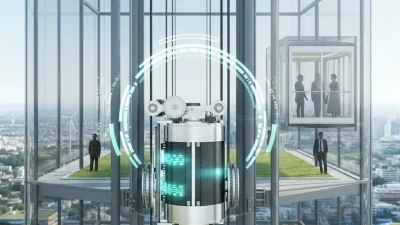
When you think about modern skyscrapers and tall buildings, one thing that often gets overlooked is the elevator motor. But honestly, it's kind of the backbone of smooth, reliable vertical movement—whether you're transporting people or goods. At Zhuhai Link Industrial Co., Ltd., we've been around since June 2017, and we totally get how important those high-tech elevator motors are for keeping things running without a hitch. Every year, we're proud to sell over 200 units, all built with the latest motor tech to make sure we're delivering top-notch elevator solutions. In this article, we’re gonna take a closer look at these motors—how they work, the different types out there, and the latest innovations shaping what’s next for vertical transport. By understanding what’s really happening inside elevators, everyone—from engineers to building owners—can better appreciate how these motors play a huge role in safety, efficiency, and the overall user experience today’s buildings offer.
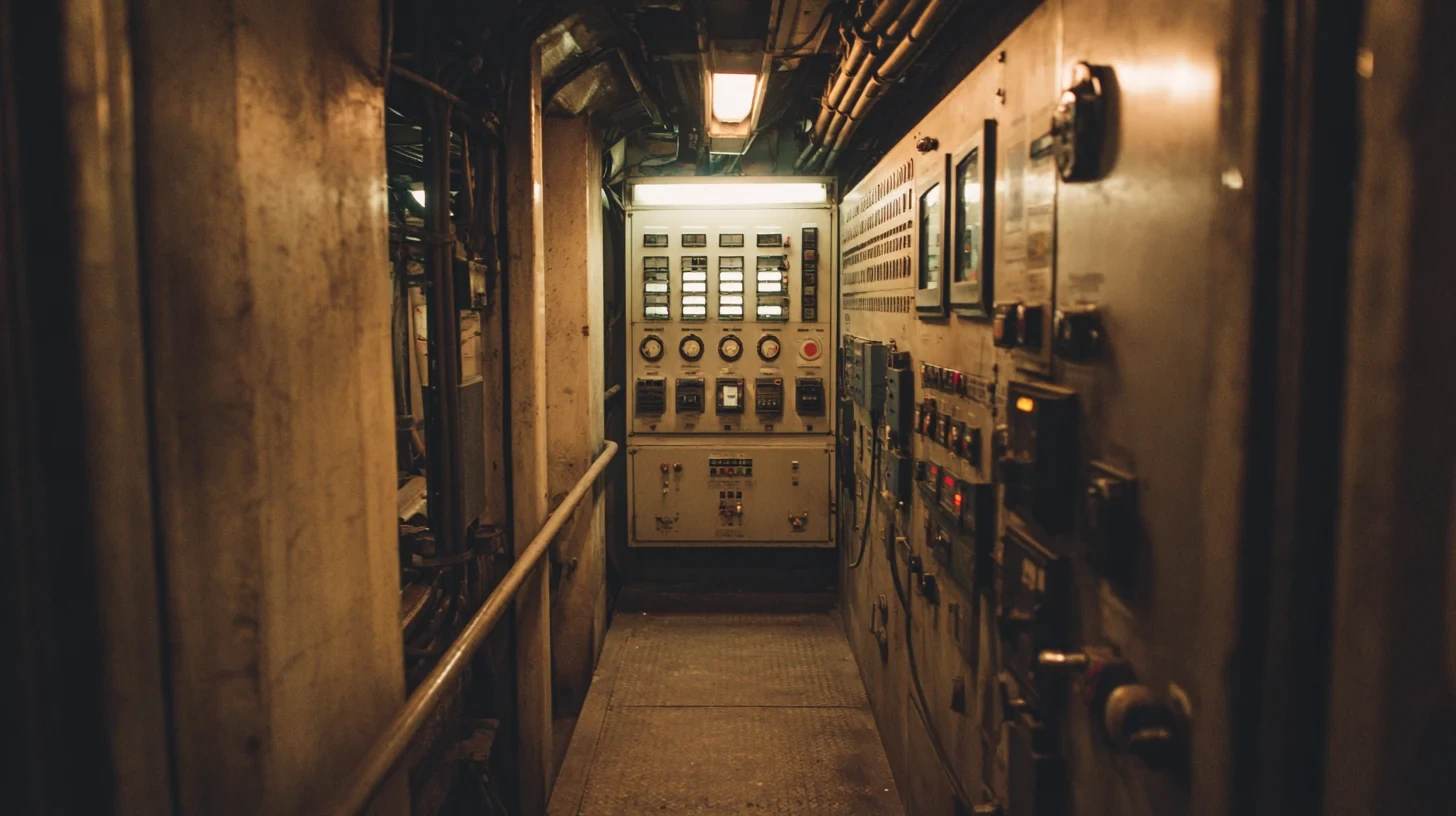
How Elevator Motors Work and Their Role in Vertical Transportation
Elevator motors are pretty much the backbone of modern skyscrapers and urban transportation. They’ve totally transformed how we get around in cities, making vertical movement smoother and more efficient. Lately, the industry’s been buzzing about some exciting new tech—especially innovative motor designs that boost both efficiency and sustainability. By 2030, experts predict the global market for elevators and escalators will hit around USD 113.8 billion, thanks to the rising demand for smarter, more advanced transport solutions in busy urban areas. Plus, with the rise of smart elevator systems powered by cutting-edge AI, we're seeing big improvements not just in energy savings but also in saving time. These systems are turning elevators into more than just a way to go up and down—they’re becoming a key part of smart building setups.
All these cool advancements mean new motor tech is stepping up to set higher standards. For example, some of the latest drive systems are designed to give better control while using less energy—definitely a step forward in addressing the industry’s carbon footprint issues. Researchers are also working on analyzing the total power consumption of elevator fleets—think cities like New York—so we can figure out better energy policies down the line. These changes really show how the industry is committed to being more eco-friendly, making sure that elevators help people move upward while also being kinder to the planet.
Different Types of Elevator Motors: Features and Applications
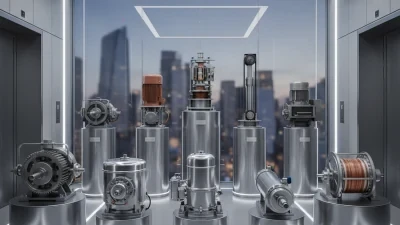
Elevator motors are pretty much the backbone when it comes to making modern elevator systems work smoothly and reliably. There are a bunch of different kinds out there, each suited for specific needs. For example, geared AC motors are pretty common in freight elevators because they’re tough and can handle heavy loads without breaking a sweat. On the other hand, gearless AC motors are often the go-to for passenger elevators in tall buildings—they run quietly and efficiently, giving a smoother ride. According to a report by Mordor Intelligence, the global elevator market is expected to hit around $123.5 billion by 2026. That’s mainly because more and more cities are demanding better vertical mobility, especially in crowded urban areas.
Understanding Elevator Motors: The Heart of Modern Vertical Transportation Systems
| Type of Elevator Motor | Motor Efficiency (%) |
|---|---|
| Gearless | 90 |
| Geared | 85 |
| Hydraulic | 75 |
| Machine-Room-Less | 80 |
| Traction | 95 |
Key Components of Elevator Motors: What Makes Them Function?
When you're talking about how modern elevator systems work, it’s really helpful to understand the main parts of their motors that make vertical travel smooth and efficient. Basically, the core of these systems hinges on a few key things—like the type of motor, the drive mechanism, and the control systems. I came across a report from the International Elevator and Escalator Industry (IEEI), which says that more than 60% of elevators today are using gearless traction motors. These are a big deal because they’re more efficient and need less maintenance compared to the old-school geared motors.
Another thing worth mentioning is the drive system because it’s what influences how quiet and smooth the ride actually feels. These days, variable frequency drives (VFDs) are becoming pretty popular—they adjust the motor's speed and torque on the fly, leading to a much more comfortable ride. According to Elevator World magazine, elevators powered by VFDs can actually cut energy use by around 30%. That’s a pretty compelling reason to go for them in any new building or upgrade.
A couple of tips if you’re picking out motors—look for ones that are super energy-efficient and modular, so they’re easier to upgrade or service. And don’t forget, regular maintenance is key. Keeping everything in good shape not only helps prevent expensive breakdowns down the line but also helps your elevator last longer and run smoother overall.
Maintenance Best Practices for Elevator Motors to Ensure Reliability
Taking good care of elevator motors really is a big deal if you want your building's vertical transit to run smoothly and without hiccups. Did you know that, according to the American Society of Mechanical Engineers (ASME), a quarter of all elevator breakdowns actually happen because of mechanical issues that could’ve been prevented with proper maintenance? It’s honestly worth setting up regular inspections and upkeep—things like checking the motor's temperature, lubricating moving parts, and making sure electrical connections look solid. These little routines can make a huge difference and help avoid those annoying (and costly) unexpected elevator outages?
On top of that, if you’re into being even more proactive, using predictive maintenance strategies can really boost the lifespan of your elevator motors. The National Elevator Industry, Inc. (NEII) reports that smart monitoring systems can cut down maintenance costs by up to 30%. These systems keep an eye on motor performance and flag potential issues early, so you can fix things before they turn into big problems. Taking this kind of proactive approach means less disruption, less money spent on repairs, and generally a safer, more reliable elevator system. In the end, making maintenance a priority isn’t just a good idea—it’s pretty much essential if you want things to run smoothly and safely down the line.
Future Trends in Elevator Motor Technology and Sustainability
The future of elevator motor tech is really starting to shake hands with sustainability, you know? It’s like the industry is under more and more pressure to cut down energy use and boost efficiency. I came across some reports from McKinsey that say the global elevator market might hit about $120 billion by 2025, and a big chunk of that growth is thanks to eco-friendly tech. Things like regenerative drives and super-efficient motors are changing the game—they let elevators reuse energy when they go down and send it back to the grid. This can actually cut down overall energy consumption by up to 30%, which is pretty impressive.
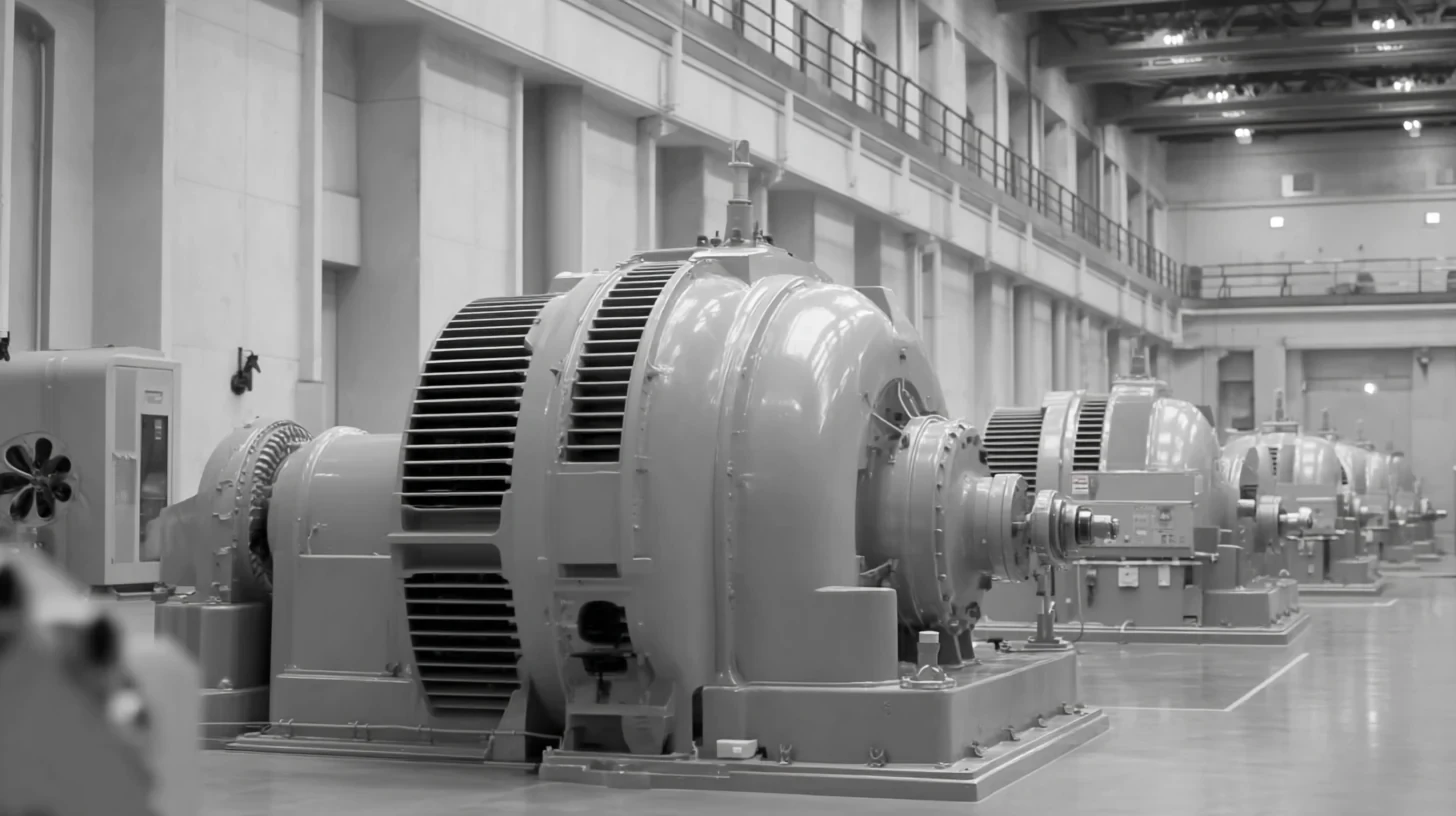
And it doesn’t stop there. Thanks to digital tech, elevators are becoming smarter than ever. A study by Research and Markets highlights how adding IoT into elevator systems isn’t just about making things run smoother—it also helps predict when maintenance might be needed, so you don’t end up with unexpected breakdowns. That means less downtime and less waste, pretty much fitting right into green building goals. Dusting off the usual materials and going for more sustainable options in motor parts is another move that’s helping reduce overall carbon footprint. All these trends are shaping a future where elevators do their part to make our cities greener and more efficient—and honestly, it’s pretty exciting to see where it’s heading.
Common Issues with Elevator Motors and Troubleshooting Tips
Elevator motorsare pretty essential when it comes to making sure modern Lifts run smoothly, but they definitely come with their fair share of issues. You might notice things likeoverheating, weird noises, or the elevator not moving at a steady pace. Overheating usually happens if the motor is working too hard or if there's not enough ventilation—this can even lead to the motor failing sooner than it should. That’s why regular check-ups and maintenance are so important; they help catch these problems early before they turn into bigger headaches, keeping the elevator safe and running efficiently.
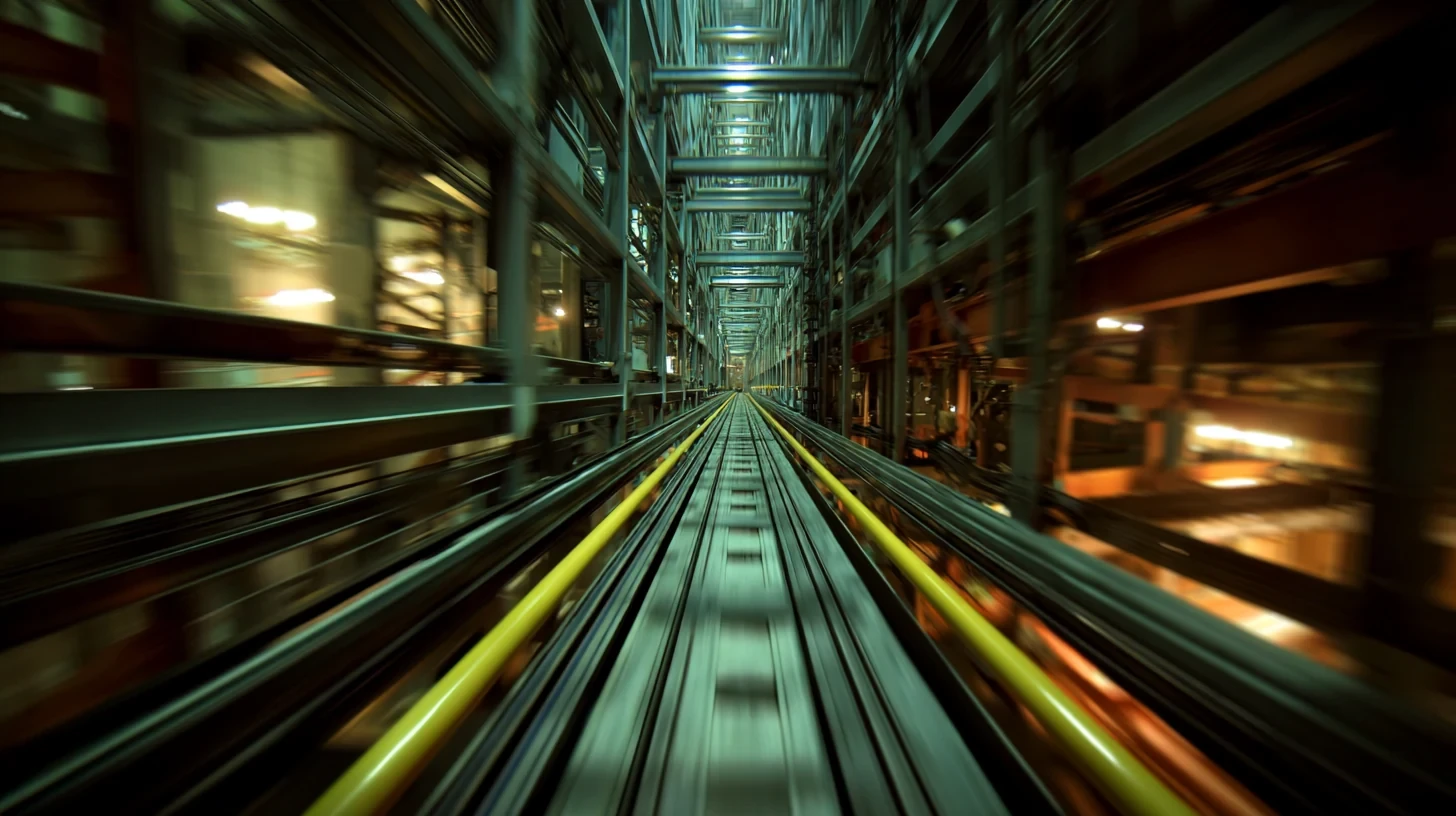
Then there’s the noise factor—strange sounds often mean something’s off, like bearings wearing out or parts being out of alignment. Tackling these noises sooner rather than later can save you money on repairs and avoid more damage down the road. As for the inconsistent speed, it could point to electrical issues or glitches in the motor control system. Usually, the fix involves checking the wiring and making sure the motor itself is in good shape. By staying attentive and addressing these common problems as they come up, elevators can stay reliable and perform at their best, which means a better experience for everyone using them.
FAQS
: The key components include the motor type, drive system, and control mechanisms, with a significant focus on gearless traction motors for higher efficiency and reduced maintenance.
Gearless traction motors are preferred because they offer higher efficiency and reduced maintenance needs, making them a better choice for modern elevators.
VFDs control motor speed and torque, leading to smoother and quieter elevator operation, and can improve energy efficiency by up to 30%.
When selecting elevator motors, it is important to prioritize high energy efficiency ratings and modular designs, along with scheduling regular maintenance checks.
Future technology will focus on reducing energy consumption through innovations like regenerative drives, high-efficiency motors, and incorporating IoT, leading to smarter and more eco-friendly elevator systems.
The global elevator market is expected to reach $120 billion by 2025, largely driven by the adoption of eco-friendly technologies.
Regenerative drives allow elevators to harness energy during descent and return it to the grid, which helps to minimize overall energy use by up to 30%.
The integration of IoT enhances operational efficiency and enables predictive maintenance, reducing downtime and aligning with green building principles.
The use of sustainable materials in motor construction helps decrease the carbon footprint associated with elevator manufacturing.
Embracing eco-friendly technologies allows the elevator industry to significantly contribute to sustainability efforts in urban environments, reducing energy consumption and environmental impact.
Conclusion
Elevator motors are really the backbone of modern vertical transportation—without them, things just wouldn't run smoothly. If you ask me, getting how these motors work, along with knowing the different types out there, is pretty much essential for keeping elevators reliable and safe. They're made up of key parts that ensure everything operates seamlessly and securely, and taking good care of them through proper maintenance is super important if you want your elevator to last and avoid those annoying downtime moments.
Now, as Zhuhai Link Industrial Co., Ltd. keeps rocking the scene with sales, installs, and maintenance—selling over 200 units a year—it's more important than ever to stay in the loop about new trends in elevator motor tech and eco-friendly stuff. Plus, knowing common problems and simple troubleshooting tricks can really help keep those motors reliable, making the whole vertical transportation experience smoother for everyone.
Honestly, staying on top of this stuff means elevators will keep working well, and everyone gets where they need to go without a hitch.
Related Posts
-
The Evolution of Elevator Motor Technology for Global Industrial Leaders
-
How to Choose the Best Elevator Control Panel for Your Business Needs
-

Future of Elevator Technology in 2025 Embracing Best Anti-Microbial Solutions
-

Mastering the Essentials: A Comprehensive Tutorial on the Best Elevator Display Boards for Global Buyers
-
7 Amazing Facts About Elevator Components You Didnt Know
-
Elevating Global Standards in Lift Control Panels with Quality Chinese Manufacturing