Hey, if you're into the elevator business or just trying to keep up, you’ve gotta understand the essential parts that make these systems tick. The global elevator market is booming — it’s expected to hit around $111 billion by 2026! That just goes to show how critical reliable elevator equipment really is. Industry pro John Smith once said, “Choosing the right elevator components can really make or break operational efficiency and safety.” And honestly, that’s so true. Knowing your elevator parts, lift components, and all those little accessories isn’t just technical stuff — it’s the foundation of your business.
Keeping up with elevator modernization is a must. The market today has some pretty cool advancements, like smart spare parts that boost both performance and sustainability. But a lot of companies tend to overlook some key aspects, which can lead to problems down the line, like inefficiencies and safety issues. Each elevator setup is kinda unique, so the spare parts you pick should match that specific system — no one-size-fits-all here.
With so many options out there, having an expert guiding you really makes all the difference. It’s easy to confuse elevator accessories with lift accessories, and that could actually jeopardize safety. Having the right knowledge isn’t just helpful — it can totally change how your business runs. Did you know that well-maintained elevators can increase user satisfaction by over 30%? Investing in quality components and embracing modern tech isn’t just a luxury anymore — it’s essential if you want to grow and stay reliable in this industry.
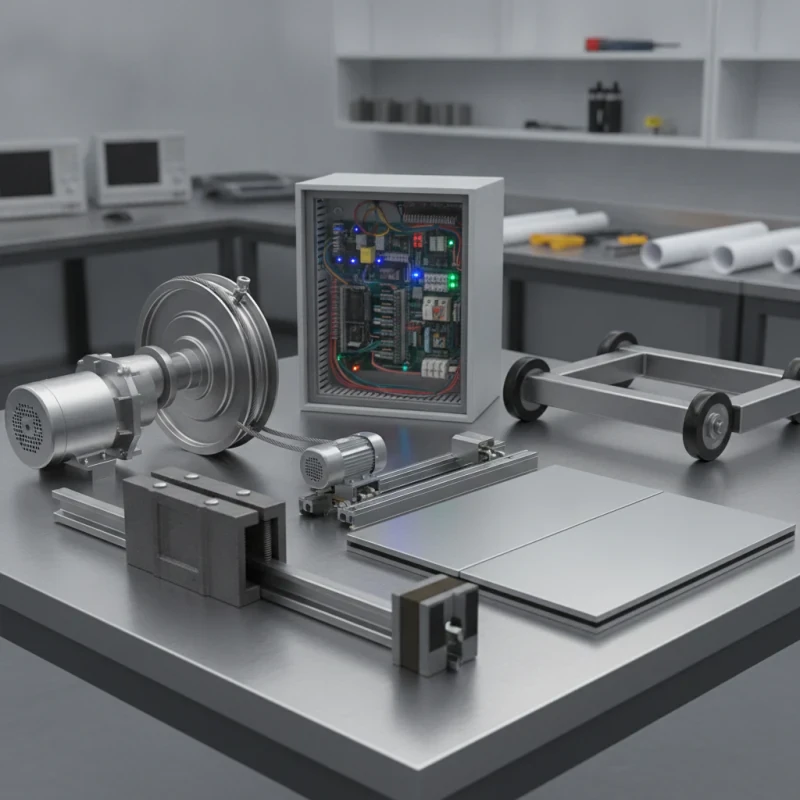
Understanding Elevator Systems: Key Components Overview
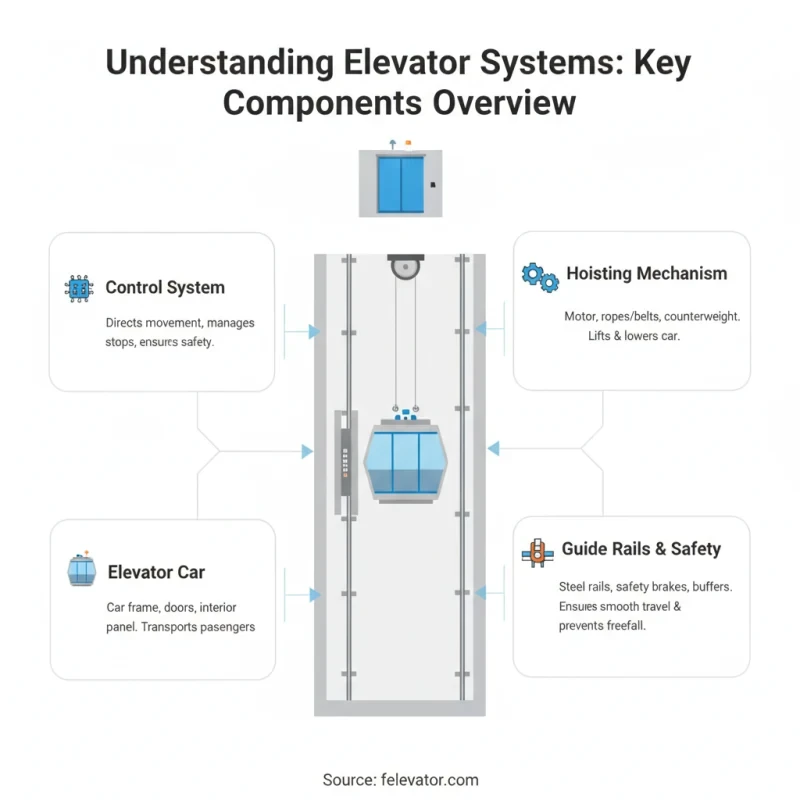
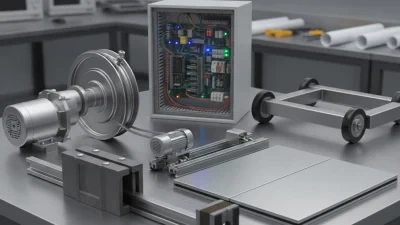
Elevator systems play a critical role in modern buildings. Understanding the essential Elevator Components is vital for maintenance and safety. The various parts of an elevator work together to ensure smooth operation. For instance, the control system is the brain of the elevator. It directs the movement and ensures the correct stops at each floor.
Another important component is the hoisting mechanism. It consists of pulleys and cables that lift the elevator car. Regular inspections are necessary to prevent wear and tear. Additionally, the door operator system is crucial. It controls the opening and closing of doors safely. Often, these components fail due to neglect or outdated technology.
Safety devices cannot be overlooked. They are essential for protecting passengers. For example, emergency brakes engage when issues arise. Another component, the elevator car itself, requires periodic checks to ensure comfort and safety. Each part must work in harmony. Over time, business owners can overlook these details. A thorough understanding of elevator components can help in making informed decisions for maintenance and upgrades.
Essential Motor Mechanisms in Elevators for Business Efficiency
In the world of elevators, understanding essential motor mechanisms is key to business efficiency. These components dictate how smoothly and reliably an elevator operates. For many businesses, a malfunctioning elevator can lead to downtime and lost productivity. The right motor ensures that elevators move smoothly and respond quickly.
Electric and hydraulic motors play vital roles in elevators. Electric motors are often favored for their energy efficiency. They provide seamless transitions between floors. Hydraulic systems, however, excel in lifting heavy loads. Understanding the balance of these mechanisms can enhance operational effectiveness. Regular maintenance is critical. Neglect can lead to unexpected breakdowns.
Equipping your elevator system with the right motor means understanding its needs. Businesses often overlook how integral these motors are to daily operations. A minor issue can escalate into significant operational disruptions. Staying informed about motor capabilities can prevent costly repairs and improve overall service efficiency.
The Role of Safety Devices in Ensuring Elevator Reliability
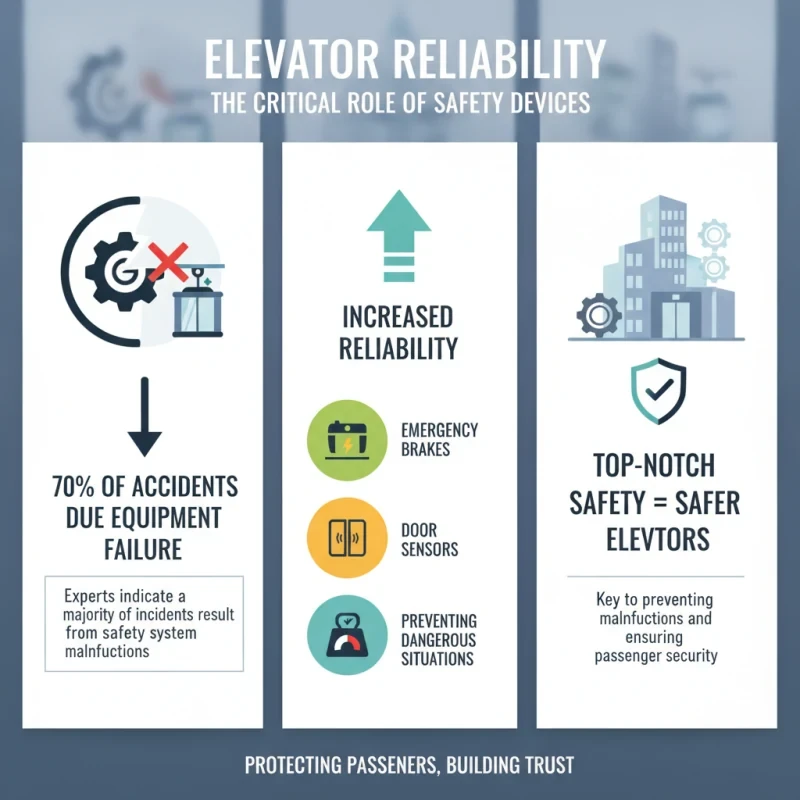
Safety devices play a critical role in ensuring the reliability of elevators. Experts indicate that about 70% of elevator accidents are caused by equipment failure. These incidents highlight the importance of maintaining top-notch safety systems in elevating technology. Safety features like emergency brakes, door sensors, and overload indicators significantly contribute to preventing dangerous situations.
Studies show that effective safety devices can reduce elevator-related injuries by up to 80%. This reduction affirms the immense value of investing in reliable safety mechanisms. Businesses must choose to prioritize these components to protect their employees and clients. Regular inspection of Bucket Elevator Components is essential for operational safety.
Tip: Always conduct routine maintenance checks on safety devices. Even new equipment can have faulty parts. A small oversight might lead to significant repercussions. Another tip: never ignore an unusual sound or movement in the elevator. These may be signs that safety features are not functioning correctly. Staying vigilant can help maintain a safe environment.
Importance of Control Panels in Elevator Operation Management
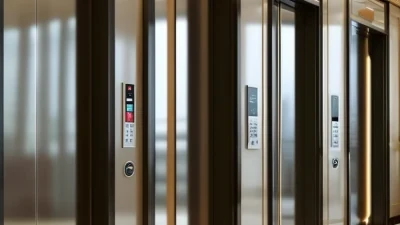
Control panels play a critical role in elevator operation management. They represent the brain of the elevator system. Properly designed control panels ensure efficient communication between various elevator components. This communication can directly impact operational safety and efficiency.
Data from the National Elevator Industry estimates that well-maintained control systems can reduce energy consumption by up to 20%. This reduction is significant for businesses looking to minimize costs. Regular checks on control panels can enhance overall performance, ensuring elevators run smoothly.
Tip: Schedule routine maintenance for your control panels. Regular inspections are vital in identifying potential issues before they escalate.
Understanding Hydraulic Elevator Components is essential for effective management. These components include valves, pistons, and control circuitry. Together, they influence the speed and efficiency of elevators. Investing in high-quality components ensures safety and reliability.
Tip: Keep a log of maintenance activities. This documentation helps track performance and detect patterns. Regular updates can lead to informed decisions about repairs and upgrades.
Insights on Elevator Cab Design for Customer Experience Enhancement
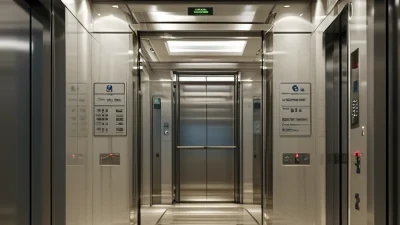
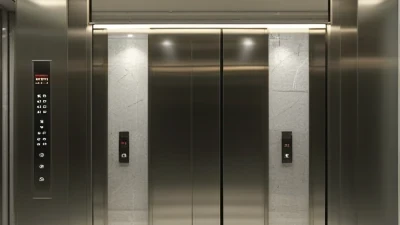
Elevator cab design significantly impacts customer experience. Research from the Elevator World indicates thatover 70% of users base their first impressions on elevator aesthetics. A clean, well-designed cab can elevate your brand perception. Thoughtful design can create a welcoming atmosphere.
[Insert Image] Lighting plays a vital role in this aspect. Soft, ambient lighting can reduce anxiety. According to the American Society of Interior Designers, well-lit spaces improve user comfort by 36%. Materials matter too. Durable yet stylish finishes contribute to a sense of luxury, influencing customer satisfaction.
Incorporating technology can enhance interaction. Touchless controls reduce germ transmission, a growing concern among users. A study found that 80% of people prefer elevators with modern technology. It’s essential to assess these elements continually. Skipping the user feedback phase can lead to missed opportunities for improvement in customer satisfaction. Investing in thoughtful cab design proves crucial for business growth.
Maintenance and Inspection Essentials for Elevator Longevity
Regular maintenance and inspection of elevators are crucial for ensuring their longevity. Routine checks can identify potential issues early. This proactive approach helps prevent costly repairs and reduces downtime. For instance, a simple door alignment issue can escalate if ignored. Regular inspections can prevent such problems from becoming more severe.
Knowing essential elevator components assists in understanding maintenance needs. Items like cables, pulleys, and control systems must be monitored closely. Cables should be checked for wear and fraying regularly. Inspections of the machine room are also vital. Dust accumulation can affect performance. Keeping the area clean is often overlooked but necessary.
Elevator safety relies heavily on expert knowledge. Training staff on basic inspection techniques can be beneficial. They can spot early signs of trouble. However, this doesn't replace the need for professional servicing. Even minor concerns should be assessed by a qualified technician. Balancing in-house training with expert checks ensures safety and efficiency.
Top 5 Elevator Components You Need to Know for Your Business
| Component | Function | Maintenance Frequency | Inspection Essential | Average Lifespan (Years) |
|---|---|---|---|---|
| Hoisting Machine | Lifts the elevator car | Monthly | Visual and functional checks | 20 |
| Safety Mechanism | Prevents free fall | Annually | Functional testing | 15 |
| Control System | Manages elevator operations | Quarterly | Software updates and tests | 10 |
| Door Operators | Controls opening and closing of doors | Biannually | Operational tests and lubrication | 12 |
| Ropes or Cables | Support the elevator car weight | Monthly | Wear inspection | 15 |
Future Trends in Elevator Technology and Component Innovations
The elevator industry is experiencing significant transformations driven by technological advancements. Innovations in elevator components, such as smart sensors and energy-efficient systems, lead the charge. A recent report from the International Association of Elevator Engineers indicates that smart technology could enhance efficiency by up to 30%. Moreover, the integration of AI systems in monitoring elevator performance is not just a trend; it’s becoming a necessity.
Elevator Door Components, in particular, are evolving to meet safety and accessibility standards. New designs reduce the risk of accidents, while automated features improve usability for individuals with disabilities. According to the National Elevator Industry, elevators equipped with modern door sensors have seen a drop in door-related incidents by 25%. These trends highlight the importance of prioritizing safety as technology progresses.
As businesses look to the future, the incorporation of sustainable practices in elevator design is vital. Energy-efficient motors and regenerative drives are not merely enhancements; they reflect a growing awareness of environmental impacts. Yet, challenges remain. Many older buildings are not equipped for these emerging technologies. Retrofits can be costly and complex. As a result, companies must navigate these transitions thoughtfully, weighing benefits against potential hurdles. Balancing innovation with practicality is crucial for future growth in the elevator industry.
Top 5 Elevator Components You Need to Know
| Label | Importance Rating (1-10) |
|---|---|
| Control Systems | 9 |
| Traction Machines | 8 |
| Safety Devices | 7 |
| Doors & Door Operators | 8 |
| Cabins & Interiors | 7 |
FAQS
: Control panels are essential as they facilitate communication between various elevator components, ensuring safety and efficiency.
They can reduce energy consumption by up to 20%, helping businesses lower costs significantly.
Regular inspections are recommended to identify potential issues early and maintain smooth elevator operation.
Key elements include lighting, materials, and technology, all of which impact user comfort and perception.
Good ambient lighting can reduce anxiety and improve user comfort by 36%, enhancing the overall experience.
Skipping user feedback can result in missed opportunities to enhance customer satisfaction and overall experience.
Innovations like smart sensors and AI monitoring are improving efficiency and performance monitoring in elevators.
New designs include modern door sensors that reduce door-related incidents by 25%, enhancing user safety.
Energy-efficient motors and regenerative drives are essential for minimizing environmental impacts and promoting sustainability.
Retrofitting older buildings can be costly and complex, making transitions to modern technologies difficult.
Conclusion
Understanding essential Elevator Components is crucial for businesses that rely on efficient vertical transportation. Key elements include motor mechanisms that drive the system's performance, as well as safety devices that ensure reliable operation and protect users. Control panels play a vital role in managing elevator operations, enhancing user experience while maintaining operational efficiency.
Additionally, the design of the elevator cab can significantly impact customer satisfaction, making it an important consideration for business owners. Regular maintenance and inspection are necessary for the longevity of these systems, ensuring they operate smoothly over time. Finally, staying informed about future trends and innovations in elevator technology will help businesses remain competitive and meet evolving customer needs.
Related Posts
-
How the Best Elevator Components Enhance Safety and Efficiency in High-Rise Building Applications
-
Exploring Unique Examples of Innovative Elevator Components and Their Impact
-
7 Amazing Facts About Elevator Components You Didnt Know
-
Understanding the Essential Role of Elevator Components in Modern Building Infrastructure
-
2026 Top Companies for Best High Quality Silent Elevator Inverters
-

Mastering the Essentials: A Comprehensive Tutorial on the Best Elevator Display Boards for Global Buyers