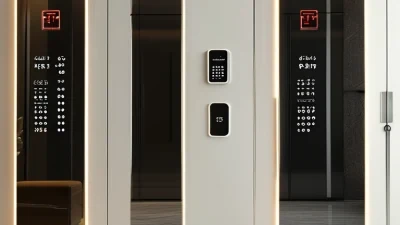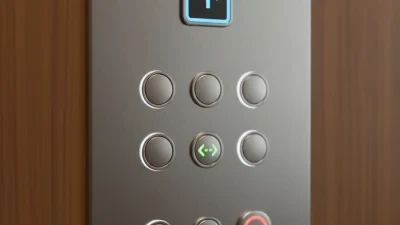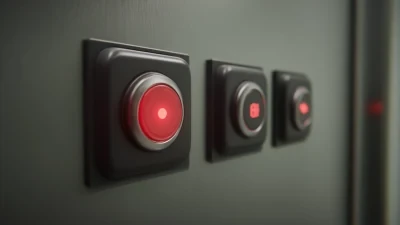
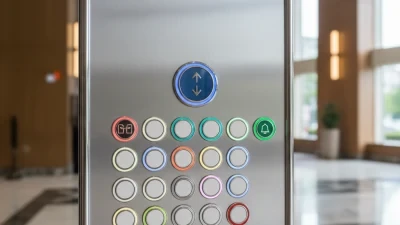
In today’s world, elevators are a big part of our everyday lives, and one thing that really matters is the Elevator Push Button. I was talking to John Smith from Elevate Solutions recently, and he mentioned something pretty interesting—raising the right push button isn’t just about how it looks, but also about improving the user experience and keeping everyone safe. Since elevators are becoming more and more central to city design, choosing the right push button really can’t be taken lightly.
When you’re out shopping around for these buttons, it’s key to think about stuff like how easy they are to use, how tough they are, and what they actually look like. After all, that little button is kind of like the bridge between the person and the elevator, so it plays a huge role in making sure everything runs smoothly. As cities keep growing and developers look for smarter, more functional options, it’s more important than ever to make smart choices about what kind of push button to install.
At the end of the day, opting for the right Elevator Push Button isn’t just about convenience—it can really boost how good the elevator feels to use and even contribute to the overall look of the space. If you understand the different types and what they bring to the table, you can make smarter decisions when investing in your elevator system, making sure it’s safe, reliable, and, let’s be honest, a little more enjoyable for everyone waiting and riding.
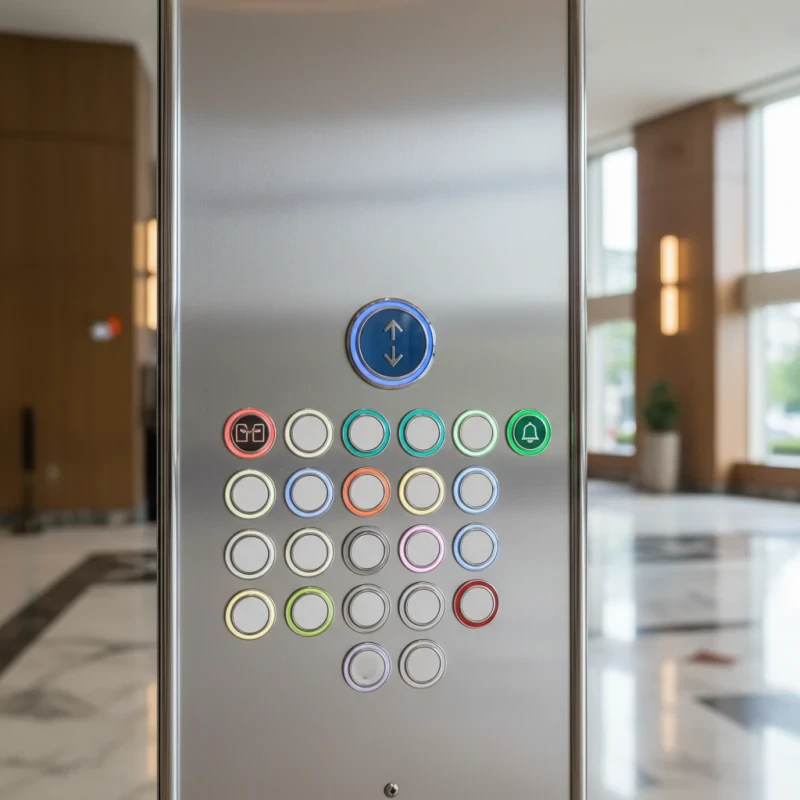
Understanding the Different Types of Elevator Push Buttons
When it comes to selecting the right elevator push button for your specific needs, understanding the different types available is crucial. Elevator push buttons can be categorized into several types, including momentary push buttons, toggle switches, and capacitive touch buttons. Momentary push buttons are commonly found in most elevators, designed to send a signal when pressed, whereas toggle switches can maintain their position until manually changed. Capacitive touch buttons, on the other hand, offer a modern look and are sensitive to touch, reducing wear and tear over time.
One essential tip for choosing the right elevator push button is to consider the user environment. According to the International Elevator and Escalator Industry (IEEI) report, the majority of elevator-related accidents stem from malfunctioning or confusing controls. Thus, prioritizing intuitive design ensures a safer and more efficient user experience. For instance, in high-traffic areas, larger buttons that are easy to locate and operate can significantly improve the overall efficiency of service.
Additionally, it's important to evaluate the material and durability of the push buttons. A study by the National Elevator Industry, Inc. indicates that buttons made from high-quality stainless steel or robust plastic are less prone to wear and environmental damage. Making an informed decision about these features can enhance the longevity and reliability of the elevator system, ultimately leading to reduced maintenance costs and improved user satisfaction.
Key Features to Consider When Selecting Elevator Push Buttons
When selecting elevator push buttons, several key features should be taken into consideration to ensure optimal functionality and user satisfaction. Firstly, the tactile feedback of the push button is a vital aspect. It should provide a noticeable click or response when pressed, allowing users to confidently know their selection has been registered. This feature is particularly important for individuals with visual impairments, as it enhances accessibility and overall user experience.
Another significant element is the durability of the push buttons. Given that these components are frequently used in high-traffic environments, they must be made from robust materials that can withstand wear and tear. Look for buttons that offer protection against dust and moisture, as this will prolong their lifespan and reduce maintenance needs. Additionally, consider options with a network connectivity feature, which can provide real-time data monitoring and improve operational efficiency by alerting maintenance teams of any issues.
Finally, the design and labeling of the push buttons should not be overlooked. Clear, legible signage in contrasting colors can assist users in identifying their desired floors quickly and easily. Furthermore, the button's size and placement should accommodate a variety of users, including those with mobility challenges. Overall, focusing on these key features can help you make an informed decision in selecting the most suitable elevator push buttons for your specific needs.
Assessing the Environmental Conditions for Push Button Durability
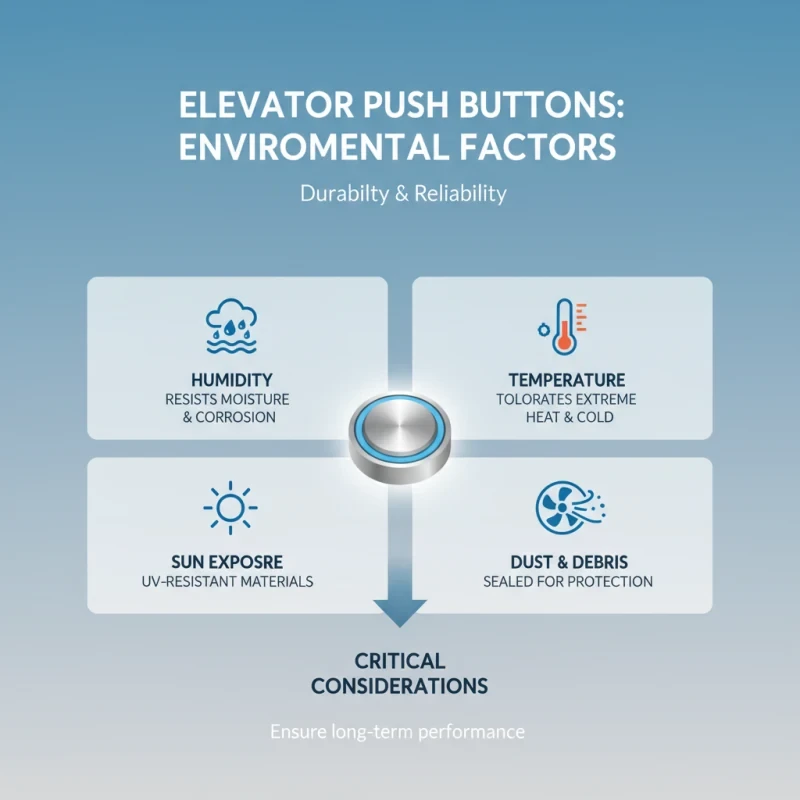
When selecting an elevator push button, one of the most critical factors to consider is the environmental conditions in which the button will be used. Push buttons must be designed to withstand various physical and climatic challenges to ensure durability and reliability. Factors such as humidity, temperature fluctuations, exposure to direct sunlight, and the potential for dust or debris can significantly impact the performance of push buttons over time.
For example, in environments with high humidity, such as coastal areas or locations with frequent rain, selecting push buttons with corrosion-resistant materials becomes essential. These materials can prevent rust and degradation, ensuring long-term functionality. Similarly, in industrial settings where buttons may be exposed to dust, oils, or chemicals, choosing a button with an appropriate sealing rating, such as IP65 or higher, can enhance protection against contaminants, thus prolonging the lifespan of the device.
Temperature extremes also play a vital role in the effectiveness of elevator push buttons. In very cold climates, materials should be chosen that remain functional and responsive at low temperatures, while in hot environments, heat-resistant options are advisable. By carefully assessing these environmental conditions, one can choose push buttons that not only meet aesthetic and functional requirements but also ensure optimal performance and longevity, delivering a reliable solution for years to come.
The Importance of Accessibility Requirements for Push Buttons
When it comes to selecting the right elevator push button, understanding accessibility requirements is paramount. According to the Americans with Disabilities Act (ADA), all elevator controls must be user-friendly for individuals with disabilities. This includes ensuring that buttons are at a height that is accessible to wheelchair users and clearly marked with tactile symbols. A study from the International Association of Elevator Engineers (IAEE) indicates that approximately 15% of the global population lives with some form of disability, underscoring the necessity for manufacturers and building owners to prioritize accessibility in their designs.
Moreover, the design of push buttons should consider auditory and visual needs. The World Health Organization (WHO) reports that more than 5%of the world's population experiences disabling hearing loss, making it essential for elevators to have visual cues in addition to audible signals. Research shows that incorporatingbraille and raised characters not only aids those with visual impairments but also significantly enhances usability for all elevator users. As buildings increasingly focus on inclusivity, selecting push buttons that meet these accessibility standards is not just a requirement but a moral imperative that enhances user experience for everyone.
Comparing Aesthetic Options for Elevator Push Button Design
When it comes to designing an elevator, the aesthetics of push buttons can significantly influence the overall look and feel of the space. From sleek minimalism to vibrant colors, the design of elevator push buttons should reflect the environment they are in. Choosing materials that complement the elevator's interior, such as brushed metals or high-gloss finishes, can create a harmonious integration. Additionally, consider the button shape and size; round, square, or custom designs can add character and make the buttons more ergonomic for users.
When selecting push button aesthetics, it’s essential to keep user experience in mind. Well-designed buttons not only enhance visual appeal but ensure smooth functionality. **Tip 1:** Select buttons with clear markings and intuitive symbols, as this aids users in quickly identifying their desired floor. **Tip 2:** Consider lighting options—illuminated buttons can enhance visibility in low-light conditions and add an elegant touch. **Tip 3:** Think about the finish; anti-fingerprint coatings can maintain the button's pristine appearance longer, especially in high-traffic areas.
Ultimately, the right balance between functional design and aesthetic appeal will ensure that your elevator push buttons contribute positively to the overall user experience while enhancing the visual scheme of the elevator space.
Comparison of Aesthetic Options for Elevator Push Button Design
| Design Options | Popularity (out of 100) |
|---|---|
| Modern | 75 |
| Minimalist | 50 |
| Classic | 65 |
| Industrial | 80 |
| Retro | 40 |
Evaluating Safety Standards for Elevator Push Buttons
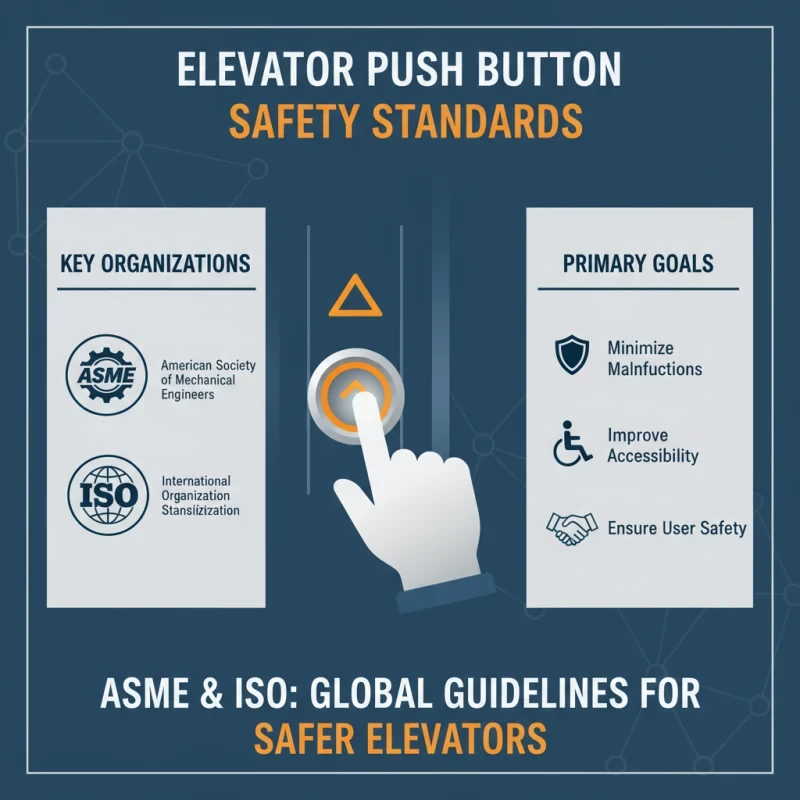
When selecting elevator push buttons, one of the foremost considerations should be the safety standards that govern their design and functionality. The American Society of Mechanical Engineers (ASME) and the International Organization for Standardization (ISO) have established specific guidelines to ensure that elevator components, including push buttons, meet rigorous safety criteria. These standards aim to minimize risks associated with malfunctions and improve accessibility for all users, including those with disabilities.
Moreover, evaluating the safety features of elevator push buttons can involve assessing their tactile feedback, visibility, and durability. Buttons should be designed to provide clear tactile markings and bright, contrasting colors to facilitate easy identification, particularly for visually impaired individuals. Additionally, the materials used should withstand frequent use and resist wear, reducing the likelihood of failure over time. Adhering to these safety standards not only enhances user experience but also protects building owners from legal liabilities associated with elevator operation.
Budgeting for Elevator Push Button Installation and Maintenance Costs
When budgeting for elevator push button installation and maintenance costs, it's essential to consider various factors that influence overall expenses. The initial investment for the push buttons themselves can vary widely based on the design, features, and technology. While basic options might seem cost-effective, investing in high-quality buttons with enhanced durability and aesthetic appeal can lead to long-term savings by reducing replacement frequency and maintenance needs.
One tip to keep in mind is to get a detailed estimate from professional installers. This should include not just the cost of the buttons, but also labor charges, installation complications, and any necessary upgrades to existing systems. Additionally, consider incorporating a maintenance plan as part of your budget. Regular maintenance can identify issues early, ensuring smooth operation and prolonging the life of the push buttons.
Another crucial aspect is accounting for potential future upgrades. Technology trends in elevators often lead to improved safety and efficiency, so budgeting for the possibility of replacing or retrofitting your buttons in a few years is wise. By planning ahead, you can manage costs effectively while ensuring your elevator systems remain modern and user-friendly.
Essential Tips for Choosing the Right Elevator Push Button for Your Needs
| Feature | Description | Estimated Cost |
|---|---|---|
| Button Type | Standard push button, tactile button, or smart button. | $10 - $50 |
| Material | Plastic, metal, or waterproof options. | $5 - $30 |
| Installation | Professional installation vs. DIY. | $200 - $500 |
| Maintenance | Regular checks on button functionality. | $50 - $150 per year |
| Compliance | ADA compliance and local regulations. | N/A |
Exploring the Market Trends and Innovations in Elevator Control Systems: A Focus on Mitsubishi's LHB-055AG01 YE602B122A-01 Button Board
The elevator control systems market is experiencing significant advancements, driven by innovations aimed at enhancing operational efficiency and user experience. Among the key components influencing this market is the button board technology, which plays a crucial role in the functionality of elevator systems. The latest innovations incorporate intuitive designs that streamline communication between the user and the elevator, providing seamless access and improving safety standards.
The focus on user-friendly interfaces in elevator control signifies a broader trend toward automation and smart technology. Modern button boards are not only designed for optimal usability but also integrate smart features that allow for real-time monitoring and diagnostics. This evolution in design ensures that users have quicker access to elevators while minimizing waiting times and improving overall operational efficiency. Additionally, the implementation of energy-efficient technologies in these systems highlights the commitment to sustainability in the industry.
As the market continues to evolve, staying ahead of the curve with advanced control systems, particularly with innovations in button boards, is essential. These advancements not only cater to the growing demands for convenience and safety in urban environments but also reflect the industry's dedication to adopting technology that benefits both operators and users alike.
FAQS
: Elevator push buttons can be categorized into momentary push buttons, toggle switches, and capacitive touch buttons. Momentary buttons send a signal when pressed, toggle switches maintain their position until changed, and capacitive touch buttons are touch-sensitive and reduce wear over time.
The user environment is crucial in selecting elevator push buttons. In high-traffic areas, larger buttons that are easy to locate and operate can enhance efficiency and ensure a safer user experience.
High-quality stainless steel and robust plastic are recommended materials for elevator push buttons, as they are less prone to wear and environmental damage, leading to improved longevity and reliability.
It is important to consider safety standards established by organizations such as the American Society of Mechanical Engineers (ASME) and the International Organization for Standardization (ISO), which ensure that push buttons meet rigorous safety criteria.
Safety features include tactile feedback, visibility with bright and contrasting colors, and durability to withstand frequent use, all of which contribute to a safer experience for users, especially those with disabilities.
Adhering to safety standards enhances user experience, minimizes risks associated with malfunctions, and protects building owners from possible legal liabilities related to elevator operation.
Intuitive design is crucial as it helps prevent confusion and accidents related to malfunctioning controls, ultimately ensuring a safer and more efficient user experience.
Selecting durable materials for elevator push buttons can lead to reduced wear and tear, which in turn lowers maintenance costs and improves overall user satisfaction.
Tactile feedback is vital as it helps users, especially those with visual impairments, to easily identify and operate the buttons, enhancing overall safety and accessibility.
Conclusion
Choosing the right Elevator Push Button is crucial for ensuring efficient and safe operation in various environments. Understanding the different types of elevator push buttons is the first step, as each type serves distinct functionalities. When selecting buttons, consider key features such as durability, accessibility, and compliance with safety standards to meet both user needs and regulatory requirements.
Furthermore, assessing the environmental conditions where the buttons will be installed can help determine their longevity and performance. Aesthetic options should also be evaluated to maintain a cohesive design with the elevator's interior. Lastly, budgeting for both installation and maintenance costs is essential for ensuring long-term satisfaction and functionality of the elevator push buttons. Overall, a thoughtful approach to these aspects will lead to a successful selection that enhances the elevator experience.
Related Posts
-
How to Select the Perfect Elevator Push Button for Your Building's Efficiency and Safety Needs
-

Future Innovations in Elevator Button Panels: Trends to Watch in 2025
-

Mastering Elevator Safety: Essential Techniques for Choosing the Best Elevator Switch
-
Understanding Import and Export Certifications for the Best Elevator Push Button Industry
-

2025 Top Lift Control Panel Features You Need to Know for Optimal Performance
-
Top 10 Elevator Motor Types and Their Essential Features Explained