These days, as cities keep growing and changing so fast, making sure elevators aresafe and work smoothly is more important than ever. And a big part of that is the elevator push button, which plays a pretty key role in keeping everything running well. I came across a report from the International Association of Elevator Engineers that pointed out—they say choosing high-quality push buttons can really cut down on issues and make the whole experience way better for users. With the global elevator market expected to hit around USD 98.5 billion by 2026, it's pretty clear that going for advanced, reliable buttons isn’t just a good idea—it’s essential, especially for buildings wanting to boost safety and efficiency. 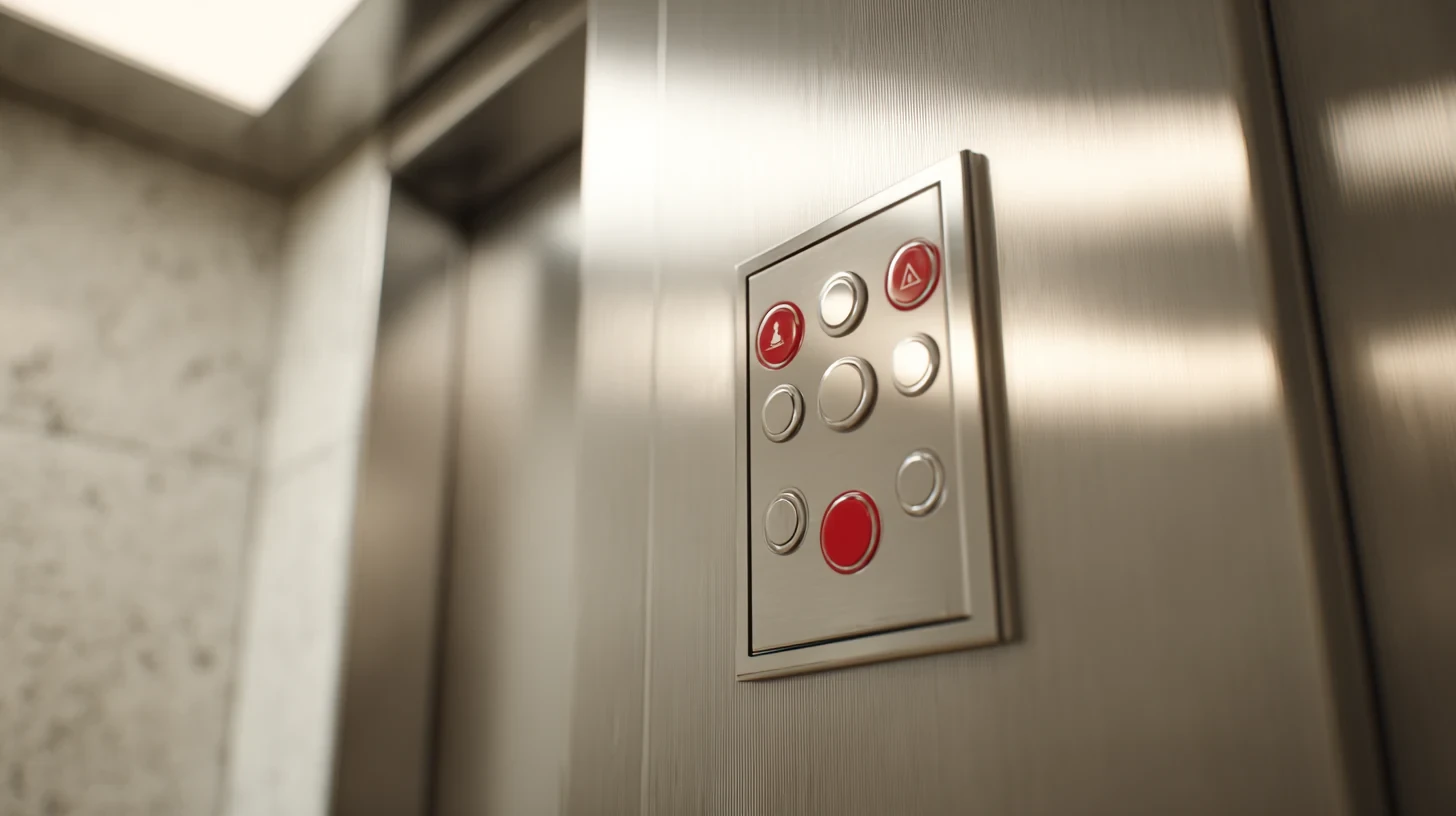 Here at Zhuhai Link Industrial Co., Ltd., we’ve been around since 2017, and we’re all about delivering top-notch solutions when it comes to selling, installing, and maintaining elevators. Each year, we handle over 200 units, so we know a thing or two. Choosing the right elevator push buttons isn’t just about ticking regulatory boxes; it really helps make the entire elevator system work better and keeps people safe in busy urban environments.
Importance of Selecting the Right Elevator Push Button for Building Safety and Efficiency
When you're thinking about building safety and making things run smoothly, picking the right elevator push buttons really makes a difference. Elevators are super important in any multi-story building, and the buttons that control them should be easy to use and safe for everyone. What’s cool is that a well-designed, ergonomic button can make it much easier for everyone—people with disabilities included—to get around comfortably and safely. Plus, buttons with clear labels and tactile feedback can help prevent mix-ups or accidents, especially if you're in a rush or in an emergency situation.
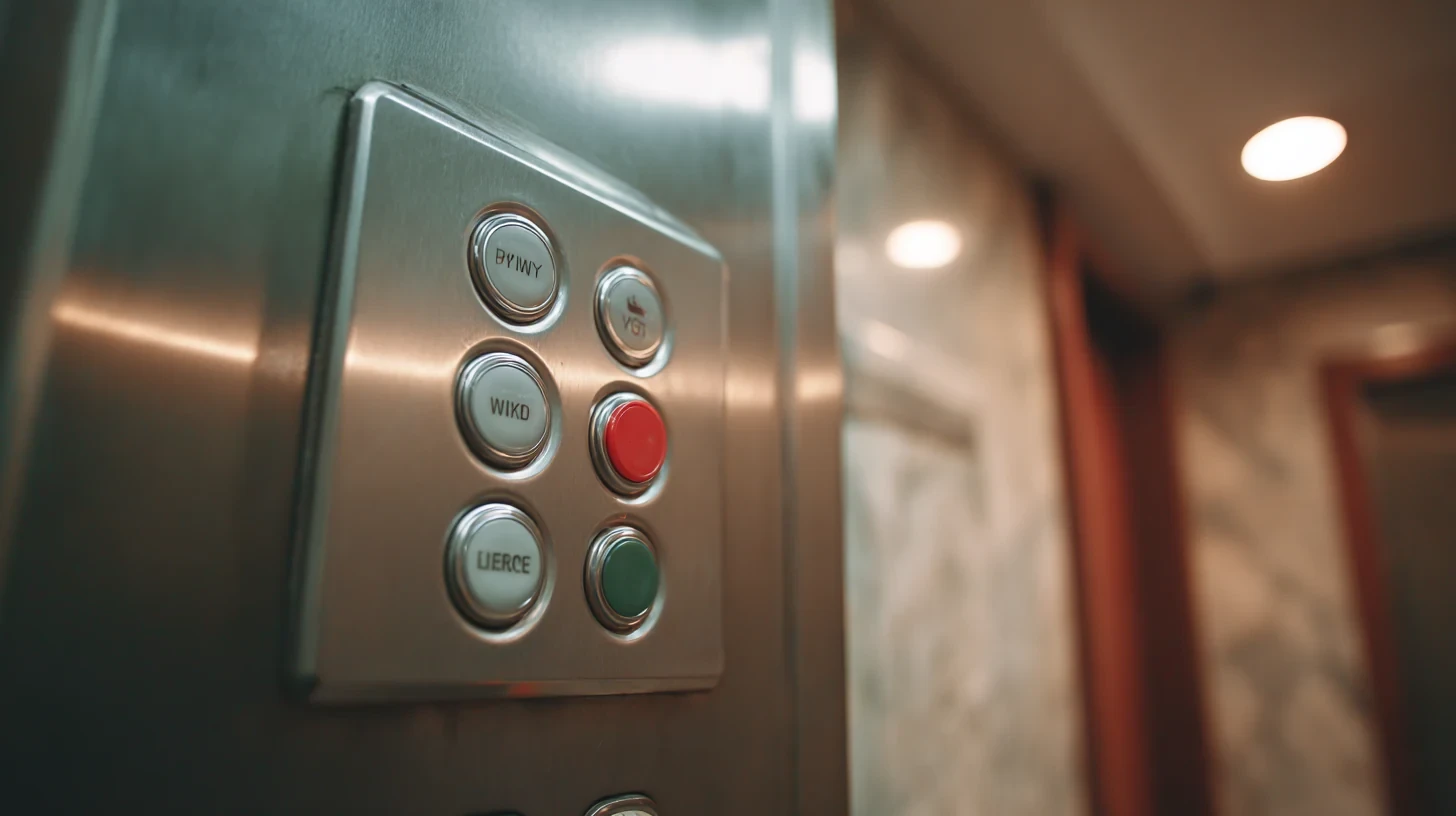
But it’s not just about usability. The durability and how quickly the buttons respond are just as important—they directly affect how smoothly the elevator works. High-quality, wear-resistant buttons not only last longer but also help cut down on repairs and downtime. This all adds up to a better flow of people through the building. And if you go for some smart tech options like touchless buttons or interfaces, that’s a nice bonus—especially in shared spaces—since they reduce contact points and help keep everyone safer. Basically, investing in the right elevator buttons isn’t just about safety. It’s also about making sure everything runs efficiently and giving users a seamless, hassle-free experience.
Understanding Elevator Push Button Types: An Overview of Key Options
When you're picking out the perfect elevator push button, it’s helpful to understand the different types available. You’ve got tactile, luminous, and smart buttons — each one designed to improve safety and efficiency in various settings. Interestingly, a report from the International Elevator and Escalator Industry (IEEI) points out that about 60% of elevator repair calls are due to button issues, which really highlights how important quality and reliable function are for these components.
Tactile buttons tend to be favorites because of their physical feedback — they give you that satisfying click, and they’re especially helpful for folks with visual impairments. Luminous buttons, on the other hand, are great for visibility in darker areas, making them pretty much essential for tall buildings or emergency situations. Then there are the smart buttons that come with IoT tech — these can provide real-time data on usage, which is super handy for smart building projects and even helps cut down on energy costs.
Pro Tip: Think about who will be using the building most. For example, in places with lots of elderly or disabled visitors, tactile buttons are a smart choice.
Another Tip: Check out the materials used for the buttons. Stainless steel and tough plastics tend to hold up better against wear and tear, especially in busy spots. Focusing on functionality from the get-go can really save you a ton on maintenance and make the whole experience better for everyone over time.
Key Considerations for Button Placement: Enhancing Accessibility and Usability
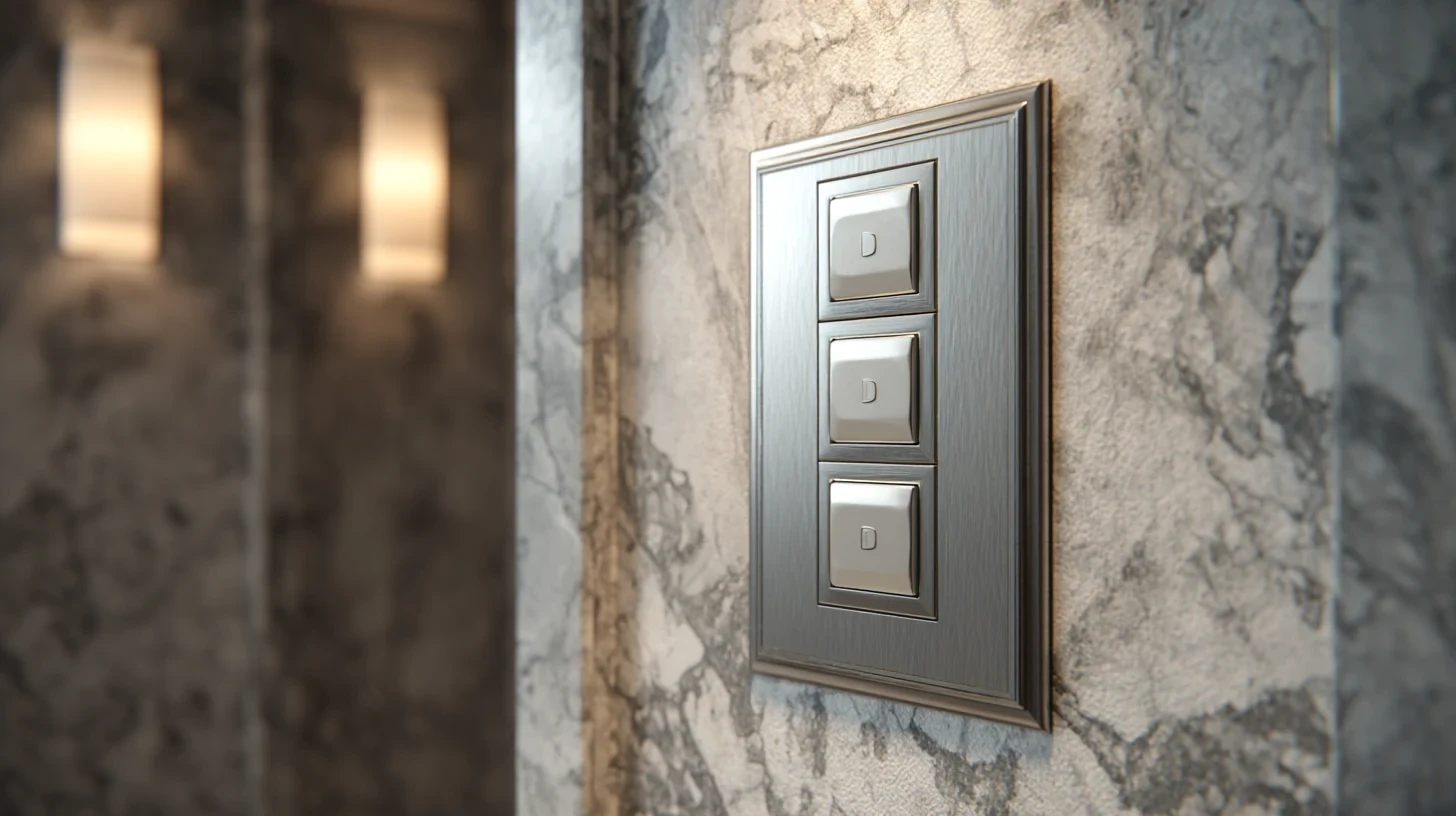
Choosing the right spot for your elevator buttons is actually pretty important if you want people to use it easily and comfortably. Where you place these buttons can really make a difference—like how smoothly folks can get around the building. For example, it’s best to set them around 42 to 48 inches from the ground so everyone, including those in wheelchairs, can reach them without a hassle. Also, putting clear signs nearby helps visitors quickly find the right floor without any confusion.
A quick tip: Think about how people move around the elevator when deciding where to put those buttons. You don’t want them to end up blocking the way or creating any potential tripping hazards when folks are entering or leaving.
Plus, adding some tactile and visual cues can make a big difference. Braille on the buttons is a real help for visually impaired users, and illuminated buttons are great for visibility when it’s a bit dark or gloomy.
Another tip? Keep listening to user feedback. If someone’s having trouble pressing the buttons or can’t find them easily, don’t hesitate to adjust the placement. Small tweaks can go a long way in improving the overall experience. By paying attention to these details, you’ll make your elevator safer, more user-friendly, and just overall better for everyone using it.
Accessibility and Usability of Elevator Push Buttons
| Design Considerations | Importance Level (1-10) |
|---|---|
| Height | 8 |
| Width | 7 |
| Contrast | 9 |
| Icon Size | 6 |
| Tactile Feedback | 8 |
Evaluating Material Durability: Ensuring Longevity in High-Traffic Environments
When you're choosing elevator push buttons, one thing you definitely want to pay attention to is how tough the materials are—especially if you're dealing with busy places like commercial buildings or public spaces. These buttons get a lot of use, day in and day out, so if they aren’t made from sturdy stuff, they can start looking worn or even break down pretty quickly. For example, stainless steel is a pretty popular pick because it resists corrosion and is strong enough to handle all the taps it gets. Plus, it’s a more hygienic choice since it doesn’t easily trap germs, which is a big deal for places that care about cleanliness.
Another thing to think about is the finish on the buttons. Sometimes, a special surface treatment can help make the buttons more resistant to scratches and scuffs—things that tend to happen when they’re used constantly. Also, matte finishes are worth considering because they reduce glare, making it easier for everyone to see the buttons clearly, including folks with visual impairments. In the end, going for push buttons built to last isn’t just about making them last longer—it also helps keep the building running smoothly. Reliable buttons mean fewer malfunctions and less user frustration, which is a win for everyone involved.
Compliance with Safety Standards: Ensuring Regulatory Adherence for Elevators
When you're choosing the perfect elevator push button for your building, it's really important to keep safety standards in mind. Making sure you're compliant with the latest regulations not only helps keep everyone safe but also ensures your building is up to date with current requirements. With fire safety rules around Lift design becoming tighter lately, it’s crucial to pick push buttons that are easy to access and understand — even in emergency situations. A good push button should be straightforward to spot and operate, no matter who’s using it.
How to Select the Perfect Elevator Push Button for Your Building's Efficiency and Safety Needs - Compliance with Safety Standards: Ensuring Regulatory Adherence for Elevators
| Feature | Description | Safety Compliance | Efficiency Benefit |
|---|---|---|---|
| Illuminated Buttons | Buttons with LED lighting for visibility in low-light conditions. | ANSI A117.1 compliant | Improved user experience |
| Braille and Tactile Buttons | Buttons featuring Braille for visually impaired users. | ADA compliant | Accessibility enhancement |
| Durable Materials | Push buttons made of stainless steel or high-impact plastic. | Meets safety durability standards | Longer lifespan and reduced replacement costs |
| Smart Sensors | Touchless activation to reduce germ transmission. | UL certified | Increased efficiency during high-traffic times |
| Customizable Controls | Buttons that can be programmed for specific building needs. | Fulfills building code requirements | Optimizes elevator use for residents |
Maintenance and Upkeep: Best Practices for Elevator Push Button Longevity
When it comes to keeping elevator buttons working smoothly and lasting longer, good maintenance really makes all the difference. The American Society of Mechanical Engineers points out that skipping on proper upkeep can actually bump up repair and replacement costs by about 30% over time—that’s quite a jump! So, staying on top of regular checks and cleaning can save a bunch of hassle and money down the line. Dirt, dust, and grime can mess with how responsive those buttons are, so it’s worth giving them a little TLC from time to time.
Plus, using top-notch materials for the buttons themselves is a smart move. According to international standards, choosing corrosion-resistant and durable composites can seriously boost their lifespan. And don’t forget about user-friendly design—making sure buttons are easy to use, even for folks with disabilities (think ADA compliance), can cut down on accidental damage and misuse. All these little steps can help building managers run their elevators more efficiently, and they’ll also make sure everyone feels safe and happy when using the elevator. It’s all about staying proactive and thinking long-term, right?
FAQS
: The right elevator push button is crucial for building safety as it ensures ease of use for everyone, including individuals with disabilities, helps prevent confusion and accidents, especially in emergencies, and enhances overall access within the building.
Ergonomically designed push buttons facilitate ease of access, making it simpler for all occupants, including those with disabilities, to navigate the building safely and effectively.
Elevator push buttons should have clear labeling and tactile feedback to prevent confusion in emergency situations and ensure that all users can operate the elevator effectively.
Durable push buttons reduce maintenance costs and downtime, which improves the overall efficiency of elevator operations and traffic flow within the building.
Stainless steel is highly recommended due to its corrosion resistance and strength, making it ideal for frequent use and hygienic conditions.
Surface treatments can enhance durability, providing resistance against scratches and scuffs, as well as improving visibility through finishes that reduce glare, benefiting users with visual impairments.
Touchless options minimize contact points, enhancing user safety, particularly in communal spaces, and reducing the risk of germ transmission.
Investing in quality elevator push buttons elevates safety standards, reduces the likelihood of malfunctions, minimizes user frustration, and contributes to seamless operation within the building.
Conclusion
Picking the right elevator push button might seem like a small detail, but honestly, it can make a big difference when it comes to safety and how smoothly things run in your building. The right button doesn’t just work well — it also needs to meet accessibility standards, making things easier for everyone, whether they’re residents, visitors, or staff. There’s a bunch of different types out there, each with their own features and user preferences, so it’s worth thinking about what suits your needs best. And don’t forget about where you place the buttons — a good spot can really improve how easy it is for people to use the elevator without any hassle.
On top of just functionality, durability is super important too, especially in busy places like commercial buildings where buttons get a lot of use. Of course, safety standards should never be overlooked—sticking to regulations helps keep everyone secure. Plus, regular maintenance is key — it’s the best way to keep your elevator buttons working reliably and extend their life. If you're feeling a bit overwhelmed, partnering up with an experienced company like Zhuhai Link Industrial Co., Ltd. can really help you pick the right components and keep everything in tip-top shape tailored to your building’s unique needs.
Related Posts
-

Mastering Elevator Safety: Essential Techniques for Choosing the Best Elevator Switch
-

Future Innovations in Elevator Button Panels: Trends to Watch in 2025
-
7 Essential Tips for Choosing the Best Elevator Accessories
-
Exploring Unique Examples of Innovative Elevator Components and Their Impact
-
Maximizing Value with Best Elevator Control Panels through Superior After Sales Support and Maintenance Savings
-

Essential Tactics for Maximizing Impact with Elevator Display Boards