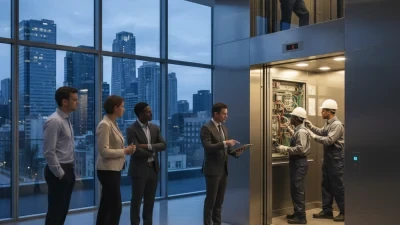

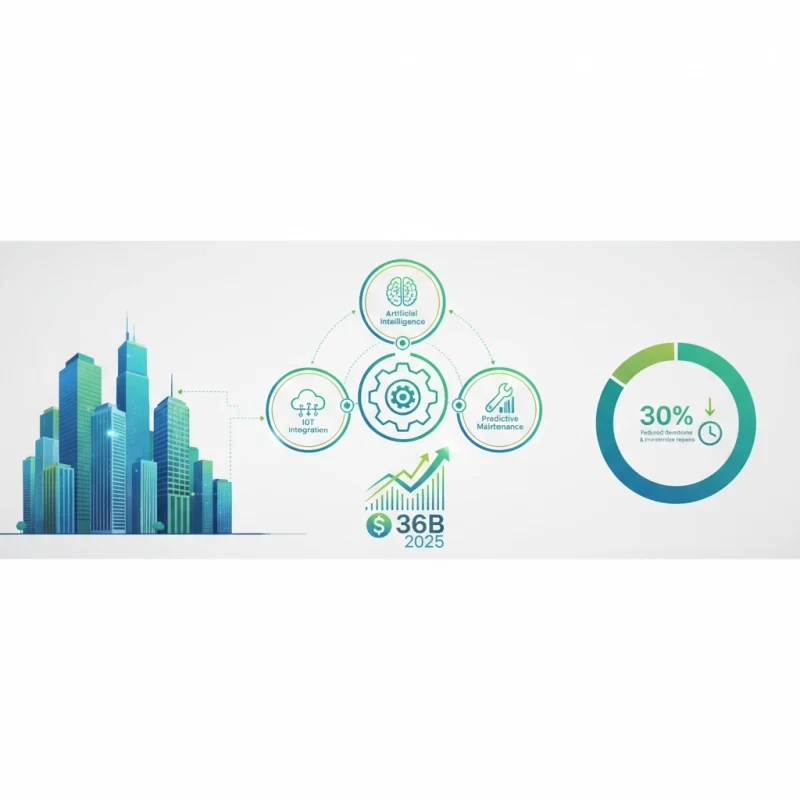
As we edge closer to 2025, it’s pretty clear that the elevator repair world is about to see some major shifts, thanks to new tech and changing market needs. A report from Research and Markets points out that globally, the elevator maintenance and repair industry is expected to skyrocket—to around $36 billion by then. That’s largely driven by the fact that more and more cities are growing, and both homes and offices are packed with elevators. So, it's more important than ever to have reliable and efficient repair services on hand.
With cities getting bigger and older infrastructure needing updates, elevator repair isn’t just about convenience—it’s essential for safety and keeping things running smoothly in tall buildings. New tech like predictive maintenance, AI, and IoT is really changing the game, moving us toward fixing issues before they happen. In fact, Statista reports that about 30% of elevator problems could be caught early using predictive tech, which helps cut down on downtime and saves money.
Staying on top of these trends and gearing up for how repair practices are evolving will be key for folks in the industry. It’s all about staying competitive and making sure you’re ready to meet what clients are looking for in the coming years.
Emerging Technologies in Elevator Repair for 2025
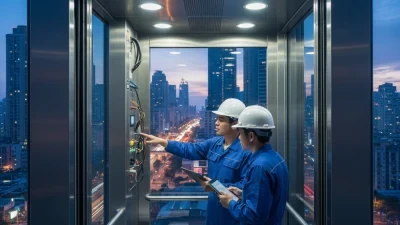
As the elevator repair industry evolves, emerging technologies are set to redefine maintenance practices by 2025. One of the most significant trends is the use of predictive maintenance powered by artificial intelligence and machine learning. According to a report by the International Elevator and Escalator Technology Association, predictive maintenance can reduce unexpected outages by up to 30%, significantly enhancing operational efficiency and user satisfaction. By analyzing data from IoT sensors installed within elevator systems, technicians can anticipate and address potential failures before they disrupt service.
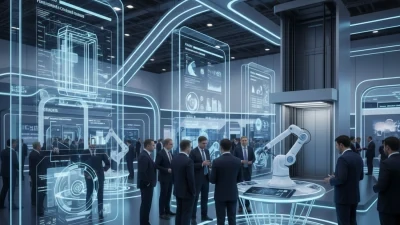
Another key trend is the integration of augmented reality (AR) in repair processes. Industry analyses suggest that AR can streamline training for technicians and enhance troubleshooting capabilities. By overlaying digital information onto the physical world, AR offers real-time guidance during repairs, thereby reducing downtime. This technology allows repair teams to visualize the inner workings of elevator systems without extensive disassembly, ultimately improving accuracy and reducing repair time by as much as 25%, as highlighted in a recent study by Elevate Analytics.
In addition, 3D printing is emerging as a game-changer for producing spare parts more efficiently. With the ability to quickly fabricate components on-site, organizations can minimize inventory costs and expedite repairs, addressing a common pain point in elevator maintenance. A report from the Global Elevator Market Research Group indicates that leveraging 3D printing technology could decrease lead times for spare part delivery by up to 50%, allowing for quicker resolutions and less downtime for elevators in commercial and residential buildings.
The Impact of IoT on Elevator Maintenance Efficiency
The integration of the Internet of Things (IoT) in elevator maintenance signifies a major leap forward in operational efficiency. With IoT-enabled sensors and devices, real-time data collection and analysis become feasible, allowing for proactive monitoring of elevator systems. These sensors can detect anomalies in performance, enabling technicians to address potential issues before they escalate into significant malfunctions. This shift from reactive to proactive maintenance enhances the reliability of elevators, ultimately improving safety and user confidence.
Furthermore, IoT technology streamlines the maintenance process by facilitating communication between elevators and service providers. This connectivity allows for instant reporting of issues, reducing response times and minimizing downtime. For building managers, this means fewer disruptions and a more seamless experience for occupants. Predictive analytics derived from IoT data can also inform maintenance schedules, ensuring that interventions are made at optimal times, thus extending the life of the elevator equipment and reducing overall maintenance costs.
As we approach 2025, the impact of IoT on elevator maintenance is not just a trend; it is set to redefine how we manage vertical transportation systems.
Sustainability Trends in Elevator Repair: Eco-Friendly Materials
As the elevator repair industry continues to evolve, a significant trend towards sustainability is becoming increasingly evident. According to recent studies conducted by the International Association of Elevator Engineers, nearly 60% of elevator repair companies are now prioritizing eco-friendly practices, including the use of sustainable materials. This shift is not only driven by regulatory changes and consumer demand but also by the measurable benefits of reducing the environmental impact associated with traditional repair materials.
In 2025, we can expect a surge in the adoption of biodegradable and recyclable components within elevator repair projects. Research indicates that using eco-friendly materials can reduce a company’s overall carbon footprint by as much as 30%. Additionally, these materials often come from renewable sources, further minimizing the depletion of natural resources. The focus on sustainability is also expected to enhance energy efficiency in elevators themselves, contributing to lower operational costs and promoting a greener built environment.
Industry professionals are also recognizing the benefits of these sustainable practices. With a growing emphasis on corporate social responsibility, companies that incorporate eco-friendly materials into their repair processes are likely to enjoy increased customer loyalty and a stronger market position. As we move towards 2025, the integration of sustainability into elevator repair will not only reshape industry standards but will also encourage a broader commitment to environmental stewardship within the construction and maintenance sectors.
Top Elevator Repair Trends to Watch in 2025
| Label | Adoption Rate (%) |
|---|---|
| Eco-Friendly Materials | 75 |
| Smart Technology Integration | 60 |
| Predictive Maintenance | 70 |
| Energy Efficiency | 50 |
| Modular Upgrades | 40 |
Predictive Maintenance: Reducing Downtime through Data Analytics
Predictive maintenance has emerged as a game-changing strategy in the elevator repair industry, particularly as we look towards 2025. By utilizing data analytics, companies can monitor the performance of elevator systems in real-time, identifying potential issues before they escalate into major problems. This proactive approach not only minimizes downtime but also enhances overall operational efficiency. The integration of sensors and IoT technology into elevator systems enables the continuous collection and analysis of performance data, allowing maintenance teams to formulate data-driven strategies that significantly reduce the frequency and severity of repairs.
As organizations prioritize the safety and reliability of their elevators, predictive maintenance will become an essential component of their operational framework. By leveraging analytical tools, maintenance personnel can predict failures with greater accuracy, plan maintenance schedules more effectively, and allocate resources efficiently. This leads to a better customer experience, as tenants and building managers will benefit from fewer disruptions and improved service availability. The shift to data-centric maintenance practices is transforming the landscape of the elevator repair industry, positioning companies to not only meet rising expectations but also to innovate in how they approach maintenance challenges in the years to come.
Smart Elevators: Integrating AI for Enhanced Performance
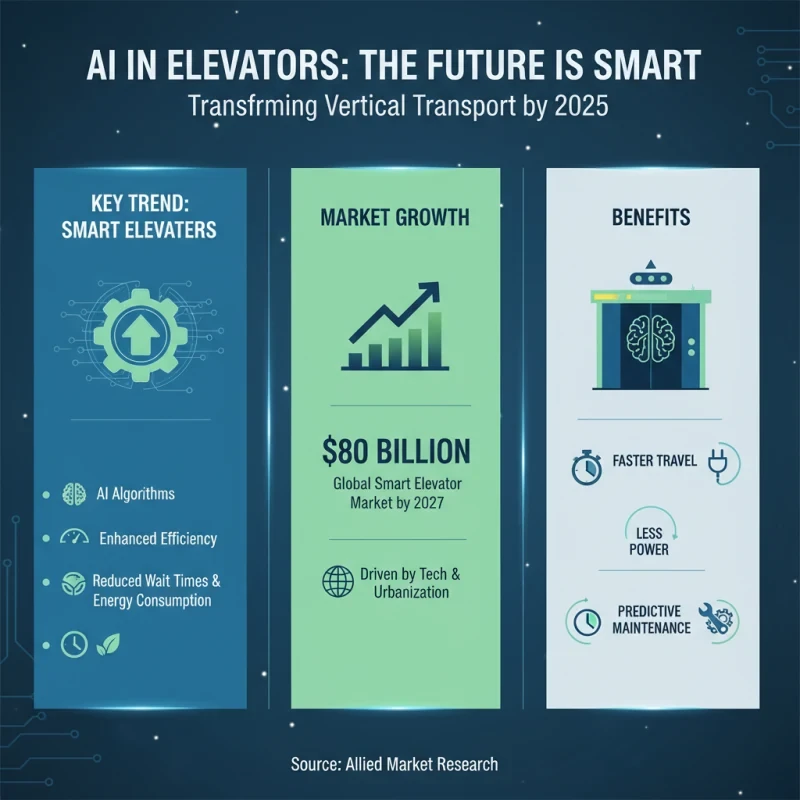
The integration of artificial intelligence (AI) in elevator systems is transforming the way these vertical transport solutions operate and maintain performance. As we look ahead to 2025, one notable trend is the implementation of smart elevators, which utilize AI algorithms to enhance efficiency, reduce wait times, and improve energy consumption. According to a report by Allied Market Research, the global smart elevator market is projected to reach $80 billion by 2027, driven by technological advancements and increasing urbanization.
AI-powered elevators can analyze data from user behavior and building traffic patterns in real-time, enabling them to optimize their routes and adjust their service levels. This capability not only improves passenger experience but also results in significant energy savings. In fact, studies suggest that smart elevators can reduce energy consumption by up to 30% compared to traditional systems.
Tips for implementing smart elevator technology effectively include prioritizing data security, as the increased connectivity can create vulnerabilities. Building owners should also ensure proper maintenance and regular software updates to optimize performance. Lastly, integrating user feedback mechanisms can help fine-tune the system, ensuring it meets the evolving needs of its users while promoting a seamless experience.
Safety Innovations in Elevator Repair: Compliance and Best Practices
As the elevator repair industry progresses into 2025, safety innovations emerge as critical focal points for compliance and best practices. According to a report by the National Elevator Industry, Inc. (NEII), more than 18,000 elevators in the U.S. undergo repair services annually, emphasizing the necessity for stringent safety protocols. In recent years, integrating advanced technology, such as IoT sensors and AI diagnostics, has revolutionized how maintenance issues are identified and addressed, leading to a significant decrease in accidents related to elevator malfunctions. A recent market analysis highlights that organizations investing in these technologies see a 30% reduction in service-related incidents over a five-year period.
Furthermore, adherence to evolving safety regulations is paramount. The American Society of Mechanical Engineers (ASME) has updated its elevator safety codes, pushing companies to implement enhanced training programs for repair technicians. A survey conducted by the Elevator World indicated that 67% of companies are prioritizing compliance training workshops for their staff to stay ahead in a competitive landscape. With these best practices in place, the industry not only aims to reduce operational risks but also to bolster consumer confidence. As technology and safety regulations advance, staying informed and adaptable is essential for all stakeholders involved in elevator repair.
Cost Management Strategies for Elevator Repair Services in 2025
As elevator repair services evolve, organizations must prioritize cost management strategies to stay competitive and efficient in 2025. One emerging trend is the adoption of predictive maintenance technologies. By utilizing data analytics and IoT devices, companies can monitor the condition of elevator systems in real-time, allowing for timely interventions before major failures occur. This proactive approach not only minimizes downtime but also reduces unexpected repair costs, ultimately providing a more predictable budget for maintenance expenses.
Another effective strategy is optimizing inventory management for spare parts. Implementing just-in-time inventory systems can help reduce holding costs and ensure that essential components are readily available when needed. Additionally, fostering strong relationships with suppliers can lead to better pricing and more favorable contract terms, further controlling repair expenses. Coupled with employee training programs focused on efficient repair techniques, businesses can enhance productivity and resource allocation, thus ensuring a more robust financial framework for managing elevator repair services in the coming years.
Elevate Your Experience: Essential Guide to the 57620925 Touch Button Board for Elevator Parts
The 57620925 Touch Button Board is a pivotal component in enhancing the usability and efficiency of elevators, which are increasingly becoming pivotal in urban infrastructure. As urban populations grow, the demand for reliable and intuitive elevator systems has escalated. Statistics from the International Association of Elevator Engineers indicate that, by 2025, the global elevator market is projected to reach over $120 billion, reflecting advancements in technology and user experience.
Integrating the 57620925 Touch Button Board into elevator systems can significantly elevate user experience. This board offers a more intuitive interface, allowing users to select floors with just a light touch. The tactile feedback and enhanced sensitivity ensure that even in high-traffic buildings, the risk of malfunction is minimized. Additionally, touch button systems are often equipped with features such as LED indicators, which inform users of the elevator's status, further contributing to a seamless experience. According to research from the Elevator and Escalator Safety Foundation, elevators equipped with modern touch controls have reported a 30% increase in user satisfaction compared to traditional button systems.
Furthermore, the implementation of touch button technology aligns with the growing emphasis on accessibility in public spaces. According to the World Health Organization, nearly 15% of the world's population lives with some form of disability, underscoring the necessity for user-friendly interfaces. The 57620925 Touch Button Board is designed with inclusivity in mind, featuring larger, well-placed buttons that can be easily operated by individuals with varying physical capabilities. This commitment to accessibility not only ensures compliance with regulations but also fosters an environment where all users feel comfortable and catered to within any building’s vertical transportation systems.

FAQS
: Predictive maintenance powered by artificial intelligence and machine learning is expected to significantly enhance elevator maintenance practices by 2025, potentially reducing unexpected outages by up to 30%.
Predictive maintenance uses data from IoT sensors installed in elevator systems to analyze performance and anticipate potential failures, allowing technicians to intervene before issues disrupt service.
Augmented reality enhances repair processes by providing real-time guidance and troubleshooting support. It allows technicians to visualize elevator systems digitally, improving accuracy and reducing repair time by up to 25%.
3D printing enables quick on-site fabrication of spare parts, which minimizes inventory costs and expedites repairs, potentially decreasing lead times for spare part delivery by up to 50%.
One popular cost management strategy is the adoption of predictive maintenance technologies, which allows companies to monitor elevator systems in real-time and prevent major failures, thus minimizing downtime and unexpected repair costs.
Implementing just-in-time inventory systems can reduce holding costs and ensure essential parts are available when needed, which enhances the efficiency of repair operations.
Employee training programs focused on efficient repair techniques can enhance productivity and resource allocation, contributing to a more robust financial framework for managing elevator repair services.
Fostering strong relationships with suppliers can lead to better pricing and favorable contract terms, helping to control repair expenses and optimize cost management strategies.
The integration of emerging technologies like predictive maintenance, AR, and 3D printing is expected to enhance operational efficiency, reduce downtime, and ultimately improve user satisfaction in the elevator repair industry.
Conclusion
As we approach 2025, several key trends are shaping the future of elevator repair services. Emerging technologies, including the Internet of Things (IoT), are significantly enhancing maintenance efficiency by allowing for real-time monitoring and data analysis. This shift towards predictive maintenance enables repair companies to anticipate issues before they lead to downtime, thereby improving overall service reliability.
Sustainability is also becoming a focal point, with a growing emphasis on eco-friendly materials and practices in elevator repair. Innovations in safety compliance and best practices ensure that repairs are not only effective but also adhere to stringent regulations. Additionally, the integration of artificial intelligence in smart elevators is poised to improve performance and operational efficiency, making it essential for service providers to adopt new cost management strategies in response to these evolving trends in elevator repair.
Related Posts
-

7 Compelling Reasons to Choose the Best Elevator Switch for Your Projects
-
Essential Checklist for Choosing the Best Elevator Controls Corp Solutions
-
7 Essential Tips for Choosing the Best Elevator Repair Service Worldwide
-
Top 10 Elevator Motor Types and Their Essential Features Explained
-
Elevator Protection Pads Essential Features and Benefits for Safe Transportation of Goods
-
Maximizing Efficiency in Material Handling Using Advanced Conveyor Bucket Systems