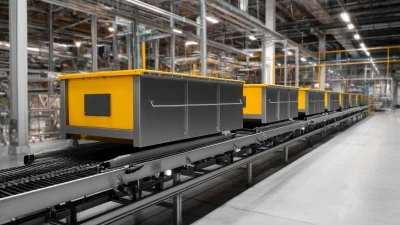
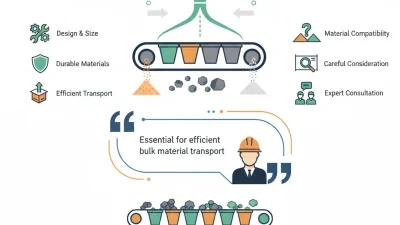
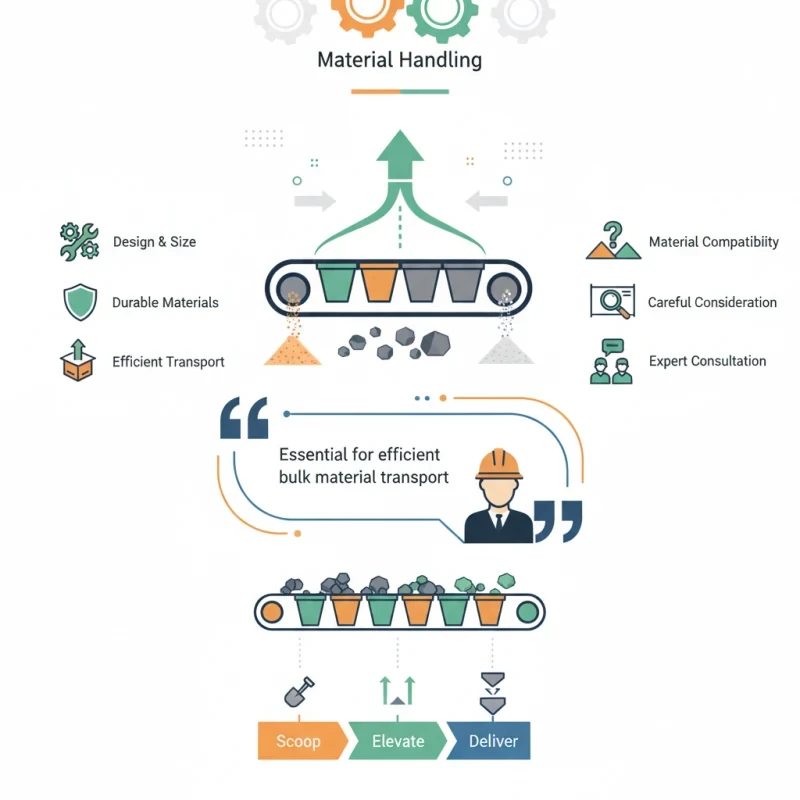
When it comes to material handling, the Conveyor Bucket definitely plays a pretty important role. I was talking to John Smith, who’s got lots of experience at Bulk Handling Systems, and he mentioned that "Conveyor Buckets are pretty much the backbone of moving bulk materials efficiently." Basically, these devices are built to move all kinds of materials quickly and reliably.
So, a typical Conveyor Bucket setup usually involves a bunch of buckets attached to a belt or chain. The idea is pretty simple: the buckets scoop up the material and Lift it to where it needs to go—whether that's up high or across a distance. And, the cool part is, these buckets can be customized depending on what you’re handling, so they work across a bunch of different industries. They’re also made from tough materials so they can handle some pretty rough conditions without falling apart.
That said, not all Conveyor Buckets are exactly the same. Some might have a tough time handling certain materials, which can cause some hiccups or slowdowns. So, it’s really important for companies to pick the right size and design for their specific needs. That’s why chatting with experts or doing some proper research is a smart move—they can help you find the perfect Conveyor Bucket for your setup, saving you headaches down the line.
What is a Conveyor Bucket?
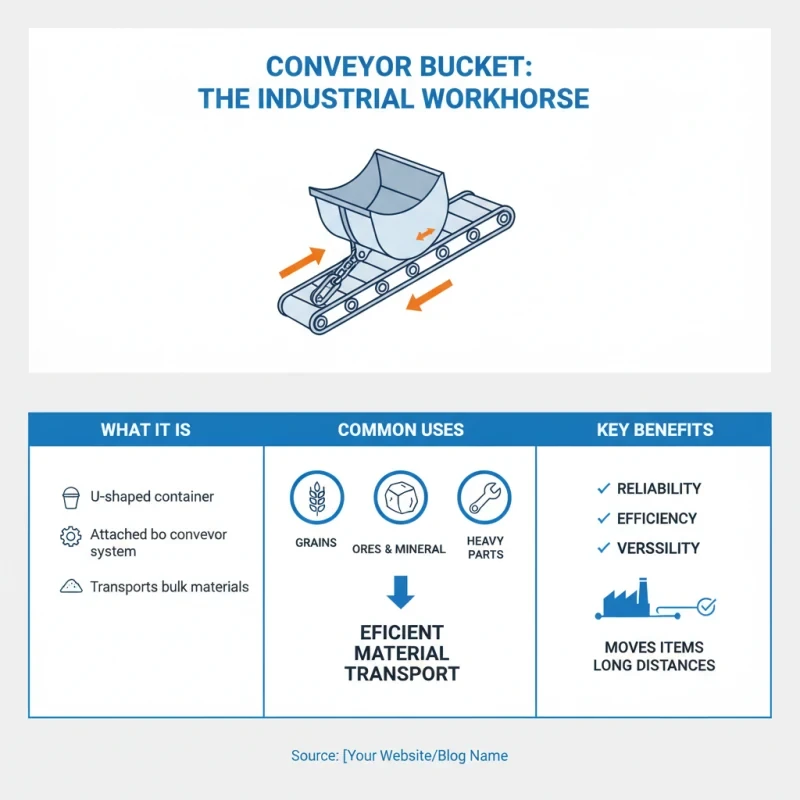
A conveyor bucket is a crucial component in many industries. It is designed to transport materials efficiently. Typically, these buckets are attached to a conveyor system. They can carry bulk materials like grains, ores, or even heavy parts. The main purpose is to move items from one place to another, often over long distances.
When selecting a conveyor bucket, consider the material it handles. Different materials require different bucket designs. For instance, a heavy-duty bucket is needed for dense materials. A lighter bucket can suffice for powders or grains. Pay attention to the bucket's size and shape too, as these factors affect the load capacity.
Tips for maintaining conveyor buckets: Regularly inspect for wear and tear. Damaged buckets can lead to reduced efficiency. Also, ensure they are properly aligned on the conveyor system. Misalignment can cause jams or inefficient movement. Remember, minor adjustments can prevent bigger issues down the line.
In conclusion, understanding conveyor buckets is vital for efficient operations. They play a significant role in various industries. Simple maintenance can make a big difference in performance.
The History and Evolution of Conveyor Buckets
The history of conveyor buckets dates back to the late 19th century. Initially, these buckets were simple wooden structures. They relied on gravity to move materials. As industries grew, the need for efficiency emerged. Simple designs evolved into more complex systems.
In the early 1900s, metal buckets began to replace wood. This shift allowed for greater strength and durability. According to a report from the Conveyor Equipment Manufacturers Association, the conveyor industry grew by 18% from 2018 to 2021. The introduction of the Bucket Conveyor Belt revolutionized material handling. This innovation helped transport bulk materials like grains, coal, and minerals seamlessly.
Despite advancements, challenges persist. Issues such as wear and tear are common. Maintenance can be costly and time-consuming. Many facilities still struggle with optimizing performance. Improvements in design have been made, yet the perfect solution remains elusive. The journey of conveyor buckets reflects ongoing efforts to balance efficiency and durability.
Conveyor Bucket Types and Their Usage Over the Years
| Label | Usage Percentage (%) |
|---|---|
| Plastic | 40 |
| Metal | 25 |
| Wood | 15 |
| Rubber | 10 |
| Composite | 10 |
Types of Conveyor Buckets Used in Various Industries
Conveyor buckets are vital components in various industries. They are designed to carry bulk materials efficiently. Different types of buckets serve specific purposes, adapting to the material's nature. For instance, in agriculture, buckets are often used to transport grains. They handle large quantities but can sometimes get jammed if overloaded.
In manufacturing, plastic buckets resist corrosion. They are perfect for lightweight materials. However, companies may overlook the need for regular maintenance. This can lead to inefficiencies over time. Remember, frequent checks can save costs in the long run.
Consider the mining sector. Steel buckets here endure heavy loads. They are designed to last but can wear down. Inspecting for wear and tear is essential. Neglect may result in unexpected failures.
Tips: Always match the bucket type to its intended material. Overloading can hinder performance. Train employees on regular maintenance practices. This prevents minor issues from escalating into massive problems. A well-maintained Conveyor Belt Bucket can significantly increase productivity and decrease downtime.
How Conveyor Buckets Are Designed and Constructed
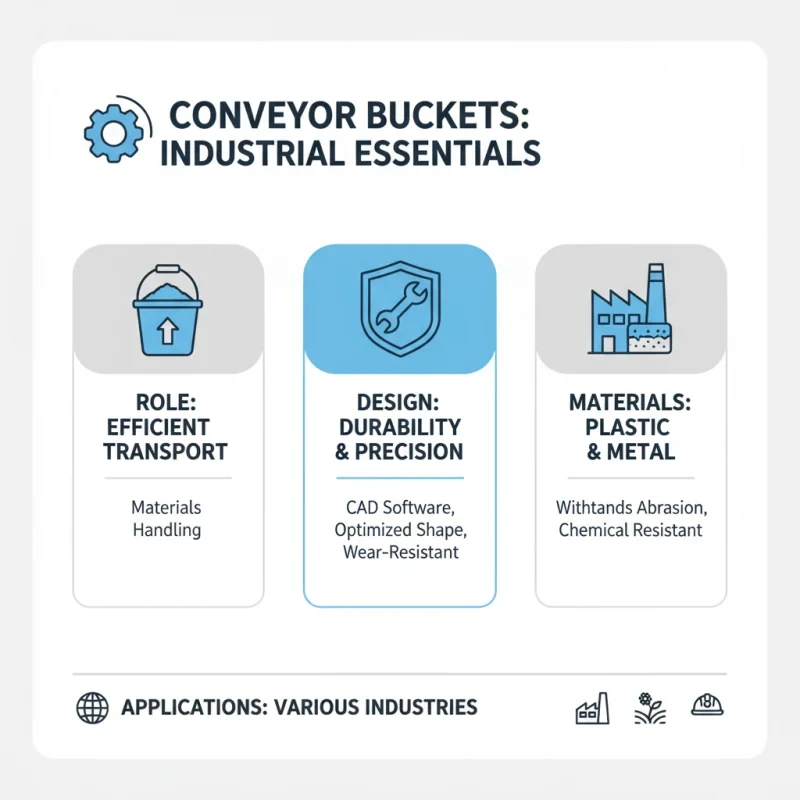
Conveyor buckets play an essential role in various industries. Their design and construction are crucial for efficiency and reliability. Typically made from materials like plastic or metal, these buckets must withstand wear and tear. Engineers use advanced CAD software to design them, ensuring optimal shape and size for specific applications.
The construction process often involves molding or welding. According to industry reports, proper bucket design can improve material flow by up to 30%. However, some designs can lead to issues like spillage or clogging. It’s vital to test prototypes rigorously to avoid costly mistakes. An overlooked detail in construction could lead to performance problems down the line.
Maintenance is another aspect companies often neglect. Regular inspections are essential to identify wear on buckets. Reports indicate that unaddressed wear can reduce efficiency by 20%. Proper construction and design combined with regular maintenance can drastically enhance conveyor system performance.
Working Principles of Conveyor Bucket Systems
A conveyor bucket system operates on a simple yet effective principle. It consists of buckets attached to a belt or chain. These buckets lift materials from one level to another. As the system moves, buckets fill at the loading point and discharge materials at the unloading point. The design allows for efficient vertical transport of bulk materials.
Maintenance of conveyor bucket systems is crucial. Regularly check the Bucket Conveyor Partsfor wear and tear. Damaged buckets can lead to spillage or reduced efficiency. Ensure that the belt maintains the right tension. A loose belt may slip, causing issues in material handling. It’s essential to keep the system clean to prevent blockages.
Sometimes, the layout does not allow for perfect operation. Factors like space limitation or material type can affect performance. Efficiency may decrease as the material flows. Monitor the system regularly to identify potential problems. Adapting to varying conditions is part of successful operation. Always seek improvement in the design and use of Bucket Conveyor Parts.
Applications of Conveyor Buckets in Material Handling
Conveyor buckets play a crucial role in material handling across various industries. They transport bulk materials ranging from grains to minerals. The design of these buckets allows for efficient loading, moving, and unloading. In warehouses, they streamline operations, increasing productivity and reducing labor costs.
In food processing, conveyor buckets are essential. They help move ingredients without contamination and can handle delicate items like fruits or vegetables, ensuring items remain intact during transport. Additionally, the mining industry relies on conveyor buckets to carry heavy materials, making extraction processes smoother.
Tip: Regular maintenance of conveyor systems ensures longevity, helping avoid costly downtimes.
Another application is recycling. Conveyor buckets help separate materials quickly; however, when not monitored, spills can occur. Operators must check for blockages regularly.
Tip: Training staff on proper use can minimize errors. Consistent checks on bucket integrity also enhance safety.
Maintenance and Care for Conveyor Bucket Systems
Maintaining a conveyor bucket system is vital for efficiency and longevity. Regular checks should be part of a routine. Inspect for wear and tear regularly. This helps catch issues early. Conveyor buckets can be surprisingly vulnerable. A small crack can lead to bigger problems down the line. Replace damaged buckets promptly to prevent further damage.
Cleaning is another critical aspect. Dirt and debris can cause blockages. These blockages lead to delays in production. A quick visual inspection can sometimes miss a build-up of material. It’s better to be thorough. Some systems benefit from lubricating moving parts to ensure smooth operation. However, too much lubrication can attract dirt, creating more issues. It’s a fine balance.
Staff training also matters. Workers should know the signs of wear. Understanding how the system operates will encourage proactive care. Even the Best Conveyor Bucket won’t perform well without attention. Encourage an environment where team members can voice concerns about any issues. This way, maintenance becomes a shared responsibility.
What is a Conveyor Bucket and How Does It Work? - Maintenance and Care for Conveyor Bucket Systems
| Dimension | Description | Maintenance Frequency | Common Issues | Care Tips |
|---|---|---|---|---|
| Material | Typically made of steel, plastic, or rubber. | Annually | Wear and tear from abrasion. | Inspect for cracks and replace as necessary. |
| Capacity | Measured in cubic feet or liters. | Monthly | Overloading or uneven loading. | Ensure proper load distribution. |
| Speed | Typically adjustable between 0.5 to 5 m/s. | Weekly | Slippage or loss of tension. | Regularly adjust tension as needed. |
| Service Life | Typically 5 to 15 years depending on use. | Bi-annually | Corrosion from environmental factors. | Use protective coatings as necessary. |
FAQS
: Good mental health improves relationships. It enhances productivity and boosts overall well-being.
Practice mindfulness through deep breathing. Engage in regular physical activity and maintain social connections.
Nutrition impacts mood and energy levels. A balanced diet supports cognitive functions and emotional stability.
Yes, lack of sleep can increase stress and anxiety. Quality sleep is essential for emotional regulation.
Look for changes in mood, behavior, or energy levels. Persistent sadness or withdrawal from activities are warning signs.
No, asking for help shows strength. It’s an important step towards understanding and improving your mental health.
Conclusion
A conveyor bucket is an essential component in material handling systems, designed to transport bulk materials efficiently. Historically, conveyor buckets have evolved significantly, adapting to various industrial needs and improving in design and functionality. Different types of conveyor buckets cater to the requirements of diverse industries, ensuring optimal performance and reliability.
The construction and design of conveyor buckets focus on durability and efficiency, utilizing various materials and engineering practices. Understanding the working principles behind conveyor bucket systems is crucial for their effective application in material handling operations. Regular maintenance and care are vital to ensure the longevity and performance of these systems. Overall, conveyor buckets play a critical role in streamlining operations across multiple sectors, contributing to enhanced productivity and cost-effectiveness.
Related Posts
-
Maximizing Efficiency in Material Handling Using Advanced Conveyor Bucket Systems
-

2026 Best Conveyor Bucket Types for Efficient Material Handling?
-

Elevating Standards: How China's Best Lift Control Panel is Winning Global Markets with Quality
-

Resilient Growth of Chinese-Made Elevator Control Panels Amidst US-China Tariff Challenges
-
The Evolution of Elevator Motor Technology for Global Industrial Leaders
-

Elevator Control Panel Innovations for 2025 Must Have Checklist for Global Buyers