You know, in the ever-changing world of material handling, it’s really important to adopt new tech to keep things running smoothly. Lately, Conveyor Bucket systems have been getting a lot of attention — it’s like everyone’s jumping on the bandwagon with automated and optimized solutions. I came across a report from MarketsandMarkets that says the global conveyor system market might hit around $7.95 billion by 2026, growing about 4.5% annually since 2021. That just goes to show how much companies are leaning on automation these days, especially in manufacturing and logistics. So, here’s the cool part—Zhuhai Link Industrial Co., Ltd., started back in June 2017, is really leading the charge in this space. They handle sales, install, and maintenance of conveyor systems, even the latest Conveyor Bucket models. With over 200 units sold every year, they’re all about delivering top-notch solutions that help businesses move stuff faster and more efficiently. It’s a pretty exciting time for the industry, don’t you think?
Understanding the Role of Conveyor Bucket Systems in Material Handling Efficiency
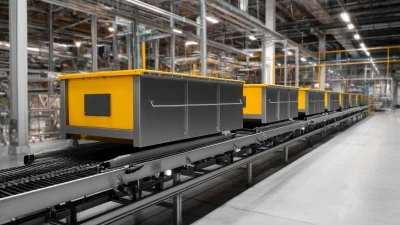
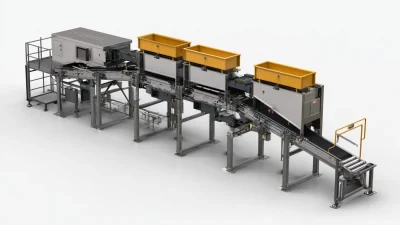
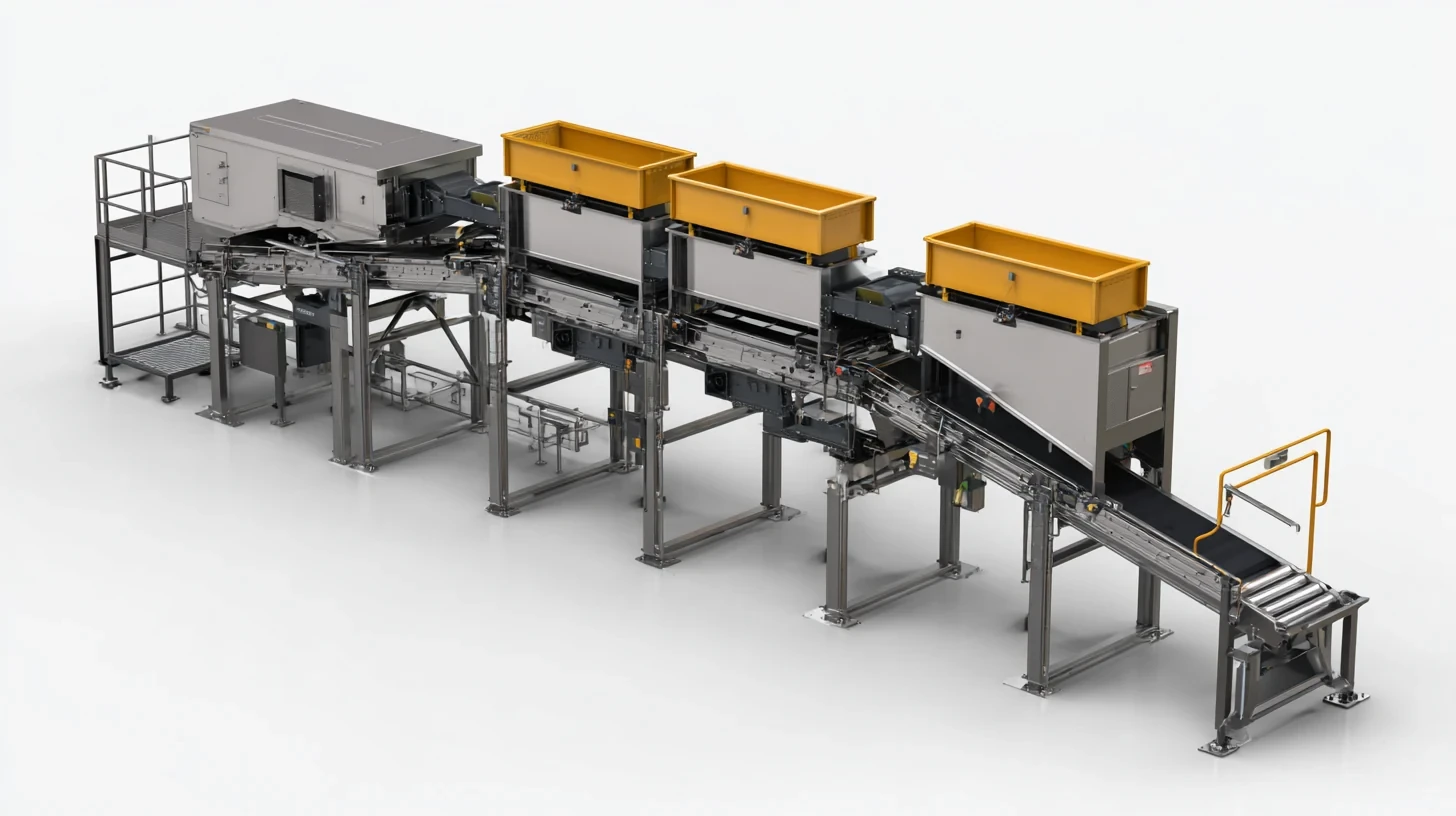
When it comes to handling bulk materials, conveyor bucket systems really shine in boosting efficiency. They’re designed to move large quantities effortlessly and quickly, which means less time spent on loading and unloading. These systems use specially crafted buckets that can follow both vertical and horizontal routes, so businesses can smooth out their workflows, cut labor costs, and make things safer for everyone. It’s pretty much a win-win.
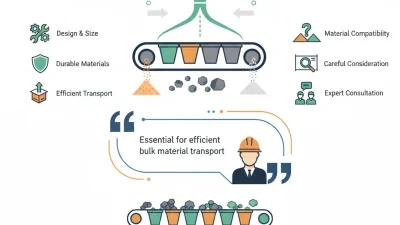
Here's a tip—make sure your conveyor bucket setup is tailored to the specific materials you're working with. Doing this helps the system last longer and keeps jams or damage at bay during operations.
And if you're looking to get even more out of your system, consider integrating advanced controls and monitoring tech. Real-time tracking lets you see where the material’s flowing and make quick adjustments if needed. It’s super handy in fast-paced environments where every second counts.
Another tip—don’t forget regular maintenance and upgrades. Setting up routine inspections can catch small issues before they turn into big problems, which means your system keeps running smoothly and saves you money in the long run.
Key Benefits of Advanced Conveyor Bucket Systems for Modern Warehousing Needs
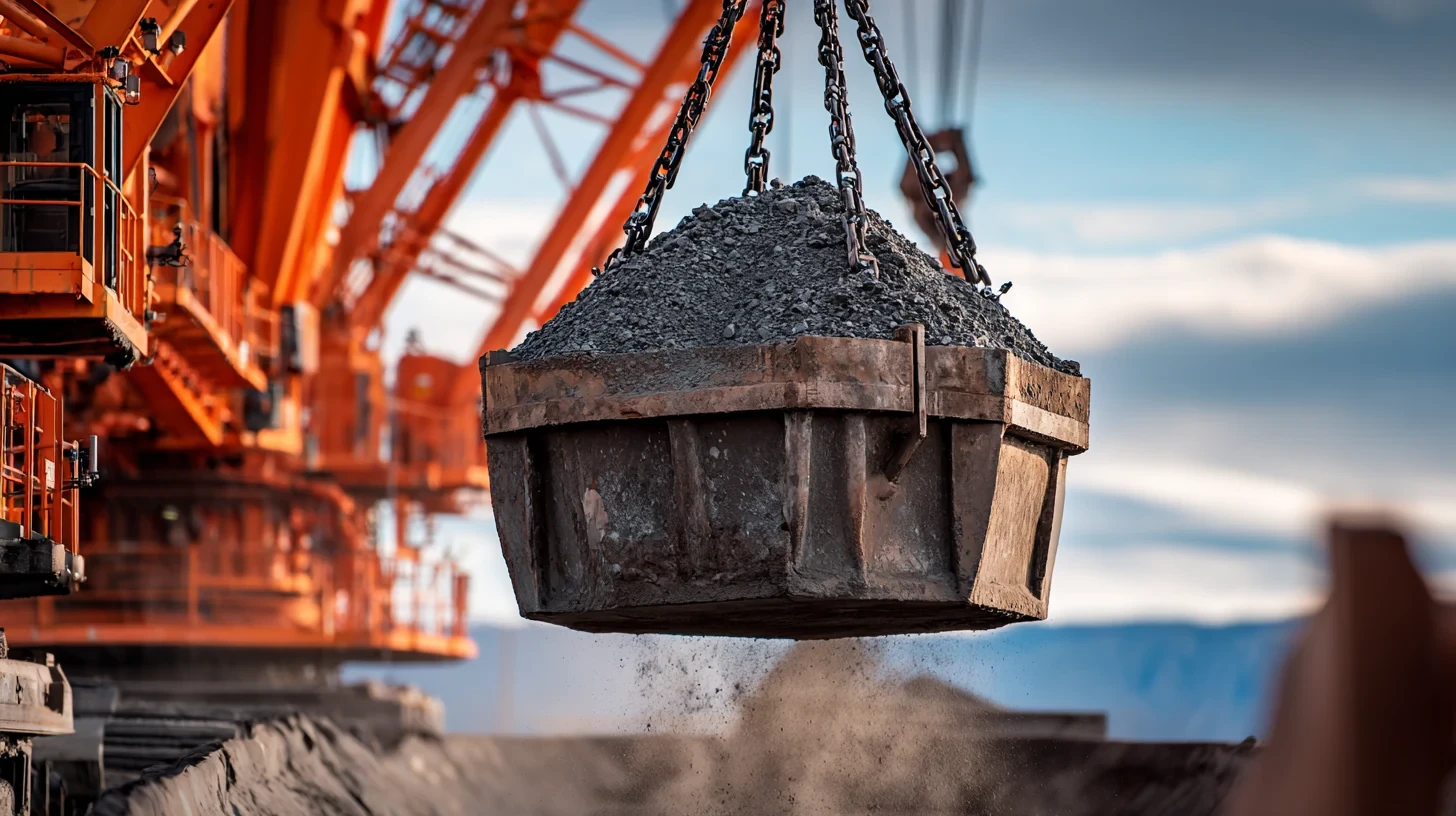
Advanced conveyor bucket systems are really changing the game for modern warehousing. They make moving materials so much smoother and more efficient. Honestly, one of the coolest parts is how they can speed up the whole process of handling bulk goods—cutting down on both time and the need for a big labor force. Plus, with their vertical Lifting capabilities, these systems make great use of space, helping warehouses fit more stuff in without cluttering up the aisles or causing congestion on the ground.
And it’s not just about space; these systems are built to last and adaptable enough to work with all kinds of materials. Whether it’s heavy loads or fragile items, they can handle it all without sacrificing safety or risking damage. The fact that they come with automated controls and monitoring just makes everything run even more smoothly and cuts down on operational costs. Overall, conveyor bucket systems are pretty much a must-have for any modern warehouse looking to stay efficient and competitive.
Maximizing Efficiency in Material Handling Using Advanced Conveyor Bucket Systems - Key Benefits of Advanced Conveyor Bucket Systems for Modern Warehousing Needs
| Key Benefits | Impact on Efficiency | Cost Savings (%) | Space Utilization (%) | Reduction in Manual Labor (%) |
|---|---|---|---|---|
| Enhanced Throughput | Increases by 30% | 15% | 25% | 40% |
| Improved Safety | Reduces accidents by 50% | N/A | N/A | N/A |
| Greater Flexibility | Adaptable to various goods | 10% | 15% | 20% |
| Reduced Downtime | Maintenance improvements | 20% | N/A | N/A |
| Lower Operational Costs | Efficient energy use | 25% | 20% | 30% |
Analyzing Industry Data: Efficiency Gains from Implementing Bucket Conveyors
You know, these fancy conveyor bucket systems really changed the game when it comes to handling materials in so many industries. If you look at the data, it’s clear that using bucket conveyors leads to pretty big improvements in efficiency. They maximize space and bump up productivity by lifting materials straight up, which means you don’t need huge spaces to move things around. Especially in fast-paced fields like manufacturing and warehouses, adding in bucket conveyors can mean quicker processing and lower operational costs — who doesn’t love that?
From what I’ve seen, companies that have jumped on the conveyor bandwagon have seen their efficiency shoot up by as much as 30%. That’s mainly because these systems handle large amounts of stuff way better, cutting down on labor costs and making workflows smoother. Plus, since they’re automated, they help speed things up and reduce mistakes that human workers might make — so overall, things just run more smoothly.
As industries look for smarter ways to get more done, these advanced conveyor bucket systems are becoming more and more important for hitting those high-performance goals. Seems like they really are a key piece of the puzzle when it comes to running a tight ship today.
Integration of Automation Technology with Conveyor Bucket Systems
You know, combining automation tech with conveyor bucket systems really changed the game for how industries handle materials. These new conveyor systems are pretty impressive—they smoothly move stuff around, cutting down on the need for human effort and making fewer mistakes. When you add automation into the mix, they can run non-stop, ensuring everything flows seamlessly. Plus, you get real-time updates and can tweak things on the fly. It’s a big boost for productivity, but it also makes things safer since workers don’t have to get into dangerous situations all the time.
And here’s the cool part: automation doesn’t just move stuff; it also gives businesses valuable data about how the system is performing and how materials are moving. This info can help predict when maintenance might be needed, so small issues don’t turn into big problems that cause delays. Some of these advanced systems even use sensors and AI to optimize routes and sorting, making operations way more efficient. As more industries jump on board with these tech upgrades, the combo of automation and conveyor buckets is definitely shaping what the future of material handling is going to look like.
Best Practices for Maintenance and Optimization of Conveyor Bucket Systems
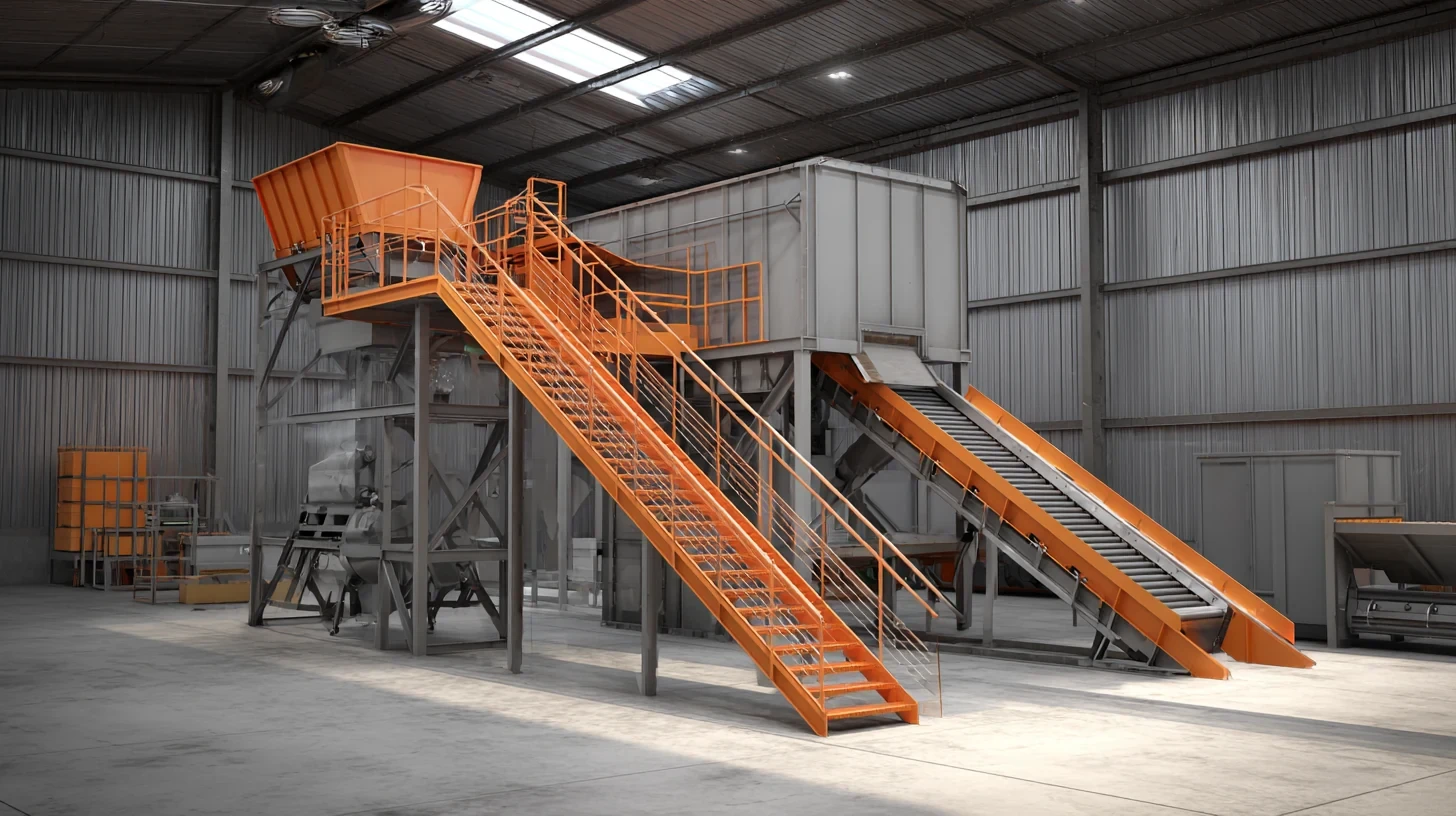
Taking good care of and optimizing conveyor bucket systems is super important if you want everything to run smoothly and efficiently. I read in a report by the Material Handling Industry of America (MHIA) that with proper maintenance, you can cut down overall operating costs by up to a quarter—that's pretty impressive! Regular check-ups, like inspecting for signs of wear and tear, giving moving parts a good lubrication, and making sure everything's aligned right, can really make these systems last longer and keep things running without a hitch.
One smart move I've seen work well is using real-time monitoring tech. According to a study by the International Society of Automation (ISA), sprinkling in IoT sensors can boost operational efficiency by around 15%. These little sensors keep tabs on load, speed, and wear, so you can jump in and fix stuff before it turns into a big, costly problem or causes downtime. Plus, training your team on best practices really pays off—research shows that companies investing in proper training see up to a20% jump in productivity. Basically, by staying on top of regular maintenance and making the most of new tech, businesses can really level up their conveyor system game and keep things running smoothly all the time.
FAQS
: Conveyor bucket systems are designed to transport bulk materials efficiently, significantly reducing the time required for loading and unloading processes.
Businesses can optimize their workflow by utilizing specially designed buckets that navigate vertical and horizontal paths, which lowers labor costs and improves safety measures.
Customizing conveyor bucket systems to suit specific types of materials being handled helps maximize the system's lifespan and minimizes potential jams or damages during operation.
Integrating automated controls and monitoring technologies allows for real-time tracking of material flow, enabling quick adjustments to address bottlenecks promptly.
Advanced conveyor bucket systems streamline the movement of bulk materials, reduce transportation time and labor, and improve space utilization in warehouses.
Companies using bucket conveyor systems have reported up to a 30% increase in operational efficiency due to better handling of bulk materials and reduced labor costs.
Regular maintenance, timely upgrades, and implementing a scheduled inspection routine help identify potential issues early on, maintaining operational efficiency.
Yes, advanced conveyor bucket systems are adaptable and can handle a variety of materials, from heavy items to delicate products, while maintaining safety and product integrity.
Reducing human error through the automation provided by bucket conveyors enhances throughput and contributes to improved performance metrics across various industries.
Conveyor bucket systems maximize space utilization by employing vertical lifting mechanisms, allowing warehouses to optimize their storage layouts and minimize ground-level congestion.
Conclusion
When it comes to getting materials moved around more efficiently, those advanced Conveyor Bucket systems really make a difference. They're a game-changer for modern warehouses, helping to smooth out the flow of goods and cut down on the need for manual picking, which also means fewer mistakes. The big perks? Faster processing times, the ability to handle different types of materials with ease, and saving space—no small feat in tight storage areas. That’s why they’re becoming a must-have in today’s logistics game.
Plus, when you connect these systems with automation tech—like real-time monitoring and data analysis—it takes performance to a whole new level. Companies like Zhuhai Link Industrial Co., Ltd., that focus on elevators and material handling solutions, can really benefit from understanding these efficiency boosts. It’s all about applying the best practices for maintenance and staying ahead of the curve. By zeroing in on these advanced systems, businesses can totally revamp their material handling processes for the better.
Related Posts
-
Exploring Unique Alternatives for Optimal Bucket Elevator Parts Solutions
-

Future Market Trends for Best Elevator Switches in 2025 and Beyond
-

7 Essential Elevator Parts Every Global Buyer Must Know
-

Future Innovations in Elevator Button Panels: Trends to Watch in 2025
-

7 Compelling Reasons to Choose the Best Elevator Switch for Your Projects
-

Maximizing Value with Best Elevator Control Panels through Superior After Sales Support and Maintenance Savings