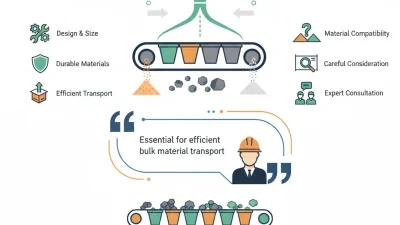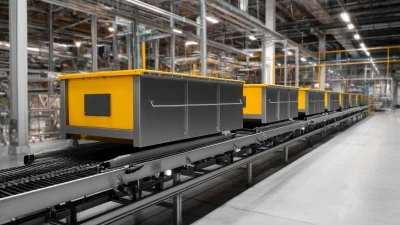

The efficiency of material handling has become crucial in various industries. As companies strive for optimization, the choice of the right tools is vital. Industry expert John Smith from Conveyor Innovations once stated, "Choosing the correct Conveyor Bucket can significantly reduce operational costs and enhance productivity." His insight highlights the importance of selecting suitable bucket types.
In 2026, different Conveyor Bucket types dominate the market. Some buckets are designed for light materials, while others excel in heavier loads. Whether you're moving grains or minerals, each bucket's shape and size impact performance. However, not all bucket types are perfect for every situation. Inexperienced users might overlook crucial factors like material compatibility and environment conditions.
Consider the standard height of a Conveyor Bucket. It can affect the ease of material transfer. Additionally, some designs may not hold up against abrasive materials over time. Therefore, thorough research and expert consultation are essential for effective material handling. A well-chosen Conveyor Bucket can optimize workflow and minimize challenges. However, mistakes in selection can lead to significant setbacks.

Types of Conveyor Bucket Designs for Diverse Material Handling Needs
When considering conveyor bucket designs, efficiency in material handling is key. Different types of buckets cater to varying needs. For example, standard buckets work well for bulk materials, while tapered designs are ideal for irregular shapes. According to industry reports, adopting the right bucket type can enhance throughput by up to 30%.
Understanding your material is crucial. Heavy and dense materials may require buckets with reinforced structures. Conversely, lighter materials can benefit from buckets designed for rapid transport. Many facilities overlook the importance of the bucket shape, which directly impacts flow rates and operational costs.
Tips: Choose a bucket design that matches your specific material characteristics. Test various materials with different bucket types. Monitor performance regularly to identify any inefficiencies. Always consider ease of cleaning and maintenance. This will ensure smooth operations without unexpected downtime.
The Role of Material Characteristics in Choosing Conveyor Buckets
Choosing the right conveyor bucket is crucial for efficient material handling. Material characteristics play a significant role in this decision. For example, bulk density and particle size affect how the material behaves on the Bucket Conveyor Belt. Fine powders may require different bucket designs compared to larger aggregate materials.
Consider the friction levels of the material as well. High-friction materials might need buckets with deeper designs to prevent spillage. Additionally, moisture content is another factor. Wet materials can stick, causing clogs and inefficiencies. It's essential to evaluate these physical properties carefully.
However, many overlook the importance of compatibility. Some bucket types may work well in theory but fail in practical applications. Often, trial and error is involved. Selecting the optimal bucket isn't purely a science; it requires an understanding of specific applications and adjustments. Rethinking choices can lead to better efficiency and longevity of the Bucket Conveyor Belt system. This careful consideration can eliminate costly mistakes in material handling processes.
2026 Best Conveyor Bucket Types for Efficient Material Handling
| Bucket Type | Material Characteristics | Best Use Cases | Capacity (Liters) | Weight (Kg) |
|---|---|---|---|---|
| Standard Plastic Bucket | Lightweight, corrosion-resistant | Food packaging, agriculture | 10 | 1.5 |
| Metal Bucket | Durable, high strength | Mining, heavy materials handling | 25 | 5.0 |
| Rubber Bucket | Flexible, impact-resistant | Farming, soft material transport | 15 | 3.0 |
| Custom Molded Bucket | Tailored shape, material-specific | Specialty applications, recycling | 20 | 4.0 |
Comparative Analysis of Bucket Materials: Steel vs. Plastic vs. Rubber
When selecting the best conveyor bucket type for material handling, the choice of bucket material significantly impacts efficiency. Steel buckets offer robust strength. They can carry heavy loads, making them ideal for mining and construction environments. However, they can be prone to corrosion and require maintenance. Approximately 30% of operators reported issues related to corrosion in their steel bucket systems, leading to unexpected downtime.
Plastic buckets are lighter and resistant to chemicals. They provide flexibility, making them suitable for food processing and pharmaceuticals. According to industry studies, using plastic buckets can reduce energy consumption by up to 15% compared to steel. Yet, they might not withstand heavy impacts as well. Some operators noted that plastic buckets experienced premature wear when used in harsh conditions.
Rubber buckets combine flexibility and durability. They effectively cushion loads, reducing the risk of damage during transport. Reports indicate that rubber buckets have significantly lower noise levels during operation. However, they can be more expensive upfront. A careful analysis of long-term costs is necessary. Balancing performance and budget remains a challenge. Each material brings unique benefits and potential drawbacks. Understanding these factors is crucial for optimizing material handling.
Efficiency Metrics: How Bucket Size Affects Conveyor Performance
The size of a Conveyor Belt Bucket plays a crucial role in material handling efficiency. A bucket that is too small can lead to frequent trips, causing delays. Conversely, an oversized bucket may waste material and operational time. This balance is important. Each application requires a different approach.
Consider the material being transported. Bulky or heavy items need a larger bucket for efficiency. Materials like grains may require smaller, specialized buckets. The design can also impact flow rates. Deeper buckets may retain material better but slow down unloading.
Operators must listen to their systems. If the conveyor is overloaded, adjustments may be necessary. Regular monitoring can reveal inefficiencies. It is essential to assess the overall performance. Is the bucket size working effectively? Reflecting on these issues can lead to better solutions and improved operations.
Innovative Bucket Features Enhancing Material Flow and Minimizing Loss
Innovative bucket features are transforming material handling. A well-designed bucket conveyor can enhance efficiency and minimize loss. Today’s conveyors use various innovative features to improve material flow. These advancements help reduce spillage and ensure that more material reaches the destination.
Advanced bucket designs include rubber lining or special coatings. These materials reduce friction and help products flow smoothly. Also, some designs feature adjustable angles. This can be a game-changer for certain materials, allowing for better control. Yet, some users find difficulties in adjusting them properly.
While many buckets excel in specific settings, they may not perform well universally. Understanding different applications is vital. Sometimes, using a bucket conveyor designed for one material can lead to loss and inefficiency. Testing under real conditions remains essential. Various Bucket Conveyor Parts must align with your operational needs. Evaluating your setup can reveal opportunities for improvement.
Key Industry Standards and Regulations for Conveyor Bucket Systems
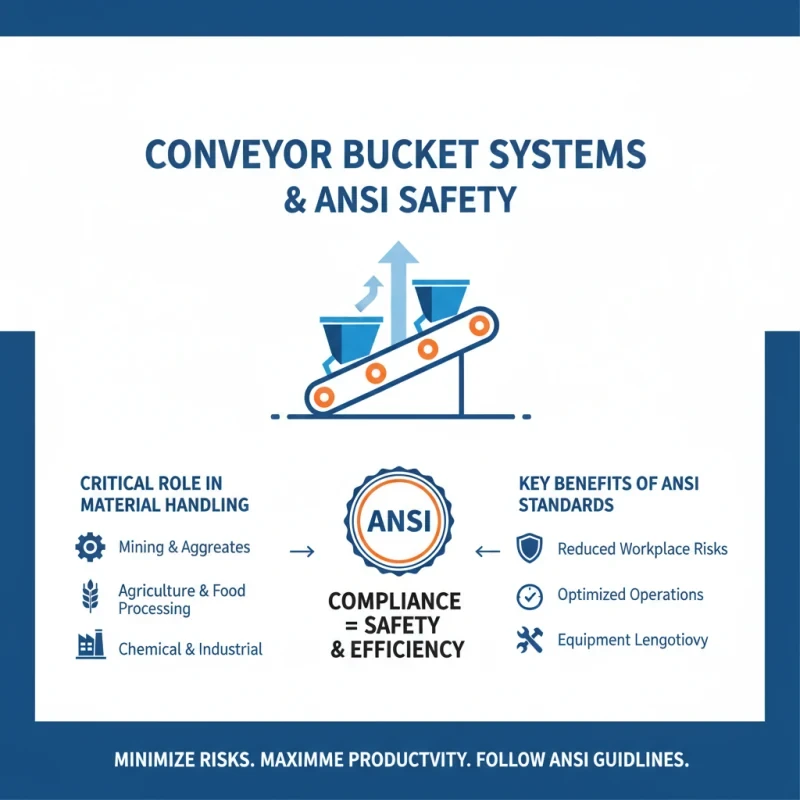
Conveyor bucket systems play a critical role in material handling across various industries. Compliance with industry standards ensures safety and efficiency. The American National Standards Institute (ANSI) sets guidelines that help maintain safety in conveyor operations. Following these regulations is key to minimizing risks in the workplace.
According to a 2021 industry report, poorly designed conveyor systems contribute to 20% of all material handling accidents. This statistic highlights the importance of choosing the Best Conveyor Bucket. Proper bucket design is crucial. Factors like material type, size, and weight must be considered. A miscalculation can lead to operational inefficiencies or even accidents.
Monitoring and updating systems to align with regulations is often neglected. Many facilities fail to conduct regular inspections. This oversight can lead to costly downtime and safety incidents. To remain compliant, invest in training for employees on safe practices. Regular audits can help minimize risks and enhance overall operational efficiency.
Future Trends in Conveyor Buckets: Automation and Smart Technologies
The future of conveyor buckets is heavily influenced by automation and smart technologies. These innovations enhance efficiency in material handling. For instance, sensors integrated into conveyor systems can monitor load levels in real-time. This leads to optimized operations. Fewer human errors occur when systems are automatic.
Smart technologies enable predictive maintenance. They analyze data to prevent breakdowns. However, this reliance could lead to over-dependence. What happens when machines fail unexpectedly? Human oversight remains crucial, but some may overlook this. Balancing technology and human input is essential.
Additionally, trends in sustainable materials for conveyor buckets are emerging. Eco-friendly options could reshape production processes. Yet, transitioning to these materials is challenging. It involves costs and adapting existing systems. Smart technologies promise efficiency, but they necessitate thoughtful implementation to maximize benefits while minimizing oversights.
FAQS
: This service aims to provide valuable information and answer common questions.
Anyone can access the information provided. There are no restrictions.
You can submit questions through the available channels. It's a straightforward process.
No, this service is free of charge for users.
The service includes various topics, focusing on general knowledge.
While efforts are made to ensure accuracy, users should verify critical details independently.
Responses may vary in timing. Instant responses are not always guaranteed.
While there’s flexibility, asking too many at once may slow down responses.
Reporting errors is encouraged. This feedback helps improve the service.
Suggestions are welcome. They can help expand the service's range of topics.
Conclusion
The article "2026 Best Conveyor Bucket Types for Efficient Material Handling" explores various designs of conveyor buckets tailored to meet diverse material handling requirements. It emphasizes the importance of material characteristics in selecting appropriate conveyor buckets, analyzing the advantages and disadvantages of different bucket materials, including steel, plastic, and rubber. The discussion includes how bucket size impacts overall conveyor performance, and notes innovative features that enhance material flow while reducing loss. Additionally, it addresses key industry standards and regulations that govern conveyor bucket systems and looks into future trends, highlighting the growing influence of automation and smart technologies on conveyor bucket efficiency.
In summary, understanding the intricate relationship between material properties and conveyor bucket design is crucial for optimizing material handling. As technology advances, the implementation of novel features and adherence to industry standards will further refine efficiencies and enhance the functionality of conveyor bucket systems in various sectors.
Related Posts
-
Maximizing Efficiency in Material Handling Using Advanced Conveyor Bucket Systems
-
Exploring Innovations in Lift Control Panel at the Expanding International Trade Landscape of the 137th Canton Fair
-

Future Market Trends for Best Elevator Switches in 2025 and Beyond
-

What is a Lift Control Panel and How Does It Revolutionize Vertical Transportation?
-

How to Choose the Right Elevator Controls Corp Solutions for Your Business Needs
-

2025 How to Choose the Best Elevator Doors for Your Building's Safety and Efficiency