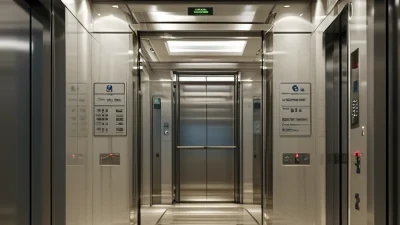
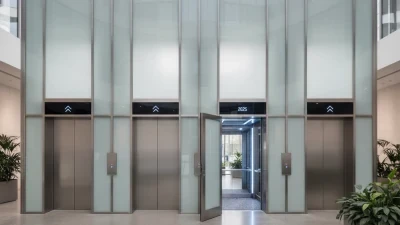
In today’s world of building design and safety, picking the right elevator doors has become a pretty important decision for architects and builders out there. As buildings get taller and more intricate, it’s crucial that elevator systems aren’t just about getting people from A to B — they also need to be safe and reliable. I was listening to John Smith, who’s the CEO of SafeLift Solutions, and he put it pretty well: "Choosing the right Elevator Doors can really boost safety and efficiency, which can save lives and cut down on costs in the long run." It’s a no-brainer, really.
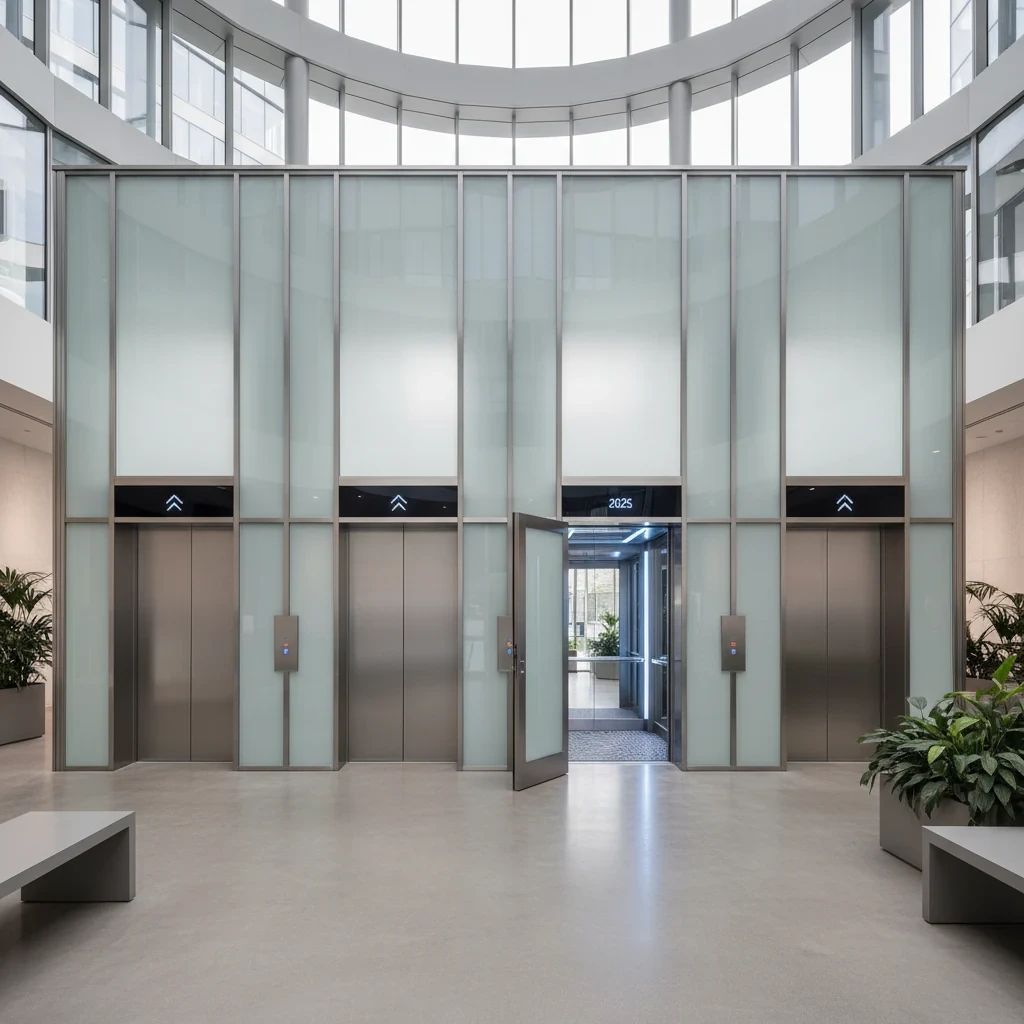
When you’re trying to choose the best Elevator Doors, there’s a bunch of things to think about — safety standards, how tough the materials are, and whether they match the building’s style. Looking ahead to 2025, technology and design are moving so fast that the way these doors are made and linked into buildings is changing a lot. That’s actually a good thing for building owners — it means they can invest in systems that not only work better but also meet strict safety rules.
And let’s not forget, with smart tech becoming more common, people expect elevator doors to do more than just open and close. They want the whole experience to be smooth and modern. A smart, well-chosen set of doors can really boost how awesome your building looks, while also making sure everyone moves around without a hitch. So, in this article, I’ll take you through some key things to consider — even some of the latest trends — so you can make the best call for your building’s needs.
Choosing Elevator Door Materials: A Comparison of Safety Ratings and Durability
When selecting elevator doors, the material choice is crucial for ensuring both safety and durability. Common materials include steel, aluminum, and tempered glass, each offering distinct advantages. 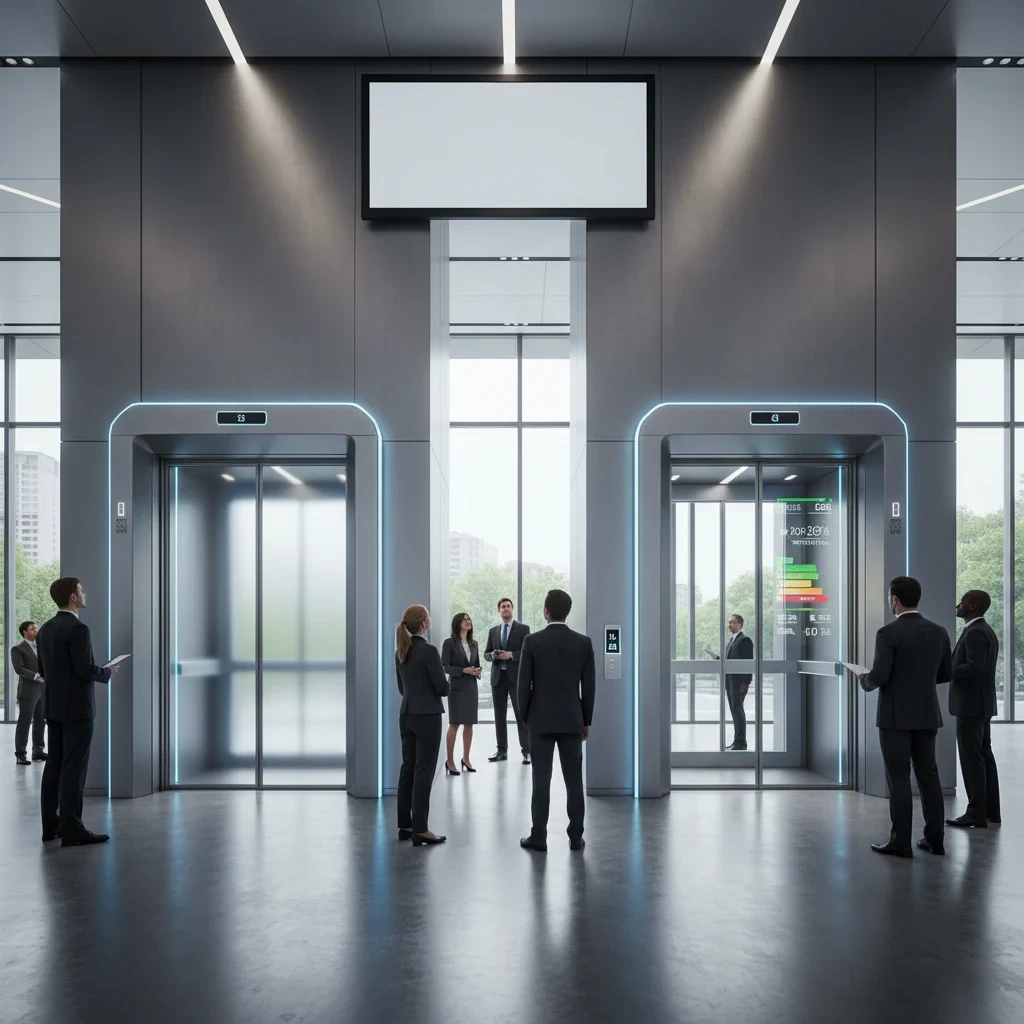 Steel doors, known for their robustness, provide excellent security and impact resistance but can be susceptible to corrosion if not properly maintained. On the other hand, aluminum doors are lightweight and resistant to rust, making them suitable for various environments but may require additional safety measures due to their lower impact resistance compared to steel.
Tempered glass doors, while aesthetically appealing and providing visibility, must meet stringent safety standards to ensure they can withstand impact and breakage without posing a risk. It’s essential to consider the specific safety ratings of each material, as some might excel in certain environments while lacking in others. Additionally, durability factors such as maintenance requirements and resistance to wear from repeated use play a vital role in long-term cost-effectiveness. Ultimately, the right elevator door material will enhance both the safety and efficiency of your building’s vertical transport system.
Understanding Different Elevator Door Types: Swing, Sliding, and Folding Explained
When selecting the best elevator doors for your building, safety and efficiency are paramount. At Zhuhai Link Industrial Co., Ltd., we understand the crucial role that door types play in these aspects. The three primary door types—swing, sliding, and folding—offer different advantages. Swing doors provide a traditional look and can be advantageous in low-traffic settings, but they require more space. In contrast, sliding doors are popular for their efficiency in high-traffic areas, maximizing space and minimizing wait times. Folding doors, often used in specialized applications, combine accessibility with a unique design, making them a great choice for specific building layouts.
According to industry reports, nearly 70% of commercial buildings prefer sliding doors due to their swift operation and reduced energy consumption. When choosing doors, consider factors such as the expected traffic volume, safety regulations, building design, and maintenance needs.
**Tips:**
1. Ensure that the chosen door type meets local safety standards to protect users and prevent accidents.
2. Opt for materials that offer durability and easy maintenance, as this will enhance the longevity and performance of the doors.
3. Consult with experts like those at Zhuhai Link Industrial Co., Ltd. for tailored solutions that align with your building's requirements.
2025 How to Choose the Best Elevator Doors for Your Building's Safety and Efficiency
| Door Type | Safety Features | Efficiency | Installation Cost | Maintenance |
|---|---|---|---|---|
| Swing Door | High | Moderate | $2,000 - $4,000 | Low |
| Sliding Door | Moderate | High | $3,000 - $5,000 | Medium |
| Folding Door | Low | Moderate | $1,500 - $3,000 | High |
Evaluating Energy Efficiency: How Door Design Impacts Elevator Performance
When selecting elevator doors, energy efficiency should be a top priority in order to enhance overall elevator performance. The design of elevator doors plays a crucial role in regulating the energy consumption of the system. Well-designed doors minimize air leakage and reduce the load on HVAC systems by maintaining a consistent temperature in elevator shafts. This efficiency not only leads to lower operational costs but also aligns with sustainability goals.
Moreover, the materials used in the construction of elevator doors can significantly impact their efficiency. For instance, insulated doors help to reduce heat loss, while lightweight materials enable quicker operation, further enhancing energy performance. The door's opening and closing speed can also affect energy use; faster doors reduce wait times and improve flow, but they must balance that with safety measures. By carefully evaluating these design factors, building owners can choose elevator doors that optimize safety while also fostering energy efficiency, ultimately contributing to a smarter, eco-friendly building environment.
Safety Standards Compliance: Navigating Codes for Elevator Door Installation
When selecting elevator doors, understanding safety standards and compliance is paramount. Various codes regulate the installation and operation of elevator systems to ensure safety for users. Familiarize yourself with local and national regulations such as the Americans with Disabilities Act (ADA) and the ASME A17.1 standards, which govern the safety features of elevator doors. Ensuring that your elevator doors meet these regulations not only enhances safety but also improves the efficiency of the elevator system.
Tips for Compliance: Always consult with a professional when evaluating your elevator door options. They can help you interpret the codes relevant to your region. Additionally, consider installing doors with sensors that detect obstructions, as this feature can prevent accidents and aligns with compliance standards.
In terms of material selection, opt for doors that are durable yet lightweight. This choice can significantly impact the functionality and longevity of the elevator door system. Furthermore, ensure that the installation team is experienced with safety code regulations to avoid costly modifications later on.
Impact of Smart Elevator Technology on Door Functionality and User Experience
The integration of smart elevator technology is revolutionizing door functionality and enhancing user experience in modern buildings. According to a recent report by the Global Elevator & Escalator Market Analysis, the adoption of smart technologies in elevators can reduce door opening times by up to 30%, significantly improving passenger flow and efficiency during peak hours. These technological advancements allow for real-time monitoring and predictive maintenance, minimizing downtime and ensuring that elevators are always operational when needed.
Tips for selecting elevator doors in a smart building include evaluating the responsiveness of door systems to user behavior and integrating sensors that can detect passenger presence. This not only enhances safety by preventing accidents but also optimizes energy efficiency by reducing unnecessary door operations. Furthermore, considering the aesthetic impact of smart elevator doors can contribute to an overall pleasing user experience, making the building not only functional but also visually appealing.
Incorporating features like touchless operation through mobile apps or smart panels is another key consideration. A study by the International Lift and Escalator Industry (ILEI) suggests that buildings with touchless doors report a 25% increase in user satisfaction. By implementing these technologies, building managers can create a safer, more efficient, and user-friendly environment for occupants and visitors alike.
Impact of Smart Elevator Technology on Door Functionality and User Experience
| Factors | Smart Elevator Technology Impact |
|---|---|
| Safety Features | 90 |
| Response Time (sec) | 1.5 |
| Energy Efficiency (%) | 30 |
| User Satisfaction (%) | 85 |
| Maintenance Cost ($) | 200 |
Cost Analysis: Balancing Upfront Investment and Long-term Savings in Elevator Doors
When selecting elevator doors for your building, a key consideration is the balance between upfront costs and long-term savings. According to a recent industry report from the Elevator World, high-quality elevator doors can lead to a reduction in maintenance costs by up to 30% over a ten-year period. Investing in durable materials not only enhances safety but also minimizes operational disruptions, which can significantly impact the building's efficiency.
At Zhuhai Link Industrial Co., Ltd., we understand the importance of this balance. Established in 2017, our expertise in the sales, installation, and maintenance of elevators has led to an impressive annual sales volume that exceeds 200 units. By choosing the right elevator doors, property managers can ensure a safer environment for occupants while potentially decreasing energy consumption and repair costs. For instance, automatic doors are known to save energy by minimizing air exchange, therefore contributing to lower utility bills in the long run. These considerations are essential in maintaining both safety and efficiency, ensuring a higher return on investment for building owners.
FAQS
: The three primary types of elevator doors are swing, sliding, and folding doors, each offering different advantages for various building needs.
Swing doors provide a traditional look and are suitable for low-traffic settings; however, they require more space compared to other door types.
Nearly 70% of commercial buildings prefer sliding doors due to their efficient operation in high-traffic areas, which maximizes space and minimizes wait times.
Consider the expected traffic volume, safety regulations, building design, and maintenance needs when selecting elevator doors.
Elevator doors must comply with local safety regulations, including the Americans with Disabilities Act (ADA) and ASME A17.1 standards, which ensure safety features are in place.
It's important to consult with professionals who can help interpret relevant codes and ensure that selected doors have safety features like obstruction sensors.
Opt for durable yet lightweight materials for elevator doors, as they can significantly enhance the functionality and longevity of the door system.
Ensure that your installation team is experienced with safety code regulations to avoid costly modifications and ensure compliance with safety standards.
Conclusion
In the pursuit of ensuring safety and efficiency in modern buildings, selecting the right Elevator Doors is crucial. Various materials offer different safety ratings and durability levels, making it essential to evaluate them based on specific building needs. Understanding the differences among swing, sliding, and folding doors can significantly impact both functionality and aesthetic appeal. Additionally, the design of these doors plays a vital role in energy efficiency, influencing overall elevator performance.
Compliance with safety standards is another critical aspect, as navigating installation codes ensures that buildings meet necessary regulations. The advent of smart elevator technology further enhances door functionality and user experience, making elevators more responsive to user needs. Finally, a cost analysis on Elevator Doors will help balance the initial investment with potential long-term savings, establishing a smart financial decision for building owners. At Zhuhai Link Industrial Co., Ltd., we specialize in providing comprehensive elevator solutions, including the sales, installation, and maintenance of various door types, ensuring that our clients benefit from the latest innovations in elevator technology.
Related Posts
-

How to Choose the Right Elevator Doors for Optimal Safety and Performance
-
How to Choose the Right Elevator Bolt for Your Project Needs
-
Essential Tactics for Maximizing Impact with Elevator Display Boards
-

Understanding Import and Export Certifications for the Best Elevator Push Button Industry
-
Exploring Unique Alternatives for Optimal Bucket Elevator Parts Solutions
-
Resilient Growth of Chinese-Made Elevator Control Panels Amidst US-China Tariff Challenges