Choosing the right elevator bolt for your project isn’t just about picking any bolt off the shelf — it’s really about understanding the nitty-gritty details like specs and safety considerations. If you’ve been keeping an eye on industry trends, you’ve probably noticed that the elevator market is booming, projected to hit around $150 billion by 2025. That just goes to show how much demand there is for dependable parts like elevator bolts. And if you’re wondering who’s making a splash in this space, Zhuhai Link Industrial Co., Ltd. is definitely one to watch. Founded back in June 2017, they handle everything from sales to installation and maintenance of entire elevator systems, and they’re already moving more than 200 units a year. So, if you’re trying to figure out which elevator bolt is right for your project, keep in mind factors like how much it can handle (load capacity), what material it’s made of, and whether it suits your specific application. This way, you’re more likely to get a reliable, safe setup that fits your needs without any headaches.
Understanding Different Types of Elevator Bolts and Their Applications
When you're choosing the right elevator bolts for your project, it’s really helpful to understand the different types out there and what each one’s good for. You see, elevator bolts are used in all sorts of industries, especially in agriculture and transportation, because of their unique design and purpose. According to the Fastener Quality Act, most elevator bolts come in standard sizes, usually between 1/4 inch and 1 inch in diameter. So, it’s pretty important to pick the right size and strength to match what you need.
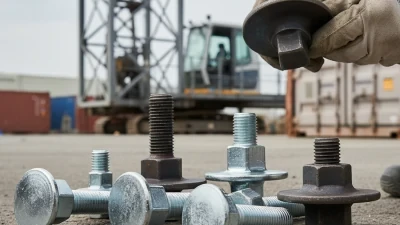
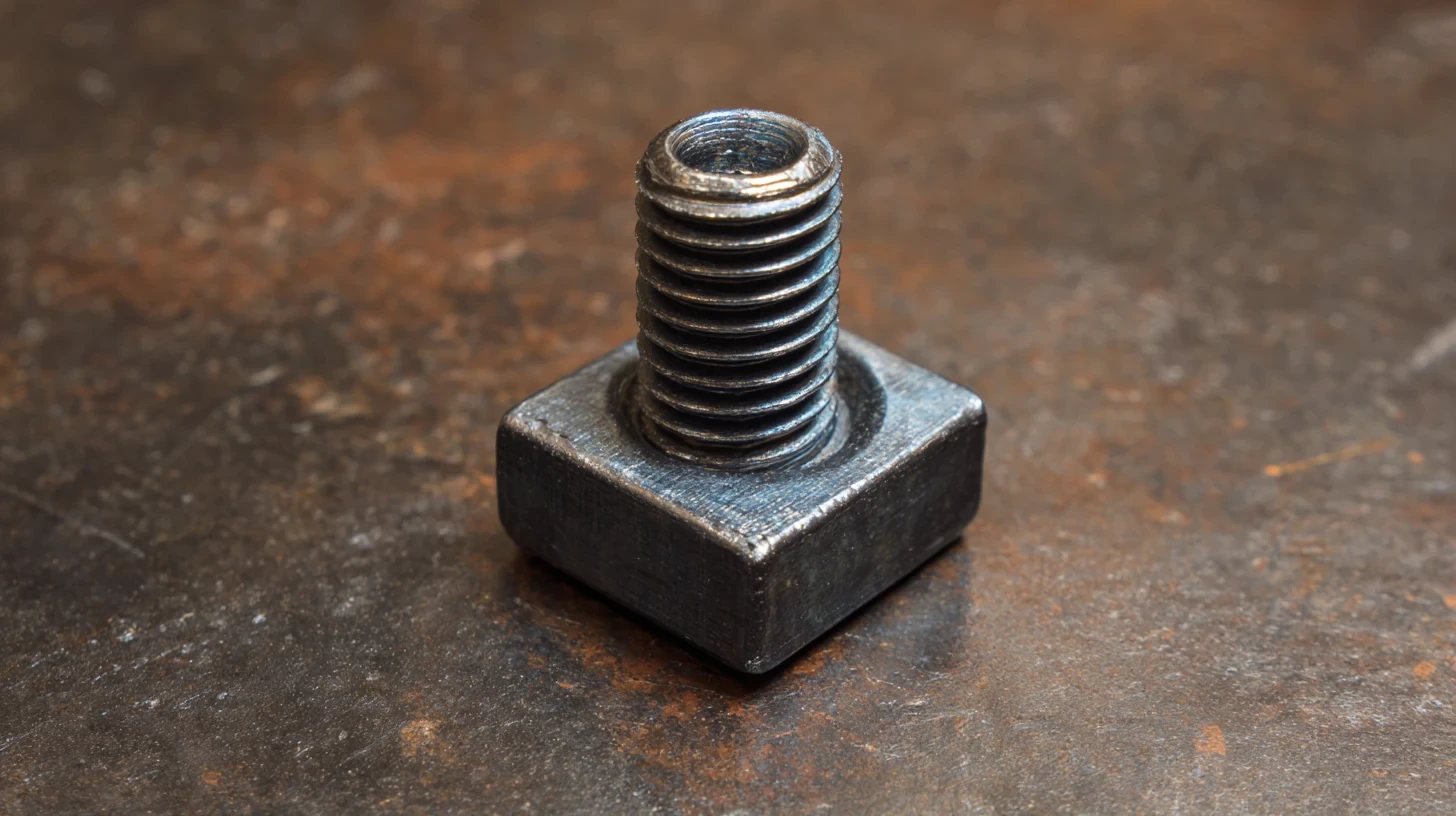
Now, there are several types of elevator bolts—think flat head, square head, and hex head—as each serves its own purpose. For example, flat head bolts work great when you’re attaching things to flat surfaces, while square head bolts give you a bigger grip, which helps prevent stripping during installation.
Interestingly, a recent report from the Industrial Fasteners Institute showed that demand for high-strength elevator bolts has gone up by about 20% over the last five years. That’s mainly because builders and manufacturers are pushing for better load capacity in their projects. Getting a good handle on these differences really can make a big difference in how smoothly your project goes, and also in making sure it’s safe and durable.
Key Factors to Consider When Selecting Elevator Bolts for Your Project
When you're picking out elevator bolts for your project, there are a few important things you really want to keep in mind to make sure everything’s safe and works smoothly. First off, the size and length of the bolts matter a lot. The Engineering Toolbox says that most elevator bolts range from about a quarter-inch to a full inch in diameter, and choosing the right size is super important—if the bolts are too small or too big, it could lead to things not holding up properly. Also, you'll want to make sure the length of the bolt fits the thickness of the materials you're fastening together, so everything stays secure.
Then, there's the material you're going to use. Common options include carbon steel, stainless steel, and some coated types, each with their own pros and cons—especially when it comes to rust resistance and strength. I read a recent report from the Fastener Quality Act that mentioned stainless steel bolts tend to have a higher tensile strength, which makes them a smart choice if the bolts are going to be exposed to moisture or outdoor conditions. Choosing the right material also depends on where you’ll be using the bolts—indoors or outside? That can really impact how long they last and how tough they are over time. Basically, thinking through all these factors will help you pick the right elevator bolts that fit your specific project perfectly.
Material Choices for Elevator Bolts: Strength and Corrosion Resistance
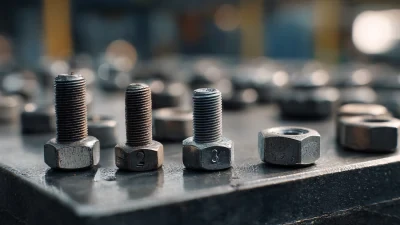
When you're choosing elevator bolts for your project, it's really important to get a good grasp on the material options, especially when it comes to strength and how well they resist corrosion. Usually, these bolts are made from a few different materials—like carbon steel, stainless steel, and galvanized steel. Carbon steel is pretty strong and tends to be easier on the wallet, but if you're working in an environment with lots of moisture or chemicals, it might not hold up so well because it can rust and degrade over time. On the other hand, stainless steel is a real winner—it’s tough as nails and resists rust like a champ, which makes it perfect for tougher conditions or outdoor setups.
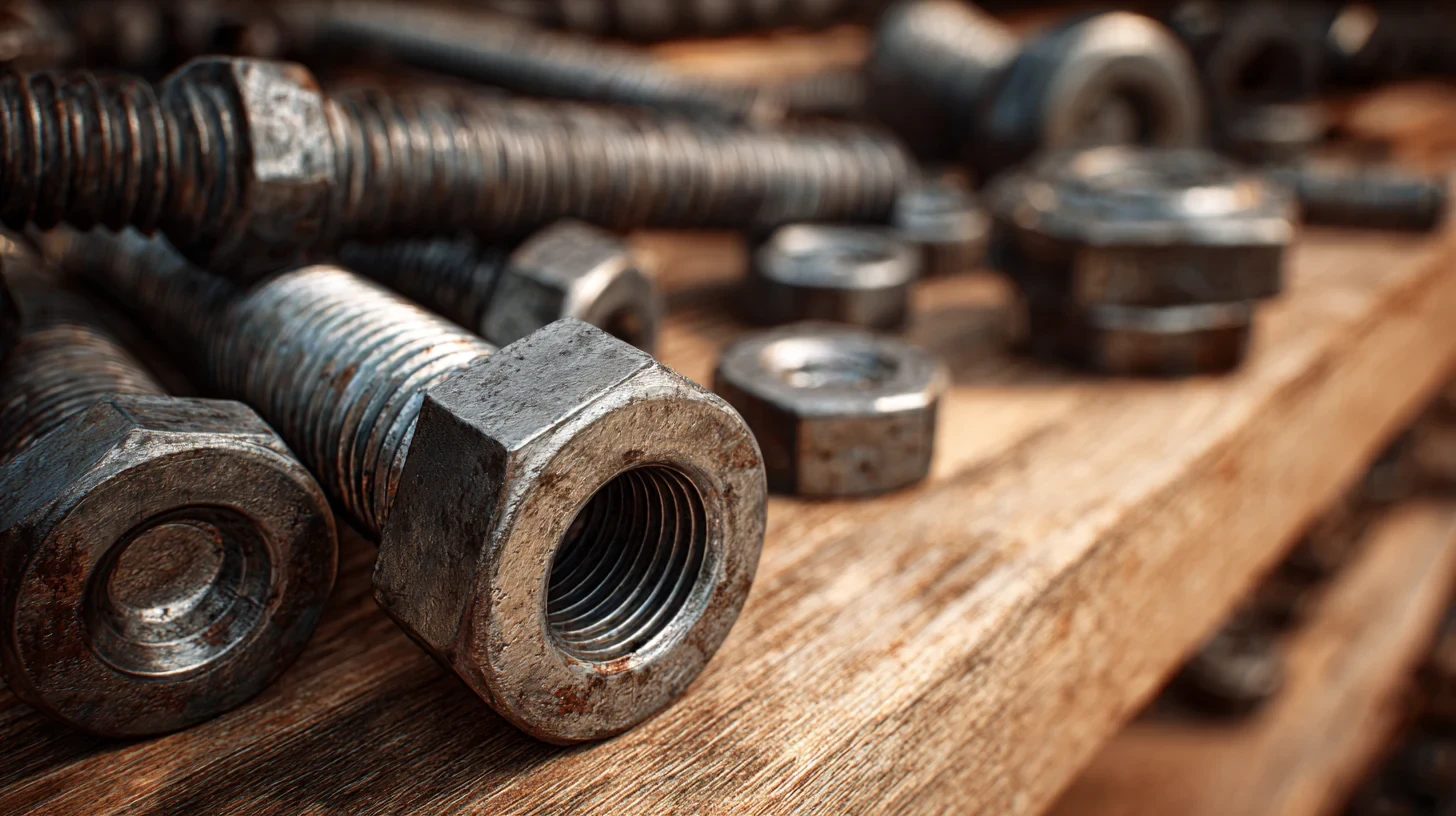
Galvanized steel hits a nice middle ground. It’s coated with zinc, adding a layer of protection against corrosion, so it’s a solid choice if you're dealing with outdoor areas or places with high humidity. When you’re picking out the right bolts, think about where they’ll be used—the environment really matters. Things like water exposure, chemicals, and temperature swings should all play into your decision. Basically, try to find a balance between strength and corrosion resistance—that’s the best way to make sure your project holds up well over time.
Sizing and Specifications: How to Determine the Right Bolt Dimensions
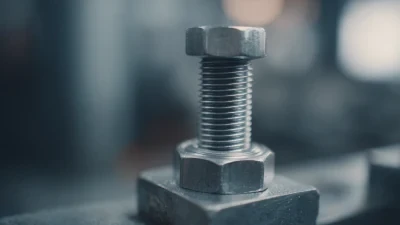
When you're starting a project that needs elevator bolts, it’s really important to get the sizing and specs just right. Picking the correct diameter, length, and thread type isn't something to take lightly — these choices can really affect how well the elevator works and how safe it is. For example, if the bolts are too short, they might not hold everything securely. On the flip side, if they’re too long, it could cause some headaches during installation or when the elevator is running.
A couple of tips for you: First off, always check the elevator's design specs to make sure you’re picking bolts that meet safety standards. Then, think about the load requirements for your particular project—different elevators might need different bolt sizes based on how much weight they’re designed to handle. And finally, chatting with industry pros or suppliers like Zhuhai Link Industrial Co., Ltd. can really help you figure out the best materials and finishes, especially if you need something resistant to corrosion.
Here at Zhuhai Link Industrial Co., Ltd., with years of experience in selling, installing, and maintaining elevators, we know that choosing the right bolts isn’t just about getting the job done — it’s about making sure everything runs safely and lasts longer. So yeah, picking elevator bolts might seem pretty straightforward, but trust me, it’s worth taking the time to think about what’s exactly right for your project’s specific needs.
Installation Tips for Ensuring Safety and Performance of Elevator Bolts
When you're picking out the right elevator bolt for your project, it’s pretty important to get a good grip on the installation process. Knowing how to do it properly isn’t just about getting things to work — it’s all about making sure everything’s safe and runs smoothly in the long run. Elevator bolts might seem small, but they play a big role in holding everything together, so choosing the right type and making sure they’re installed correctly really matters.
One handy tip I can share is to always double-check the manufacturer's specs for torque requirements. That way, you won’t risk over-tightening or under-tightening the bolts. Also, don’t forget to inspect your bolting materials. Picking high-quality, corrosion-resistant stuff can make a huge difference for the durability and performance of your setup. And, of course, keep communication open with your team throughout the process. Everyone should be on the same page about safety standards and procedures—that’s how you avoid problems.
As the elevator industry keeps evolving—especially with new tech and safety features coming out—staying updated on the latest trends really helps you make smarter choices. Using modern methods like sensors to monitor the installation can be a game-changer. It helps catch potential issues early on and keeps everything running safely down the line.
Analyzing Market Trends: The Growing Demand for GF971H 971L 972H Cross Flow Fans in Elevator Spare Parts Industry
The elevator spare parts industry is witnessing an increasing demand for high-efficiency cross flow fans, notably the GF971H, 971L, and 972H models. These fans are essential for ensuring optimal ventilation and cooling within elevator systems, enhancing both performance and safety. As building designs grow more complex, the requirement for reliable and efficient cooling solutions has become a priority among manufacturers and service providers alike.
Among the recommended products, the GYQF-370 series stands out for its versatility and compatibility with different voltage requirements. The GYQF-370 220V and 110V models for the 971H and 971L fans, as well as the GYQF-370-2 220V variant for the 972H, offer tailored solutions for various installation needs. These fans are engineered to maintain a consistent airflow, reducing the risk of overheating and ensuring a smooth operation of elevators. As the market trends show a shift toward energy efficiency and high-performance components, the adoption of these advanced cross flow fans will likely continue to grow, reflecting a broader commitment to innovation in the elevator spare parts sector.
FAQS
: Elevator bolts are commonly used in various industries, particularly in the agricultural and transportation sectors, due to their unique design and functionality.
The majority of elevator bolts are made in standard sizes that typically range from 1/4" to 1" in diameter.
The different types of elevator bolts include flat head, square head, and hex head, each serving specific purposes such as attaching items to flat surfaces or providing a larger gripping surface.
The demand for high-strength elevator bolts has increased by 20% over the past five years due to the need for enhanced load-bearing capacity in construction and manufacturing.
Elevator bolts are typically made from materials like carbon steel, stainless steel, and galvanized steel, each offering different levels of strength and corrosion resistance.
Stainless steel elevator bolts provide superior strength and excellent resistance to corrosion, making them ideal for applications exposed to harsh conditions.
When choosing elevator bolts, consider the specific environment they will be used in, including exposure to water, chemicals, and temperature fluctuations, to ensure durability and longevity.
Factors influencing the sizing of elevator bolts include the bolt diameter, length, thread type, compliance with safety standards, and the load-bearing requirements of the specific project.
Using bolts that are too short may lead to ineffective securing of components, while overly long bolts can cause complications during installation or operation.
Proper bolt selection promotes operational efficiency and enhances the safety and longevity of the elevator system, making it essential for project success.
Conclusion
Elevator bolts might not be something you think about every day, but trust me, they’re pretty darn important when it comes to keeping elevators safe and running smoothly. Choosing the right type for your specific project? That’s actually pretty crucial. The first step is really understanding the different kinds of elevator bolts out there and what they’re best used for. You’ve got to pay attention to things like how strong they are, whether they resist rust and corrosion, and what size fits best. The material you pick can make a huge difference in how long your bolts last, and a few smart tips during installation can really boost safety and performance.
Here at Zhuhai Link Industrial Co., Ltd., we’ve been around since 2017 and focus on everything elevators—sales, installation, maintenance. We handle over 200 projects a year, so we’ve picked up quite a bit of know-how. We love helping our clients pick out the right bolts for their elevator systems, making sure everything stays reliable and lasts for ages.
Related Posts
-

Top 10 Elevator Control Panel Manufacturers from China at the 137th Canton Fair
-
How to Select the Perfect Elevator Push Button for Your Building's Efficiency and Safety Needs
-
7 Essential Tips for Choosing the Best Anti-Microbial Elevator Buttons
-
Understanding the Functionality of Elevator Push Buttons in Modern Design
-
Maximizing Value with Best Elevator Control Panels through Superior After Sales Support and Maintenance Savings
-

Exploring Alternative Solutions for Elevator Controls Corp: What You Need to Know