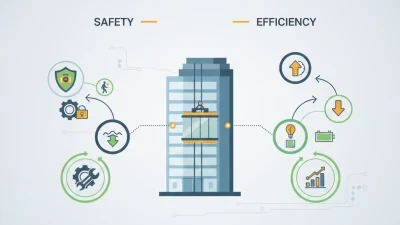
Picking the right elevator parts isn't just about keeping things running smoothly — it's really about safety and making sure everything works efficiently. Did you know that, worldwide, the elevator and escalator market is expected to grow at around 6.5% annually from 2021 to 2028? That just shows how much demand there is for quality spare parts and accessories. So, the first step is really understanding what your specific needs are — that’s key to choosing the right equipment and making sure your systems stay reliable.
The way your elevator performs depends a lot on its components. From basic Lift parts to smarter elevator accessories, every piece counts. For example, the quality of these accessories can seriously impact how energy-efficient your elevator is and how much it costs to run. I remember a report from MarketsandMarkets back in 2020 mentioning that using low-quality parts can lead to more downtime and higher maintenance expenses — which nobody really wants.
Of course, lots of companies offer all kinds of options, but not all of them focus on quality. It’s super important to check out your suppliers’ track records and whether they follow industry standards. Making the right choices here can really boost safety and cut down on risks. When it comes to upgrading your elevators or choosing spare parts, it’s worth taking your time and weighing costs against quality. In the end, those decisions really make a difference in how long your elevator lasts and how well it performs.
Understanding Elevator Component Basics and Their Functions
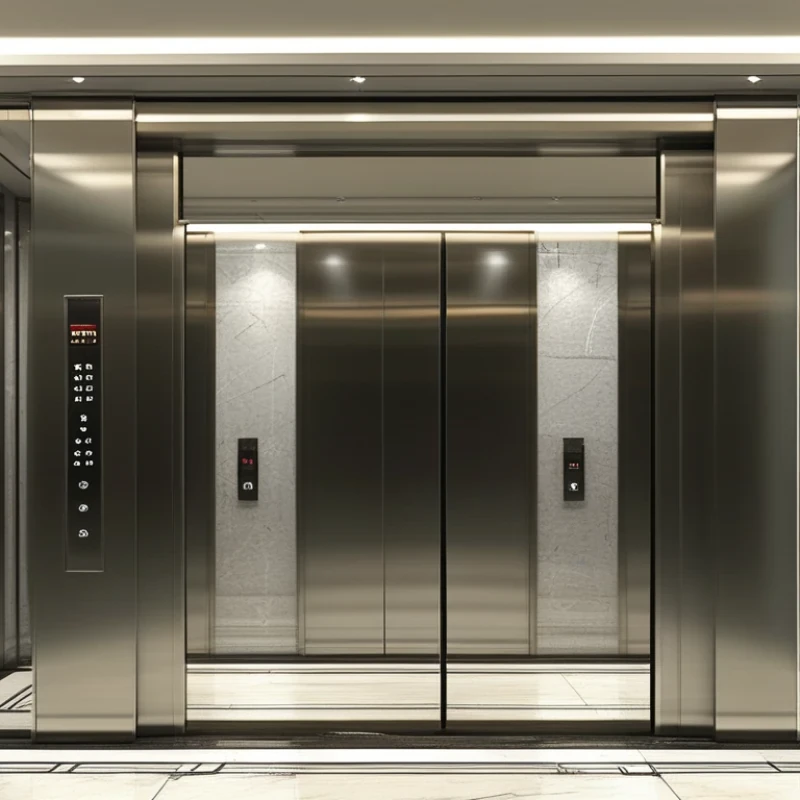
Choosing the right Elevator Components involves understanding their basics and functions. Each component plays a crucial role in ensuring efficient operation. For instance, the motor is responsible for lifting and lowering the elevator. It’s essential to select a motor that matches the load capacity and speed requirements of your building. A weak motor can lead to frequent breakdowns, affecting safety.
Another critical component is the control system. This system directs the elevator’s movements and interprets user commands. Advanced systems may offer features like energy saving or predictive maintenance alerts. However, a more sophisticated control system can sometimes be overwhelming. Users might struggle to adapt to complex interfaces. Balancing functionality and usability is key when evaluating options.
Lastly, cab design should reflect your building's aesthetics and passenger needs. Materials, lighting, and size matters. They influence the passenger experience. A cramped cab can lead to discomfort. Reflect on your building's traffic patterns as you choose. Each decision impacts efficiency and satisfaction. Understanding these elevator components can guide you toward the best choices for your specific scenarios.
Evaluating Load Capacity and Performance Requirements for Elevators
Choosing the right elevator components depends significantly on load capacity and performance. Industry reports indicate that over 60% of elevator-related accidents arise from improper load assessments. Accurate calculations are crucial. They ensure that the installed components meet safety standards and operational efficiency.
Load capacity is often determined by factors such as building height and expected traffic volume. A mid-rise building may require elevators with a 1,600 kg capacity, addressing daily usage needs. In contrast, high-rise structures can necessitate 2,500 kg or more. This differentiation helps avoid future overload situations and ensures smoother operations.
Performance metrics are equally important. Elevators should meet speed requirements based on building specifications. For instance, high-speed elevators typically travel at 3 meters per second or more. Reports suggest that any delay can result in significant user dissatisfaction. Therefore, evaluating both capacity and performance ensures a reliable elevator system that meets user needs effectively.
How to Choose the Right Elevator Components for Your Needs? - Evaluating Load Capacity and Performance Requirements for Elevators
| Component | Load Capacity (kg) | Speed (m/s) | Power (kW) | Usage Type |
|---|---|---|---|---|
| Traction Machine | 1000 | 1.6 | 5.5 | Passenger |
| Hydraulic Lift | 1500 | 0.8 | 7.5 | Freight |
| Dumbwaiter | 200 | 0.5 | 1.0 | Service |
| Vibrating Platform | 600 | 1.0 | 3.0 | Residential |
| Miniature Lift | 300 | 0.6 | 1.5 | Home |
Assessing Safety Standards and Regulations in Elevator Design
When designing an elevator, safety standards and regulations are crucial. Compliance ensures that the lift operates without risks to users. Elevators must meet national and local codes, which can vary widely. These codes often dictate load capacities, emergency systems, and maintenance protocols. For instance, how often should inspections occur? The required frequency can differ.
Understanding the safety features is equally vital. Automatic braking systems, emergency alarms, and adequate lighting are essential components. Regular training for maintenance staff is important, too. They need to know how to handle emergencies. Not all components are created equal; some may not meet rigorous safety checks. It's a continuous process to stay updated on evolving regulations.
Engaging with qualified professionals helps demystify these complex requirements. They bring expertise to evaluate your specific situation. The goal is not just compliance but also the longevity of the elevator. Regular reflection on these aspects allows for improvements. Are current safety measures enough? Frequent reassessments promote a safer experience for everyone.
Identifying Energy Efficiency Ratings and Sustainability Options
When selecting elevator components, focusing on energy efficiency is crucial. Energy-efficient elevators can significantly reduce operational costs and carbon footprints. According to the U.S. Department of Energy, elevators consume about 5% of a building's energy. Opting for components with high energy efficiency ratings can lead to noticeable savings.
Consider using components that meet sustainability standards. For example, some elevators are designed with regenerative drives, which can capture and reuse energy. This not only enhances efficiency but also aligns with green building initiatives. The International Energy Agency suggests that technologies like these can cut energy consumption by up to 30%.
Tips: Evaluate the energy performance label of each component. Look for those that comply with recognized standards, such as EN 81. You might want to consult the Energy Star ratings for more insights. Also, reflect on your building's unique demands. Not all Bucket Elevator Components are created equal. What's efficient for one building may not suit another.
Remember to think beyond the immediate costs. Sustainable options might have higher upfront costs but often lead to long-term savings. It's vital to analyze total lifetime costs, not just initial investments. Selecting the right components requires a careful balance between immediate needs and future goals.
Choosing Between Hydraulic, Traction, and Pneumatic Systems
When choosing elevator systems, consider hydraulic, traction, and pneumatic options. Hydraulic elevators use a fluid-driven mechanism. They excel in low-rise buildings. However, they may require more maintenance than other systems. The Hydraulic Elevator Components can wear over time, which affects efficiency.
Traction elevators utilize cables and pulleys for movement. They are ideal for mid to high-rise buildings. These systems offer smooth rides and faster speeds. They are also energy efficient. However, the installation process can be complex and expensive. This complexity might not suit every project.
Pneumatic elevators rely on air pressure. They are compact and easy to install. These systems fit well in residential settings. Yet, their speed and capacity remain limited compared to the other options. Understanding these differences helps in making an informed decision. Balancing budget, space, and usage is key to finding the right elevator.
Selecting Control Systems: Manual vs. Automatic Operation
When selecting elevator control systems, one of the first dilemmas is choosing between manual and automatic operation. Manual systems offer a direct approach. Operators have full control over the elevator's movements. This can be beneficial in smaller buildings with low traffic. However, it demands constant attention and can lead to human error, impacting efficiency.
On the other hand, automatic systems provide convenience. They streamline the process, allowing for smoother traffic management in high-rise buildings. Automatic systems help eliminate delays caused by human handling. Yet, they do come with complexities. Installation can be more challenging and requires advanced technology. Additionally, reliance on automated systems can lead to frustrations during outages or system failures.
Ultimately, each option has its pros and cons. It’s vital to assess user needs, building size, and speed requirements. Don’t overlook the importance of compatible Elevator Door Components. They can significantly influence overall performance. Engaging with experts in the field can help clarify the best choice.
Comparison of Elevator Control Systems
| Label | User Preference (%) |
|---|---|
| Manual Operation | 40 |
| Automatic Operation | 60 |
This chart illustrates the user preference between manual and automatic elevator control systems. According to recent surveys, 60% of users prefer automatic operation, appreciating its convenience and efficiency, while 40% still opt for manual operation, valuing control and familiarity.
Comparing Manufacturer Warranties and Maintenance Support Services
When selecting elevator components, it's essential to consider manufacturer warranties and maintenance support. These factors significantly affect your long-term costs and operational reliability. A solid warranty protects you against defects and ensures your investment is safeguarded. It can also reflect the manufacturer’s confidence in their product quality.
Maintenance support is another crucial area. Regular upkeep prevents unexpected breakdowns, extending the life of your elevator. Evaluate what services the manufacturer offers. Do they provide on-site support? How quickly can they respond to emergencies? This information is vital for planning your budget.
Reflecting on these choices can feel overwhelming. Many skip detailed comparisons, focusing only on immediate costs. However, overlooking long-term reliability can lead to serious frustrations down the line. Ignoring warranty details might save money now but cost much more in the future if issues arise.
Essential Components for Elevating Performance: The Role of OMA4351AEN Communication Board and RS53 XBA610AK2 in OTIS Elevators
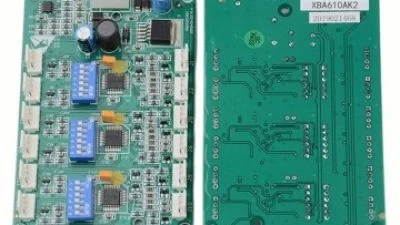
In the ever-evolving landscape of elevator technology, optimizing performance is paramount for enhancing operational efficiency and passenger safety. The integration of advanced communication systems like the OMA4351AEN Communication Board and the RS53 XBA610AK2 plays a pivotal role in achieving these objectives. These components are designed to facilitate seamless communication between various elevator subsystems, ensuring real-time data exchange and fault reporting. According to industry research, elevators equipped with such advanced communication technologies demonstrate up to a 30% increase in operational efficiency, ultimately reducing downtime and maintenance costs.
The OMA4351AEN Communication Board allows for streamlined interaction between the elevator controller and other critical systems, acting as a central hub for data processing and coordination. This integration not only enhances control capabilities but also supports predictive maintenance, which is crucial in minimizing unplanned outages. Studies suggest that predictive maintenance strategies can lead to a 25% reduction in maintenance-related issues, allowing for smoother operation and improving overall service quality. The RS53 XBA610AK2 complements this setup by providing robust networking and communication protocols that ensure reliability and speed in information transfer, essential for modern urban infrastructures.
As the elevator market continues to grow, projected to reach a valuation of approximately $130 billion by 2025, the demand for highly efficient, reliable communication solutions will only increase. The strategic implementation of the OMA4351AEN Communication Board and RS53 XBA610AK2 exemplifies a forward-thinking approach to elevator technology, aligning with current trends towards smart buildings and increased automation. In this competitive environment, embracing such advancements is crucial for companies aiming to elevate their operational performance and exceed the expectations of their clientele.
FAQS
: Key components include the motor, control system, and cab design. Each plays an important role in elevator operation.
A suitable motor matches the load capacity and speed needs. An unsuitable motor may lead to breakdowns and safety issues.
The control system directs movements and interprets commands. More advanced systems might overwhelm users due to complexity.
Cab design should reflect aesthetics and passenger needs. Cramped spaces lead to discomfort, affecting user experience.
Accurate load assessments prevent accidents. Performance metrics ensure a satisfactory speed and operational efficiency based on building needs.
Hydraulic elevators use fluid for low-rise buildings, while traction elevators use cables for faster speeds in mid to high-rise structures.
Pneumatic elevators are compact and easy to install, ideal for residences. However, they have limited speed and capacity.
Choosing the right elevator involves trade-offs. Overspending or space miscalculations can lead to regrets or operational inefficiencies.
Hydraulic systems may require more maintenance as components wear. This could create efficiency challenges over time.
Meeting speed requirements and avoiding delays can reduce dissatisfaction. Understanding traffic patterns helps maintain smooth operations.
Conclusion
When choosing the right elevator components, it's essential to start with an understanding of their basics and functions, ensuring they meet your specific needs. Evaluating load capacity and performance requirements will help determine the most suitable components for reliability and efficiency. Safety standards and regulations must always be assessed to ensure compliance and protect users. Additionally, considering energy efficiency ratings can contribute to a more sustainable option.
The selection process involves choosing between various systems such as hydraulic, traction, and pneumatic elevators, each offering unique advantages. It's also crucial to decide on control systems, weighing the benefits of manual versus automatic operation. Finally, comparing manufacturer warranties and maintenance support services can provide peace of mind and long-term support, ensuring that the chosen elevator components function optimally for years to come.