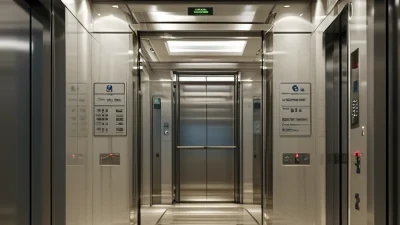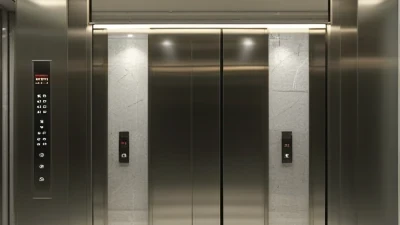
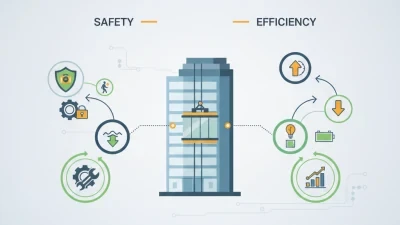
elevator parts really play a huge role when it comes to keeping everything safe and running smoothly. Companies like Elevate Inc. are all about providing top-notch elevator components and lift accessories. Every part, from the control system to safety brakes, has to work perfectly to keep everything on track.
In today’s buildings, being efficient isn’t just a perk — it’s kinda essential. Smart elevator tech helps move people more smoothly and cuts down on wait times and energy bills. But here’s the thing: not all spare parts are equal. Using low-quality elevator parts can cause things to break down or, worse, pose safety risks. That’s why regular check-ups and choosing good quality equipment are super important.
Honestly, these elevator components are not something to take lightly. Skimping on quality can lead to accidents or frustrating delays. It really makes you realize how important strict standards are in the elevator game. In the end, everyone involved should prioritize safety and efficiency — that’s what keeps people safe and the system working well.
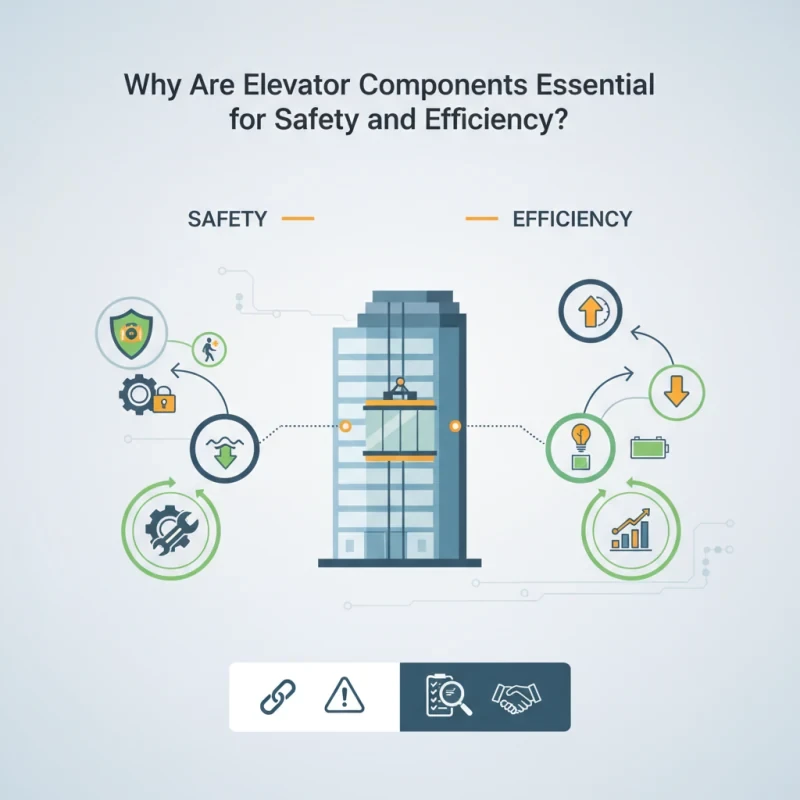
Understanding the Role of Elevator Components in Safety and Efficiency
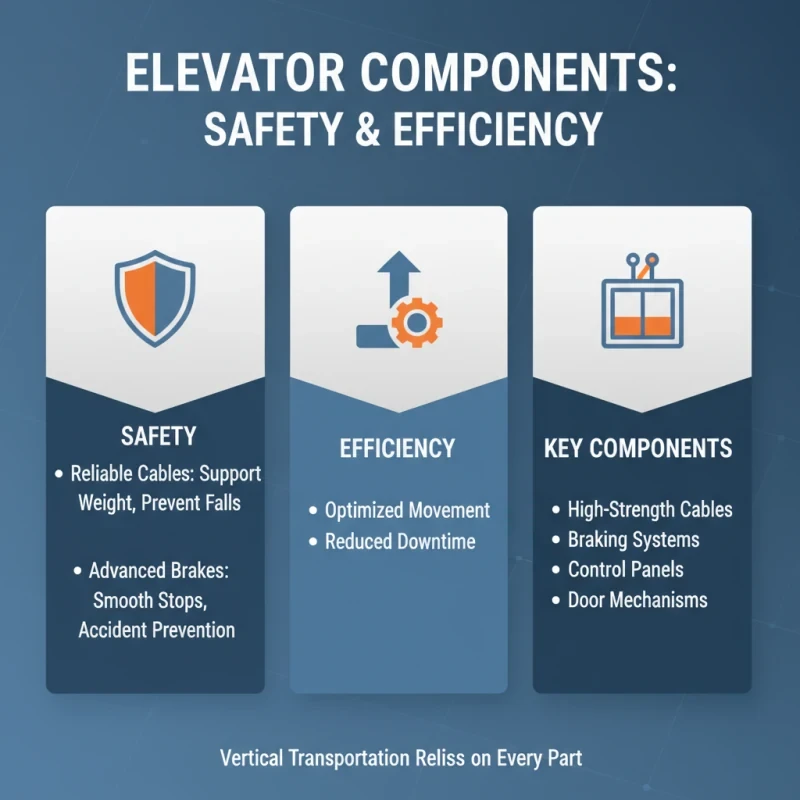
Elevator components play a crucial role in ensuring the safety and efficiency of vertical transportation. Each element, from cables to brakes, contributes to overall functionality. Reliable cables support the elevator's weight and movement, while advanced braking systems ensure smooth stops. Without these components, the risk of accidents increases significantly.
Regular maintenance is essential. Wear and tear can cause failures. For instance, a degraded cable may snap unexpectedly, leading to serious consequences. Similarly, outdated control systems may result in delays and inefficiencies. The importance of keeping these systems in check cannot be overstated. Neglecting them can compromise safety and increase operational costs.
We must also consider the human factor. Operators should be well-trained to handle emergency situations. An elevator can be advanced, but if the staff isn't prepared, vulnerabilities exist. Continuous education is vital for reinforcing safety protocols. The interplay between technology and human awareness ultimately determines the effectiveness of elevator systems.
Key Elevator Components That Ensure Safe Operation
Elevator Components play a crucial role in ensuring safety and efficiency in vertical transport systems. Certain parts, such as the braking system and door mechanisms, are vital for preventing accidents. Data indicates that improper functioning of these components contributes to over 25% of elevator-related incidents. Regular maintenance is essential to keep these systems in top condition.
The control panel serves as the brain of the elevator. It manages operations and communicates with users. A malfunction here can lead to significant delays or even entrapment. According to industry reports, nearly 30% of service calls are due to issues with control systems. This highlights the need for higher standards in elevator components, ensuring they meet safety guidelines.
Another core component is the cables and pulleys, which support the elevator's weight. Worn cables can lead to catastrophic failures. Inspection reports show that around 40% of cables in use reach their limit unexpectedly, emphasizing the importance of routine checks. Often, building managers overlooked these vital components, leading to regret later. Investing in quality components could save lives and improve service reliability.
The Importance of Regular Maintenance for Elevator Components
Regular maintenance of elevator components is crucial for ensuring safety and efficiency. Neglecting maintenance can lead to unexpected malfunctions. Essential parts, like the hoist and control systems, require regular inspections. A small issue could become a major problem if it's overlooked. Keeping an eye on these parts can save time and money in the long run.
Bucket Elevator Components must be checked routinely. These parts play a significant role in moving materials smoothly. Any wear or tear can disrupt operations. It's not just about functionality—it’s about safety. Properly maintained components prevent accidents and injuries.
Sometimes, maintenance is not prioritized. It’s easy to delay inspections. However, this can lead to serious consequences. It's important to acknowledge this oversight. Regularly scheduled evaluations of elevator systems are necessary. This can prevent minor issues from escalating into dangerous situations. Investing time in regular maintenance reaps significant benefits for everyone involved.
How Elevator Technology Enhances Transportation Efficiency
Elevators are crucial for urban transportation. They greatly enhance efficiency, especially in high-rise buildings. According to a recent report by the International Elevator and Escalator Research, over 70% of urban dwellers rely on elevators for daily commutes. This statistic highlights how essential they have become. Yet, many overlook the importance of elevator components, like Hydraulic Elevator Components, in ensuring smooth operations.
These components play a key role in transportation flow. A well-functioning hydraulic system can reduce wait times significantly. Studies suggest that efficient elevators can enhance overall building traffic by up to 30%. However, older systems without updated hydraulic components might face frequent breakdowns. This inconsistency can lead to frustration and increased waiting times, which contradicts the goal of efficiency.
In bustling environments, passenger safety is paramount. Faulty or outdated elevator components can jeopardize this. Reports have indicated that nearly 20% of elevator accidents stem from component failures. Regular maintenance and timely upgrades of hydraulic systems are vital. Inadequate attention to these areas reflects poorly on building management. It is crucial for decision-makers to prioritize efficiency and safety.
The Impact of Component Quality on Safety Standards
Elevator components play a crucial role in ensuring safety and efficiency. Component quality directly impacts safety standards. According to a recent industry report, 70% of elevator accidents are attributed to faulty parts. This alarming statistic highlights the necessity for high-quality components.
Using inferior materials can lead to malfunctions. Many companies overlook this aspect to cut costs. However, this approach can endanger lives. Regular inspections and audits are essential. They help identify issues before they escalate. Keeping components in optimal condition is not just good practice; it is a legal obligation in many jurisdictions.
**Tip:** Invest in high-quality components. They may cost more upfront but save money in the long run.
Maintenance schedules should never be neglected. Proper upkeep can enhance performance and lifespan. A study indicated that well-maintained elevators can last up to 25% longer. The difference in reliability is significant. Remember, neglecting maintenance could lead to severe consequences.
**Tip:** Always document maintenance history. This helps track issues and maintains safety compliance.
Regulatory Compliance and Its Relation to Elevator Components
Elevators play a key role in modern buildings. Their components, such as brakes, cables, and control systems, ensure smooth operation. However, regulatory compliance is crucial for safety. Companies need to adhere to local safety standards. These standards help prevent accidents and ensure reliability.
Many elevator components are required by law. Regular inspections and maintenance keep them in check. A malfunctioning brake or cable can lead to serious accidents. The absence of compliance can result in significant fines or worse. Building managers often overlook these regulations, focusing instead on aesthetics. This oversight can have dire consequences.
Investing in quality components is necessary but not sufficient. Understanding and following regulations is equally important. It's easy to let regulations fall by the wayside in favor of cost-cutting. However, this attitude can compromise safety. In the long run, prioritizing compliance can save lives and protect investments.
Innovations in Elevator Components for Improved Safety and Efficiency
The evolution of elevator components is crucial for enhancing safety and efficiency in vertical transport systems. Recent studies reveal that about 20% of elevator-related accidents occur due to malfunctions in Elevator Door Components. Innovations in sensors and locking mechanisms have significantly minimized these risks. For instance, new sensor technology can detect human presence and prevent doors from closing, reducing the chance of injury.
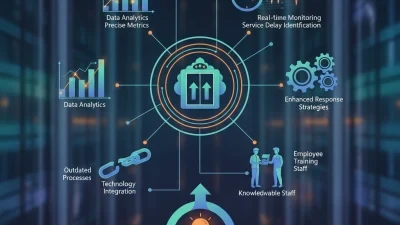
Furthermore, with the integration of smart technology, elevators now offer real-time monitoring. Data analytics can predict potential failures before they happen. A study by a leading engineering firm showed that predictive maintenance can reduce downtime by up to 30%. This efficiency translates directly into higher user safety as elevators operate smoothly without unexpected interruptions.
Yet, the industry still faces challenges. Not all buildings can afford the latest innovations. Often, outdated systems remain in use. These older models may lack advanced features like emergency brakes and recall systems. Regular maintenance is vital, but not always prioritized. As we innovate, bridging the gap between old and new technology will be essential for overall safety in elevator systems.
Why Are Elevator Components Essential for Safety and Efficiency?
Innovations in Elevator Components for Improved Safety and Efficiency
| Component | Function | Safety Feature | Efficiency Benefit | Recent Innovations |
|---|---|---|---|---|
| Door Sensors | Detects obstructions during door operation | Prevents door closing on passengers | Reduces wait time due to better door control | Advanced infrared and laser technology |
| Safety Brakes | Stops elevator from falling in case of a malfunction | Emergency stop functionality | Increases operational reliability | Smart brake systems with real-time monitoring |
| Control Systems | Manages elevator movement and stops | Optimizes travel routes for safety | Improves energy consumption | AI algorithms for predictive maintenance |
| Load Sensors | Detects weight of passengers or freight | Prevents overload situations | Enhances trip time efficiency | Wireless load monitoring systems |
| Communication Systems | Facilitates communication during emergencies | Direct line to emergency services | Reduces downtime during incidents | Smartphone integration for real-time updates |
Comprehensive Overview of Hall Call Display Boards: Essential Elevator Parts for Modern Elevation Systems
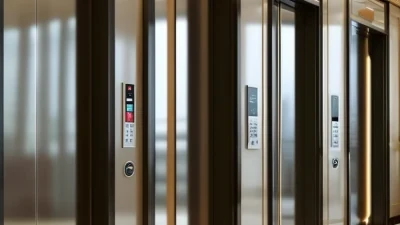
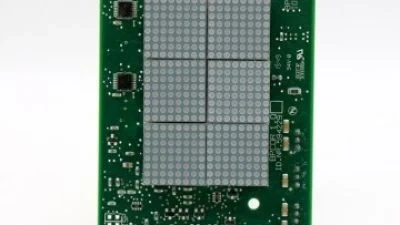
Elevator systems have evolved significantly, and the hall call display boards represent a crucial component in modern vertical transportation. These boards serve a vital role in allowing passengers to call elevators from different floors, indicating where the elevator is heading and providing real-time updates. Their functionality enhances user experience, ensuring that individuals can navigate multi-story buildings efficiently and effectively.
Among the various types of hall call display boards available, options like the 594230, 594232, 594231, and 594229 models are designed to meet diverse needs in both commercial and residential settings. These models feature user-friendly interfaces and clear visual indicators, making it easier for users to understand elevator status and availability. Each type offers unique specifications that cater to specific requirements, ensuring seamless integration into existing elevator systems.
In addition to their practical applications, these display boards contribute to the overall design aesthetic of the building. Their sleek and modern appearance can complement various architectural styles while providing essential functionality. By investing in high-quality hall call display boards, building managers can enhance the operational efficiency of their elevators while improving the overall passenger experience.
FAQS
: Regular maintenance ensures safety and efficiency. Neglect can lead to unexpected malfunctions.
Essential parts include hoist and control systems. Small issues can escalate into major problems if ignored.
Regular checks prevent disruptions in operations. They also enhance safety and reduce risks of accidents.
Delaying maintenance can lead to serious consequences. It is important to recognize the risks involved.
Elevators improve efficiency, especially in high-rise buildings. Over 70% of urban dwellers depend on them.
Inefficient elevators increase wait times significantly. This can frustrate users in busy environments.
Upgrading components prevents frequent breakdowns. It ultimately improves safety and operational efficiency.
Reports indicate that nearly 20% of accidents stem from faulty components. Regular maintenance can mitigate these risks.
Monitoring components prevents minor issues from becoming costly problems. This proactive approach can reduce expenses over time.
Many overlook the importance of components that ensure smooth operations. This neglect can lead to serious safety concerns.
Conclusion
Elevator components play a crucial role in ensuring the safety and efficiency of vertical transportation systems. Understanding how various components function together helps highlight their importance in maintaining safe operations. Key elements such as brakes, cables, and control systems are designed to minimize hazards and enhance performance. Regular maintenance is essential for these components to prevent malfunctions and extend the lifespan of the elevator, thereby ensuring optimal safety standards.
Moreover, advancements in elevator technology continuously improve transportation efficiency by optimizing speed and energy consumption. The quality of elevator components directly influences regulatory compliance, which is vital for maintaining safety standards. Innovations in this field are not only aimed at enhancing functionality but also focused on improving safety measures, ultimately leading to a more reliable and efficient transport solution in buildings.
Related Posts
-

How to Choose the Famous Best Elevator Components Company for Your Needs?
-
What are Elevator Accessories and Their Importance in Modern Elevators
-

How to Choose the Right Elevator Components for Your Building?
-
2026 How to Optimize Elevator Controls Corp for Efficiency?
-
Famous Best Elevator Switch Products You Should Know?
-
Top 10 Elevator Accessories You Must Have for Safety?