
Choosing the right elevator components for your building isn’t exactly a walk in the park, is it? With so many parts and accessories out there, it can be pretty overwhelming to figure out what’s best. Did you know? According to a report from Global Market Insights, the elevator equipment industry might hit over $115 billion by 2027. That’s a huge number, but it really shows just how much the industry is growing—mainly because cities are getting denser and taller than ever before.
John Smith from Elevation Solutions, a pretty well-known expert, says, “Picking the right spare parts for your elevator isn’t just about saving a few bucks. It’s really about making sure everything runs smoothly and safely.” His words remind us that there’s a tricky mix of costs and performance to consider. Factors like how tall the building is, how busy it gets, and what users need can really influence what parts are the best fit.
Plus, with all the tech advancements, elevator modernization is definitely a hot topic. Not every component, though, is built the same. Figuring out which Lift accessories match your goals can sometimes feel a bit tricky, and taking the time to really think about your options might surprise you—sometimes you’ll see unexpected pros and cons. In the end, a careful, well-thought-out selection process will help make your elevator system more reliable and efficient—and who doesn’t want that?
Understanding the Importance of Elevator Components in Building Design
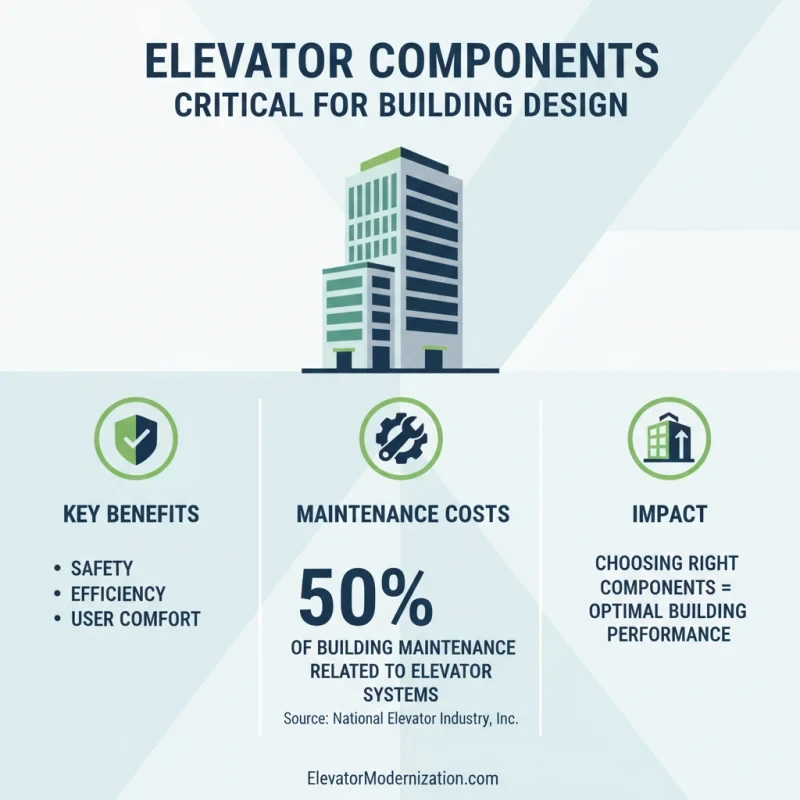
Elevator components play a critical role in building design. They ensure safety, efficiency, and comfort for users. A study from the National Elevator Industry, Inc. highlights that nearly 50% of building maintenance costs relate to elevator systems. Choosing the right components can significantly impact overall building performance.
One tip is to assess the building's usage patterns. High-rise buildings benefit from more robust, durable components. Understanding traffic flow is also key. For example, a busy office tower may require faster elevators to minimize wait times.
Another important consideration is energy efficiency. According to a report by the U.S. Department of Energy, energy-efficient elevators can reduce energy consumption by up to 30%. Selecting components that meet these criteria can lower operational costs. However, many builders overlook this aspect, leading to higher long-term expenses.
Regular maintenance is essential. Some components need constant monitoring, like brakes and control systems. Neglecting them can result in safety issues. It's crucial to plan for regular inspections and realize that not every component will operate flawlessly forever.
Key Types of Elevator Systems and Their Applications
When choosing elevator systems, understanding their types and applications is crucial. Two primary systems stand out: traction and hydraulic elevators. Traction elevators use cables and pulleys, making them suitable for mid to high-rise buildings. They are energy-efficient and offer smooth rides. However, installation can be complex, requiring adequate overhead space.
On the other hand, hydraulic elevators are ideal for low-rise buildings. They use a piston and are generally easier and quicker to install. However, they may not be as efficient in energy use compared to traction systems. Consider the space and building height when deciding.
It's essential to evaluate these systems carefully. Each selection impacts operational efficiency and user experience. The right choice may require compromises or adjustments. Often, the decision isn't straightforward. Balancing cost, space, and function can lead to unexpected challenges. Aspects like maintenance costs should also factor into the equation.
Factors to Consider When Selecting Elevator Components
Selecting the right Elevator Components is essential for building safety and efficiency. Key factors to consider include the building’s height, capacity, and traffic flow. For buildings exceeding five stories, high-performance elevator components become necessary. Data suggests that improper selection can lead to increased maintenance costs by as much as 30%.
Designing for future needs is also crucial. Consider whether the elevator components can support upgrades. Flexibility is not just a luxury; it’s a necessity. Many outdated systems cannot handle modern demands, leading to frustrating delays. About 20% of buildings face such challenges within a decade of installation.
Sustainability is another critical aspect. Look for energy-efficient elevator components. Reports show that energy-efficient elevators can reduce power consumption by up to 50%. This not only benefits the environment but also significantly cuts operational costs. However, achieving this requires a balance between cost and performance. That can be tricky. Therefore, focusing on long-term benefits while being mindful of upfront costs is vital.
How to Choose the Right Elevator Components for Your Building? - Factors to Consider When Selecting Elevator Components
| Component | Material | Capacity | Speed | Safety Features |
|---|---|---|---|---|
| Elevator Cab | Steel | 2000 lbs | 200 fpm | Emergency brakes, Anti-slip floor |
| Control System | Electronic | N/A | N/A | Automatic rescue device |
| Motor | AC | 3 HP | 300 fpm | Overload protection |
| Door System | Stainless Steel | N/A | N/A | Sensor detection |
| Guide Rails | Aluminum | N/A | N/A | Stability supports |
Evaluating Load Capacity and Traffic Flow Requirements
When choosing elevator components, evaluating load capacity and traffic flow is crucial. According to the National Elevator Industry, elevators should accommodate a minimum of 1,600 pounds for standard buildings. Analyze the peak traffic hours. You want to ensure people don’t wait too long. A well-placed elevator can handle 15 people per minute.
Certain buildings require specialized Bucket Elevator Components for efficient transport. For example, high-rise buildings often need more robust systems to handle heavier loads and faster trips. The ratio of elevator service to the number of floors is vital. If you have more than 15 floors, consider adding a second elevator to reduce wait times.
Tips: Use software tools to simulate traffic flow. This helps visualize peak times and optimal capacity needs. Regular assessments of elevator performance ensure it meets your building’s demands. Remember, it’s not just about fitting components; they must work seamlessly together. Sometimes, even well-chosen components can fall short in real-world scenarios. Regularly collect feedback from users to identify issues.
Choosing Between Hydraulic and Traction Elevators
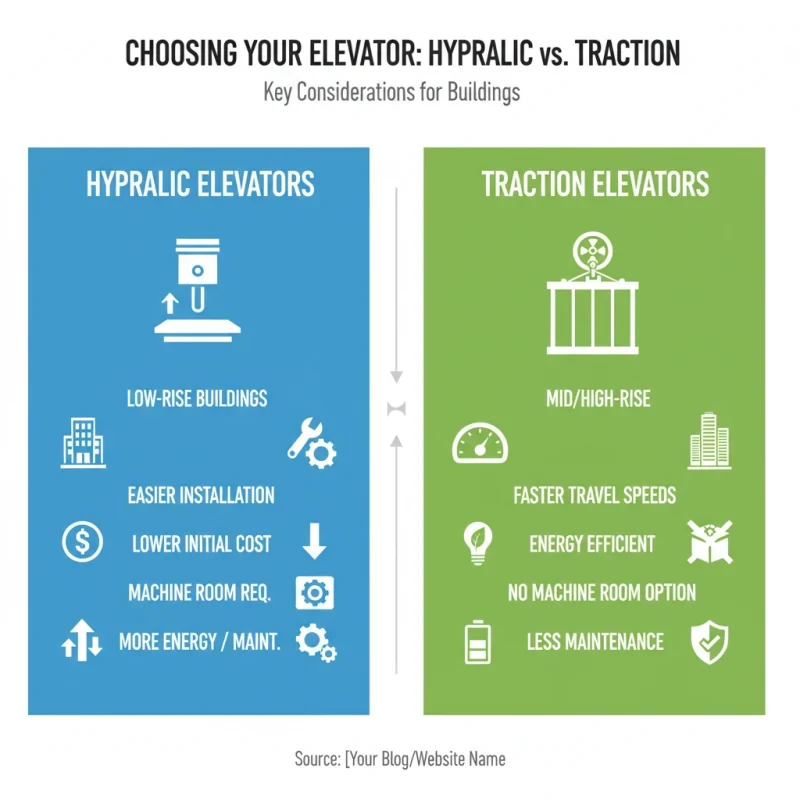
When choosing between hydraulic and traction elevators, understanding the specific needs of your building is essential. Hydraulic elevators use a fluid-driven piston for movement. They are typically easier to install in low-rise buildings. Their installation costs can be lower, especially where a machine room is essential. However, they may consume more energy and require more maintenance over time.
Traction elevators, on the other hand, use a system of pulleys and cables. They are more efficient for taller buildings, often exceeding six stories. Reports indicate that traction elevators can save up to 50% more energy compared to hydraulic models, making them a better choice for high-rise structures. Additionally, these systems provide smoother rides with less noise, enhancing the overall user experience.
**Tips:** Assess the building’s height. If it’s above six stories, traction may be more beneficial. Consider the long-term operational costs. Hydraulic systems may save money upfront but could incur higher maintenance costs. Always factor in energy efficiency, as this could significantly impact overall operating budgets. It’s crucial to analyze these factors carefully. Choosing the right type can streamline operations and improve property value over time.
Assessing Safety Features and Compliance Standards
When selecting elevator components, safety features and compliance standards are critical. Various reports indicate that elevators contribute to over 10,000 accidents annually in the U.S. alone. This highlights the importance of rigorous safety assessments. Understanding the safety regulations is crucial for any building's operational efficiency. The American Society of Mechanical Engineers (ASME) provides safety codes for these systems. Ignoring these can lead to costly mistakes.
Hydraulic Elevator Components play a vital role in ensuring safety. Regular maintenance is essential, as wear and tear can compromise their efficiency. Many buildings overlook the importance of routine checks. A survey revealed that nearly 30% of elevators inspected failed safety tests due to neglect. This reveals that, while components may be up to code, actual safety can be questioned.
It's not just about installation. Compliance with local and national safety standards is imperative. Many regions enforce standards set by the National Elevator Industry, Inc. However, a gap often exists between compliance and practical safety. Building owners must prioritize education and training for staff. This helps in recognizing potential hazards early, leading to safer environments for all occupants.
Safety Features Assessment for Elevator Components
| Safety Features | Safety Feature Compliance (% Compliance Standards) |
|---|---|
| Emergency Brakes | 85 |
| Door Safety Sensors | 90 |
| Load Weighing Systems | 75 |
| Overspeed Governors | 80 |
| Fireman Switch | 95 |
Maintenance Considerations for Elevator Components
When maintaining elevator systems, the focus should be on key components. Regular inspections are essential to ensure safety and functionality. Components like the elevator door system require close attention. Faulty Elevator Door Components can lead to serious safety issues. Even small malfunctions can disrupt building operations.
Elevator door components need regular lubrication. Neglecting to maintain them can cause wear and tear over time. Remembering to check for any misalignments is crucial. A misaligned door can lead to accidents. It’s essential to schedule periodic assessments. However, not all maintenance routines are thorough, which can be a concern.
Training staff to recognize warning signs is important. Sometimes, minor noises indicate larger problems. Ignoring these issues can escalate repair costs. Building managers often underestimate the importance of proactive maintenance. Implementing a comprehensive maintenance plan can improve the lifespan of all components. Delaying action can harm elevator reliability.
Optimizing Elevator Performance with DAA24270N22 Steel Belt Weighing Device and OTIS Parts
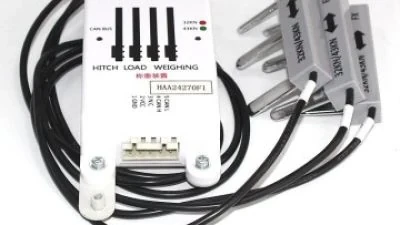
In the competitive landscape of vertical transportation, optimizing elevator performance has become a paramount concern for building management and engineering professionals. One innovative solution emerging in the industry is the integration of advanced weighing devices like the DAA24270N22 steel belt weighing device. This technology enhances the operational efficiency of elevators by providing real-time data on load weights, ultimately enabling more precise control of elevator functions.
Studies have shown that elevators can consume up to 5% of a building’s energy use, making accuracy in load management essential for reducing operational costs. With devices such as the DAA24270N22, building managers can monitor payloads effectively to minimize unnecessary energy expenditure. By continuously assessing the weight of passengers and cargo, the device helps prevent overloading, which is a common cause of increased wear and tear on elevator systems. This not only extends the lifespan of the elevator components but also enhances passenger safety and comfort during transit.
Moreover, when paired with high-quality elevator parts, the performance of the overall system can be significantly enhanced. Reports indicate that elevators equipped with smart technology and feedback systems can improve throughput by up to 20%, which is crucial in high-traffic environments. As the industry moves towards more integrated and intelligent solutions, leveraging tools like the DAA24270N22 steel belt weighing device represents a forward-thinking approach to elevating the standards of performance, safety, and energy efficiency in modern buildings.
FAQS
: Read regularly to enhance vocabulary. Practice writing daily, even short pieces. Find a writing group for feedback.
Create a daily schedule with priorities. Break tasks into smaller steps. Avoid multitasking; it often reduces productivity.
Ensure goals are specific and measurable. Reflect on what truly matters to you. Adjust them as needed to stay realistic.
Feedback helps identify strengths and weaknesses. It encourages growth and provides different perspectives on your work.
Take breaks and step away from writing. Change your environment for inspiration. Try free writing to get thoughts flowing.
Yes, mistakes are valuable learning tools. They highlight areas needing improvement. Embrace them as part of the process.
Conclusion
When designing a building, selecting the appropriate elevator components is crucial for ensuring efficiency and safety. Understanding the importance of these components helps in evaluating various types of elevator systems, such as hydraulic and traction elevators, to determine their specific applications based on load capacity and traffic flow requirements.
Key factors to consider include safety features, compliance with industry standards, and long-term maintenance implications. By carefully assessing these elements, building managers can optimize their elevator systems to meet the unique demands of their structures, ultimately enhancing user experience and operational reliability. Choosing the right elevator components is not just a matter of functionality but also a commitment to safety and compliance in vertical transportation within buildings.