When you think about modern elevators today, it's pretty clear thatsafety and smooth operation really hinge on the latest tech — especially Elevator Switch systems. Here at Zhuhai Link Industrial Co., Ltd., we’ve been leading the charge since we started back in June 2017. Our focus is on selling, installing, and maintaining all kinds of elevators, and we're pretty proud to say we move over 200 units each year.
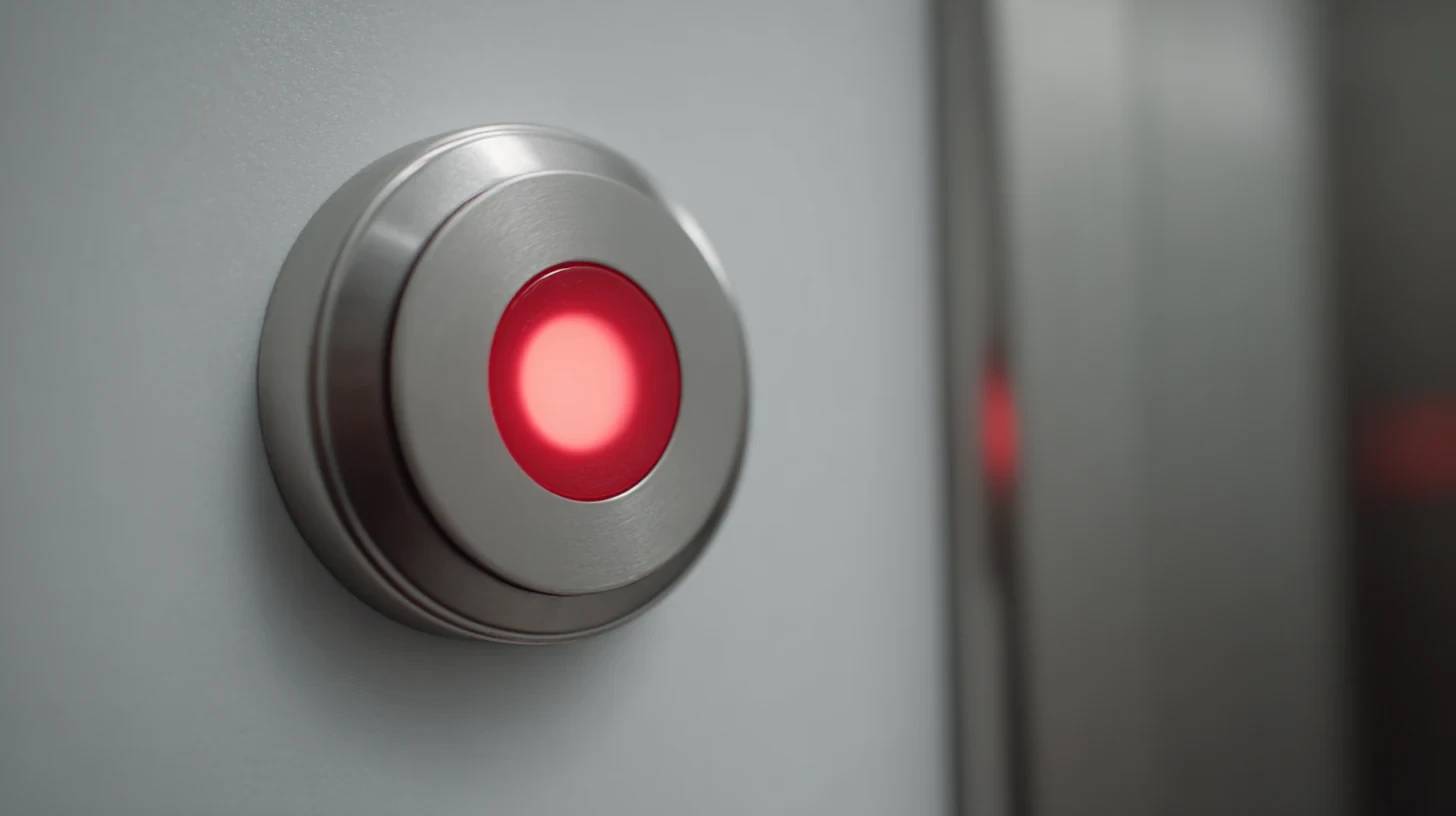
We’re always pushing to improve elevator performance and safety by staying up-to-date with the newest Elevator Switch technology. This stuff not only makes Lifts safer but also helps them run more smoothly, giving users a better, more reliable ride.
In this article, I want to walk you through how Elevator Switches work and how they actually make elevators safer and more efficient — because we're really dedicated to quality and innovation in this industry, and it shows in what we do.
How Elevator Switch Technology Works: A Comprehensive Overview
Elevator switch technology might not be something you think about every day, but honestly, it’s a pretty crucial part of making elevators safe and efficient. These switches act as the first line of defense — they help prevent accidents by making sure doors open and close properly and can spot any system faults before things go wrong. Did you know that, according to the International Organization for Standardization (ISO), around 30% of elevator accidents happen because of door issues? That really shows just how important solid switch tech is when it comes to keeping things safe.
How do these elevator switches actually do their thing? Well, they rely on some pretty advanced sensors that keep tabs on the lift’s position and movement. For example, magnetic switches can double-check that the doors are fully closed before the elevator decides to move. Including these kinds of switches in elevator design doesn’t just boost safety; it also helps save energy. In fact, a study from Elevator World magazine found that elevators with modern switch systems can cut energy use by as much as 15%. Pretty impressive, right?
A quick tip: regularly maintaining those switches can really extend their life. Building managers should probably plan to inspect them twice a year — you don’t want something failing at the worst moment. Also, keeping an eye on the latest in switch technology can make a big difference. Upgrading existing systems can lead to better performance and make sure everything stays up to code and safe.
Understanding Elevator Switch Technology: Enhancing Safety and Efficiency in Modern Lifts
| Feature | Description | Benefits |
|---|---|---|
| Safety Sensors | Devices that detect obstacles in the elevator's path. | Prevent accidents by stopping the lift when detecting obstructions. |
| Limit Switches | Controls the maximum and minimum levels of elevator travel. | Ensure the lift operates within its designed parameters. |
| Door Sensors | Sensors that detect if the doors are open or closed. | Enhance user safety by preventing accidental door closures. |
| Microcontroller-Based Systems | Advanced systems that control elevator operations with precision. | Increase efficiency and responsiveness of elevator operations. |
| Emergency Call Systems | Systems that allow passengers to communicate during emergencies. | Provide peace of mind and quick assistance during critical situations. |
Key Components of Elevator Switch Systems for Improved Functionality
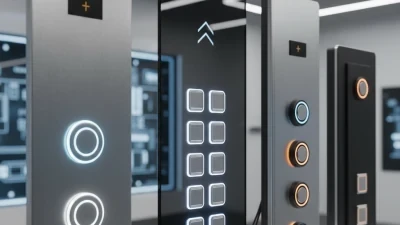
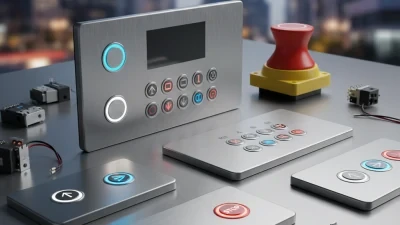
Elevator switch systems are super important for keeping modern lifts safe and running smoothly. They include a bunch of key parts, like door sensors, limit switches, and control panels. Door sensors are there to make sure the doors don’t close while someone’s trying to get in or out, which really helps cut down on accidents. Limit switches, on the other hand, keep track of the highest and lowest points the elevator can go, making sure it doesn’t go beyond the floors it’s supposed to stop at. Then there are the control panels — they’re like the brain of the operation, giving operators quick access to all the vital info and controls they need.
When you're choosing elevator switch tech, it’s a good idea to pay attention to features that boost safety. For example, systems with backup sensors—redundant ones—are a much safer bet because if one fails, the other can take over and keep everything running smoothly. Also, regular checks and maintenance on these parts are pretty much a must to prevent any hiccups that could compromise safety or performance.
Another thing to consider is how flexible the system is. The best modern elevators can adapt to all sorts of building designs and needs. Some high-tech systems even connect with smart technology for real-time monitoring and diagnostics. This means any issues can be spotted early, keeping things safe and efficient, plus helping to save energy and make the lift more sustainable.
And yeah, investing in smart elevator tech might seem a bit pricey upfront, but it can really pay off over time with lower operating costs. Just make sure your system lines up with the latest industry standards so you’re always getting top-notch safety and efficiency.
Safety Mechanisms in Elevator Switches: Protecting Users Effectively
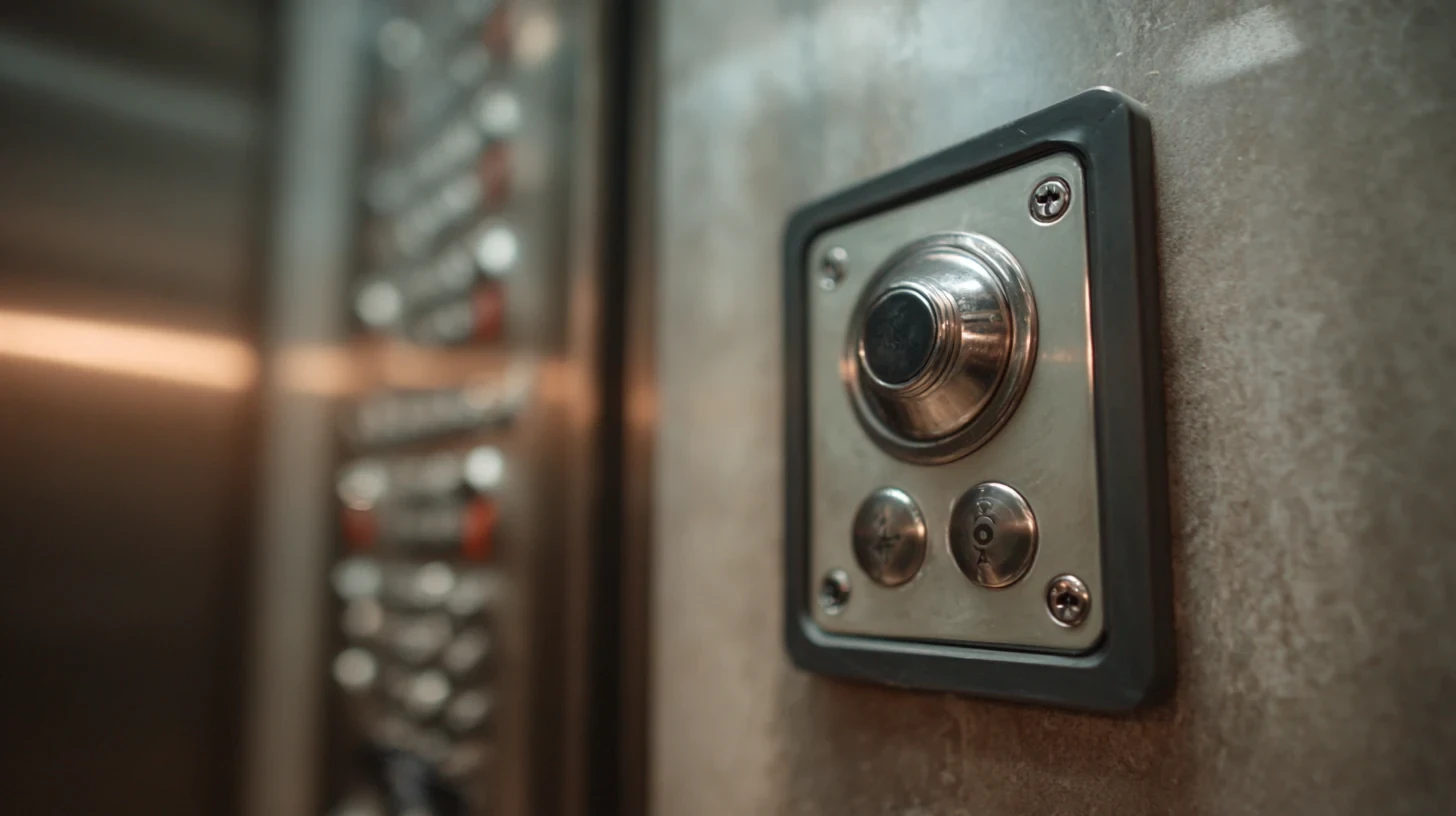 Modern elevators — especially things like the Genie’s Lift Guard System — really do a great job of keeping folks safe from getting crushed. This system has this cool “free-movement zone,”which basically means that if something’s blocking the activation cable or the control panel, it doesn’t stop the elevator from working. It’s kinda like giving it a littlewiggle room, so it can still react if something unexpected comes up and avoids accidents from happening. It’s a smart way to keep everyone safe without making the system overly complicated.
When you look at industry data, it’s clear just how critical safety devices are in elevator operation. For example, after a lift mishap, an independent review showed that these safety features were actually working like they’re supposed to — which probably prevented much worse injuries. But it also highlights how important it is to strictly stick to safety protocols. Take limit switches, for instance — reports from the International Marine Contractors Association (IMCA) have pointed out that many accidents happen because operators accidentally bypass or override these crucial safety parts. It just stresses how vital these switches are in keeping people safe.
Plus, industry experts are saying that elevators with high-tech safety features like seismic alarms or water resistance are becoming the new norm — especially in areas prone to earthquakes. These upgrades not only help comply with safety codes but also make folks feel more confident using elevators. As technology keeps improving, the goal is to develop systems that do their job well, protecting users without compromising on smooth operation. All in all, it’s about making elevators safer and more reliable for everyone.
Enhancing Efficiency: The Role of Smart Elevator Switch Technology
Smart elevator switch technology is really changing the game when it comes to making lifts run better these days. Basically, these smart systems are designed to make elevator operation smoother, cut down those annoying wait times, and even save energy. They use sensors and data analysis to keep track of traffic and respond in real time. So, instead of stopping at every floor, the elevator can head straight to the floors that see the most use or group folks with similar destinations together. It’s all about making rides quicker and less of a hassle.
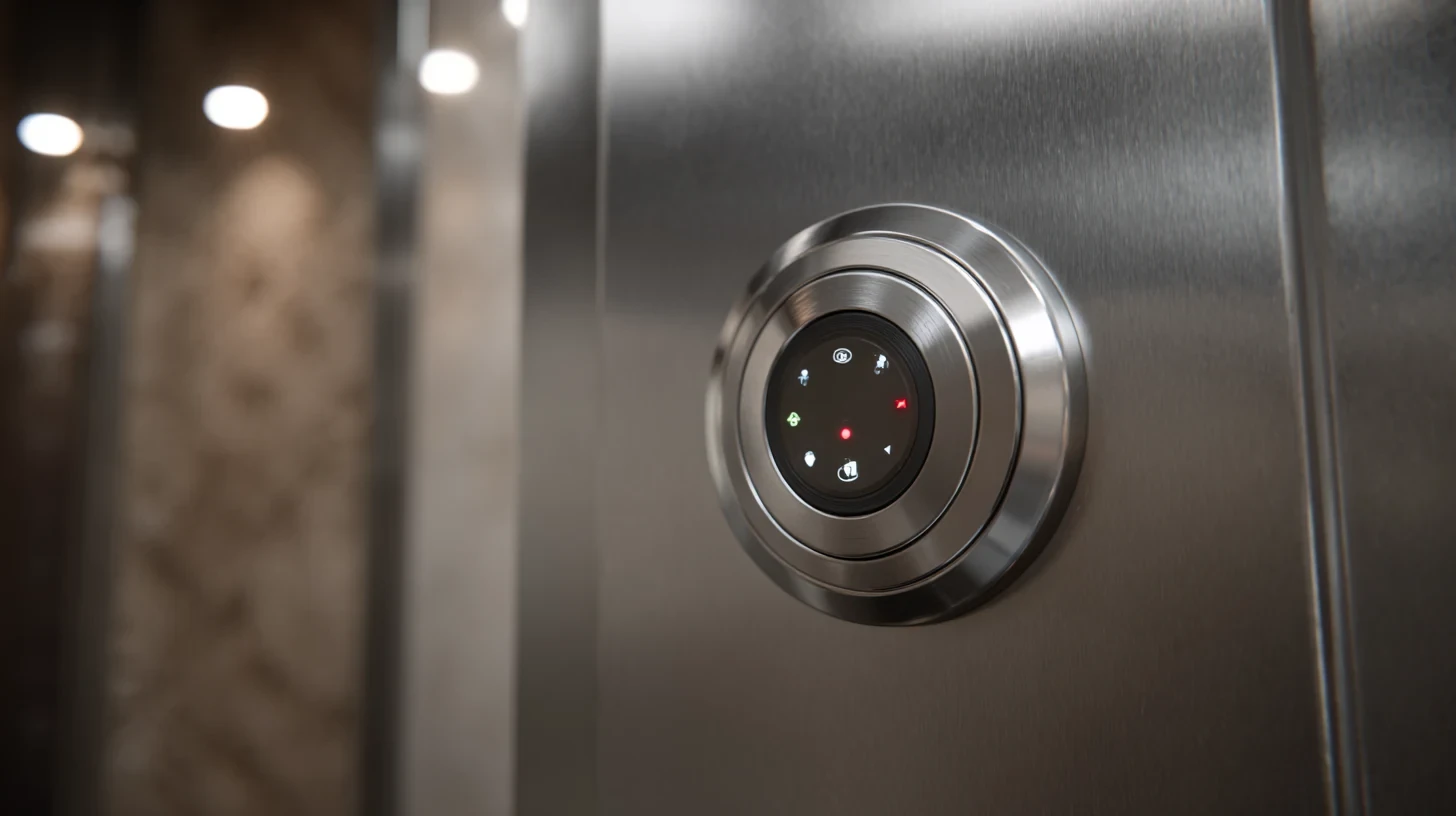
Plus, adding this tech to elevators makes a real difference in how users experience it. Features like predictive maintenance mean the elevator’s less likely to break down unexpectedly, making rides more reliable and hassle-free. And by collecting info on how people use the elevators, building managers can plan smarter maintenance and even design future elevators that actually fit the specific needs of that building. Overall, smart elevator switch tech isn’t just making elevators more efficient — it’s also making them safer and more comfortable for everyone. You can see how this is a pretty big step forward in modern vertical transport systems.
Future Trends in Elevator Switch Innovation and Design
You know, as the elevator industry keeps on changing and improving, the way we design and develop elevator switches is really taking center stage when it comes to safety and efficiency. I came across a report from the International Lift and Escalator Industry (ILEI) that yards the market for smart elevator systems is expected to grow pretty steadily—about 7.5% CAGR up until 2027. A big part of this growth? It’s all about smarter switch tech, especially with IoT (that’s Internet of Things) capabilities making everything run smoother and more efficiently.
Looking ahead, it seems like we're heading toward a future where AI and machine learning will play an even bigger role in how elevator switches are built. These tech advances aren’t just cool; they help with predictive maintenance—meaning fewer unexpected breakdowns, which could cut downtime by roughly 30%, according to a study by the Global Association of Elevator Engineers (GAEE). Plus, with sensors that can detect issues on the fly, riding the elevator becomes not only smoother but safer. As buildings get more complex, focusing on these innovative, smart switch solutions really feels like the way forward—both to stay compliant with safety rules and to give users a better experience.
Best Practices for Maintaining Elevator Switches to Ensure Longevity
Elevator switch tech might not be the flashiest part of a lift, but honestly, it's pretty crucial for keeping things safe and running smoothly. You know, regularly checking on those switches isn't just about prolonging their life—it’s a smart move to avoid those annoying malfunctions that could put passengers at risk. Industry folks say that elevators with good quality, well-maintained switches tend to stay up and running better. Experts usually recommend a quick tune-up every six months—that way, you're staying ahead of any problems. Doing this kind of proactive maintenance isn’t just good for the equipment; it’s all about making sure everyone feels safe the next time they hop on an elevator.
So, when it comes to taking care of those switches, a few simple habits help a lot—like checking the wiring and connections for cracks or wear, and making sure the switches still work like they’re supposed to. The International Association of Elevator Engineers points out that sticking to a regular maintenance plan can actually boost the lifespan of elevator parts by up to 30%. Plus, using top-notch materials in the switches can cut down on friction and wear over time, which means elevators keep gliding along nice and quietly. And hey, keeping the maintenance crew up-to-date with the latest tech and tricks isn’t a bad idea either—it really makes a difference in making sure everything runs smoothly and safely.
Understanding Elevator Switch Technology: Safety and Efficiency Metrics
| Label | Metrics |
|---|---|
| Safety Features | 90 |
| Efficiency Improvements | 85 |
| Maintenance Frequency | 70 |
| User Satisfaction | 80 |
| Operational Costs | 65 |
Essential Guide to DBA24270F1 and FBA24270M Weighing Device Sensors in OTIS Elevator Maintenance and Upgrades
In the realm of elevator maintenance and upgrades, understanding the critical components of weighing devices is essential. The DBA24270F1 and FBA24270M sensors are two prominent options catering specifically to the needs of OTIS elevators. These sensors play a vital role in ensuring the safe and efficient operation of elevators by accurately measuring the load weight and providing real-time data to the control systems.
The DBA24270F1 sensor is designed for reliability and precision, making it an excellent choice for various elevator configurations. Its advanced technology allows for quick response times and minimal calibration needs, ensuring that maintenance teams can depend on its performance during routine checks and upgrades. On the other hand, the FBA24270M sensor boasts enhanced durability and compatibility, making it suitable for both modern installations and retrofitting older models. Together, these sensors provide a comprehensive solution for maintaining optimal elevator functionality amid the evolving demands of urban infrastructure.
Integrating the DBA24270F1 and FBA24270M sensors into OTIS elevator systems not only boosts operational safety but also enhances the overall efficiency of the service. With their distinct features tailored to different operational scenarios, these sensors ensure that maintenance practices are supported by cutting-edge technology, ultimately leading to reduced downtime and improved service reliability.
FAQS
: Elevator switches are critical components that ensure the safety and efficiency of lifts by serving as the first line of defense in operations, significantly reducing the risk of accidents, particularly those related to door malfunctions.
Advanced switch technology, such as magnetic switches, not only enhances safety by ensuring doors are securely closed but can also optimize energy consumption, improving it by up to 15% in elevators equipped with state-of-the-art systems.
It is advisable for building managers to schedule inspections of elevator switches bi-annually to ensure all components are functioning correctly and to prolong their lifespan through regular maintenance.
Modern elevators, like those featuring the Genie’s Lift Guard System, include safety mechanisms such as a "free-movement zone" that detect obstructions and prevent potential injuries from crushing hazards during operations.
Many elevator mishaps arise from operators inadvertently overriding essential safety devices, particularly limit switches, highlighting the importance of strict adherence to safety protocols.
Future trends include the incorporation of smart switch technology and IoT capabilities, as well as artificial intelligence and machine learning in design, which enable predictive maintenance and improvements in user experience and safety.
The integration of modern sensors enables real-time detection of anomalies, which enhances both user experience by providing smoother rides and safety by identifying potential risks promptly.
The market for innovative elevator systems is expected to grow due to advancements in smart switch technology and the increasing complexity of building infrastructure requiring efficient and safe elevator solutions.
Conclusion
So, I came across this article titled "Understanding Elevator Switch Technology: Enhancing Safety and Efficiency in Modern Lifts," and honestly, it’s a pretty thorough deep dive into how elevator switch technology actually works. It breaks down the main components that keep elevator systems running smoothly and stresses just how critical those safety features within the switches really are—like, without them, you'd be taking a huge risk every time you hop into an elevator. Plus, it talks about how newer smart switch tech is making lifts more efficient, which is exciting because it’s paving the way for future innovations in elevator design and functionality.
Now, thinking about Zhuhai Link Industrial Co., Ltd.—which, by the way, has been around since 2017 and is pretty well-known for its expertise in selling, installing, and maintaining elevators—it's pretty clear that understanding this switch technology is a must for us. With sales going past 200 units a year, making sure our elevator switches stay reliable and last long is key. That way, we can keep providing safe, dependable, and efficient elevator solutions for our customers. It’s all about staying ahead and making sure everyone’s safe and happy with their lifts.
Related Posts
-

Exploring Alternative Solutions for Elevator Controls Corp: What You Need to Know
-
Global Trade Reshaped by Best Elevator Controls Corp Unmatched Quality in Chinese Manufacturing
-
A Comprehensive Comparison of Best Elevator Controls Corp Solutions for Modern Elevators
-
Essential Checklist for Choosing the Best Elevator Controls Corp Solutions
-

7 Essential Elevator Parts Every Global Buyer Must Know
-

Top 10 Elevator Control Panel Manufacturers from China at the 137th Canton Fair