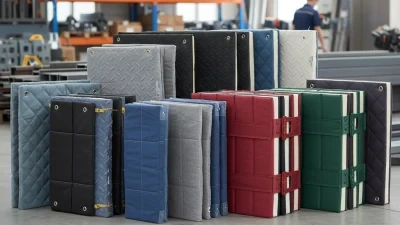
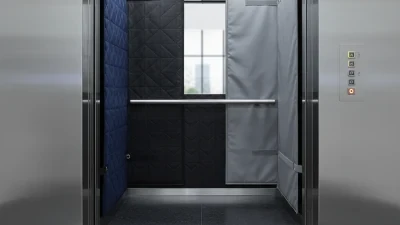
When it comes to managing properties, picking the right Elevator Protection Padsis actually pretty important. I mean, did you know that about 30% of elevator damage happens during transport? That really shows why having good protective gear is a must. Using the right pads can save you a ton on repairs and help your elevator last longer, which is a win-win.
Now, choosing these pads isn’t just a matter of grabbing the first thing you see. You gotta think about the material, how tough they are, and whether they’ll fit properly. For example, vinyl pads are great because they resist water and are easy to wipe clean, but they might not be as tough as heavy-duty rubber ones. Honestly, a lot of property managers tend to overlook how important quality really is. Spending a little more on good Elevator Protection Pads upfront can save you big bucks down the line.
And don’t forget about sizing — the pads should fit snugly around your elevator interiors. A poor fit can cause unnecessary wear and tear, which nobody wants. From experience, I’ve seen buildings ignore this detail and end up spending more fixing problems later. It’s all about finding that balance between quality and cost. So, ask yourself: are those cheaper pads really worth it? In the long run, investing in good Elevator Protection Pads totally pays off. They not only protect your investment but also boost safety overall.
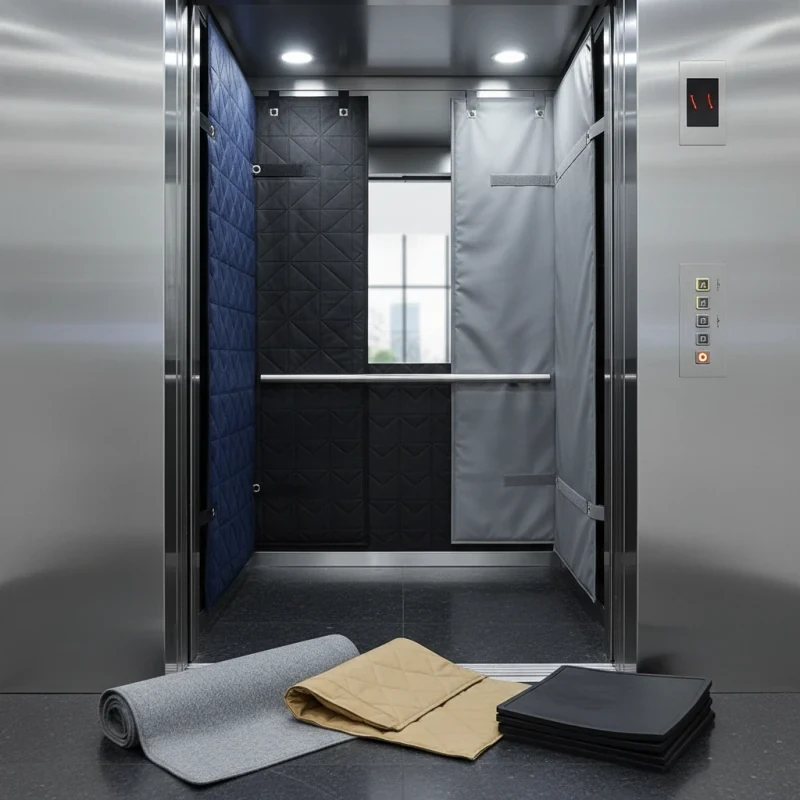
Understanding the Importance of Elevator Protection Pads
Elevator protection pads play a crucial role in maintaining the integrity of your building's Lift system. According to a recent report by theInternational Association of Elevator Engineers, nearly 80% of all elevator damages occur during the construction and refurbishment phases. This statistic underscores the need for effective pad solutions. Without proper pads, wear and tear can significantly increase operational costs.
These pads mitigate potential damage caused by materials moving in and out of elevators. They provide a shield against scratches, dents, and other forms of wear. A study by the Building Owners and Managers Association found that a single elevator repair can cost up to $10,000, primarily due to neglect. Clearly, investing in quality protection pads is essential for long-term savings.
Moreover, there’s a noticeable difference in elevator performance when these pads are used. Without them, elevators may suffer from misalignment, leading to malfunctions. Buildings with protective measures in place report fewer service interruptions. Despite these advantages, many building managers often overlook the importance of choosing the right pads. This gap can lead to significant future expenses and operational inefficiencies. Investing time and resources in this aspect is vital for ensuring the longevity of your elevator system.
Types of Elevator Protection Pads Available in the Market
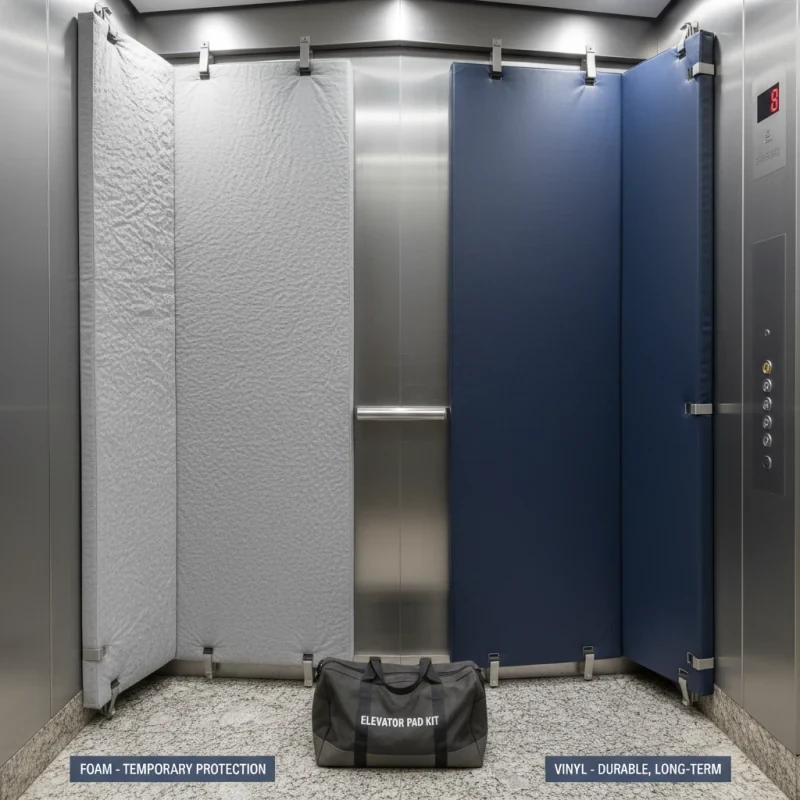
When selecting elevator protection pads, understanding the available types is crucial. There are several options in the market. Foam pads offer a lightweight solution for basic protection. They are easy to install and remove, but may not withstand heavy use. Vinyl pads provide durability. They resist wear and tear, making them suitable for busy buildings. Consider whether you need temporary or long-term protection.
Another type includes adhesive-backed pads. These stick directly to surfaces, ensuring they stay in place. While effective, removal may leave residue. Some users find this aspect troublesome. Elevator Wall Protection Pads can also come in custom sizes. Tailoring pads to your elevator's dimensions can enhance protection.
Tips for choosing the right pad: Always measure your elevator walls first. This prevents unnecessary waste. Consider the traffic in your building. High-traffic areas may require more robust pads. Regular inspection of pads can help catch wear early, saving costs in the long run. Don't overlook color and design. A good-looking pad can complement your building's aesthetics.
Factors to Consider When Choosing Elevator Protection Pads
When selecting elevator protection pads, you must consider several factors. The type of material is crucial. Different materials provide various levels of protection. For example, foam pads can absorb impact but may wear out quickly. Vinyl pads are durable and easy to clean. What’s more, thickness plays a role. Thicker pads often provide better cushioning, but they might not fit all spaces. Consider the specific needs of your building.
Size and shape are also essential. Pads need to fit properly in the elevator. If they're too large, they may obstruct movement. If they're too small, they won't offer sufficient protection. Take measurements before making a choice. Additionally, evaluate the installation process. Some pads are easy to place, while others require tools or special skills. Often, simplicity is key.
Lastly, think about the visual aspect. Aesthetic appeal can matter, especially in high-end buildings. Pads that blend seamlessly with the elevator's interior can enhance the overall look. Unfortunately, you may have to compromise comfort for appearance. It’s a balance many struggle to find, and it often requires revisiting choices.
Factors Influencing the Choice of Elevator Protection Pads
| Label | Importance Level |
|---|---|
| Material Durability | 80 |
| Cost | 70 |
| Size Compatibility | 65 |
| Ease of Installation | 75 |
| Aesthetic Appeal | 60 |
Evaluating Material Durability and Weight Capacity
When choosing elevator protection pads, considering material durability is crucial. Different materials offer varied levels of resistance to wear and tear. Some options, like vinyl or foam, provide cushioning but may not withstand heavy loads over time. Others, such as rubber, tend to be more durable and can handle significant weight. Assessing your building's specific needs is vital.
Weight capacity should be a primary factor in your selection process. It determines how much load the pads can safely bear. Overloading pads can lead to accidents and damage. Verify weight limits before making a purchase. Some pads may look sturdy but fail under pressure. Always test and confirm their capacity.
**Tip:** Before purchasing, read user reviews. They offer insights into real-world performance.
Another consideration is the ease of installation. Some pads require specialized fittings, while others are simpler to use. Complex setups can lead to incorrect application.
**Tip:** Measure your elevator dimensions accurately. This ensures a perfect fit, reducing the need for modifications.
How to Choose Elevator Protection Pads for Your Building?
| Material Type | Durability Rating | Weight Capacity (lbs) | Thickness (inches) | Recommended Use |
|---|---|---|---|---|
| Rubber | High | 500 | 0.5 | Heavy-duty elevators |
| Foam | Medium | 300 | 1.0 | Residential elevators |
| Vinyl | Low | 200 | 0.25 | Light-duty elevators |
| Plastic | Medium | 350 | 0.75 | Commercial elevators |
Assessing Cost vs. Long-term Benefits for Your Building
When choosing elevator protection pads, cost is always a pressing concern. However, the initial price should not overshadow long-term benefits. Consider how these pads can prevent damage to your elevator over time. A single scratch can lead to costly repairs. Investing wisely now can spare you from headaches later.
Look into various materials and styles of protection pads. Some pads might be cheaper upfront but may not endure high traffic. Others, though pricier, might offer superior durability. Do the math. Evaluate the lifetime of the pads against potential repair costs. This assessment can reveal the true value of the Best Elevator Protection Pads for your building.
Don’t let the excitement of saving money cloud your judgment. Sometimes, the cheapest option isn’t the best choice. Reflect on the impact of aesthetics and functionality. A well-protected elevator adds value to your property. The right pads can enhance the overall experience for tenants and visitors alike. Investing in quality protection now pays dividends in maintaining your elevator’s appearance and performance.
Installation and Maintenance Tips for Elevator Protection Pads
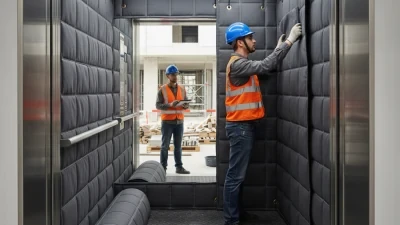
When installing elevator protection pads, proper placement is essential. These pads help safeguard elevator interiors from scratches and dents. Ensure that they are fitted snugly against walls and corners. This prevents movement during elevator use. For best results, check the pads regularly for wear and tear. A torn pad can compromise protection.
Maintenance is straightforward but often overlooked. Clean the pads frequently to avoid dirt buildup. This enhances their effectiveness and lifespan. Inspect the adhesive backing monthly; it must remain sticky. Replace pads that show signs of damage immediately. Relying on Famous Elevator Protection Pads might seem like an easy fix, but focusing on your specific needs is crucial. Each building has unique traffic patterns and usage levels that can affect pad performance.
Reflecting on installation mistakes can be valuable. Many overlook the impact of weight load. Heavy loads put extra stress on pads, which can lead to premature wear. Another common issue is neglecting to measure elevator dimensions accurately. Pads that are too small will not provide adequate protection. Always take time to plan and execute properly.
Best Practices for Regular Inspection and Replacement
Regular inspection and replacement of elevator protection pads are crucial. Industry reports reveal that 25% of building maintenance issues stem from neglected elevator care. Over time, these pads can wear down, leading to potential damage. Inspect them every three months. Look for fraying, tears, or discoloration. These signs indicate it’s time for a replacement.
Neglect can result in costly repairs. A report by the National Elevator Industry highlights that poor protection can increase maintenance costs by up to 30%. When pads fail, they expose interior walls to damage. This could lead to more significant structural issues later. Ensure the Best Elevator Wall Protection Pads are always in good condition.
Inadequate attention to detail can be costly. Some maintenance teams overlook the signs, assuming everything is fine. It’s vital to take a proactive approach. Keep a maintenance log to track inspections and replacements. Regular checks not only preserve aesthetics but also enhance safety. Small tasks can save money and time in the long run.
FAQS
: Common options include foam, vinyl, and adhesive-backed pads. Foam is lightweight but less durable, while vinyl is more robust.
Measure your elevator walls first. Consider building traffic. High-traffic areas benefit from more durable pads.
Ensure pads fit snugly against walls. Proper placement prevents movement during use. Regular checks are important for wear.
Inspect them every three months. Look for fraying, tears, or discoloration. Replace damaged pads immediately.
Regular cleaning prevents dirt buildup. This enhances effectiveness and extends the lifespan of the pads.
Measure your elevator dimensions accurately. Consider the weight load to prevent premature wear on the pads.
Look for noticeable wear, such as tears or discoloration. These signs mean the pads may no longer protect effectively.
Poor protection can increase maintenance costs by up to 30%. Damaged pads expose walls to further damage.
Maintain a log for inspections and replacements. This helps ensure timely action and improves overall safety.
Yes, the color and design can complement your building's appearance. A good-looking pad can enhance overall aesthetics.
Conclusion
Elevator Protection Pads are essential for safeguarding the interiors of your building's elevators from damage during transportation of goods and occupants. Understanding their importance helps in maintaining the elevator’s aesthetics and functionality. There are various types of Elevator Protection Pads available, each tailored to specific needs and scenarios, making it crucial to consider factors like material durability, weight capacity, and cost versus long-term benefits when selecting the right option for your building.
Furthermore, proper installation and maintenance practices for Elevator Protection Pads are vital to ensure their effectiveness. Regular inspections and timely replacements can prevent costs associated with repairs while extending the life of your elevator. By being proactive in choosing the right pads and adhering to best practices, building managers can enhance safety and preserve the overall quality of their elevators.
Related Posts
-

7 Essential Tips for Choosing Elevator Protection Pads
-
Elevator Protection Pads Essential Features and Benefits for Safe Transportation of Goods
-
How to Choose the Best Elevator Protection Pads for Your Needs
-
Exploring the Benefits of Elevator Access Control Board for Modern Buildings
-

7 Compelling Reasons to Choose the Best Elevator Switch for Your Projects
-

7 Essential Tips for Choosing the Best Elevator Accessories