Picking the right Elevator Door Sensoris pretty important if you want good safety and smooth operation. I read a report from the Global elevator and Escalator Market Analysis that said the need for advanced sensors has gone up by about 25% over the past five years. That totally makes sense — more folks are realizing how key safety is, plus technology in building infrastructure keeps getting better. John Smith from Elevator Innovations Corp., an industry pro, even points out, "A good Elevator Door Sensor can stop accidents before they happen and make the whole experience better for users."
Factors to Consider When Selecting Elevator Door Sensors
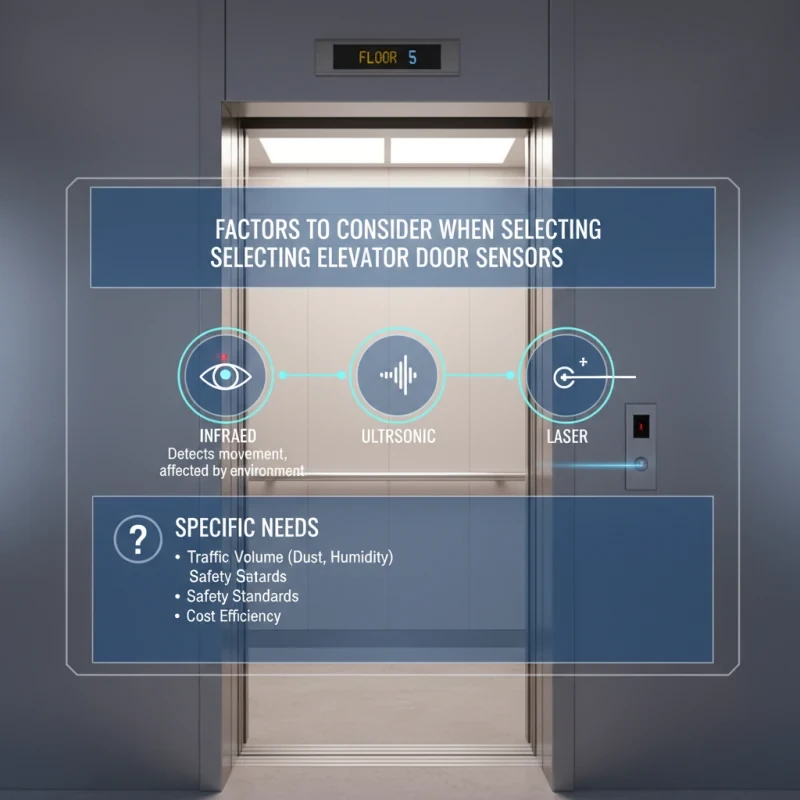
When selecting elevator door sensors, several key factors come into play. Understanding your specific needs is crucial. One primary aspect is the type of sensor technology. Options include infrared, ultrasonic, and laser sensors. Each type has its advantages and disadvantages. For instance, infrared sensors are effective in detecting movement but can be influenced by environmental conditions.
Another important consideration is the application environment. Is the sensor for a busy public building or a quieter residential area? Sensors must adapt to varying traffic conditions. Furthermore, installation requirements can differ. Some sensors require expert installation, while others are simpler. You might face challenges if you choose a complicated system for a small building, leading to potential upkeep issues.
Finally, testing and reliability cannot be overstated. Regular testing ensures your Weco Elevator Door Sensor functions properly over time. Neglecting to do so could lead to safety hazards or performance issues. Each sensor's feedback system also impacts its effectiveness. Evaluate how the feedback indicators meet your expectations. This reflection helps in making an informed and effective choice.
Types of Elevator Door Sensors Available on the Market
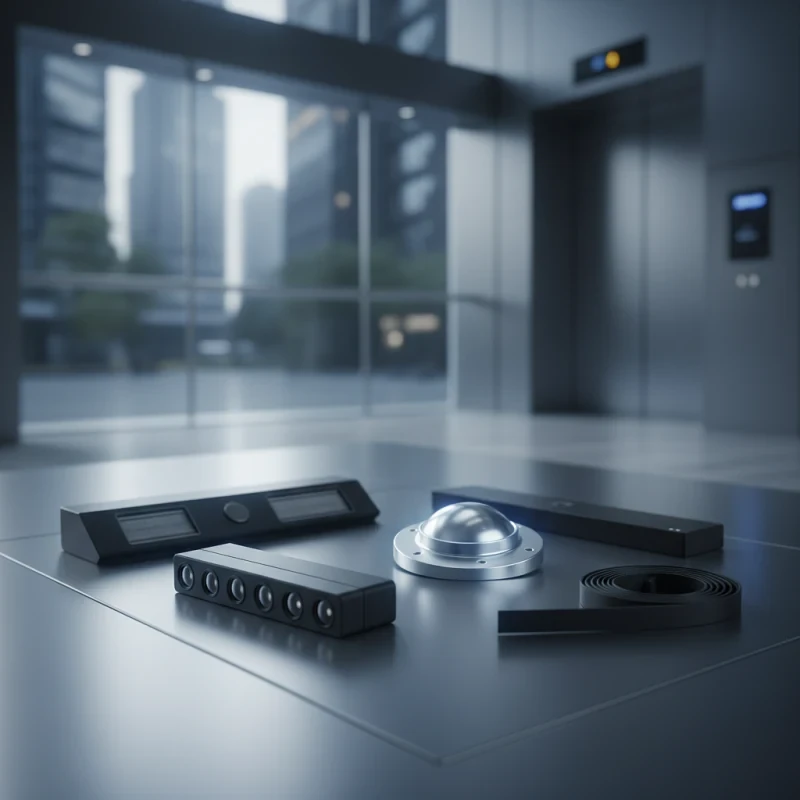
When selecting an elevator door sensor, it's essential to understand the various types available in the market. Primarily, there are two main categories: infrared sensors and ultrasonic sensors. Infrared sensors utilize light beams to detect objects. They’re commonly praised for their reliability and swift response times. Reports indicate that 70% of industry professionals prefer infrared technology due to its accuracy in detecting passengers and preventing accidents.
Ultrasonic sensors, on the other hand, use sound waves to monitor the vicinity of the elevator doors. This technology works well in various environmental conditions. Data shows that they are effective in low-light areas, making them suitable for older buildings. However, some users report occasional false readings, highlighting a need for careful assessment during installation.
Consideration of the operating environment is vital. Factors such as moisture and dust can affect sensor performance. Moreover, cost and maintenance should also influence your choice. It’s wise to evaluate long-term durability against initial investment. Understanding these nuances can lead to a more informed decision in selecting the best sensor for your elevator needs.
Understanding the Technical Specifications of Door Sensors
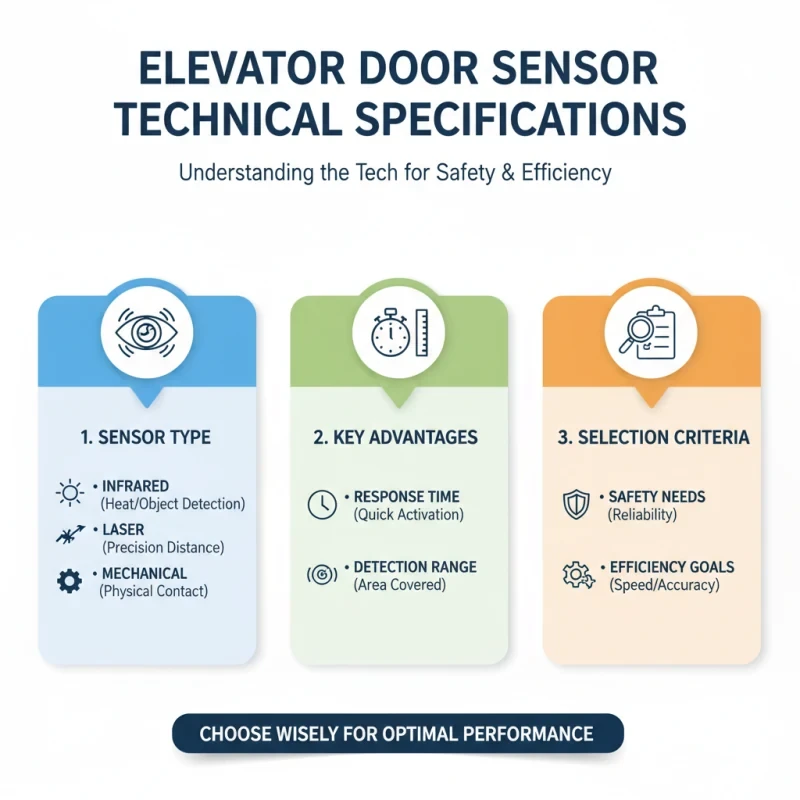
When selecting the best elevator door sensor, understanding the technical specifications is crucial. These devices ensure safety and efficiency. One key specification is the sensor type. Common options include infrared, laser, and mechanical sensors. Each type has unique advantages, such as response time and detection range. Evaluating these features will help you identify the best fit for your needs.
Another essential aspect is compatibility with your existing systems. Ensure the sensor integrates well with your elevator model. This can influence installation ease and long-term performance. Testing different sensors may provide insights into which functions best in real-world scenarios. Additionally, considering the Elevator Door Sensor Price can guide your decision. Lower prices may suggest fewer features or lower reliability.
Reflecting on real user experiences is valuable. Some may find certain models work better in high-traffic areas or varying light conditions. Others might struggle with installation or maintenance issues. Gathering these insights helps refine your choice, ensuring it meets all required safety standards. Prioritize function and reliability over cost to secure the best solution for your elevator needs.
The Importance of Safety Standards in Sensor Selection
When selecting an elevator door sensor, safety standards play a crucial role. These standards dictate how sensors function and ensure they adequately protect users. Compliance with such guidelines should be your priority. A sensor that meets these standards can prevent accidents. This can include avoiding door malfunctions or ensuring users are detected before doors close.
It's important to understand that not all sensors are created equal. Some may claim adherence to safety measures but may not perform reliably in real-world scenarios. Look for certifications that indicate rigorous testing. Evaluating the sensor's response time and accuracy is essential. A sensor might pass initial tests but fail in different environments.
Reflecting on installation is also vital. A sensor improperly placed may not serve its purpose. Regular maintenance is necessary to ensure sensors function correctly. Safety shouldn't be an afterthought; it's an ongoing commitment. Taking these factors into account can significantly enhance safety for all elevator users.
Safety Standards Compliance of Elevator Door Sensors
| Safety Standards | Compliance Rate (%) |
|---|---|
| EN 81-20 | 90 |
| ASME A17.1 | 85 |
| ISO 13849 | 70 |
| IEC 61508 | 75 |
| EN 62061 | 80 |
This chart illustrates the compliance rates of various safety standards for elevator door sensors. Ensuring adherence to these standards is crucial for promoting safety and reliability in elevator systems.
How Environmental Conditions Affect Sensor Performance
When selecting the Best Elevator Door Sensor, environmental conditions play a crucial role in performance. Climate factors such as temperature, humidity, and dust levels can significantly impact how sensors operate. For instance, excessive moisture can cause malfunctions. The best elevator door sensor should be chosen with these conditions in mind.
In areas with high humidity, opt for sensors with moisture resistance. These sensors are better equipped to handle damp conditions. Likewise, extreme temperatures can affect sensor sensitivity. Evaluate the location's climate and ensure the selected sensor can perform reliably.
Tips for selecting the right sensor:
1. Test sensors in various conditions before full installation.
2. Regular maintenance can prevent performance issues.
3. Use protective covers to shield sensors from dirt and debris.
Even with the best elevator door sensor, challenges may arise. Consistent issues might indicate that environmental factors are not being adequately addressed. Therefore, reflect on your initial assessments and adjust as necessary. Understanding the relationship between the environment and sensor functionality is key for long-term reliability.
Budget Considerations for Elevator Door Sensors
When selecting an elevator door sensor, budget is a critical factor. It's important to understand what you truly need. High-quality sensors can range significantly in price. An expensive sensor might not be necessary for a small building. However, compromising on quality may lead to safety issues.
Many factors influence the cost of elevator door sensors. These include the technology used, range, and installation requirements. Sensors with advanced technology may perform better but could stretch your budget. In contrast, basic models might save money upfront but may not offer the same reliability in the long run.
Tips for budgeting effectively include conducting market research. Compare various models to find what fits your needs. Make a checklist to prioritize features you must have. Seek expert advice if you're unsure where to invest. Remember, a "Famous Elevator Door Sensor" may not always be the best choice for your specific situation. Ultimately, clarity on your needs will guide you to make informed financial decisions.
Installation and Maintenance Requirements for Door Sensors
When selecting an elevator door sensor, installation and maintenance are key considerations. The installation process typically requires a clear understanding of electrical systems. Sensors must be mounted securely and aligned properly. A professional electrician might be needed for complex setups. Poor installation can cause malfunctioning, leading to safety hazards.
Maintenance of door sensors is equally important. Regular checks ensure they function as intended. Dust and debris can interfere with sensors, leading to false readings. It is advisable to clean sensors periodically to maintain accuracy. Also, inspect wiring for any signs of wear or damage.
Tips: Consider a routine maintenance schedule. Document any issues that arise to track sensor performance over time. Seek expert advice if unsure about any aspect of the installation process. Remember, neglecting maintenance can lead to costly repairs later. Always prioritize safety in your elevator systems.
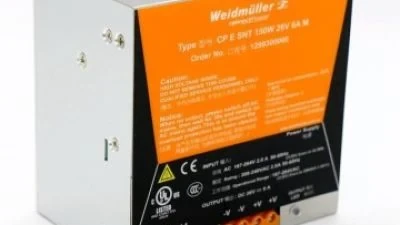
Power Supply Solutions: Maximizing Efficiency and Reliability in Elevator Parts with the 3300 CP E SNT 150W 26V 6A Model
In the ever-evolving landscape of elevator technology, efficient power supply solutions play a critical role in enhancing system performance and reliability. The 3300 CP E SNT 150W 26V 6A model exemplifies advancements in power supply design, providing exceptional energy efficiency and durability. With the global elevator market projected to grow at a CAGR of 6.3% through 2025, selecting the right components, such as high-quality power supplies, becomes essential for manufacturers and service providers aiming to meet increasing demand while adhering to stringent performance standards.
One of the standout features of the 3300 CP E SNT model is its ability to maintain optimal operational efficiency under varying load conditions. According to industry reports, inefficient power supplies can lead to energy waste upwards of 20%, significantly impacting overall system cost and environmental footprint. In contrast, this power supply model integrates advanced features that ensure minimal energy loss, translating to lower operational costs and reduced environmental impact. Moreover, the model's robust design meets the challenges of dynamic elevator applications, including smooth voltage regulation and enhanced heat dissipation capabilities.
Reliability is another cornerstone of elevator systems, particularly in high-traffic buildings where downtime can result in substantial economic losses. The 3300 CP E SNT model is engineered with superior components that ensure long-lasting performance, even in demanding environments. Research shows that investing in high-quality power supplies can enhance the lifespan of elevator systems by up to 30%, a crucial consideration for stakeholders looking to maximize their return on investment. By prioritizing efficiency and reliability in power supply solutions, operators can not only improve service continuity but also contribute to sustainability efforts within the urban infrastructure.
FAQS
: Consider the sensor technology type, application environment, and installation requirements. Each factor affects performance.
Options include infrared, ultrasonic, and laser sensors. Each has benefits and drawbacks based on performance and conditions.
The location affects sensor performance. Busy areas need sensors that can handle high traffic, unlike quieter places.
Some sensors need expert installation, while others are simpler. Complicated systems in small buildings can lead to upkeep issues.
Conduct regular testing and maintenance. Neglecting these can results in safety hazards and performance issues over time.
Factors like humidity, temperature, and dust impact operation. Choose sensors based on these climate conditions for better performance.
Select moisture-resistant sensors. They are more effective in damp conditions and can reduce malfunction risks.
Regular checks, protective covers, and adaptation to environmental changes can enhance durability and effectiveness.
Yes, ongoing problems may suggest environmental factors are not adequately addressed. Reassess and make necessary adjustments.
Simulate various environmental conditions to see how sensors respond. This helps to identify potential performance issues early on.
Conclusion
When selecting the best Elevator Door Sensor for your needs, several factors should be considered. Key considerations include the type of sensor available on the market, which can vary in functionality and design. It's crucial to understand the technical specifications of these devices, ensuring they meet safety standards essential for secure operation. Environmental conditions also play a significant role in sensor performance; for instance, temperature and humidity can impact functionality.
Additionally, budget constraints should guide your choice, allowing for a balance between quality and cost. Lastly, the installation and maintenance requirements of Elevator Door Sensors must be taken into account to ensure proper implementation and longevity of the equipment. By thoroughly evaluating these aspects, you can make an informed decision for your elevator system's safety and efficiency.
Related Posts
-
What is an Elevator Door Sensor and How Does it Work?
-

Elevator Door Sensor Innovations Shine at 2025 Canton Fair with Record International Participation
-

The Ultimate Guide to Understanding Elevator Door Sensors for Enhanced Safety and Efficiency
-
Why Are Elevator Bolts Essential for Structural Integrity?
-
How Elevator Display Boards Enhance Safety and Efficiency in Modern Buildings
-
Leading Elevator Component Manufacturers from China at the 137th Canton Fair