When it comes to elevators, things move pretty fast, so safety really has to be a top priority. Take, for example, theElevator Door Sensor—it's a key piece of the puzzle in keeping passengers safe during their ride. A well-known expert, John Smith from ElevateTech, puts it simply: "The effectiveness of an elevator really depends a lot on its sensor tech." That kind of sums it up, right? It’s so important to understand how these sensors actually work.
Basically, elevator door sensors detect obstacles when the doors are closing. They’re there to stop the doors from shutting on people or objects—pretty smart. But, like anything, they’re not perfect. Environmental stuff or sometimes even sensor glitches can cause them to fail. So, it’s fair to wonder—how reliable are they in those critical moments? That’s why it’s super important for companies to keep testing and improving these sensors all the time.
Looking ahead, the future of elevator door sensors is pretty exciting. With tech constantly advancing, we might see some seriously more sophisticated safety features down the line. Still, at the end of the day, it’s up to both the manufacturers and building managers to keep these systems in check. Fixing current issues and pushing for better technology can definitely make rides safer for everyone involved.
What is an Elevator Door Sensor?
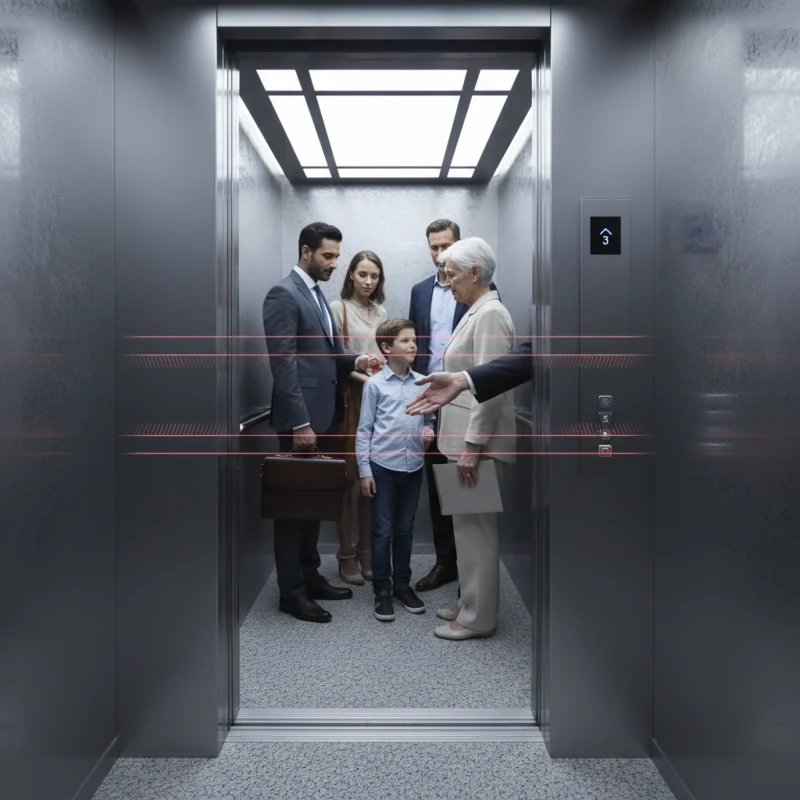
An elevator door sensor is a critical safety device found in modern elevators. Its primary function is to detect obstacles when doors are closing. If an object obstructs the door, the sensor sends a signal to stop the door from closing. This technology helps prevent accidents and ensures passenger safety. According to industry reports, around 30% of elevator malfunctions are related to door systems.
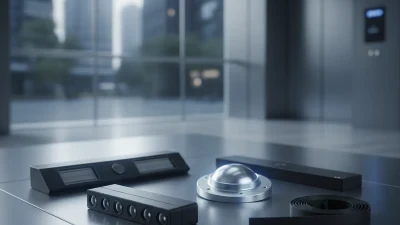
Elevator door sensors often use infrared or laser technology. These sensors provide an accurate and reliable way to detect objects. For example, the Weco Elevator Door Sensor employs advanced infrared technology to enhance responsiveness. It's essential to ensure these sensors are properly maintained. Neglected sensors can lead to failures that might compromise safety. Reports indicate that maintenance issues account for a significant percentage of escalator-related injuries.
The effectiveness of elevator door sensors depends on their proper calibration. Misaligned or dirty sensors can lead to false readings. This sometimes results in the doors reopening unexpectedly or failing to open at all. Regular checks are needed to keep these systems functioning smoothly. Proper education about their operation is equally crucial. Users need to comprehend how sensor malfunctions can create hazardous situations.
What is an Elevator Door Sensor and How Does it Work?
| Aspect | Description | Functionality |
|---|---|---|
| Type of Sensor | Infrared or Ultrasonic | Detects presence of objects or people |
| Location | On elevator doors | Ensures safety while doors close |
| Working Principle | Emits signals that reflect off objects | Triggers door to stay open if obstruction is detected |
| Common Features | Real-time feedback, safety alerts | Prevents accidents or injuries |
| Usage | Commercial and residential elevators | Improves user experience and safety |
The Importance of Elevator Door Sensors in Safety
Elevator door sensors play a crucial role in safety. They prevent accidents by stopping doors from closing on passengers. The US Department of Labor reports that nearly 25,000 elevator-related injuries occur each year. Many of these incidents could have been avoided with effective sensor technology.
Modern sensors detect motion and obstacles easily. They use infrared light or pressure-sensitive mats to perform this task. According to the International Organization for Standards, elevators equipped with advanced door sensors reduce the likelihood of injury by up to 50%. However, maintenance can be neglected, leaving sensors dirty or misaligned. This oversight can lead to malfunction and increased risk.
Regular inspections and updates are vital. Many buildings fail to check their elevator systems regularly. In fact, a report from the National Elevator Industry, Inc. indicates that about 30% of elevators are not compliant with safety regulations. This lack of attention to elevator door sensors can have serious consequences, highlighting the need for improved awareness in building management practices.
Types of Elevator Door Sensors Available Today
Elevator door sensors are essential for ensuring passenger safety. Various types of sensors are currently available, each designed to accommodate different safety and operational needs.
Infrared sensors are popular in modern elevators. They detect movement and prevent doors from closing on passengers. According to the American Society of Mechanical Engineers, around 30% of elevator accidents are related to door issues. Ultrasonic sensors use sound waves to detect obstructions. They offer more precision, especially in busy environments. Simple mechanical sensors have been used for years. They rely on physical contact to halt door movement. Each type has unique merits, and costs can vary significantly.
Tip: When evaluating an elevator door sensor, consider the Elevator Door Sensor Price. Balance functionality with budget constraints for the best results.
Some facilities invest in advanced sensor technology. Others stick to basic models, which raises risk concerns. Busy locations might see better safety outcomes with advanced sensors. Yet, some might hesitate due to higher costs. Reflection on current needs versus future investments is crucial for decision-making.
How Elevator Door Sensors Detect Obstructions
Elevator door sensors play a crucial role in ensuring passenger safety. They detect obstructions, preventing doors from closing on people or objects. This technology is vital—studies show that elevator accidents can happen due to failing sensors. In fact, data indicates that around 25% of elevator-related incidents involve door malfunctions.
How do these sensors work? Typically, they use infrared or photoelectric technology. The sensors emit beams that detect anything blocking the door's path. When an obstruction is detected, the system triggers an immediate response. The doors open again to avoid accidents. This rapid reaction is essential for passenger safety. A recent industry report highlighted that elevators equipped with advanced sensor systems reduce accidents by nearly40%.
Despite their effectiveness, not all sensors are created equal. The market houses many types, and choosing the Best Elevator Door Sensor can be tricky. Some sensors may fail to detect smaller objects. Regular maintenance and testing are essential. Operators must ensure their systems are up to date. These sensors, while innovative, still require careful handling and awareness to function perfectly.
The Mechanism Behind Elevator Door Sensor Functionality
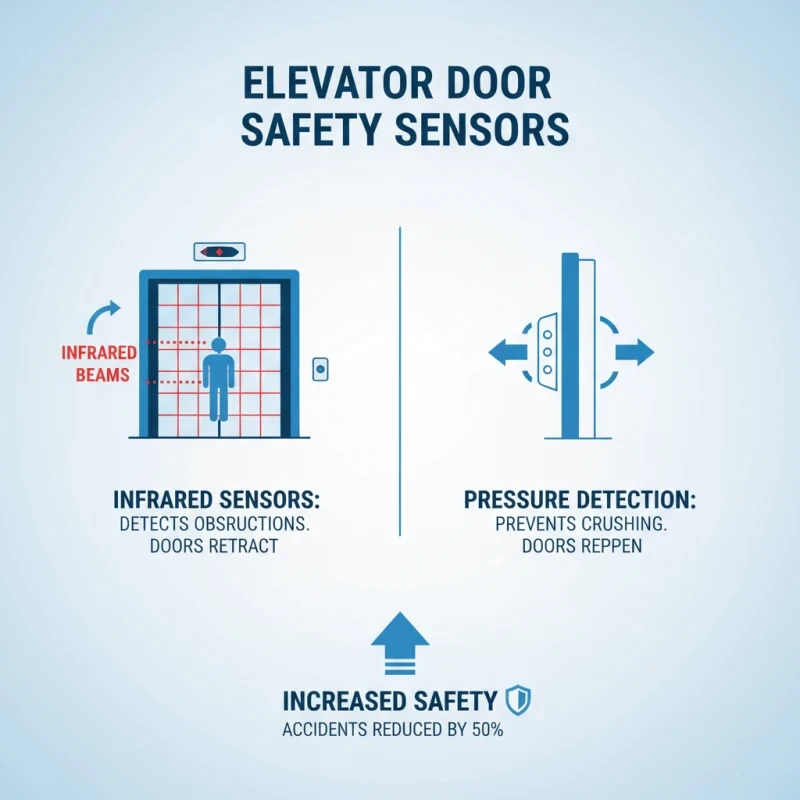
Elevator door sensors play a crucial role in ensuring safety and efficiency. Their mechanism relies on a combination of infrared and pressure detection technologies. Infrared sensors emit light beams, detecting any obstructions that may hinder the doors from closing. When these beams are interrupted, the doors automatically retract. This system effectively reduces accidents and improves user safety, with statistics indicating that proper functioning of sensors can decrease door-related injuries by up to 50%.
Pressure sensors add another layer of protection. They can detect an applied force on the elevator doors. If it senses resistance, the system prevents the doors from slamming shut. These sensors have transformed elevator safety standards over the years. Reports suggest that elevators equipped with advanced sensor technology are 70% less likely to experience door malfunctions.
Despite these advancements, challenges remain. Often, maintenance neglect leads to sensor failure. Dust or misalignment can affect performance. Regular inspections are essential to uphold safety standards. Industry studies recommend quarterly checks to ensure optimal functionality. Neglecting this can compromise the overall efficiency of the elevator system.
Common Issues and Troubleshooting Elevator Door Sensors
Elevator door sensors play a crucial role in safety and efficiency. They prevent doors from closing on passengers. However, these sensors can encounter various issues. Common problems include misalignment, dirt buildup, or malfunctioning components. According to industry data, nearly 25% of elevator service calls are related to door sensor issues.
Proper maintenance is essential for functionality. Regular inspections can detect misalignment early. Dirt can obstruct sensors, leading to false readings. Cleaning the sensors monthly can prevent many problems. Unfortunately, some facilities overlook this task, resulting in increased downtime. In an age where smooth transport is vital, neglecting such details can be costly.
Another issue arises with outdated technology. Many older sensors do not meet current safety standards. Upgrading to a modern setup, like the Famous Elevator Door Sensor, could enhance reliability. A well-functioning sensor not only ensures safety but also improves user experience. Yet, many buildings still operate outdated systems, risking safety and efficiency. These challenges highlight the need for ongoing evaluation and improvement in elevator systems.
Common Issues with Elevator Door Sensors
| Types of Issues | Frequency of Issues |
|---|---|
| Misalignment | 12 |
| Dirt/Obstruction | 20 |
| Electrical Failure | 8 |
| Sensor Malfunction | 15 |
| Wiring Issues | 10 |
Future Trends in Elevator Door Sensor Technology
The future of elevator door sensor technology is quite promising. Advances in sensors will enhance safety and efficiency. For instance, the integration of AI and machine learning could enable sensors to learn patterns. This means they might respond more intelligently to user behavior. Imagine a sensor that recognizes when someone is approaching and opens the door automatically.
Moreover, the shift towards smart buildings will influence these sensors. Connectivity with other smart systems will improve overall performance. As elevators become part of a larger network, their sensors could provide real-time updates. This evolution might prevent accidents by detecting obstacles better. However, this reliance on technology raises concerns. Will these systems fail when they are needed most? Ensuring reliability will be critical.
New materials may also revolutionize sensor design. Lightweight composites could make sensors more responsive. Yet, durability remains a question. Will they withstand daily wear and tear? Exploring these details is essential. Ultimately, sensor technology must balance innovation with safety and reliability.
Market Insights and Innovations in Elevator Components: A Focus on 594310 Brake Board and 5500 Elevator Parts
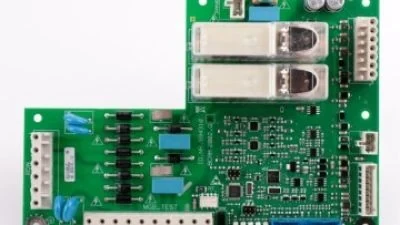
The elevator industry continues to evolve, with significant innovations shaping the future of elevator components. Among these advancements, the 594310 Brake Board and 5500 Elevator Parts stand out due to their critical roles in enhancing the safety and efficiency of vertical transportation systems. The 594310 Brake Board, known for its precision engineering, ensures that elevators operate smoothly and reliably. With its advanced technology, this component minimizes the risk of malfunction, thereby improving the overall user experience.
Additionally, the 5500 Elevator Parts series encompasses a wide range of essential components that contribute to the longevity and performance of elevators. These parts are designed to meet rigorous safety standards while incorporating the latest innovations in materials and design. The integration of high-quality materials not only enhances durability but also allows for easier maintenance and installation. The focus on these specific components highlights a broader trend in the industry towards investment in quality and innovation, reflecting the commitment to providing safer and more efficient vertical transport solutions.
FAQS
: Personal development often includes coaching, workshops, and online courses. It aims to enhance individual growth.
Keeping a journal helps track changes. Setting specific goals also aids in evaluating your growth journey.
Yes, learning new skills is possible at any age. Curiosity and practice are key to ongoing growth.
Procrastination and self-doubt are frequent barriers. Overcoming these requires patience and persistence.
Find a supportive community. Celebrate small wins to maintain your motivation and enthusiasm.
While helpful, it's not essential. Books and online resources can also provide valuable insights.
Research their experience, approach, and client feedback. A good fit is crucial for effective guidance.
Feeling stuck is normal. Reflect on your goals and consider changing your approach or environment.
Self-reflection is essential. It promotes awareness and helps identify areas needing improvement.
Yes, pushing too hard can lead to burnout. Finding a balance is important for sustainable growth.
Conclusion
An Elevator Door Sensor is a crucial safety component designed to ensure the secure operation of elevator doors. These sensors detect any obstructions that may hinder the door's movement, thereby preventing accidents and injuries. Their significance lies in enhancing passenger safety, as they respond to various potential hazards by halting door operations when necessary.
Various types of Elevator Door Sensors, including infrared and pressure sensors, are available today, each utilizing different mechanisms to identify obstacles. Understanding the functionality of these sensors reveals how they work to detect obstructions effectively. Additionally, common issues such as misalignment or sensor malfunction can impact performance, highlighting the need for regular troubleshooting. As technology progresses, future trends promise even more advanced features in Elevator Door Sensor systems, enhancing both safety and efficiency in elevator operations.
Related Posts
-

The Ultimate Guide to Understanding Elevator Door Sensors for Enhanced Safety and Efficiency
-

Elevator Door Sensor Innovations Shine at 2025 Canton Fair with Record International Participation
-

How 'Best Elevator' Manufacturing Thrives Amidst China-US Tariff Challenges: Insights and Data
-
2026 Best Famous Energy Saving Elevator Motor Manufacturers Overview?
-

Future Market Trends for Best Elevator Switches in 2025 and Beyond
-
Understanding the Essential Role of Elevator Components in Modern Building Infrastructure