Picking out the right Elevator Motorisn’t just a matter of grabbing any old part. You really gotta think about a bunch of different stuff. John Smith from LiftTech Solutions, who knows his stuff, says, "The efficiency of your elevator motor can seriously affect your ongoing costs." That’s a good reminder that you’ve gotta match your motor to what you actually need to keep things running smoothly.
Getting to know the different types of elevator motors is pretty important. They come in all sorts of power levels and features. Some are built tough for heavy loads, while others are more about saving energy. And hey, just because a motor is super fast doesn’t automatically mean it’s what you need. It’s really about figuring out what fits your situation best.
With tech changing all the time in the elevator game, it's a smart move to stay in the loop. Chatting with pros can really help fill in the gaps. A good choice in elevator motor can boost how well everything works and save you money in the long run. So, take a moment to think about your options and see where there’s room for improvement.
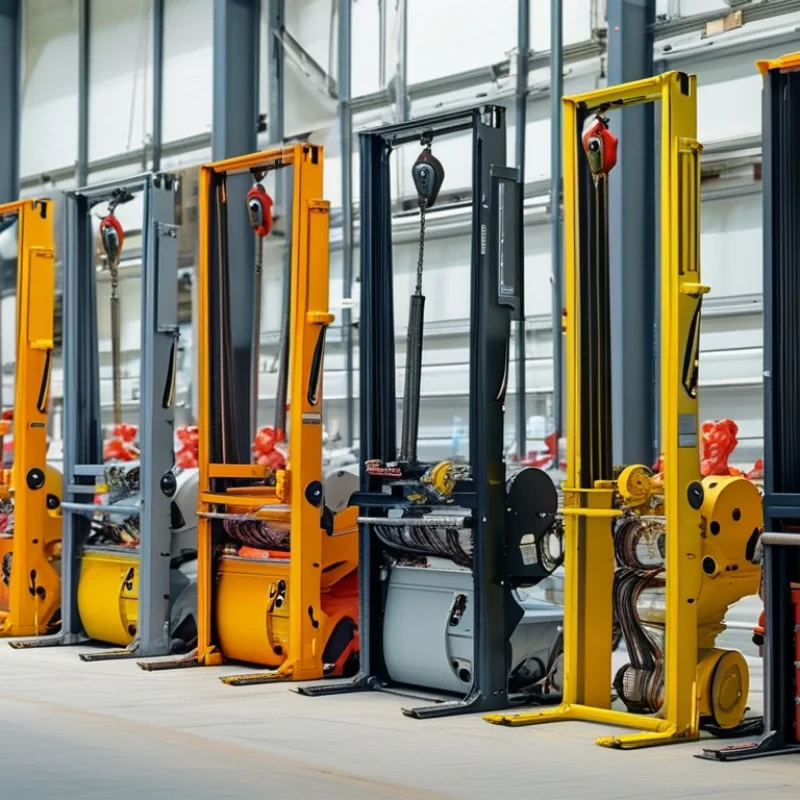
Understanding the Basics of Elevator Motors
Choosing the right elevator motor is crucial for safe and efficient operation. Understanding elevator motors begins with knowing their basic types. Typically, you’ll find geared and gearless motors. Geared motors offer high torque at low speeds, suitable for low-rise buildings. They are generally more affordable but may require more maintenance. Gearless motors, on the other hand, are quieter and more energy-efficient. They are ideal for high-rise applications but come at a higher cost.
Another important aspect is the motor's power rating. It indicates how much weight the motor can lift and the speed at which it operates. Consider the building's height and the maximum load when choosing a motor. It’s also essential to think about the installation environment. Motors in quieter areas might need unique features to reduce noise.
You may encounter challenges during your selection process. For instance, balancing cost with performance can be tricky. A higher performance motor might seem like an expensive investment initially. However, it could save you in long-term maintenance and energy costs. Be prepared to seek expert advice for tailored recommendations that suit your specific needs.
Types of Elevator Motors: AC vs. DC
When selecting an elevator motor, understanding the differences between AC and DC motors is essential. AC motors are typically used in high-rise buildings due to their efficiency and lower maintenance costs. They operate with alternating current, allowing for smooth and continuous operation. Their durability makes them ideal for heavy-duty applications.
In contrast, DC motors offer precise speed control and are generally more compact. They are commonly found in residential elevators and smaller commercial spaces. However, they may require more frequent maintenance and are less efficient for longer vertical distances. Choosing the right type depends on the specific application and operational requirements.
Both motor types have their pros and cons, and careful consideration is key. Assess the elevator's load capacity, travel distance, and installation environment. Reflecting on your unique needs can guide you to the most suitable option. Whether your focus is on long-term reliability or precision control, understanding these differences can greatly impact your decision-making process.
Key Specifications to Consider When Choosing a Motor
Choosing the right elevator motor is crucial for efficiency and safety. Key specifications play a significant role in this decision. One vital aspect is the motor's power rating. This determines how much weight it can handle. A higher rating usually means better performance. However, it’s essential to balance power and energy consumption. An overly powerful motor might waste energy, leading to higher costs.
Another important specification is the speed of the motor. Different applications require varying speeds. For instance, high-rise buildings often require faster motors. On the other hand, residential elevators may only need moderate speeds. Assessing the frequency of use can help in making an informed choice. Energy-Saving Elevator Motors are an excellent option for reducing operational costs.
Load capacity is another critical factor. Ensure the motor can safely handle the maximum load expected. Underestimating this can lead to performance issues. Using a motor rated too low can cause stress and lead to breakdowns. It's also wise to consider the motor's durability. High-quality materials contribute to a longer lifespan. These choices reflect not only reliability but also a commitment to sustainability.
Assessing Load Requirements and Usage Patterns
Choosing the right Electric Motor Elevator requires a careful assessment of load requirements. Understanding how much weight the elevator will carry is vital. Consider the heaviest items you expect to transport. This helps ensure the motor can handle daily operations without strain. Overloading can lead to accelerated wear and potential failures.
Usage patterns also play a critical role in selection. If the elevator is used frequently, a robust motor is essential. Think about peak times when traffic is heaviest. An electric motor elevator designed for high usage will likely be more reliable. It's important to consider not just the current needs, but also future demands.
Analyzing your specific needs can reveal gaps. Many overlook small details that influence performance. For example, environmental factors like temperature can affect motor efficiency. Reflecting on past experiences can guide better decisions. Functionality and safety should always come first in your evaluations.
Choosing the Right Elevator Motor: Load Requirements and Usage Patterns
| Label | Typical Usage (% of Total Usage) |
|---|---|
| Light Load (0-500 kg) | 30 |
| Medium Load (501-1000 kg) | 40 |
| Heavy Load (1001-1500 kg) | 20 |
| Very Heavy Load (1501-2000 kg) | 10 |
Evaluating Energy Efficiency and Operating Costs
When selecting an elevator motor, energy efficiency and operating costs are crucial factors. Elevators consume a significant amount of energy. Choosing a motor with a high energy efficiency rating can lead to substantial savings over time. Many new technologies in motor design can reduce overall consumption. However, these advanced options may come with a higher upfront cost. It's essential to weigh the long-term savings against initial expenditures.
Tip: Consider the type of building and usage patterns. High-rise buildings may benefit from regenerative drives, which capture energy during descent and reuse it. Understanding the specific needs of your elevator system can guide your motor selection.
Operating costs involve more than just energy consumption. Maintenance can affect total expenses significantly. Opting for a reliable motor can minimize maintenance interventions. However, some models may require specialized technicians for repairs, which can become costly over time. Planning for these aspects early can help avoid surprises.
Tip:Research motor warranties and service agreements. A solid warranty provides peace of mind and can save costs if there are issues. Look for motors with easily accessible replacement parts to keep maintenance simple and economical. Balancing efficiency and reliability is key to a smart investment.
Installation Considerations for Elevator Motors
When considering the installation of an elevator motor, multiple factors come into play. One critical aspect is the type of motor. Common choices are AC and DC motors. Each type presents unique characteristics that may influence performance based on building height and passenger volume. Understanding these differences is vital to make an informed decision.
Another major factor is the installation environment. For instance, motors installed in high-rise buildings may require more robust designs to handle increased load and usage. According to industry reports, around 70% of elevator efficiency issues stem from improper installation and motor selection. Evaluating the motor's power requirements is essential. Choosing an undersized motor can lead to overheating and deterioration.
Understanding the costs involved in this process is equally crucial. Elevator Motor Price can vary greatly depending on specifications and installation needs. Be prepared to budget not just for the motor but also for installation fees. Regular maintenance is another hidden cost that should not be overlooked.
Evaluate energy efficiency ratings of motors. This can lead to long-term savings. In some cases, a more expensive model may outperform a cheaper option over time. Not all motors are created equal, and this reality requires careful consideration during implementation.
Maintenance and Support for Elevator Motors
When selecting an elevator motor, maintenance and support are critical. Regular upkeep significantly extends the lifespan of an Elevator Gearless Motor. Neglect can lead to costly repairs. According to industry standards, unmaintained motors can lose efficiency by up to 30% over time. This decline not only affects performance but can also compromise safety.
Proper support systems are vital. Companies often offer service contracts that include regular inspections and preventive maintenance. Data shows that organizations prioritizing routine checks reduce unexpected downtimes by nearly 50%. Regular maintenance ensures the elevator gearless motor functions smoothly, minimizing disruptions for users.
Challenges arise when finding the right support team. Not every technician possesses the necessary expertise to handle these specialized motors. Inadequate service can lead to more issues down the line. Therefore, selecting a service provider with proven experience in elevator motors is crucial. Reliability in support translates into safety and efficiency for everyday use.
FAQS
: Consider the motor's power rating, speed, load capacity, and durability. Each impacts performance and safety.
A higher power rating typically indicates better performance. However, it can also lead to increased energy costs if overestimated.
Ensuring the motor can handle maximum expected loads prevents both performance issues and potential breakdowns.
Frequent use requires a robust motor. Analyze peak usage times to choose an efficient model for heavy traffic.
Motors in high-rise buildings need designs that accommodate more load and usage. Proper installation is crucial for performance.
Keep in mind that installation costs and ongoing maintenance can significantly impact total expenditures over the motor's lifespan.
Evaluate energy efficiency ratings to ensure long-term savings. Sometimes, pricier models outperform cheaper options over time.
Temperature and other environmental elements can impact motor efficiency. Reflecting on past experiences may reveal important insights.
Underestimating load requirements or neglecting installation quality can lead to performance issues. Gaps in understanding may affect decisions.
Think about potential increases in usage or weight loads. Planning ahead can guide a better choice for sustainability and functionality.
Conclusion
Choosing the right elevator motor is crucial for the efficiency and reliability of your elevator system. Understanding the basics of elevator motors sets the foundation, as there are two primary types: AC and DC motors. Each type offers distinct advantages depending on the specific application and requirements. Key specifications such as power rating, speed, and torque should be carefully considered alongside the load requirements and usage patterns of the elevator.
Energy efficiency and operating costs are also vital factors to evaluate, as they directly impact the overall budget and sustainability of the system. Additionally, installation considerations play a significant role in ensuring proper integration with existing infrastructure, while ongoing maintenance and support are essential for the longevity and performance of the elevator motor. By carefully assessing these elements, you can select the most suitable elevator motor to meet your needs effectively.