In today’s fast-moving world of industrial automation, making sure everything runs smoothly and efficiently is more important than ever—especially when it comes to Eieator Motors. These high-tech devices are pretty much the backbone of many industries, from manufacturing lines to energy management systems. And let’s be real—how well these motors perform can really hit or miss with operating costs. Did you know that, according to the International Energy Agency, motors gobble up around $300 billion a year’s worth of energy? That’s huge!
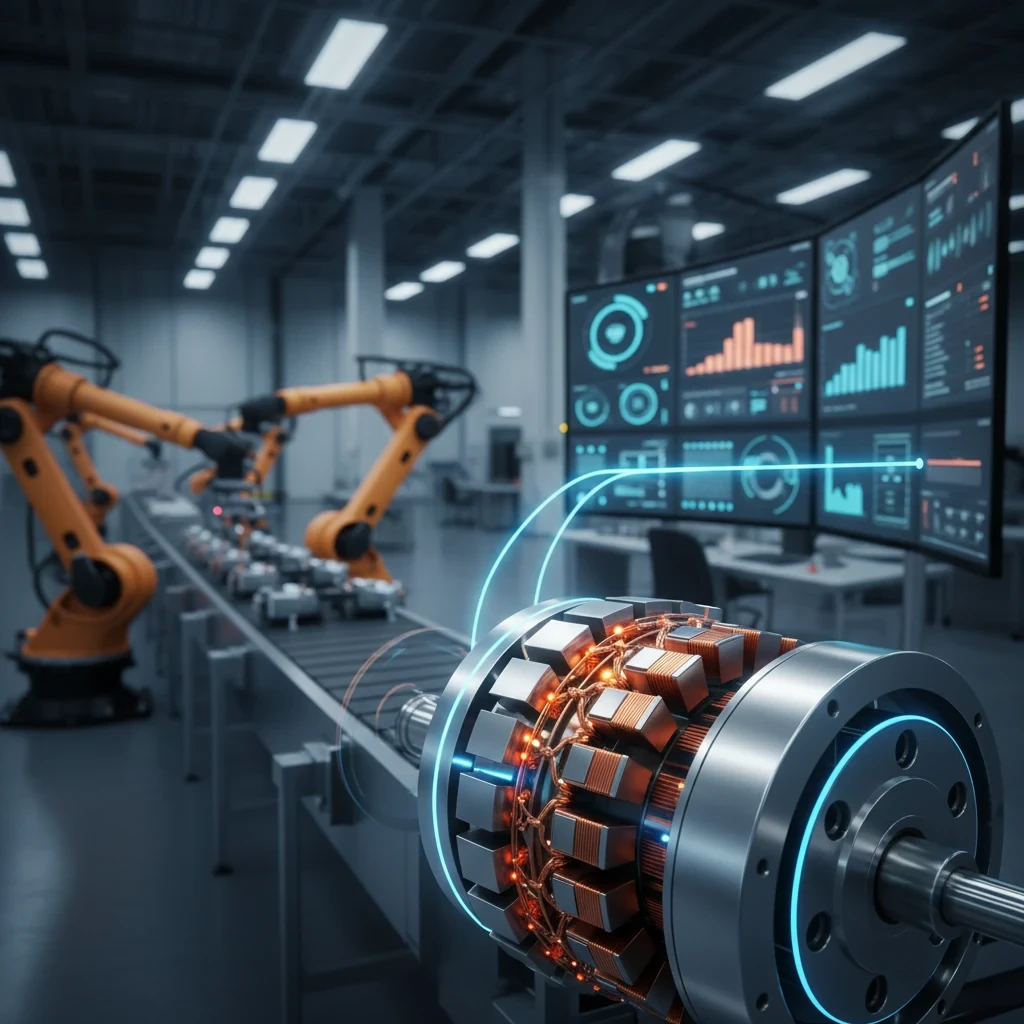
As industries aim to boost productivity while trying to stay eco-friendly, it’s super important to get a solid understanding of Eieator Motors. Their performance doesn’t just impact how much energy we use; it also affects how long equipment lasts and how dependable it is. A report from the U.S. Department of Energy mentioned that simply adopting some best practices in motor management can bump up efficiency by around 10%. So yeah, whether you're an engineer or just someone operating these machines, it’s key to learn and implement effective strategies to keep those Eieator Motors running at their best.
Understanding Eieator Motors and Their Performance Metrics
Eieator motors, pivotal in various applications, are engineered for efficiency and performance. Understanding their performance metrics is essential for optimizing their use. Key metrics include torque, speed, and efficiency ratings, which indicate how well the motor converts electrical energy into mechanical energy. Torque, measured in Newton-meters, reflects the motor's ability to perform work, while speed, quantified in revolutions per minute (RPM), determines how quickly the motor operates. A high-efficiency rating signifies that the motor consumes less energy for the same output, making it crucial for reducing operational costs and environmental impact.
To maximize the performance of Eieator motors, it is important to select the right motor for the application while considering these metrics. Regular maintenance checks can significantly enhance their lifespan and efficiency. Additionally, utilizing motor controllers and monitoring systems can provide real-time data on performance metrics, allowing for adjustments as needed. Understanding the interplay between these performance indicators can lead to informed decisions that improve overall productivity and profitability in motor-dependent operations.
Maximizing Eieator Motor Performance Metrics
| Label | Eieator Motor Performance |
|---|---|
| Efficiency (%) | 85 |
| Torque (Nm) | 50 |
| Power (kW) | 12 |
| Speed (RPM) | 3000 |
| Current (A) | 10 |
Key Factors Influencing the Efficiency of Eieator Motors
When it comes to maximizing performancewith elevator motors, understanding the key factors influencing their efficiency is crucial. One of the primary determinants is thedesign and construction of the motor itself. High-quality materials, precision engineering, and innovative designs contribute significantly to reduced energy consumption and improved operational reliability. Motors optimized for torque and speed can enhance the overall performance of elevator systems, leading to smoother rides and faster response times.
Another vital factor affecting the efficiency of elevator motors is the control system employed. Advanced control systems that utilize variable frequency drives enable motors to operate more efficiently under varying load conditions. This adaptability not only reduces energy waste but also extends the lifespan of the motors. Regular maintenance and the integration of smart technologies can further increase efficiency by ensuring that the motors are performing at their best. As the global low-voltage electric vehicle market continues to expand, expected to grow from $67.1 billion in 2025 to $100.8 billion by 2032 at a CAGR of 7.05%, the emphasis on energy-efficient motor technologies will become increasingly significant in various applications, including elevators.
Maintenance Best Practices for Optimal Motor Longevity
When it comes to ensuring the longevity and optimal performance of Eieator motors, following maintenance best practices is crucial. Regularly inspecting and cleaning the motors not only helps in identifying potential issues early but also enhances efficiency. Dust and debris can accumulate and impede the motor's function, so incorporating a routine cleaning schedule can make a significant difference.
Another essential tip is to monitor the operating environment closely. Factors such as temperature, humidity, and vibration can impact the performance of motors. Keeping motors away from excessive moisture and vibrations can help avoid early wear and tear. Additionally, using vibration analysis tools to assess motor health can preemptively address potential problems before they develop into costly repairs.
Lastly, ensure that lubricants are applied appropriately. Regularly checking lubricant levels and using the correct type for your specific motor model can prevent overheating and reduce friction. Over time, a well-maintained motor not only yields better performance but also extends its lifespan, ultimately saving costs and resources in the long run.
Effective Load Management Techniques for Eieator Motors
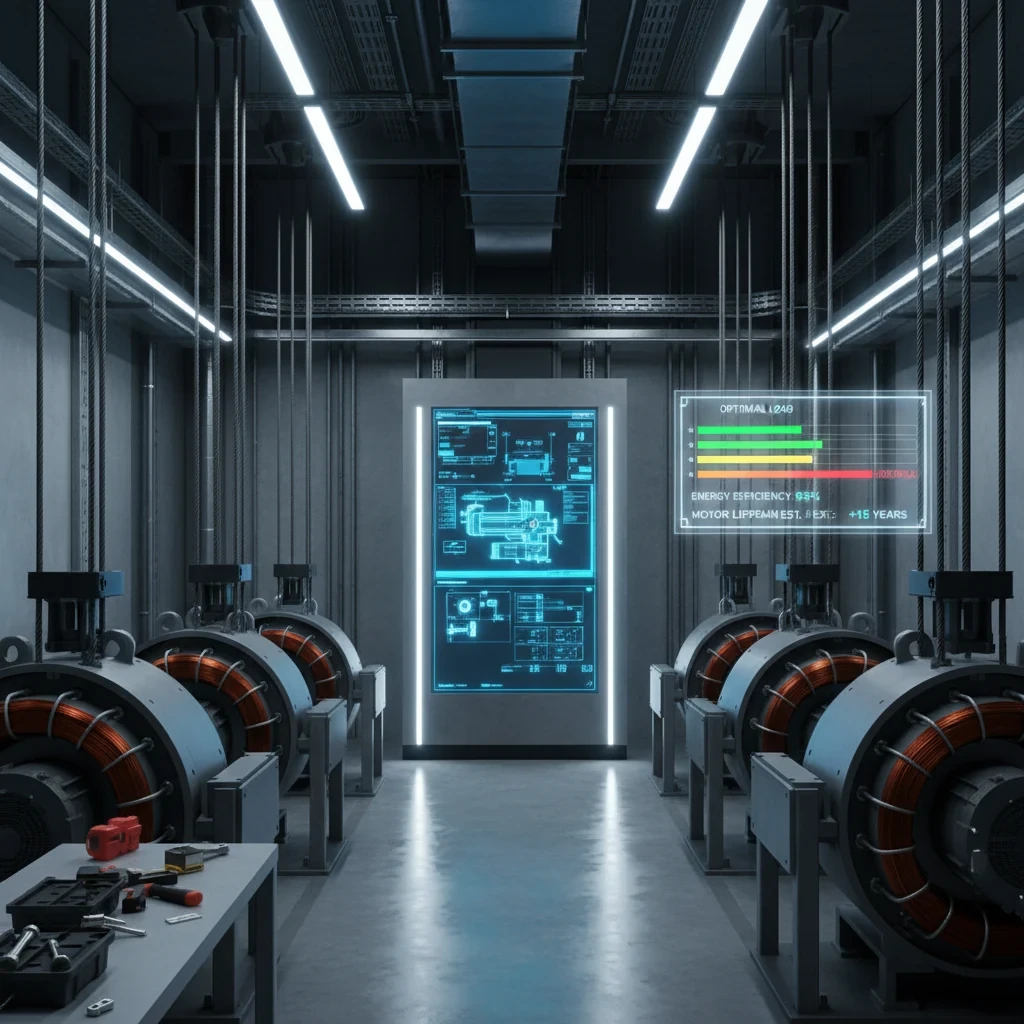
Effective load management is crucial for optimizing the performance of elevator motors. By ensuring that the load is balanced and within the capacity specifications, facility managers can significantly enhance energy efficiency and extend the lifespan of the motors. According to a recent report by the International Energy Agency (IEA), poorly managed elevator loads can increase energy consumption by up to 30%, which underscores the importance of employing effective load management techniques.
One key tip for effective load management is to regularly monitor usage patterns and adjust the scheduling of elevator trips to peak times. Implementing intelligent dispatching systems can reduce unnecessary trips and minimize wear on the motors. The National Elevator Industry, Inc. reports that smart scheduling can improve operational efficiency by approximately 20%, which not only saves energy but also enhances user satisfaction.
Another important technique is to regularly conduct maintenance checks to ensure that elevator systems are operating within optimal parameters. This includes checking the weight sensors and ensuring that they accurately reflect the actual load being carried. A study published in the Journal of Building Performance highlighted that accurate load management can reduce power consumption by about 15% in commercial buildings, making it a vital step for maximizing elevator motor performance and reducing operational costs.
Implementing Advanced Control Systems for Enhanced Performance
Implementing advanced control systems significantly elevates the performance of Eieator motors, allowing for precise regulation and optimized efficiency. These systems leverage algorithms that adapt in real-time to variations in load, speed, and other operational parameters. By utilizing techniques such as PID control and fuzzy logic, engineers can achieve finer adjustments that enhance motor responsiveness and reduce energy consumption, ultimately leading to prolonged lifespan and reliability of the motors in various applications.
Moreover, integrating features like predictive maintenance through advanced control systems provides valuable insights into operational health. By monitoring various performance metrics, these systems can anticipate potential failures before they occur, enabling preemptive measures that minimize downtime and repair costs. This proactive approach not only maximizes the operational efficiency of Eieator motors but also contributes to a more sustainable and cost-effective use of energy across industrial sectors. Through these innovations, organizations can harness the full potential of Eieator motors, ensuring they remain competitive in an ever-evolving technological landscape.
10 Essential Tips for Maximizing Performance with Eieator Motors - Implementing Advanced Control Systems for Enhanced Performance
| Tip Number | Tip Description | Expected Outcome | Implementation Difficulty |
|---|---|---|---|
| 1 | Calibrate Motor Settings | Improved efficiency and reduced energy consumption | Medium |
| 2 | Implement Feedback Control | Enhanced accuracy in speed and position control | High |
| 3 | Use Advanced Algorithms | Increased responsiveness of motor performance | High |
| 4 | Regular Maintenance Checks | Extended motor lifespan and reliability | Low |
| 5 | Optimize Power Supply | Consistent performance under varying loads | Medium |
| 6 | Install Thermal Management Systems | Prevention of overheating and thermal shutdown | High |
| 7 | Utilize Smart Sensors | Real-time data monitoring for better decision making | Medium |
| 8 | Integrate IoT Solutions | Remote access and control of motor systems | High |
| 9 | Analyze Performance Data | Informed decisions for future improvements | Medium |
| 10 | Conduct Staff Training | Safer operation and efficient use of technology | Low |
Comprehensive Guide to DO2000 Door Motor Encoder and OTIS Elevator Parts for Enhanced Lift Performance
The performance of elevators is critical in ensuring efficient vertical transportation, and understanding key components such as the DO2000 Door Motor Encoder and OTIS elevator parts can significantly enhance lift functionality. The DO2000 encoder plays a vital role in accurately determining the position and movement of elevator doors, promoting safety and operational efficiency. According to recent industry data, elevators equipped with high-performance encoders can experience up to 30% fewer door-related incidents, showcasing their importance in modern lift systems.
Additionally, OTIS elevator parts have a longstanding reputation for reliability and innovation in the elevator industry. Reports indicate that maintenance costs are reduced by 25% when utilizing genuine OTIS components, highlighting the financial benefits of investing in quality parts. Various components, including motors, controllers, and safety devices, work in tandem to ensure seamless operation and longevity of elevator systems. By incorporating advanced technologies such as the DO2000 encoder along with OTIS parts, elevator operators can achieve optimal performance while adhering to safety standards.
As the demand for efficient and safe vertical transport continues to rise, the emphasis on premium quality parts and comprehensive monitoring systems is increasingly clear. A well-maintained elevator not only enhances user experience but also significantly contributes to property value. Data highlights that buildings with modernized elevator systems can command rental premiums of up to 15%, making the importance of investing in quality elevator components undeniable.
FAQS
: The key performance metrics for Eieator motors include torque (measured in Newton-meters), speed (quantified in RPM), and efficiency ratings, which indicate the motor's effectiveness in converting electrical energy to mechanical energy.
Torque reflects the motor's ability to perform work, which is essential for determining how effectively the motor can handle the required tasks in its application.
A high efficiency rating indicates that the motor consumes less energy for the same output, which is crucial for reducing operational costs and minimizing environmental impact.
Key factors include the design and construction of the motor, the quality of materials used, the control systems employed (such as variable frequency drives), and the regular maintenance practices.
Effective load management helps ensure that loads are balanced and within capacity, which can enhance energy efficiency and extend the lifespan of the motors.
Techniques include monitoring usage patterns, adjusting elevator trip scheduling to peak times, employing intelligent dispatching systems, and conducting regular maintenance checks on weight sensors.
Regular maintenance checks can enhance the lifespan and efficiency of the motors, ensuring optimal performance and reducing energy consumption.
Selecting the correct motor based on performance metrics ensures that the motor operates efficiently in its intended application, thus improving productivity and cost-effectiveness.
Advanced control systems that use variable frequency drives enable motors to operate more efficiently under varying load conditions, reducing energy waste and extending motor lifespan.
The low-voltage electric vehicle market is expected to grow from $67.1 billion in 2025 to $100.8 billion by 2032. This growth emphasizes the increasing significance of energy-efficient motor technologies across various applications, including elevators.
Conclusion
The article "10 Essential Tips for Maximizing Performance with Eieator Motors" provides valuable insights into the effective management and optimization of Eieator Motors, which are critical for efficient elevator operation. It begins by explaining the various performance metrics associated with Eieator Motors and highlights key factors that influence their efficiency, such as load management and environmental conditions.
Moreover, the article emphasizes the importance of maintenance best practices to ensure the longevity of Eieator Motors, alongside strategies for effective load management to enhance their performance. Implementing advanced control systems is also discussed as a means to achieve greater efficiency and reliability in elevator systems. With Zhuhai Link Industrial Co., Ltd. actively engaging in sales, installation, and maintenance of elevators, incorporating these tips can greatly benefit industry professionals in enhancing the performance of Eieator Motors within their operations.
Related Posts
-
Global Market Insights and Predictions for Eieator Motors by 2025
-

Discover the Next Generation of Elevator Switches for Enhanced Safety and Efficiency
-

Elevate Your Experience with China Made Best Ai Powered Elevator Controllers for Global Excellence
-

How 'Best Elevator' Manufacturing Thrives Amidst China-US Tariff Challenges: Insights and Data
-
Maximizing Efficiency in Material Handling Using Advanced Conveyor Bucket Systems
-

How Elevator Display Boards Enhance Safety and Efficiency in Modern Buildings